Shower Keeps Dripping When Off? The Cartridge Swap That Stops It
A drip that will not stop usually means a worn cartridge or seal inside the valve. Rule out normal drain-down, then swap in a matching cartridge.
By Jamilur Rahman Updated November 5, 2026 · 7 min read
- Time
- 1 hour
- Cost
- $20-$50
- Difficulty
- Medium
In this guide
Quick answer
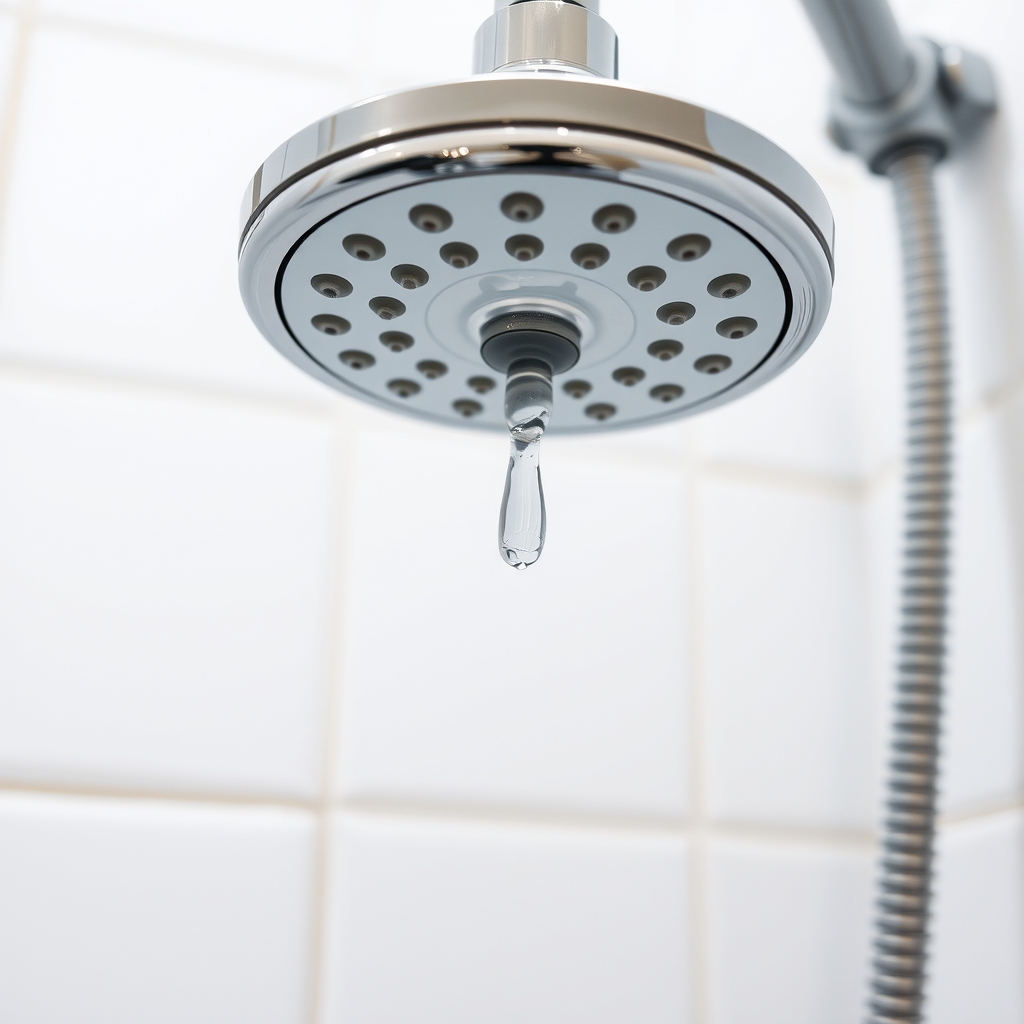
A few drips for up to a minute after you turn the shower off are normal, since the pipe and head are still draining. A drip that keeps going means the valve is letting water past. In a single-handle shower that is nearly always a worn or scale-clogged cartridge. Shut off the water, pull the old cartridge and fit an exact match for your valve brand and model. If the old one is only gunked up, cleaning can work, but a worn seal needs a new cartridge.
Free fix vs. permanent fix
Clean and reseat the cartridge
- Shut off the water and remove the handle and trim
- Pull the cartridge and soak off scale in white vinegar
- Wipe the valve body clean
- Reinstall it in the same position
How long it lasts: Weeks to a couple of years if scale or grit was the problem. A worn seal drips again soon after.
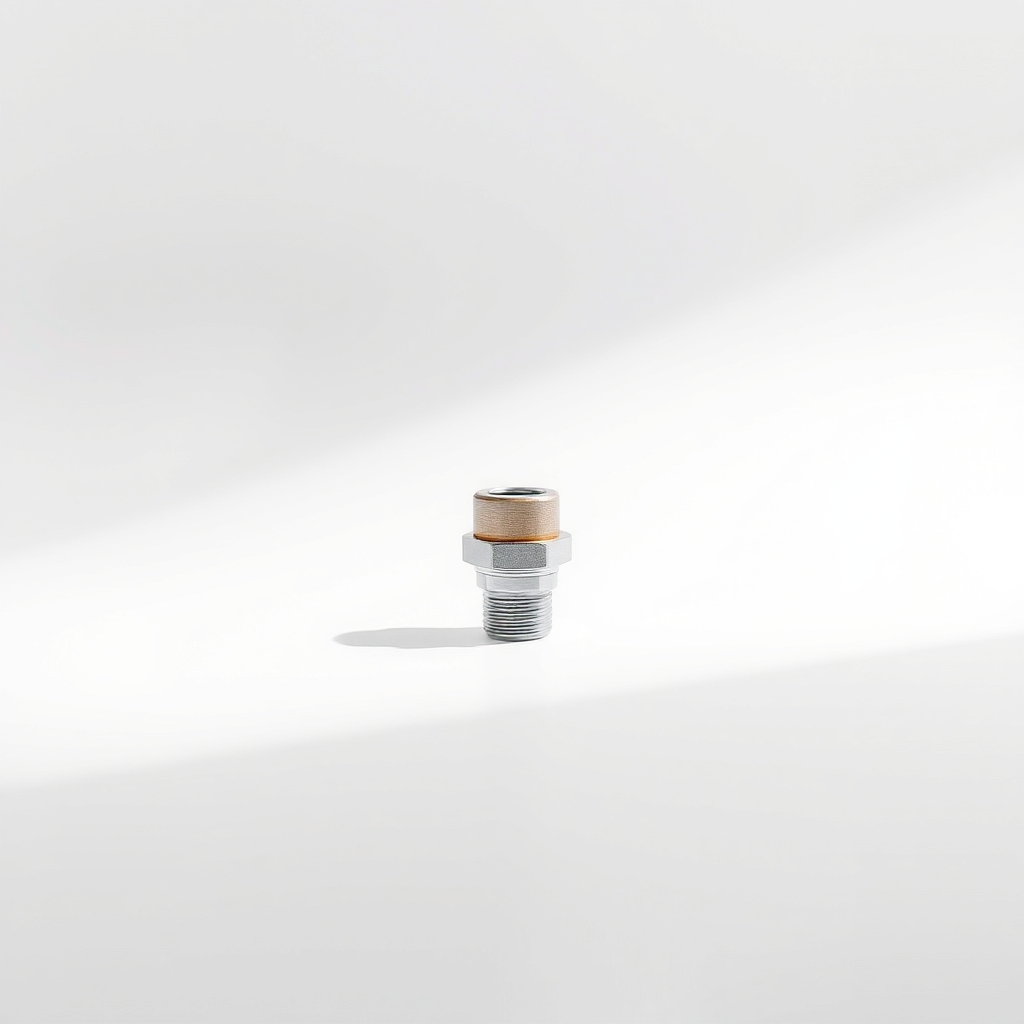
A new cartridge, matched to your valve
The cartridge seals the water inside the valve when the handle is off. Its rubber seals harden, wear flat or collect scale, and then water seeps past. A new cartridge replaces every seal at once, which is the same repair a plumber would make.
What to get: Replacement shower valve cartridge
How long it lasts: Years. The cartridge is the part that wears, and a new one starts fresh.
As an Amazon Associate I earn from qualifying purchases.
What you'll need
-
Hex keys and screwdrivers
For the handle screw and trim plate
You have it -
Phone camera
Photograph each layer and the old cartridge
You have it -
White vinegar
Dissolves scale on a cartridge you plan to reuse
You have it - Our pick Illustration
Replacement shower cartridge
Must match your valve brand and model exactly
- Illustration
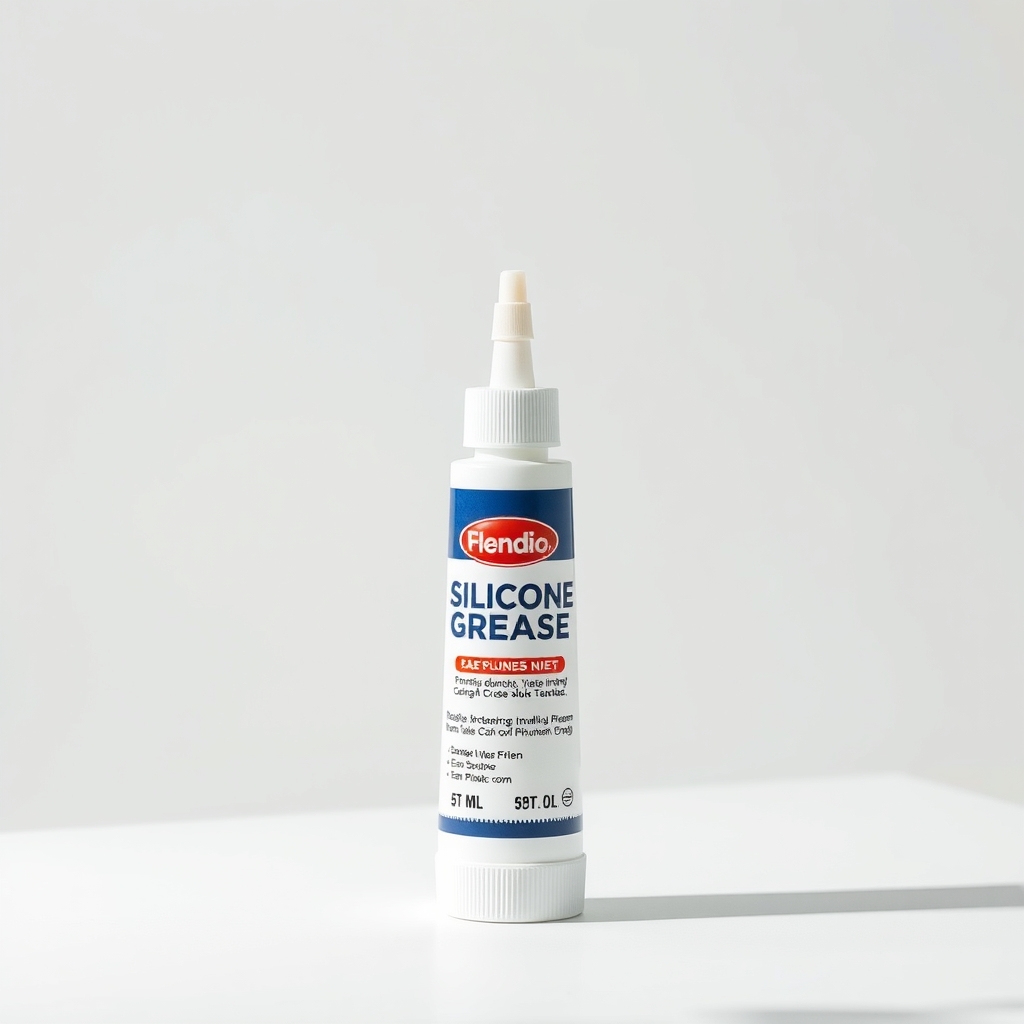
Plumber's silicone grease
Smooths the seals and eases removal next time
- Illustration
Cartridge puller
Frees a cartridge stuck with scale
Why it happens
Worn rubber seals in the cartridge
Every turn of the handle rubs the seals. After years of use they harden or flatten, and water slips by even when the handle is off.
Mineral scale or grit
Hard water leaves scale on the cartridge and the valve seat. A speck of grit can hold a seal slightly open, so water seeps through.
High water pressure
Pressure above about 80 psi pushes harder on every seal and wears them sooner. A cheap pressure gauge on an outdoor spigot shows your number.
A worn washer and seat in a two-handle shower
In an older two-handle shower, the rubber washer on the stem and the seat it presses against wear and drip. The fix is the same idea: replace the stem or washer.
Try this first (free)
Do these in order, starting with the simplest.
-
Rule out normal drain-down
Turn the shower off and watch for two minutes. Drips that slow and stop are normal. A drip that keeps going, or a thin stream, means the valve is leaking. Also check that the water is not coming from the head's connection or the tub spout.
-
Shut off the water
Turn off the shower's stop valves, if it has them. Otherwise shut off the main supply. Open the shower to drain the line, and plug the drain with a rag so screws do not fall in.
-
Remove the handle and trim
Tool used: Hex keys and screwdriversPry off the cap, undo the screw with a hex key or screwdriver, and pull off the handle. Then unscrew the trim plate. Note the brand name on the handle or plate.
-
Pull the cartridge and look at it
Tool used: Phone cameraRemove the retaining clip or nut, then pull the cartridge straight out. Wiggle, do not pry. Rubber that is flattened, cracked or gummy, or scale crusted on the body, means replace it. Photograph it, and note any model number.
-
Clean it if it looks sound
Tool used: White vinegarIf the cartridge looks undamaged, soak it in white vinegar for about an hour, rinse, and wipe the valve body with a cloth. Reinstall it the same way round. If it still drips, replace it.
-
Install the matched cartridge
Tool used: Replacement shower cartridgeFit the new cartridge in the same position as the old one, with the hot side the same way round. Fit the clip or nut, rebuild the trim and handle, and open the stops. Run hot and cold with the handle fully open for a minute to flush grit, then check for leaks.
IllustrationCheck price on AmazonTool for this step
Replacement shower cartridge · Must match your valve brand and model exactly
When free fixes aren't enough
Cleaning is worth 45 minutes only if the cartridge looks undamaged. Rubber seals that are cracked, flattened or hard will not seal again, and the drip comes back, often within weeks. A new cartridge replaces every seal at once. Match the brand and model exactly, since a cartridge that almost fits will leak. Call a plumber if you cannot shut off the water, if the valve body is cracked or corroded, if water stains appear on a wall or ceiling nearby, or if a new cartridge still drips. A worn valve seat may need a bigger repair.
Buy the fix
Still stuck after the free fixes? These are the products we would look at.
| Pick | Product | Fixes | Who it's for | Buy |
|---|---|---|---|---|
| Best pick | Replacement shower valve cartridge | a shower that drips or runs after you turn it off | Anyone with a single-handle shower that keeps dripping once normal drain-down is ruled out. | Check price |
| Budget pick | Plumber's silicone grease | a mild drip or stiff handle on a sound cartridge | Someone who pulled the cartridge and found it clean and undamaged. | Check price |
| Upgrade pick | Shower cartridge puller | an old cartridge stuck in the valve body | Older homes with hard water, where the cartridge is fused to the body with scale. | Check price |
Replacement shower valve cartridge
Fixes: a shower that drips or runs after you turn it off
Look for: Listed for your exact valve brand and model number; Matches the old cartridge in length and stem shape; Includes the retaining clip or O-rings if yours uses them; Install instructions or a clear part photo in the listing.
- Who it's for
- Anyone with a single-handle shower that keeps dripping once normal drain-down is ruled out.
- Honest downside
- You cannot confirm your valve brand and model. A wrong cartridge is the most common reason this repair fails.
Plumber's silicone grease
Fixes: a mild drip or stiff handle on a sound cartridge
Look for: 100 percent silicone, labeled safe for plumbing and drinking water; Does not harm rubber seals; A small tube or tub that is easy to apply.
- Who it's for
- Someone who pulled the cartridge and found it clean and undamaged.
- Honest downside
- The cartridge looks cracked or flattened, or the drip returned after a clean. Only a new one fixes that.
Shower cartridge puller
Fixes: an old cartridge stuck in the valve body
Look for: Made for your valve brand and cartridge type; A strong clamp or threaded grip; A fit chart in the listing.
- Who it's for
- Older homes with hard water, where the cartridge is fused to the body with scale.
- Honest downside
- Your cartridge slides out by hand. You will not need one.
As an Amazon Associate I earn from qualifying purchases. We don't show prices because they change, so use the button to see today's price.
How we picked: How we picked: this page is based on plumbing guides for shower valves, installation instructions from valve makers, and the problems and fixes people report in reviews of cartridges. We do not test products by hand.
Match the cartridge before you buy
- Find the brand: it is usually printed on the handle or the trim plate, or on the old cartridge itself.
- Find the model number: look on the old cartridge, the box or the valve body.
- Compare shapes: match the length, the stem and the number of grooves, called splines, against the listing photos.
- When in doubt: take the old cartridge to a plumbing supply store and ask them to match it.
Is it the cartridge or something else?
A drip from the tub spout while the shower is running is the diverter. Water at the threads where the head screws onto the arm is a connection leak. A stiff or spinning handle has its own fix. Only a drip from the head or spout while the handle is fully off points to the cartridge.
What to skip
Cranking the handle shut, or taping the shower head
Forcing the handle past its stop wears the seals faster. Plumber's tape on the shower head only fixes a leak at the threads, and a head that drips with the valve off is dripping because of the valve. Skip universal cartridges that do not name your valve model.
Frequently asked questions
Why does my shower keep dripping after I turn it off?
Why is my shower head leaking or dripping when it is off?
Why does my shower keep running when turned off?
How much water does a drip waste?
Related problems
 Free fix inside
Bathroom · Shower Head
Shower Head Leaking at the Connection? The 2-Minute Tape Fix
Read the fix Free fix inside
Bathroom · Shower Valve
Shower Diverter Not Working? The Tub Spout Swap That Fixes It
Read the fix Free fix inside
Bathroom · Bathtub Faucet
Bathtub Faucet Leaking or Dripping? Washer Fix for Two-Handle Taps
Read the fix Free fix inside
Bathroom · Bathroom Faucet
Bathroom Faucet Leaking From the Handle? Swap the Cartridge
Read the fixAs an Amazon Associate I earn from qualifying purchases. Affiliate disclosure