Shower Diverter Not Working? The Tub Spout Swap That Fixes It
Water still pours from the tub spout when you pull the knob? A worn diverter inside the spout is the usual cause, and a new spout takes about 20 minutes.
By Jamilur Rahman Updated November 5, 2026 · 7 min read
- Time
- 25 min
- Cost
- $20-$50
- Difficulty
- Easy
In this guide
Quick answer
A pull-up diverter fails when the rubber seal inside the tub spout wears out or clogs with mineral scale, so water keeps falling from the spout instead of rising to the shower head. Clean the spout with vinegar first. If it still leaks, or the knob will not stay up, replace the spout with a new one that has a diverter built in. It is a 20-minute job with basic tools. If your diverter is a handle on the wall instead of a knob on the spout, this swap will not fix it.
Free fix vs. permanent fix
Clean and reseat the spout
- Remove the spout and soak it in white vinegar for an hour
- Scrub the diverter opening with an old toothbrush
- Check the rubber seal for cracks or flattening
- Refit the spout and test with the knob pulled up
How long it lasts: A few months, if scale was the problem. A worn seal will fail again.
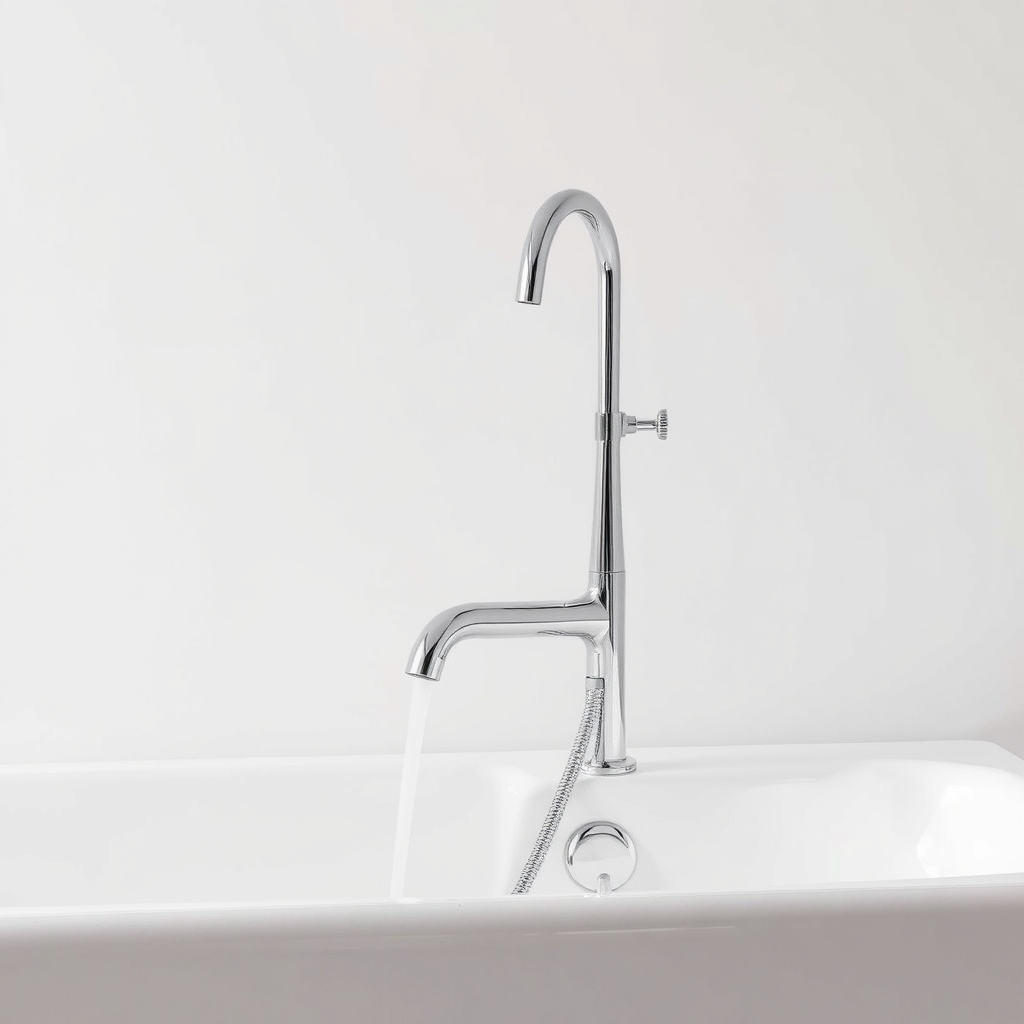
A new tub spout with a built-in diverter
The diverter and its seal are built into the spout, and the seal is often not sold on its own. Cleaning removes scale, but a worn rubber seal cannot be restored. A new spout gives you a new seal, knob and gasket in one 20-minute swap.
What to get: Replacement tub spout with pull-up diverter
How long it lasts: Years. The diverter seal is new and so is the knob.
As an Amazon Associate I earn from qualifying purchases.
What you'll need
-
Hex (Allen) key set
For slip-on spouts, which hold on with a small set screw under the spout
You have it -
Pipe wrench and a rag
For threaded spouts that will not turn by hand; the rag protects the finish
You have it -
White vinegar and an old toothbrush
Dissolves scale on the diverter parts
Free - Illustration
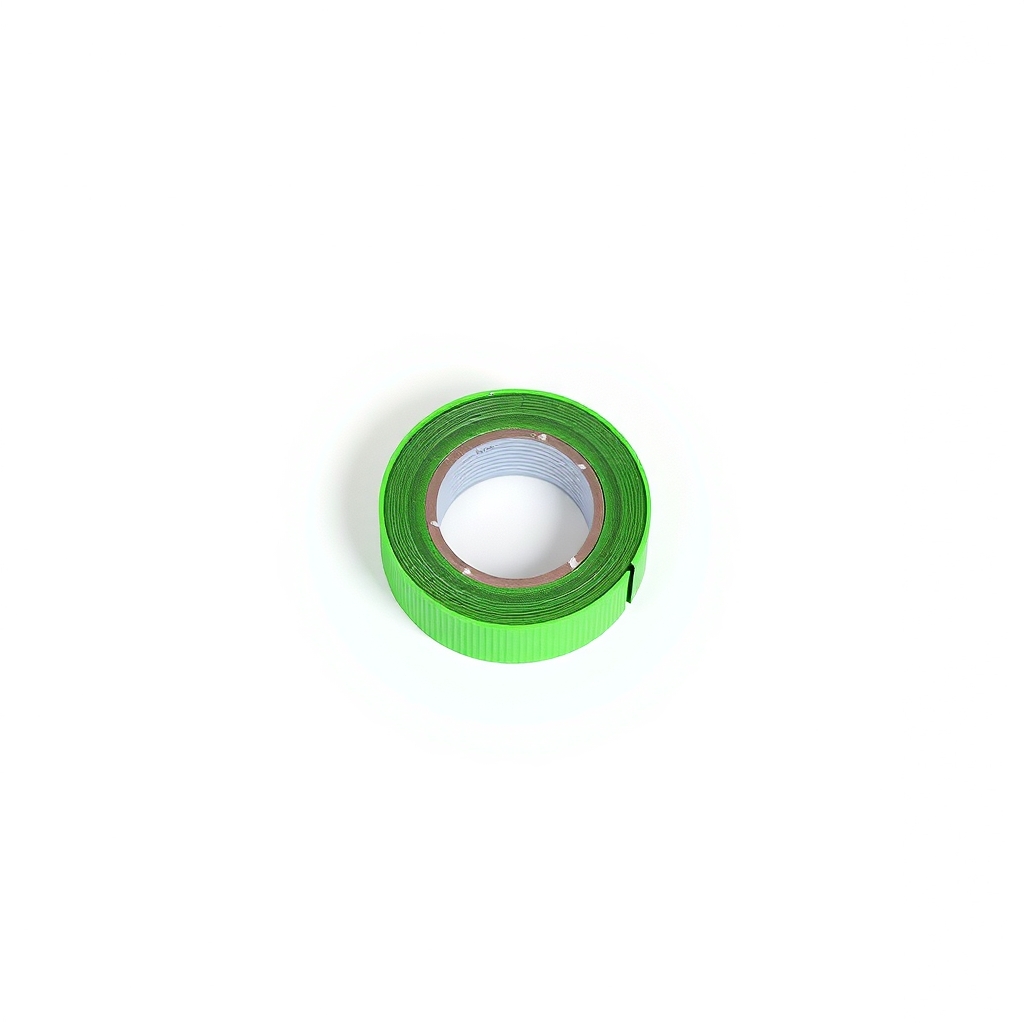
Plumber's thread seal tape
Only needed for threaded spouts
- Our pick Illustration
Replacement tub spout with diverter
Match the connection type, slip-on or threaded
Why it happens
A worn rubber seal
The knob lifts a small plug that blocks the spout. With use, the rubber or plastic seal hardens, cracks or flattens, and water slips around it.
Mineral scale
Hard water leaves crusty deposits on the plug and its seat. The plug cannot seal, or the knob sticks and will not stay up.
A loose or broken stem
Pull knobs loosen or snap from the stem over time. The knob lifts, but the plug underneath does not move.
Weak water flow
In a pull-up diverter, water pressure holds the plug up. If the flow is weak or the stem is loose, the plug slips back down and water returns to the spout.
Try this first (free)
Do these in order, starting with the simplest.
-
Check which diverter you have
A knob or ring on top of the tub spout is a pull-up diverter, and this page fits it. A handle on the wall between the controls is an in-wall diverter, which a spout swap will not fix. See the section below.
-
Find out how the spout attaches
Tool used: Hex (Allen) key setFeel under the spout, near the wall, for a small hole with a set screw. That is a slip-on spout. No screw means it is a threaded spout that twists off.
-
Remove the spout
Tool used: Pipe wrench and a ragSlip-on: loosen the set screw a few turns and pull the spout straight off, twisting gently. Threaded: turn it counterclockwise by hand, or wrap a rag around it and use a pipe wrench. If the pipe in the wall starts to turn, stop and hold it, because a spinning pipe can crack a joint inside the wall.
-
Soak and scrub
Tool used: White vinegar and an old toothbrushSoak the spout in white vinegar for an hour. Scrub the opening with a toothbrush and look at the rubber seal on the diverter. Rinse and dry it.
-
Refit and test
Put the spout back and tighten it snug, not hard. Run the shower and pull the knob up. A small dribble from the spout is common, but a steady stream means the seal is worn.
-
Fit a new spout if the test fails
Tool used: Replacement tub spout with diverterSlip-on: slide on the new spout and tighten the set screw. Threaded: wrap thread seal tape three or four times around the pipe threads, clockwise as you face the pipe end, then screw the new spout on until it is snug and the knob sits at the top. Run a thin bead of silicone caulk along the top and sides where the spout meets the wall.
IllustrationCheck price on AmazonTool for this step
Replacement tub spout with diverter · Match the connection type, slip-on or threaded
When free fixes aren't enough
If cleaning does not stop water running from the spout, or the knob will not stay up, the seal is worn and a new spout is the real fix. It costs less than a plumber visit and takes about 20 minutes. A new spout does not help if the pipe in the wall is corroded, loose, or leaking at the wall, or if your diverter lives in the wall valve. Call a plumber for those. If water seeps out around the wall when the shower runs, stop using it until it is sealed, since water in the wall can rot the framing.
Buy the fix
Still stuck after the free fixes? These are the products we would look at.
Replacement tub spout with pull-up diverter
Fixes: water that keeps pouring from the tub spout when the diverter is up
Look for: The same connection as your old spout, slip-on or threaded; A length from the wall that is close to your old one, so water still lands in the tub; A metal body rather than thin plastic, if you can choose; A finish that matches your tub faucet and shower head.
- Who it's for
- Anyone with a pull-up or lift-ring diverter that leaks, sticks or will not stay up.
- Honest downside
- Your diverter is a handle on the wall, or the pipe at the wall is loose, bent or leaking. Call a plumber.
As an Amazon Associate I earn from qualifying purchases. We don't show prices because they change, so use the button to see today's price.
How we picked: How we picked: this page is based on plumbing repair guides, installation instructions from tub spout makers, and the problems and fixes people report in reviews. We do not test products by hand.
Slip-on or threaded? How to match your new spout
- Slip-on: there is a set screw under the spout, and the pipe is smooth copper. Measure the pipe width. Most are 1/2 inch, but check the product listing against your pipe.
- Threaded: no screw, and the pipe has threads. The spout twists on and needs thread seal tape.
- Length: measure from the wall to the end of the spout, so water still falls into the tub.
If your diverter is a handle on the wall
A tub with a third handle or a lever between the controls has the diverter inside the wall valve. The spout swap will not fix this. The part is a cartridge or stem made for your valve brand. If you can read the brand on the handle or trim plate, search for the model. If not, a plumber can identify it in minutes.
What to skip
Gluing or wedging the knob up
Wedging or gluing the diverter makes the shower work for a day but blocks the tub for good, and the residue makes a clean swap harder. Spray lubricant will not restore a worn seal either. Replace the spout instead.
Frequently asked questions
Why does water still come out of the tub faucet when the shower is on?
How do I fix a shower diverter that will not stay up?
How do I fix an in-wall shower diverter?
Can I replace a tub spout myself?
Related problems
 Free fix inside
Bathroom · Shower Valve
Shower Keeps Dripping When Off? The Cartridge Swap That Stops It
Read the fix Free fix inside
Bathroom · Bathtub Faucet
Bathtub Faucet Leaking or Dripping? Washer Fix for Two-Handle Taps
Read the fix Free fix inside
Bathroom · Shower Head
Shower Head Leaking at the Connection? The 2-Minute Tape Fix
Read the fixAs an Amazon Associate I earn from qualifying purchases. Affiliate disclosure