How to Replace a Bathroom Faucet: What to Buy Before You Start
A bathroom faucet swap takes about an hour with the right parts. Count your sink's holes first, then buy the faucet, supply lines and a basin wrench.
By Jamilur Rahman Updated November 5, 2026 · 6 min read
- Time
- 1-2 hours
- Cost
- $50-$150
- Difficulty
- Medium
In this guide
Quick answer
To replace a bathroom faucet, first count the holes in your sink and measure the spacing. For a three-hole sink with about 4 inches between the outer holes, buy a centerset faucet, plus new supply lines and a basin wrench. Then shut off the water, remove the old faucet, set the new one, connect the lines and check for leaks. A drip or weak flow can often be fixed for free, so check that first.
Free fix vs. permanent fix
Try a free repair before you replace
- Unscrew the aerator and rinse out grit if flow is weak or splashy
- Tighten a loose handle with its set screw
- Check under the sink for drips at the supply lines
- Look up a repair kit for your model before you toss it
How long it lasts: Fixes weak flow or a messy spray. It will not fix a corroded finish or a faucet that leaks from the body.
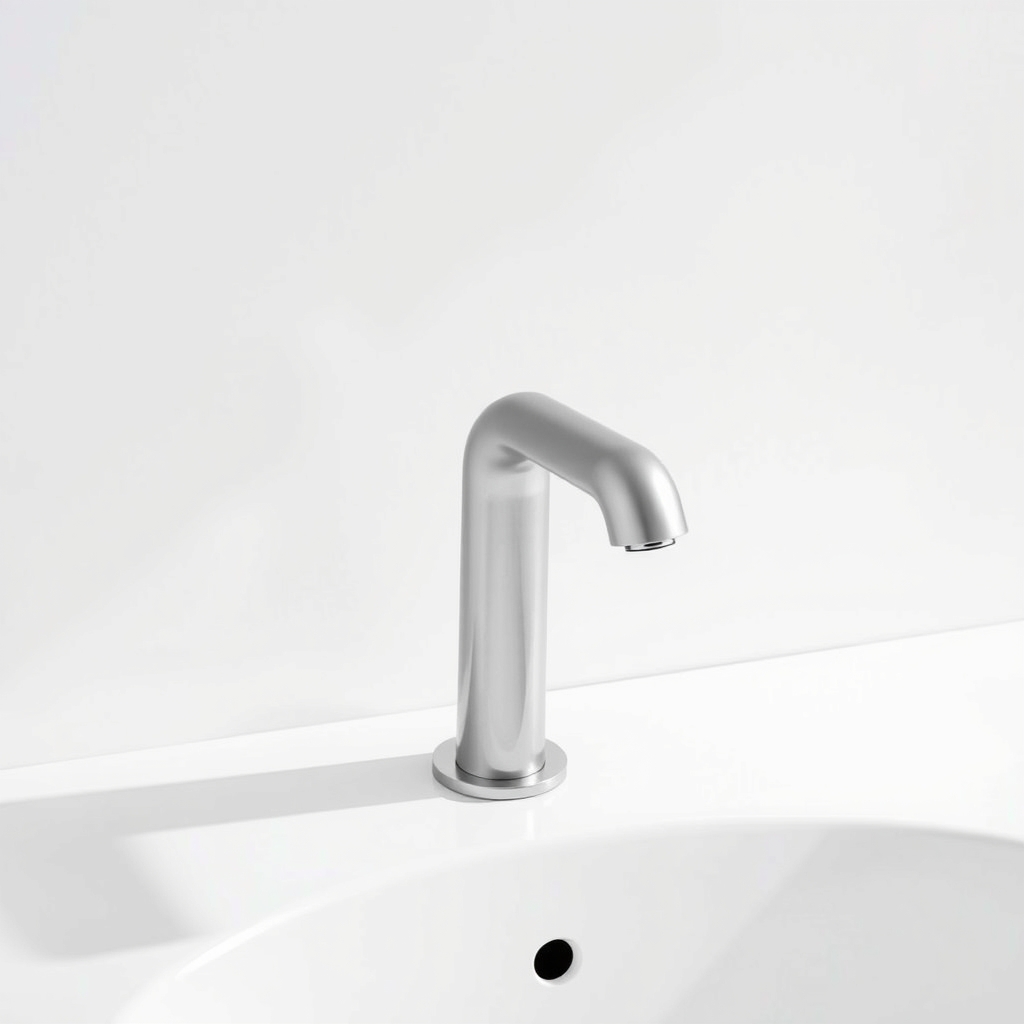
A 4-inch centerset bathroom faucet
A new faucet fixes worn cartridges, a corroded finish and a wobbly body in one job. Matching the hole layout is what makes it a one-hour swap instead of a weekend of drilling.
What to get: 4-inch centerset bathroom faucet with pop-up drain
How long it lasts: Many years. A new faucet with brass parts and ceramic cartridges resists drips.
As an Amazon Associate I earn from qualifying purchases.
What you'll need
-
Tape measure
For counting holes and measuring the spacing
You have it -
Bucket and towels
Catch the water left in the lines
You have it -
Adjustable wrench
For the supply line nuts
You have it - Illustration
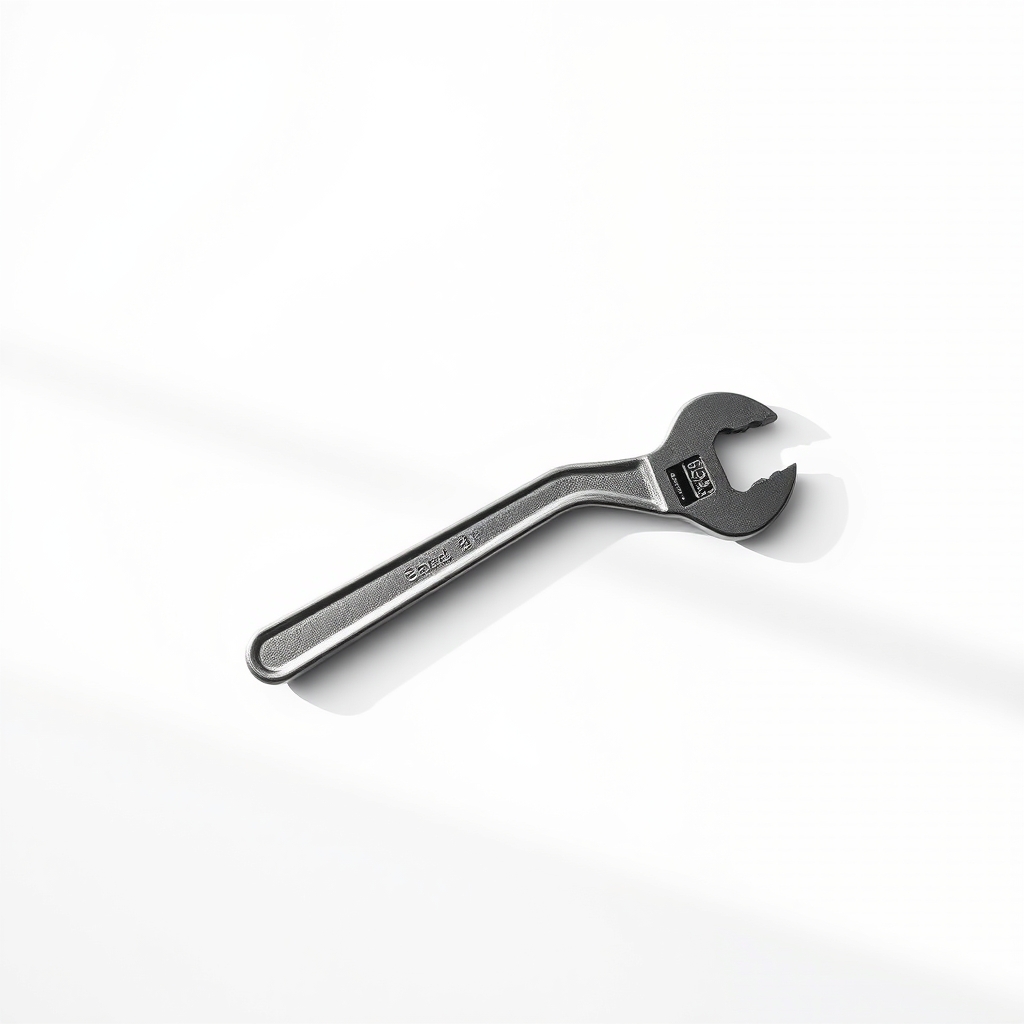
Basin wrench
Reaches the mounting nuts high up behind the sink
- Illustration
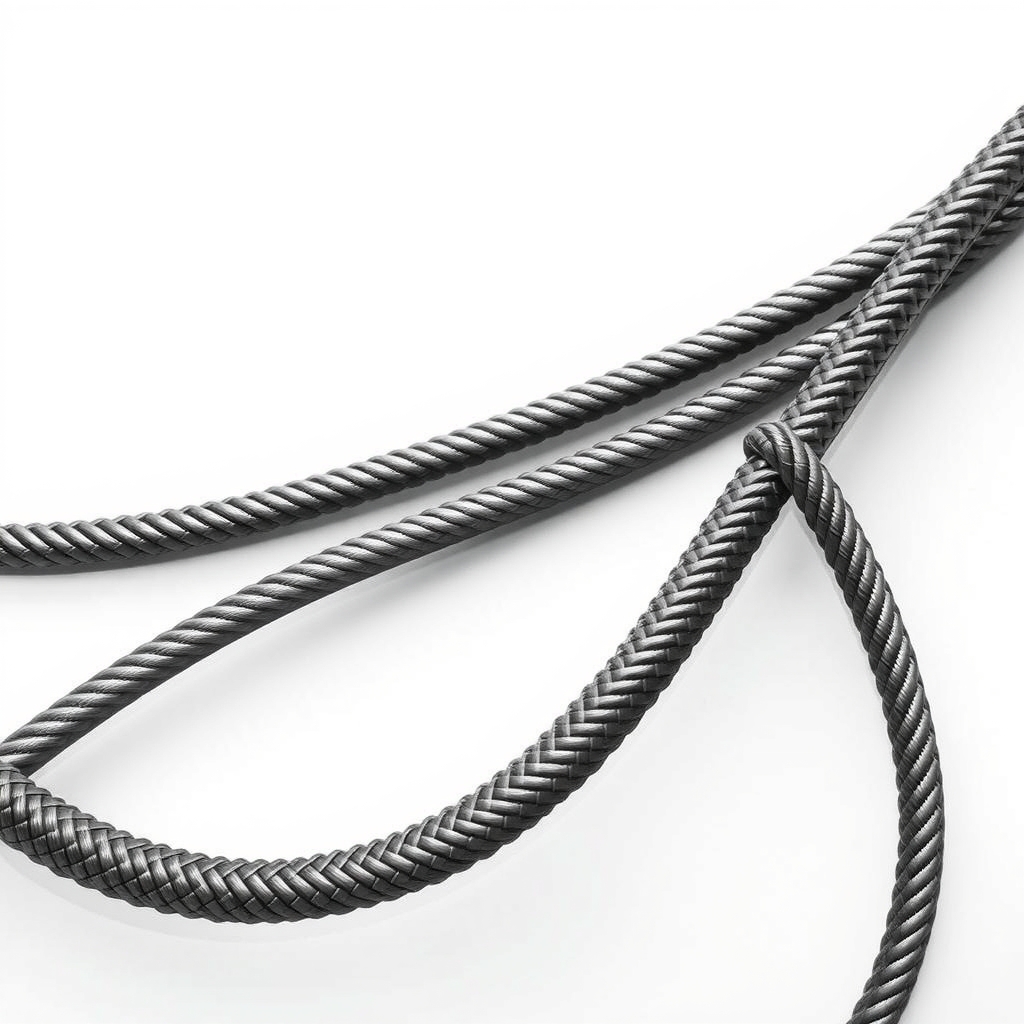
Braided supply lines
New lines are cheap and safer than reusing old ones
- Our pick Illustration
4-inch centerset bathroom faucet
For three-hole sinks with 4 inches between the outer holes
Why it happens
Worn cartridge or washers
Drips and leaks at the handle come from worn seals. A repair kit often fixes them if the faucet is otherwise sound.
A corroded or pitted finish
Hard water and cleaners eat through plating. Pitting and flaking cannot be repaired.
A loose or leaking body
A faucet that rocks or leaks at the base may have worn gaskets or a cracked body, particularly on older plastic parts.
A change of style
Some people replace a working faucet to match new fixtures. That is a fine reason, and the steps are the same.
Try this first (free)
Do these in order, starting with the simplest.
-
Match the sink: count the holes and measure
Tool used: Tape measureCount the holes in the sink: one or three. On a three-hole sink, measure from the center of the left hole to the center of the right. About 4 inches means centerset. 6 to 16 inches means widespread.
-
Shut off the water and clear the cabinet
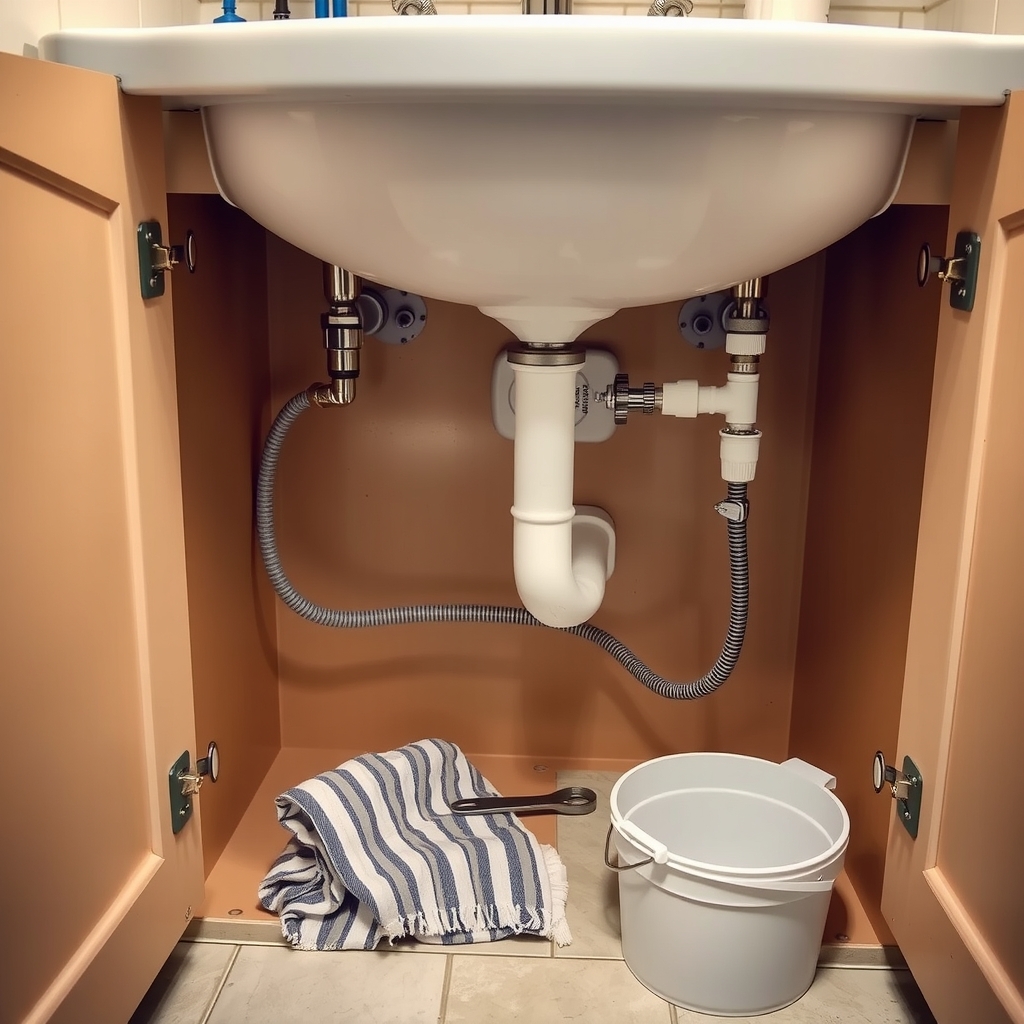
Tool used: Bucket and towelsTurn both shutoff valves under the sink clockwise until they stop, then open the old faucet to drain it. Put a bucket and towels under the pipes. If a valve will not turn or leaks when you touch it, stop and call a plumber.
-
Disconnect the lines and remove the old faucet
Tool used: Basin wrenchLoosen the supply nuts with the adjustable wrench, then reach up with the basin wrench to remove the mounting nuts. Unhook the pop-up lift rod from the drain strap. Lift the old faucet out and wipe the sink deck clean.
IllustrationCheck price on AmazonTool for this step
Basin wrench · Reaches the mounting nuts high up behind the sink
-
Set the new faucet
Follow the maker's instructions for the gasket or a thin bead of plumber's putty. Push the faucet through the holes, hand-tighten the mounting nuts from below, then give each a quarter-turn with the basin wrench so the faucet does not spin.
-
Connect the drain and the supply lines
Tool used: Braided supply linesFit the new pop-up assembly and lift rod using the maker's diagram. Then screw on the supply lines, hot on the left and cold on the right. Tighten by hand, then about a quarter-turn with the wrench. Do not crank them.
IllustrationCheck price on AmazonTool for this step
Braided supply lines · New lines are cheap and safer than reusing old ones
-
Flush and check for leaks
Take off the aerator, open both valves slowly and run the water for a minute to flush out grit. Put the aerator back, then touch a dry tissue to each joint. Check again after an hour.
When free fixes aren't enough
A repair kit is the cheapest fix if the faucet only drips. But if the finish is flaking, the body is cracked or the faucet is decades old, parts can be hard to find. Replacing it also lets you swap the supply lines, which are a common leak source. If your shutoff valves are stuck or leak, or the pipes are old and corroded, stop and call a plumber.
Buy the fix
Still stuck after the free fixes? These are the products we would look at.
| Pick | Product | Fixes | Who it's for | Buy |
|---|---|---|---|---|
| Best pick | 4-inch centerset bathroom faucet with pop-up drain | a leaking, corroded or worn faucet on a standard three-hole sink | Most owners with a three-hole sink and 4-inch spacing. | Check price |
| Budget pick | 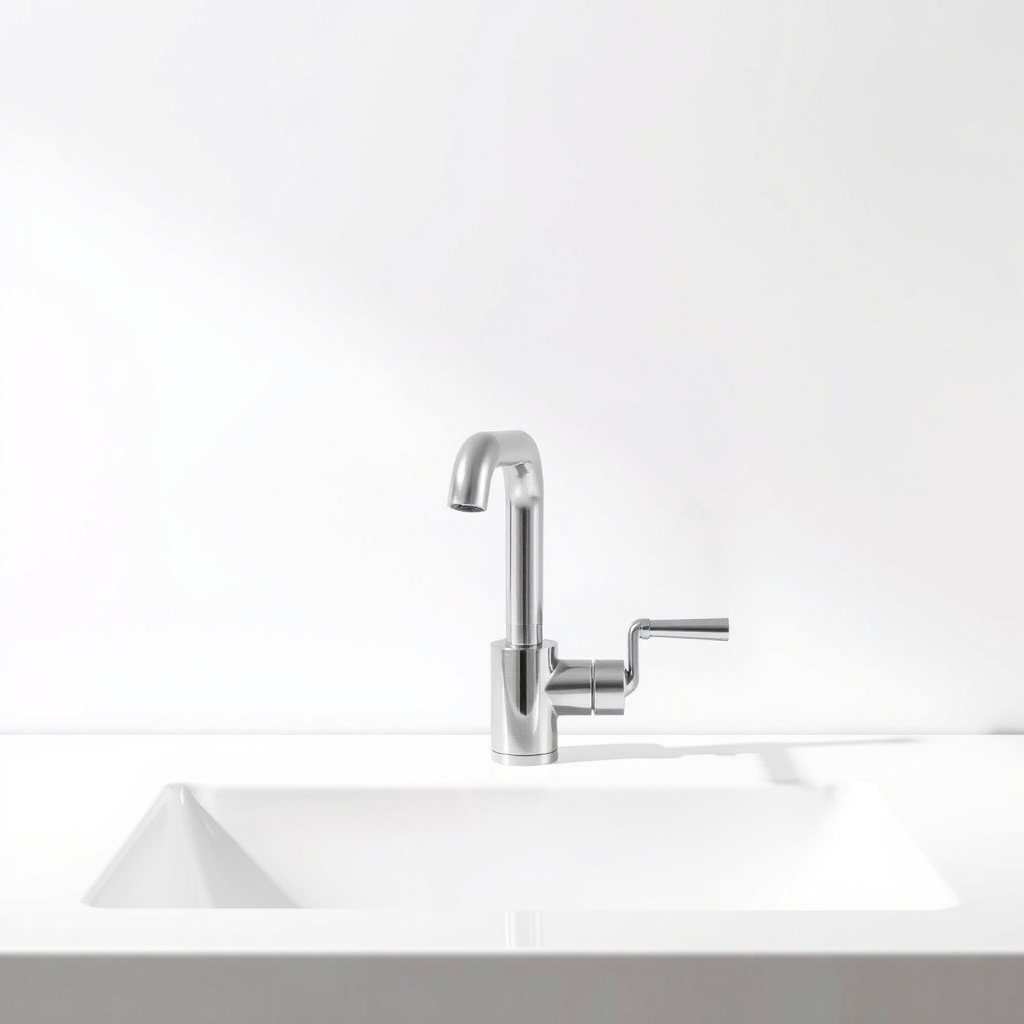 Basic 4-inch centerset faucet | a failed faucet at the lowest cost | Rentals, a guest bath or a home you plan to sell. | Check price |
| Upgrade pick | 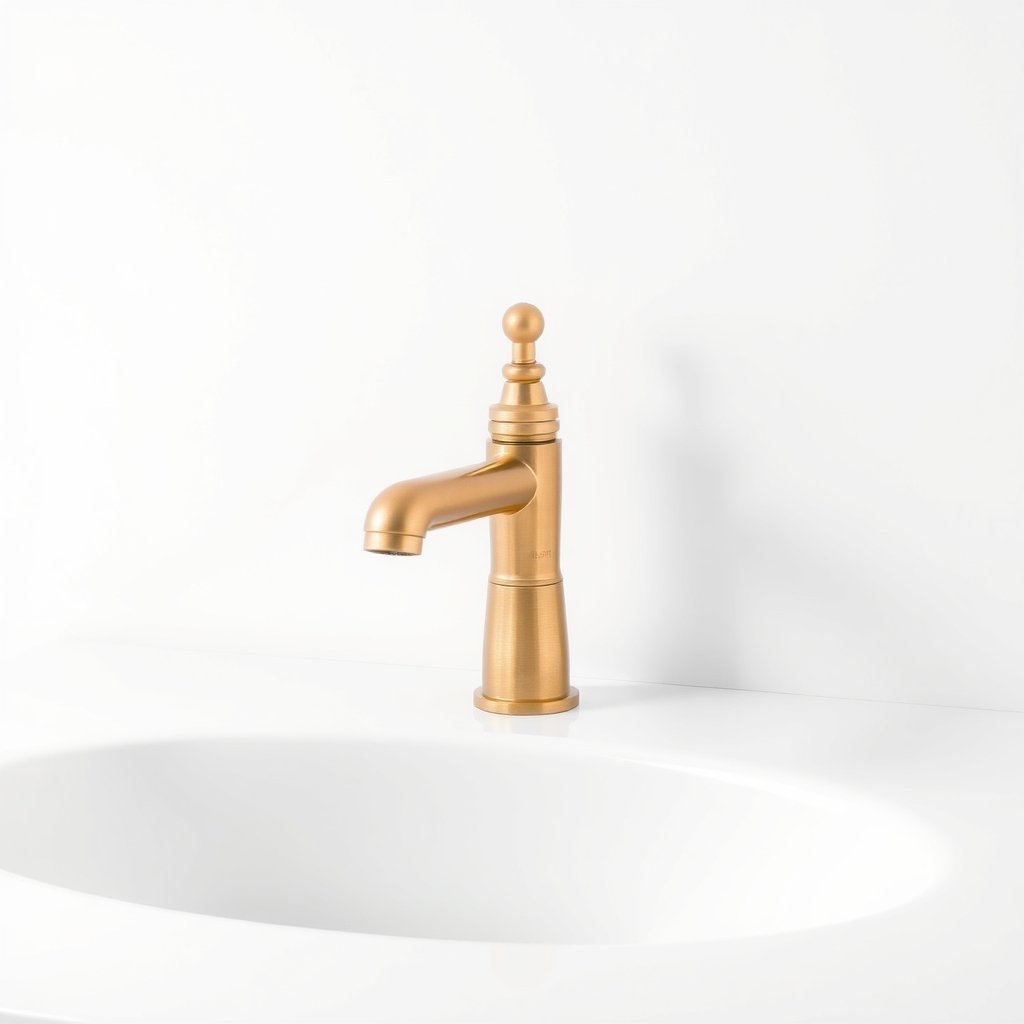 Solid brass centerset faucet | a faucet that keeps failing | Hard-water homes and bathrooms with heavy daily use. | Check price |
4-inch centerset bathroom faucet with pop-up drain
Fixes: a leaking, corroded or worn faucet on a standard three-hole sink
Look for: Listed for three-hole sinks with 4-inch spacing; A brass body or brass waterways; Ceramic disc cartridges; A pop-up drain included, if yours needs replacing.
- Who it's for
- Most owners with a three-hole sink and 4-inch spacing.
- Honest downside
- Your sink has one hole, or the holes are 8 inches apart or wider. Measure first.
Basic 4-inch centerset faucet
Fixes: a failed faucet at the lowest cost
Look for: A 4-inch centerset fit; Metal handles; Supply lines included.
- Who it's for
- Rentals, a guest bath or a home you plan to sell.
- Honest downside
- This is the bathroom you use every day and you want it to last.
Solid brass centerset faucet
Fixes: a faucet that keeps failing
Look for: A solid brass body; Ceramic cartridges; A brushed finish, which hides water spots better than chrome.
- Who it's for
- Hard-water homes and bathrooms with heavy daily use.
- Honest downside
- You are on a tight budget. The cheaper faucet does the job.
As an Amazon Associate I earn from qualifying purchases. We don't show prices because they change, so use the button to see today's price.
How we picked: How we picked: this page is based on faucet installation manuals, plumbing guides, and the fit and leak problems people report in reviews. We do not test products by hand.
Know your sink: three layouts
- Single-hole: one hole, one handle or lever.
- Centerset: three holes about 4 inches apart, with the spout and handles on one base plate.
- Widespread: three holes 6 to 16 inches apart, with the spout and each handle as separate pieces.
Check the drain before you buy
Many three-hole faucets come with a pop-up drain and lift rod. Check that the new faucet's listing includes them if you need them, and that the lift rod lines up with your drain.
What to skip
Reusing the old supply lines
Old supply lines can be stiff, kinked or corroded. They cost little to replace, and they are a common leak source after a faucet swap. Replace them when you replace the faucet.
Frequently asked questions
How do I know which bathroom faucet fits my sink?
Do I need a plumber to replace a bathroom faucet?
What is a basin wrench and do I need one?
Can I put a single-hole faucet on a three-hole sink?
Related problems
 Free fix inside
Bathroom · Bathroom Faucet
Bathroom Faucet Dripping? Find Your Faucet Type, Then Fix It
Read the fix Free fix inside
Bathroom · Bathroom Faucet
Bathroom Faucet Loose or Spinning? Tighten It With a Basin Wrench
Read the fix Free fix inside
Bathroom · Bathroom Faucet
Bathroom Faucet Leaking at the Base? A Cheap O-Ring Often Fixes It
Read the fix Free fix inside
Bathroom · Bathroom Faucet
Bathroom Faucet Leaking From the Handle? Swap the Cartridge
Read the fixAs an Amazon Associate I earn from qualifying purchases. Affiliate disclosure