Toilet Paper Holder Keeps Falling Off? Fix It or Use a Stand
Stripped screw holes, a missing anchor or a weak spring arm drop the roll. Re-anchor it free in 15 minutes, or skip the wall entirely with a stand.
By Jamilur Rahman Updated November 5, 2026 · 6 min read
- Time
- 15 min
- Cost
- Under $20
- Difficulty
- Easy
In this guide
Quick answer
How to fix a toilet paper holder that keeps falling off: it usually pulled out of the wall because its screws had nothing to grip. Take it off, fit a drywall anchor in each hole and screw it back on, and it will hold. If the wall is damaged, tiled or a rental, a freestanding holder stand skips the wall entirely and works the moment you set it down.
Free fix vs. permanent fix
Re-anchor the holder
- Remove the holder and look at the screw holes
- Fit an anchor in each stripped hole
- Drive the screws in snug, not overtight
- Push a loose spring-loaded rod back into its slots
How long it lasts: Years if the wall is sound and the anchor is the right size. It fails again if the hole is crumbling or the holder gets yanked daily.
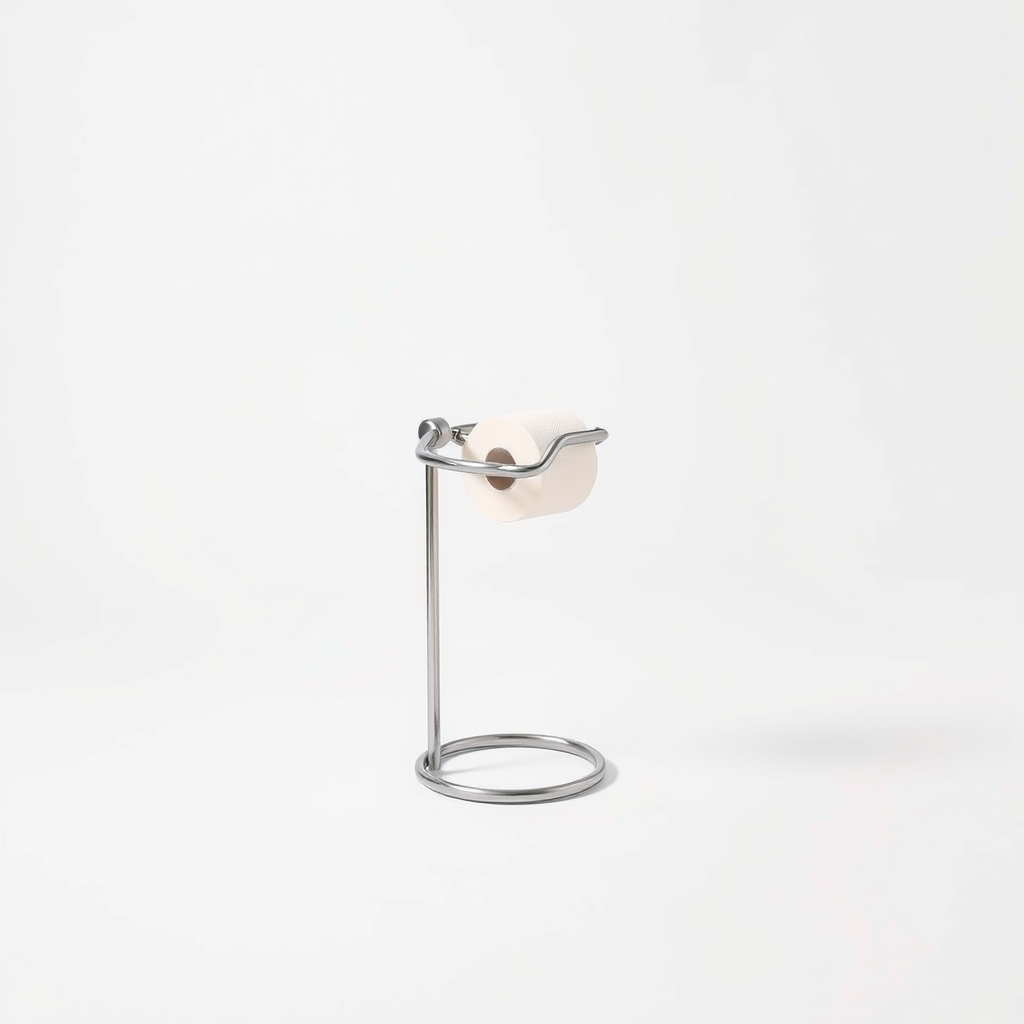
A freestanding toilet paper holder stand
A stand does not rely on a weak wall. It holds the roll at an easy reach, usually has room for spares, and moves with you if you rent.
What to get: Freestanding toilet paper holder stand
How long it lasts: As long as you own it. Nothing is screwed into the wall, so nothing can pull out.
As an Amazon Associate I earn from qualifying purchases.
What you'll need
-
Phillips screwdriver
To take off and refit the bracket
You have it -
Pencil
To mark the spot before you drill
You have it - Illustration
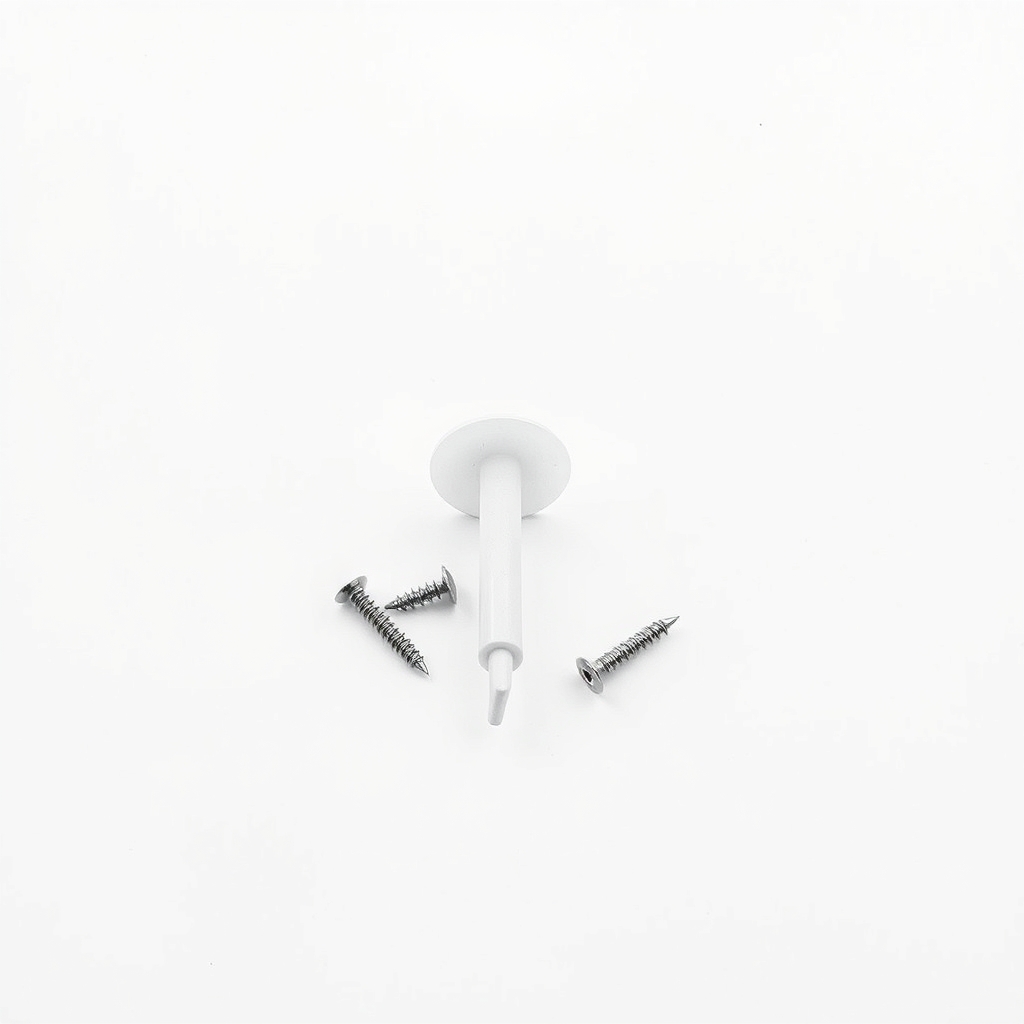
Self-drilling drywall anchors
Grip the wall behind the board, no pre-drilling needed
- Our pick Illustration
Freestanding toilet paper holder stand
Needs no wall or tools at all
Why it happens
Screws with nothing to grip
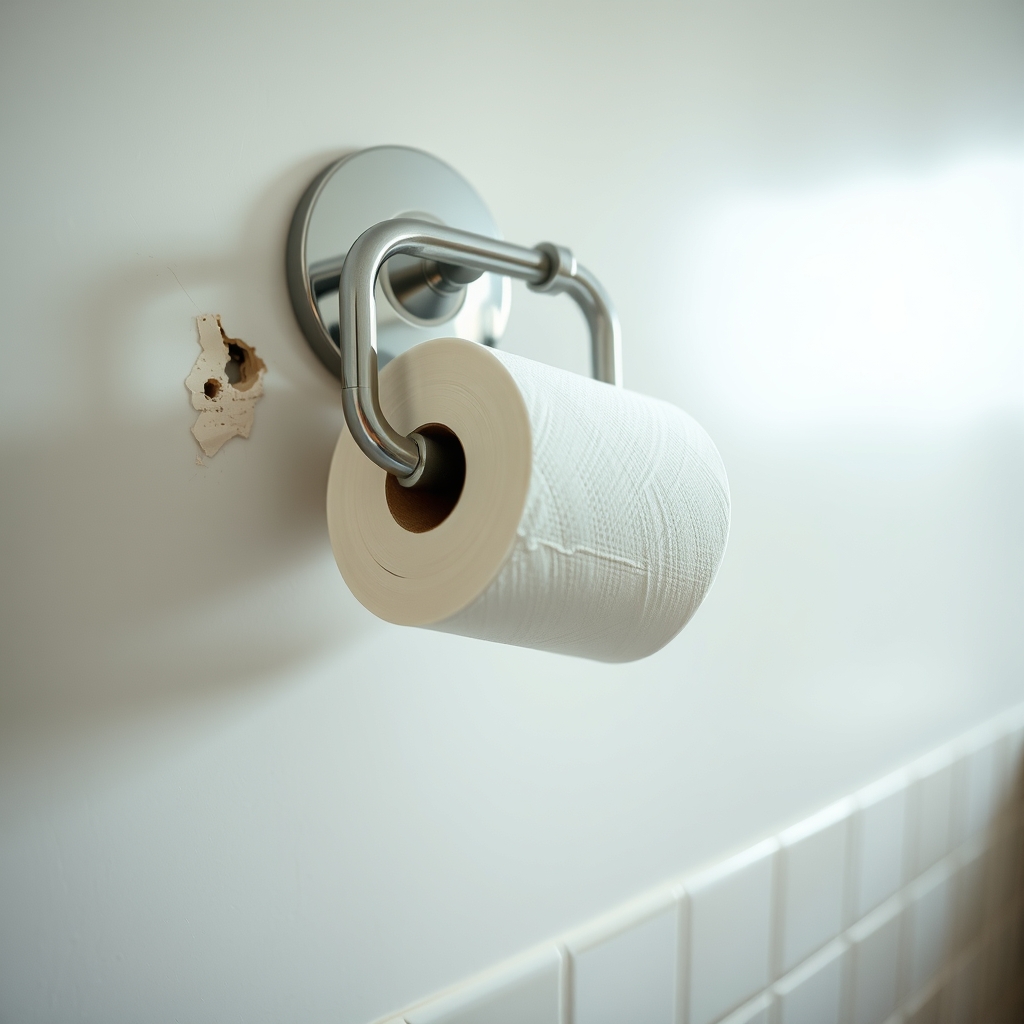
Drywall is soft. Screws driven straight into it, with no stud or anchor, strip the hole over time. Each tug on the roll loosens them a little more.
A holder not made for tile
A holder fixed to tile with adhesive, or with screws and no proper anchor, lets go once steam softens the glue or the tile cracks.
A worn spring or bent arm
Spring-loaded rollers lose tension, and a bracket arm can bend. The roll then drops out even though the holder is still on the wall.
Pulling hard on the roll
Yanking paper with one hand puts a sideways pull on the screws. Kids and pets can do the same thing.
Try this first (free)
Do these in order, starting with the simplest.
-
Find out how it is mounted
Look at the holder. Visible screws mean it is screwed to drywall or tile. A flat plate with no screws is held by adhesive. A rod that wedges between two walls is a tension holder. The fix depends on which you have.
-
Remove the holder and check the wall
Tool used: Phillips screwdriverUnscrew the bracket or lift it off. Look at the holes. Clean, round holes can take an anchor. Torn or crumbling holes need an anchor one size up or a different spot a few inches away.
-
Mark a fresh spot if you need one
Tool used: PencilIf the old holes are too damaged, hold the bracket against the wall a few inches over, check it is level and mark the new screw holes. A common guideline puts the holder about 26 inches off the floor, and about 8 to 12 inches in front of the front edge of the bowl.
-
Fit an anchor in each hole
Tool used: Self-drilling drywall anchorsTwist a self-drilling anchor into drywall with the screwdriver until it sits flush. It spreads the load behind the board. Use the screw size the anchor calls for.
IllustrationCheck price on AmazonTool for this step
Self-drilling drywall anchors · Grip the wall behind the board, no pre-drilling needed
-
Refit and test it
Tool used: Phillips screwdriverLine up the bracket and drive the screws in until snug. Give the holder a firm tug. If it moves, stop and use a bigger anchor. Do not overtighten, which can crush the drywall around the screw.
-
Fix a loose roller
If the holder stays on the wall but the roll drops out, push the spring arm in, straighten any bent arm and check the end caps. A roller with a dead spring is worth replacing.
When free fixes aren't enough
A new anchor will not save a wall that is crumbling, wet or stained. If the board behind the holder is soft, you have a moisture problem to fix first. Tile needs a tile drill bit and a steady hand, and it is easy to crack. If you rent, new holes can cost you your deposit. In every one of these cases a stand is the quicker fix. It sits on the floor, holds the roll at the right height and needs no tools.
Buy the fix
Still stuck after the free fixes? These are the products we would look at.
| Pick | Product | Fixes | Who it's for | Buy |
|---|---|---|---|---|
| Best pick | Freestanding toilet paper holder stand | a holder that will not stay on the wall, with no drilling | Renters, tiled bathrooms, damaged walls and anyone who does not want to drill again. | Check price |
| Budget pick | Self-drilling drywall anchor kit with screws | stripped screw holes in drywall | You own the home, the wall is sound and you want the holder back where it was. | Check price |
Freestanding toilet paper holder stand
Fixes: a holder that will not stay on the wall, with no drilling
Look for: A weighted or wide base that will not tip when you pull a sheet; Room for a spare roll or two; A rust-resistant finish for bathroom humidity; A height that sits within arm's reach beside the toilet.
- Who it's for
- Renters, tiled bathrooms, damaged walls and anyone who does not want to drill again.
- Honest downside
- Your bathroom is tiny and a stand would block the door or the toilet. Measure the floor space beside the toilet first.
Self-drilling drywall anchor kit with screws
Fixes: stripped screw holes in drywall
Look for: Sized to the screws that came with your holder; A weight rating above what you will put on it; Steel or tough nylon, not brittle plastic.
- Who it's for
- You own the home, the wall is sound and you want the holder back where it was.
- Honest downside
- The wall is tile, crumbling plaster or damp. An anchor will not hold there.
As an Amazon Associate I earn from qualifying purchases. We don't show prices because they change, so use the button to see today's price.
How we picked: How we picked: this page is based on wall-anchor load guides, toilet paper holder mounting instructions and the failures and fixes people report in owner reviews. We do not test products by hand.
Before you drill: three quick wall checks
- Stay clear of outlets and switches. Do not drill directly above or below them.
- Pipes can run behind a bathroom wall. Keep holes shallow and use the anchor, not a long screw.
- If you hit tile, stop. Use a tile bit and tape over the spot, or switch to a stand.
What to skip
Glue, tape and longer screws in the same hole
Skip glue or tape in a stripped screw hole, and skip a longer screw alone. A longer screw spins in the same torn hole. Adhesive-only holders also let go in steam. An anchor, or a stand, is the fix.
Frequently asked questions
How do you fix a toilet paper holder that pulled out of the wall?
Can I fix a toilet paper holder without drilling?
Why does my toilet paper roll keep falling out of the holder?
How high should a toilet paper holder be?
Related problems
 Free fix inside
Bathroom · Bathroom Accessories
Bathroom Towel Holder Pulled Out of the Wall? The Anchor That Holds
Read the fix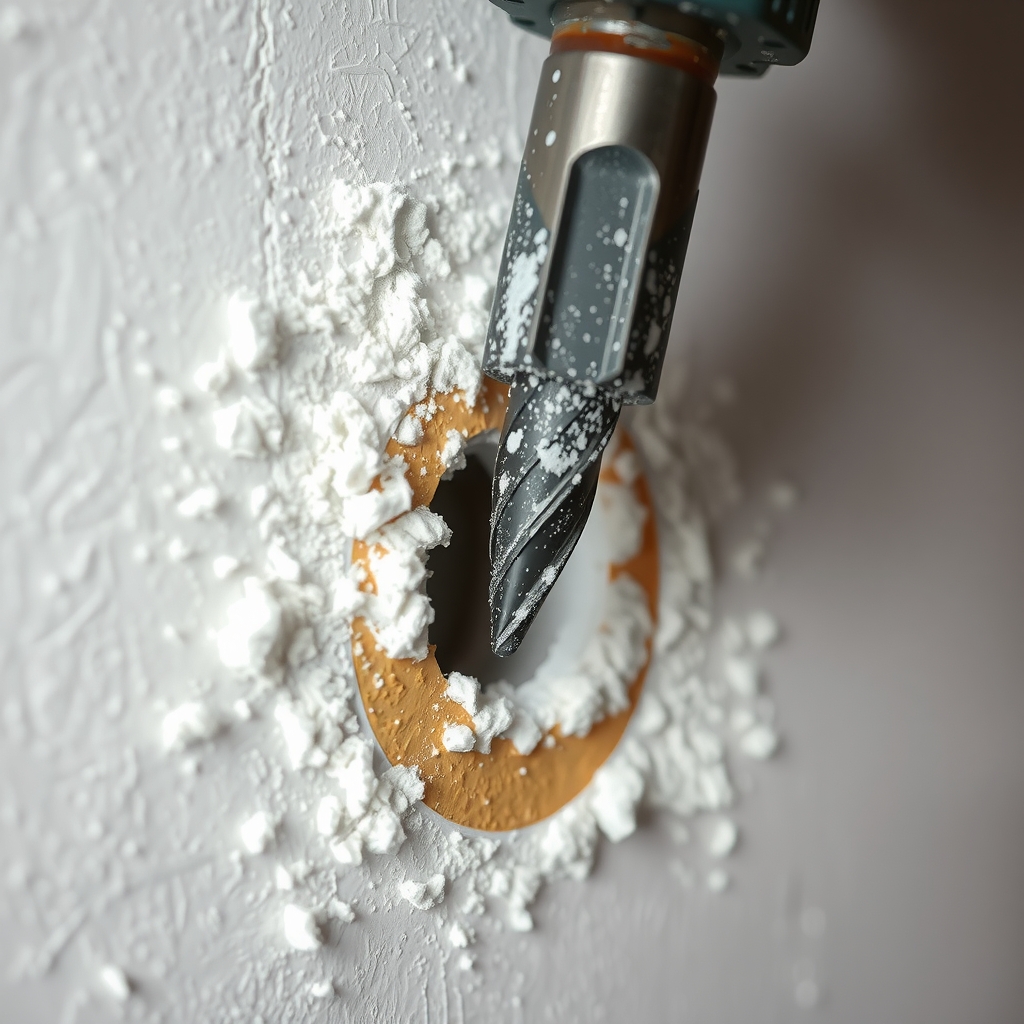 Free fix inside
Cleaning · Walls
Wall Crumbling When You Drill? The Anchors That Hold in Soft Walls
Read the fix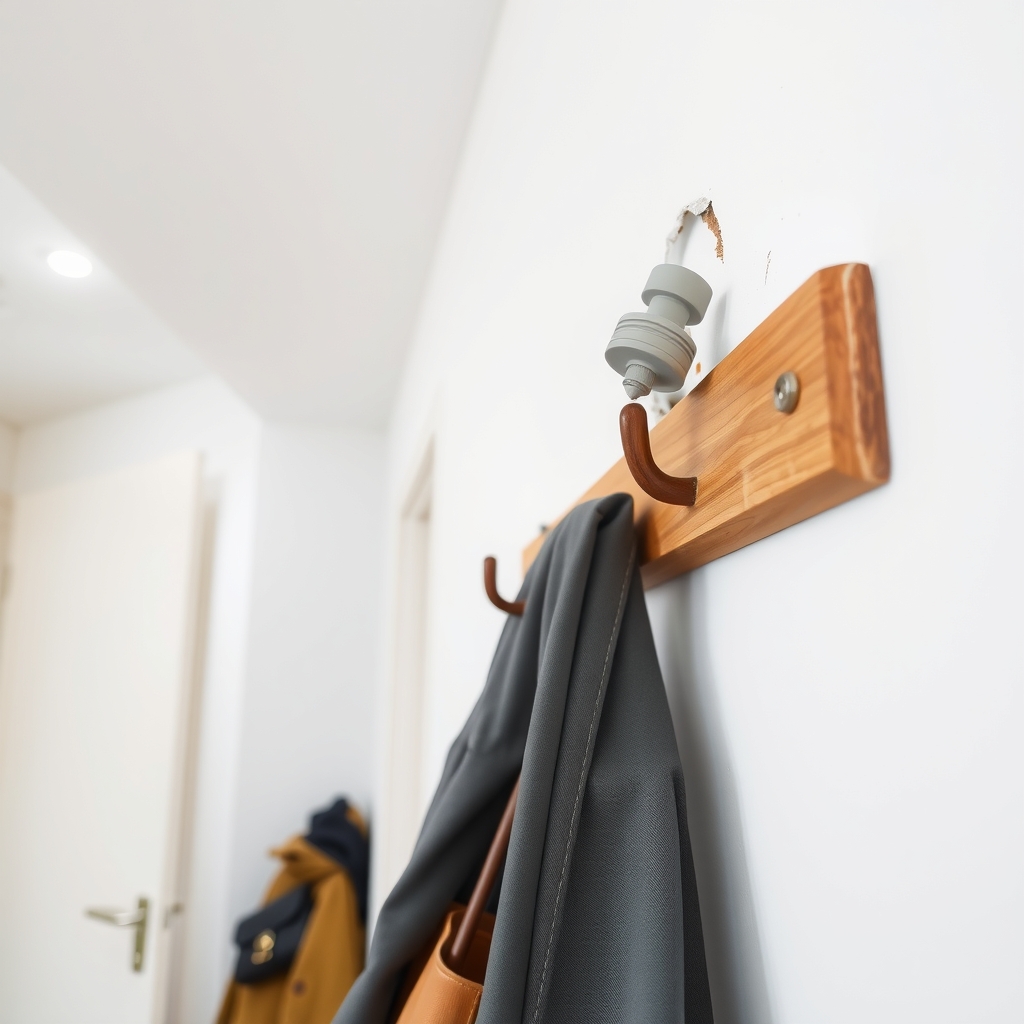 Free fix inside
Small Spaces & Storage · Coat Rack
Coat Rack Keeps Falling Off the Wall? Anchors That Hold in Drywall
Read the fix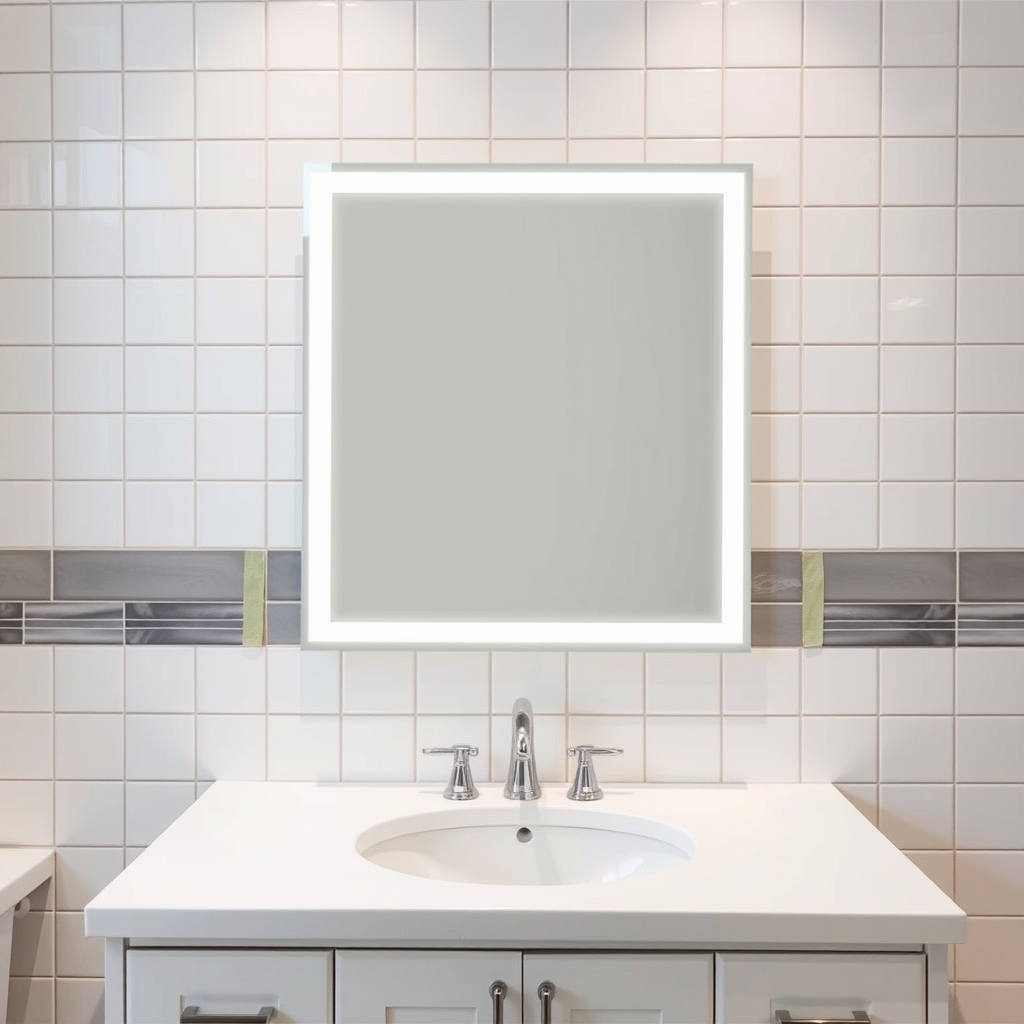 Free fix inside
Bathroom · Bathroom Mirror
How to Fix a Bathroom Mirror to the Wall Without Drilling Tile
Read the fixAs an Amazon Associate I earn from qualifying purchases. Affiliate disclosure