How to Get Rid of Static Electricity at Home: 6 Fixes That Work
Dry winter air lets charge build on carpet, clothes and your fingertips. Raise the humidity, change a few habits and spot-treat what is left.
By Jamilur Rahman Updated November 5, 2026 · 6 min read
- Time
- 20 min
- Cost
- Under $20
- Difficulty
- Easy

In this guide
Quick answer
How to get rid of static electricity at home: add moisture to the air and cut down friction. Static builds when indoor humidity drops below about 30 percent, usually in winter, and synthetic fabrics, carpet and dry skin make it worse. Aim for 40 to 50 percent humidity, touch a key to metal before a doorknob, and use an anti-static spray on carpet, upholstery and clothes for stubborn spots. Humidity is the lasting fix, and the spray is a quick top-up.
Free fix vs. permanent fix
Add moisture and cut the friction
- Raise humidity toward 40 to 50 percent
- Touch metal with a key before the doorknob
- Choose cotton socks and bedding
- Dry synthetics on low with wool dryer balls
How long it lasts: Helps right away, but static returns whenever indoor air gets dry again, so keep the humidity up all winter.
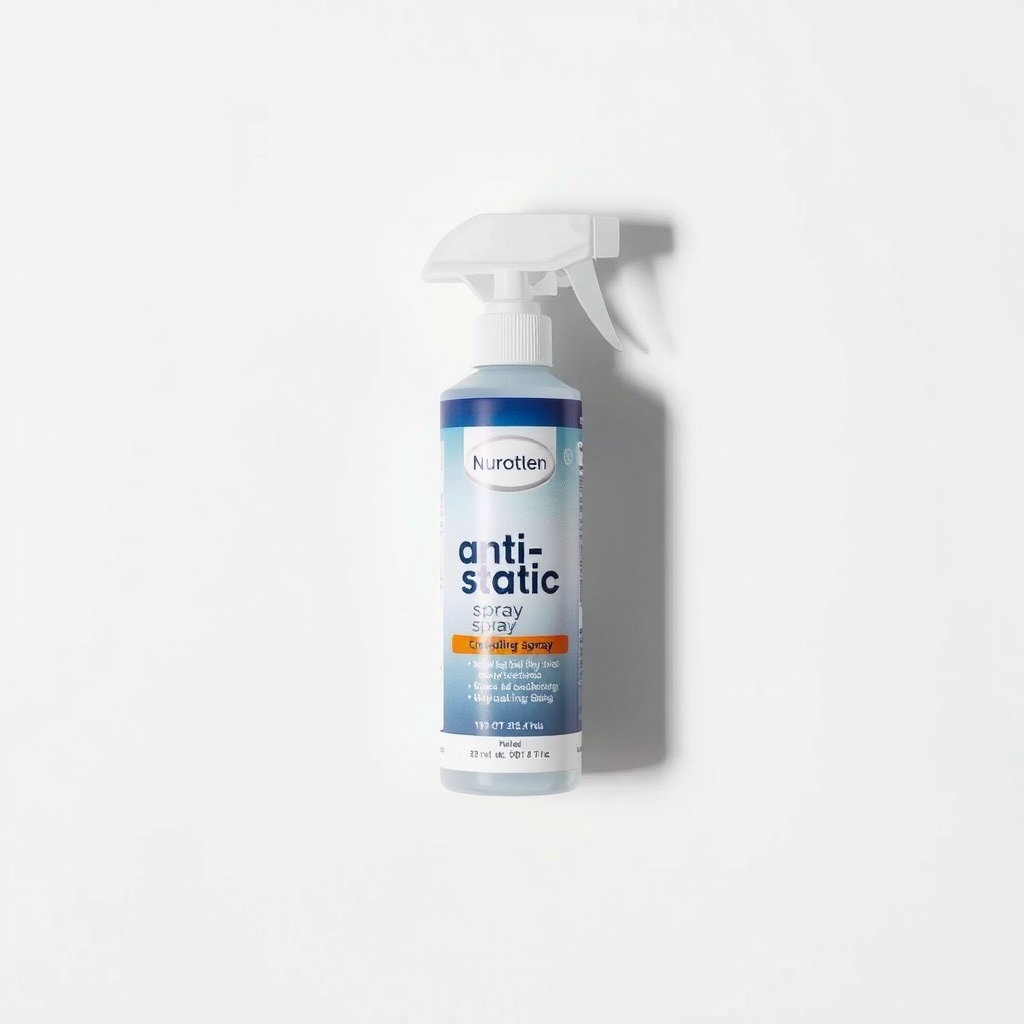
An anti-static spray for carpet, couches and clothes
Humidity treats the cause, but a nylon carpet or a microfiber couch can still crackle. A fabric-safe anti-static spray leaves a thin coating that lets charge drain away, so the zap stops at the source. Use it on the few spots that keep shocking you.
What to get: Anti-static spray for carpet, upholstery and clothing
How long it lasts: Each treatment holds for days to a few weeks, depending on the surface. It is a top-up, and humidity is the lasting fix.
As an Amazon Associate I earn from qualifying purchases.
What you'll need
-
Metal key or coin
Touch it to the doorknob first, so the charge drains painlessly
You have it - Illustration

Hygrometer
Shows the real humidity so you stay between 40 and 50 percent
- Illustration

Wool dryer balls
Help cut static in the dryer without dryer-sheet residue
-
Hand lotion
Moist skin lets charge drain off
You have it - Our pick Illustration
Anti-static spray
For carpet, upholstery and clothes that keep zapping
- Illustration
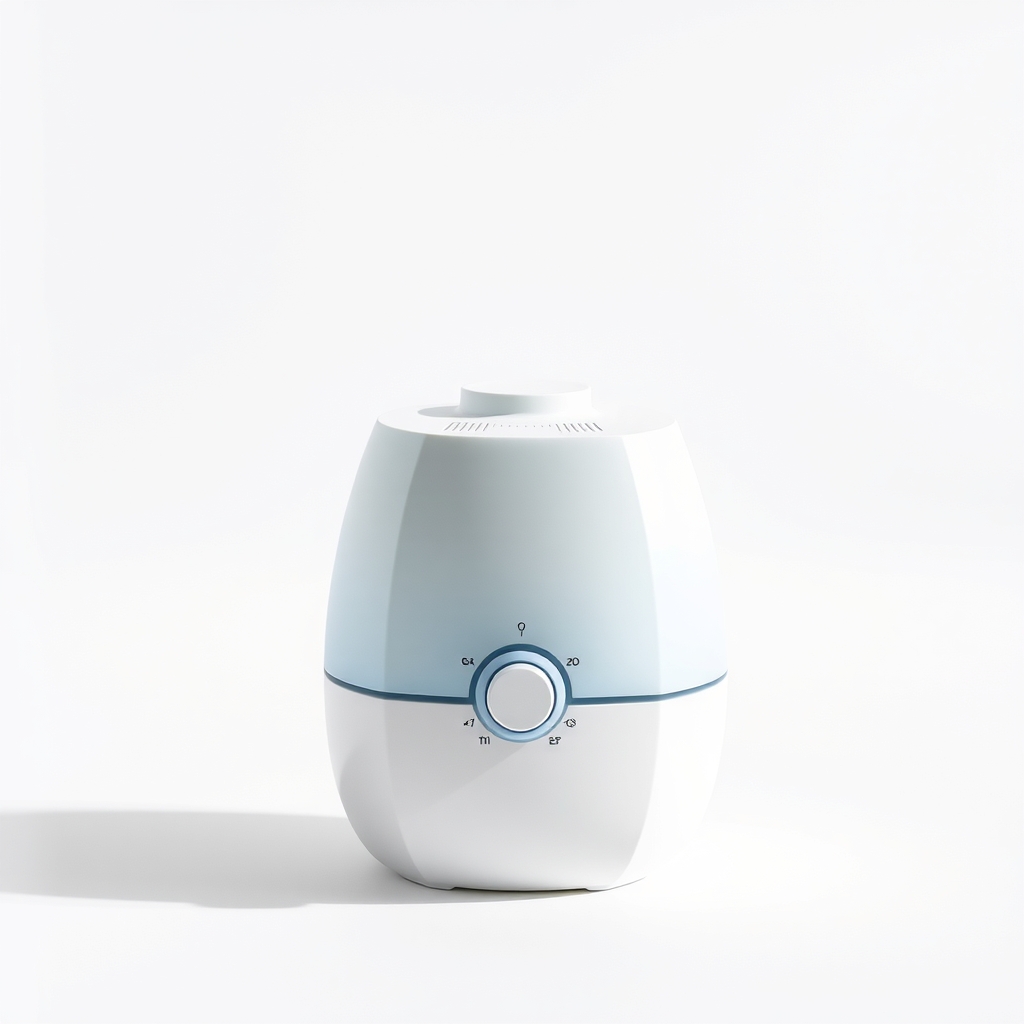
Small humidifier with a humidistat
Holds the humidity level for you in a very dry room
Why it happens
Dry air
Water vapor in the air lets charge leak away. In winter, heated indoor air can fall below 30 percent humidity, and charge stays on you until you touch metal.
Friction between materials
Walking across carpet in socks, sliding off a car seat or pulling a sweater over your head moves electrons between surfaces and builds charge.
Synthetic fabrics
Polyester, nylon and acrylic hold charge more than cotton does. Dryer heat strips their moisture, so clothes cling and crackle.
Dry skin and insulating shoes
Rubber soles keep charge on your body instead of letting it drain to the floor, and dry skin holds more charge than moist skin.
Try this first (free)
Do these in order, starting with the simplest.
-
1. Raise the humidity to 40 to 50 percent
Tool used: HygrometerRun a humidifier in the room where you spend the most time. Check the level with a hygrometer. Above 50 percent can feed mold and dust mites.
IllustrationCheck price on AmazonTool for this step
Hygrometer · Shows the real humidity so you stay between 40 and 50 percent
-
2. Touch metal first
Tool used: Metal key or coinBefore you grab a doorknob or a car door, tap it with a key or coin. The charge drains through the metal without the sting.
-
3. Swap what touches your skin
Choose cotton or linen sheets, cotton socks and natural-fiber layers. Avoid polyester fleece and nylon on very dry days.
-
4. Change how you dry clothes
Tool used: Wool dryer ballsDry synthetics on low, take them out slightly damp and add wool dryer balls. Over-drying is the biggest cause of clingy clothes.
IllustrationCheck price on AmazonTool for this step
Wool dryer balls · Help cut static in the dryer without dryer-sheet residue
-
5. Moisturize and loosen the shoes
Tool used: Hand lotionUse hand lotion after washing, and wear leather or natural-soled shoes, or go barefoot at home, so charge can drain to the floor.
-
6. Spray the stubborn spots
Tool used: Anti-static sprayLightly mist carpet, a couch or clothes from 6 to 8 inches away, then let it dry. Test a hidden patch first, and repeat as the label says.
IllustrationCheck price on AmazonTool for this step
Anti-static spray · For carpet, upholstery and clothes that keep zapping
When free fixes aren't enough
If you keep getting zapped with humidity at 40 percent or higher, look at what you are touching: one carpet, a vinyl or microfiber couch, or a synthetic blanket. An anti-static spray on those surfaces breaks the cycle. In a very dry house, where a bowl of water will not lift the humidity past 30 percent, a humidifier with a built-in humidistat holds the level for you. If an appliance or outlet gives you a real shock, not a small static zap, unplug it. That can be a wiring fault, and an electrician should check it.
Buy the fix
Still stuck after the free fixes? These are the products we would look at.
| Pick | Product | Fixes | Who it's for | Buy |
|---|---|---|---|---|
| Best pick | Anti-static spray for carpet, upholstery and clothing | static cling and zaps from carpet, couches and clothes | Anyone who gets zapped from one carpet, couch or sweater, or fights static cling all winter. | Check price |
| Upgrade pick | Small humidifier with a built-in humidistat | dry air, the root cause of winter static | Dry homes where the humidity stays under 30 percent. | Check price |
Anti-static spray for carpet, upholstery and clothing
Fixes: static cling and zaps from carpet, couches and clothes
Look for: Labeled safe for fabric and carpet, with the surfaces listed; A fine mist that dries without staining; A light scent or none, if anyone in your home is sensitive.
- Who it's for
- Anyone who gets zapped from one carpet, couch or sweater, or fights static cling all winter.
- Honest downside
- You want to use it on silk, leather or wood floors the label does not list. Spray on a slick floor can also make it slippery.
Small humidifier with a built-in humidistat
Fixes: dry air, the root cause of winter static
Look for: A humidistat you can set to 40 to 50 percent; A tank sized for the room; A wide opening that is easy to clean; Auto shut-off when the tank runs dry.
- Who it's for
- Dry homes where the humidity stays under 30 percent.
- Honest downside
- Your humidity is already above 40 percent, or you cannot clean it every few days. Extra moisture can cause mold.
As an Amazon Associate I earn from qualifying purchases. We don't show prices because they change, so use the button to see today's price.
How we picked: How we picked: this page is based on indoor humidity guidance, laundry care advice from fabric makers, and what people report in reviews of anti-static sprays. We do not test products by hand.
What humidity should my house be?
Aim for 40 to 50 percent. Static grows below about 30 percent, and mold and dust mites like it above 50 percent. A cheap hygrometer in the room you use most takes the guesswork out.
Easy wins by room
- Bedroom: cotton sheets and a small humidifier at night.
- Living room: spray the rug and the couch, and keep a key by the door.
- Laundry: wool dryer balls and a low heat setting.
What to skip
Over-humidifying and heavy fabric softener
Do not push humidity past 50 percent to beat static. Damp air feeds mold and dust mites, and it can fog windows. Skip heavy fabric softener on towels and workout clothes too. The residue stops them absorbing water.
Frequently asked questions
How to get rid of static electricity in your house?
Why do I get so much static in winter?
Does a humidifier help with static electricity?
How do I stop static cling on clothes?
Is static electricity dangerous?
Related problems
 Free fix inside
Air & Temperature · Static
Zapped by Every Doorknob? Discharge Static Without the Shock
Read the fix Free fix inside
Air & Temperature · Static
Static Hair in Winter? Anti-Static Fixes That Calm Flyaways
Read the fix Free fix inside
Air & Temperature · Humidifier
Humidifier Making Everything Wet? How to Dial It In
Read the fix Free fix inside
Air & Temperature · Humidifier
Humidifier Too Big for the Room? How to Size It Right
Read the fixAs an Amazon Associate I earn from qualifying purchases. Affiliate disclosure