Static Hair in Winter? Anti-Static Fixes That Calm Flyaways
Winter air and plastic brushes charge your hair so it flies away. Add moisture, change your brush, and calm the static in a minute.
By Jamilur Rahman Updated November 5, 2026 · 6 min read
- Time
- 2 min
- Cost
- Under $20
- Difficulty
- Easy
In this guide
Quick answer
To get rid of static electricity in your hair, add a little moisture and cut down on friction. Smooth damp hands or a pea-size dab of conditioner over the flyaways, and swap your plastic brush for a wooden, boar-bristle or carbon-fiber one. An anti-static hair brush keeps working every morning, so you stop fighting flyaways every time you brush.
Free fix vs. permanent fix
Damp hands, a dab of conditioner and a metal pin
- Mist your palms with water and smooth down the flyaways
- Rub a pea-size dab of conditioner between your hands first
- Slide a metal bobby pin lightly along the hair
- Take hats off slowly and line wool with satin
How long it lasts: Until the next brushing or the next hat. In dry winter air the static can come back within hours.
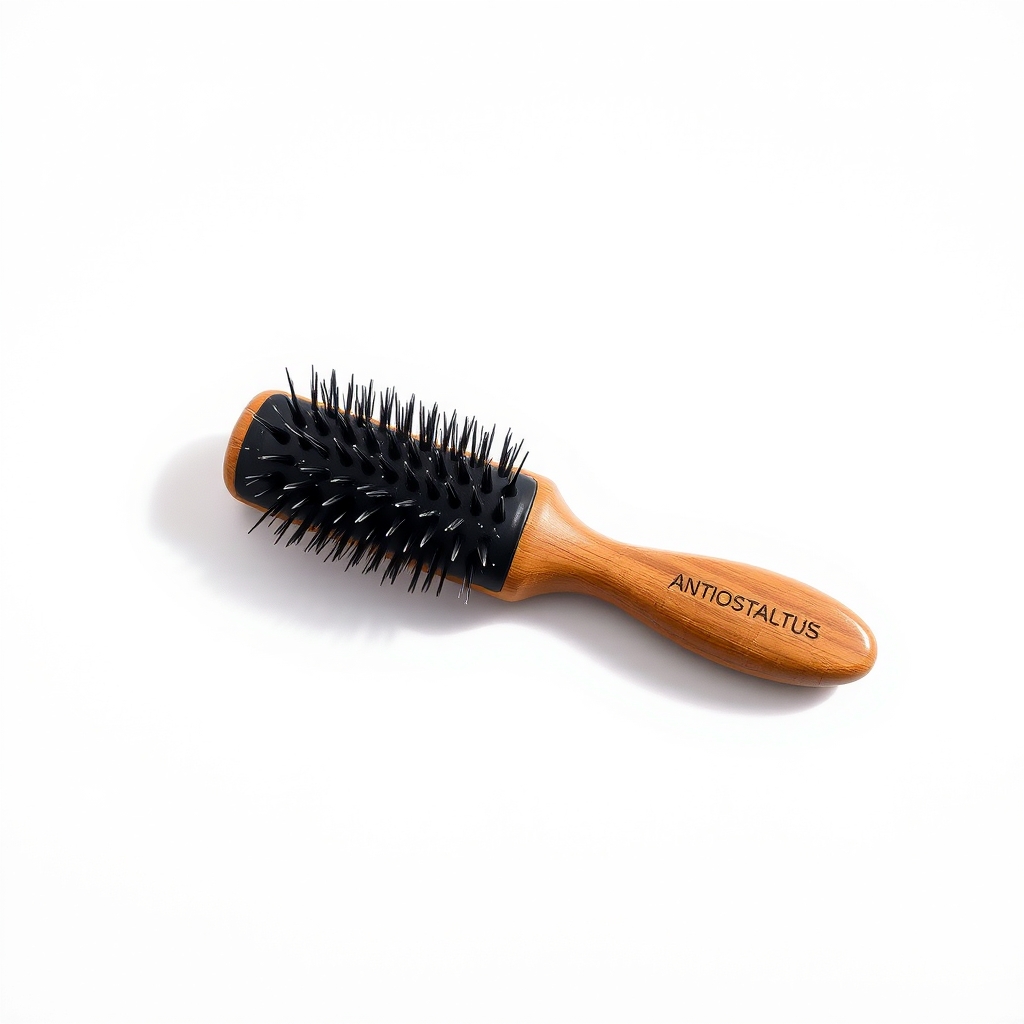
An anti-static hair brush
Plastic bristles build up charge as they drag across dry hair. A brush with wooden, boar or carbon-fiber bristles builds less, so you start each morning with less static. It does not add moisture, so pair it with conditioner.
What to get: Anti-static hair brush
How long it lasts: Years of daily use. It cuts the charge that your brush adds every time you use it.
As an Amazon Associate I earn from qualifying purchases.
What you'll need
-
Water spray bottle
A fine mist on your hands or brush calms charge
You have it -
Conditioner
A pea-size amount through the ends is plenty
You have it -
Metal bobby pins
Metal carries charge away from the hair
You have it - Our pick Illustration
Anti-static hair brush
Replaces a plastic brush that builds charge
- Illustration
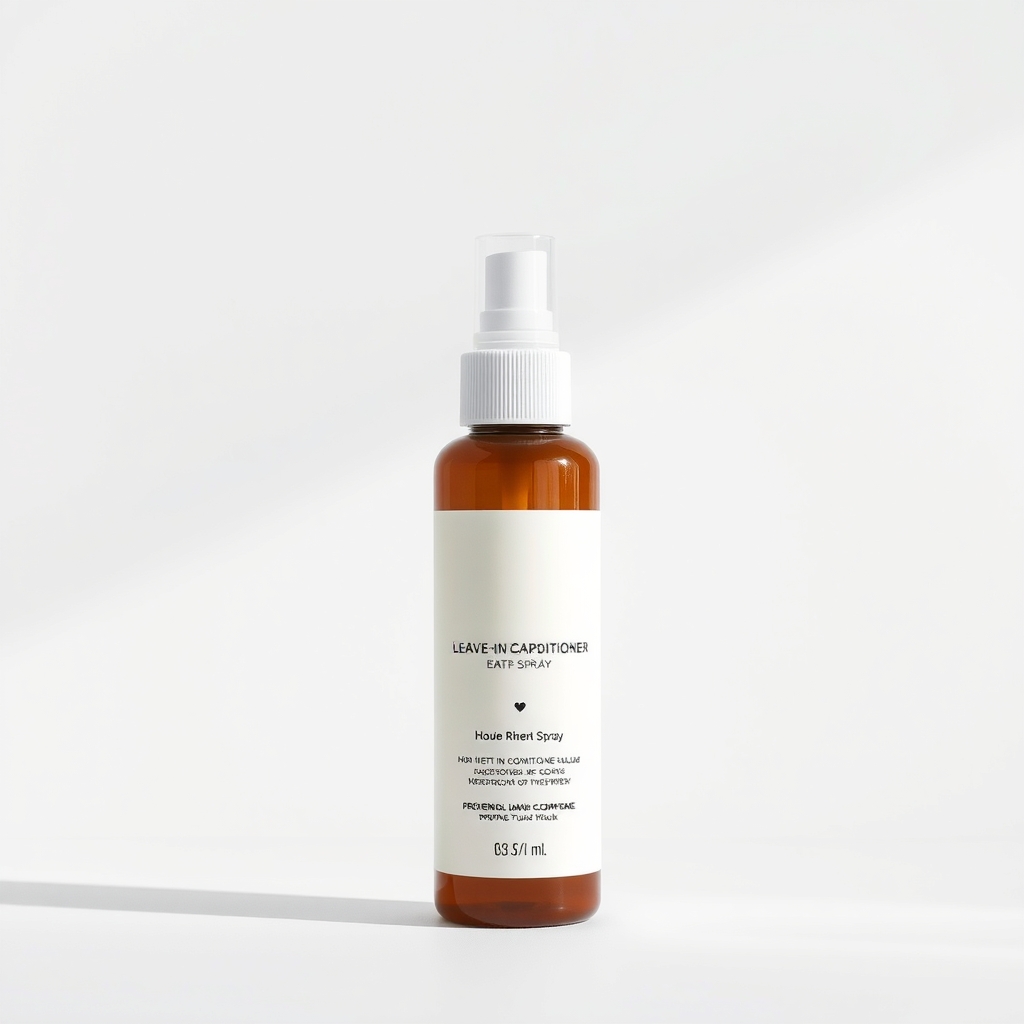
Leave-in conditioner spray
A daily light coat for dry or frizzy hair
Why it happens
Dry winter air
Cold air holds little moisture, and indoor heating dries it further. Dry hair cannot shed electrical charge, so strands pick it up and push each other apart.
Friction from brushes and hats
Plastic combs, wool hats, scarves and synthetic coats rub charge onto your hair. When you pull a hat off, the strands stand up.
Dry or damaged hair
Heat styling, bleaching and frequent shampooing strip the natural oils that help hair hold some moisture. Hair with less moisture holds more charge.
Brushing dry hair too often
Every stroke adds charge. Brushing again and again to smooth flyaways in dry air makes them worse.
Try this first (free)
Do these in order, starting with the simplest.
-
Mist your hands and smooth the flyaways
Tool used: Water spray bottleSpray a light mist on your palms, shake off the excess, and glide your hands over the top and sides of your hair. The moisture lets the charge drain away.
-
Use a pea-size dab of conditioner
Tool used: ConditionerRub a small amount between your palms and smooth it lightly over the surface and ends. Use less than you think. Too much weighs hair down and looks greasy.
-
Run a metal pin or comb along the hair
Tool used: Metal bobby pinsMany people find that sliding a bobby pin or a metal comb lightly along static strands carries off the charge. Keep the contact gentle.
-
Brush less, and with a better brush
Tool used: Anti-static hair brushBrush before you shower when you can, use fewer strokes, and start at the ends. Switch to a wooden, boar-bristle or carbon-fiber brush so each stroke builds less charge.
IllustrationCheck price on AmazonTool for this step
Anti-static hair brush · Replaces a plastic brush that builds charge
-
Handle hats and scarves differently
Take off hats slowly and smooth your hair as you go. Line wool hats with satin, or choose cotton or silk next to your hair.
When free fixes aren't enough
Water and conditioner give a fix that lasts a few hours, and static returns every time you brush in dry air. If you fight it daily from November to March, your brush is what you touch most, so that is where the permanent fix lives. A brush of wood, boar bristle or carbon fiber builds less charge than plastic and costs far less than a salon trip. It will not fix very dry or damaged hair, so use a deeper conditioner once a week. Adding moisture to a dry bedroom helps too.
Buy the fix
Still stuck after the free fixes? These are the products we would look at.
Anti-static hair brush
Fixes: static caused by brushing and friction
Look for: Carbon-fiber, wooden or boar bristles rather than plain plastic; A cushioned base with flexible bristles that glide instead of tug; Bristle spacing that suits your hair thickness.
- Who it's for
- Anyone who brushes daily in winter and sees flyaways right after.
- Honest downside
- Your hair is very curly or coily and you do not brush it dry, or most of your static comes from hats and coats. Then conditioner and a wide-tooth comb do more.
As an Amazon Associate I earn from qualifying purchases. We don't show prices because they change, so use the button to see today's price.
How we picked: How we picked: this page is based on common hair-care and dry-air guidance, and what owners report in reviews of anti-static brushes. We do not test products by hand.
Fabrics that make static worse, and ones that help
Wool, polyester, nylon and acrylic hats and scarves build the most charge against hair. Cotton, silk and satin build less. A satin pillowcase also reduces friction at night, which helps in the morning.
Fix the air, not just the hair
If your hair and your skin are dry in winter, the room is dry too. A small bedroom humidifier and a humidity reader let you aim for 30 to 50 percent. Less static in the air means less in your hair, and a better night's sleep.
What to skip
Heavy oils and lots of hairspray
Heavy oils and a lot of hairspray weigh fine hair down, leave buildup and still do not fix dry air. A light mist of water and a tiny amount of conditioner calms static better.
Frequently asked questions
Why is my hair so static in winter?
Does a dryer sheet get rid of static in hair?
Why does my hair stand up after I take off a hat?
Does a humidifier help with static hair?
Related problems
 Free fix inside
Air & Temperature · Static
How to Get Rid of Static Electricity at Home: 6 Fixes That Work
Read the fix Free fix inside
Air & Temperature · Static
Zapped by Every Doorknob? Discharge Static Without the Shock
Read the fix Free fix inside
Bedroom & Sleep · Blanket
Blanket So Static It Shocks You? 4 Fixes That Stop Sparks
Read the fix Free fix inside
Bedroom & Sleep · Bedroom Humidity
Bedroom Too Dry at Night? Add Moisture Without Wet Walls
Read the fixAs an Amazon Associate I earn from qualifying purchases. Affiliate disclosure