Humidifier Too Big for the Room? How to Size It Right
An oversized humidifier pushes humidity past 50 percent and dampens windows and walls. Turn it down, then use one that shuts off at your target.
By Jamilur Rahman Updated November 5, 2026 · 6 min read
- Time
- 10 min
- Cost
- $50-$150
- Difficulty
- Easy
In this guide
Quick answer
If your humidifier is too big for the room, it adds moisture faster than the room can hold, and humidity climbs past 50 percent, which causes fogged windows, damp walls and mold. Turn it to low, run it for shorter spells and check the room with a hygrometer. A humidifier with a built-in humidistat shuts off at your target, so a unit that is a little too big cannot overshoot.
Free fix vs. permanent fix
Turn it down and measure the room
- Set the mist to low and run it for part of the day
- Place it away from walls, curtains and the bed
- Put a hygrometer across the room to see the real humidity
- Aim for 30 to 50 percent
How long it lasts: Works as long as you watch the readings and adjust. A change in the weather will shift the numbers.
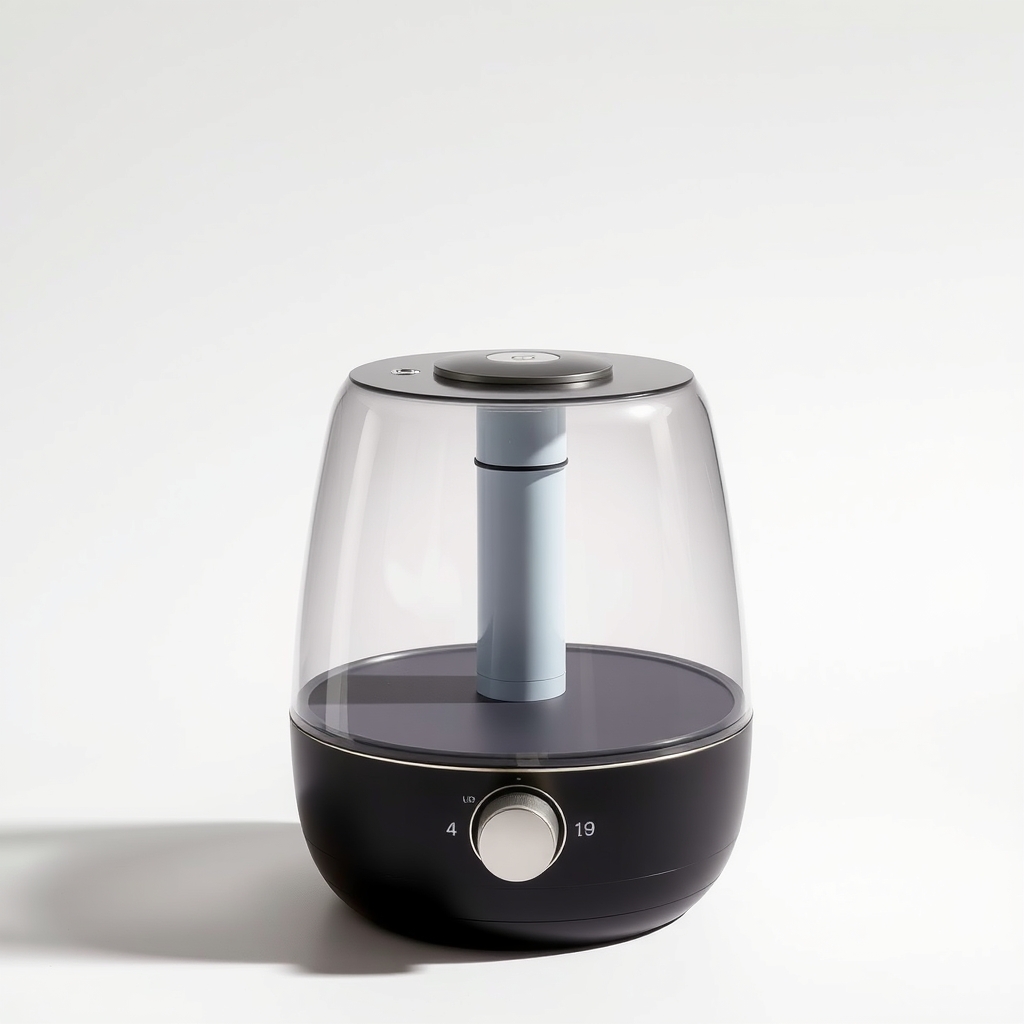
A humidifier with a built-in humidistat
A size mismatch only does damage if the unit keeps running. A humidistat stops it at the level you set, so you do not have to babysit it. Choose one rated for your room size and check it against a separate hygrometer once.
What to get: Humidifier with a built-in humidistat
How long it lasts: All season. It turns off at your target and back on when the air dries out.
As an Amazon Associate I earn from qualifying purchases.
What you'll need
-
Tape measure
Measure the room's length and width to get square feet
You have it - Illustration
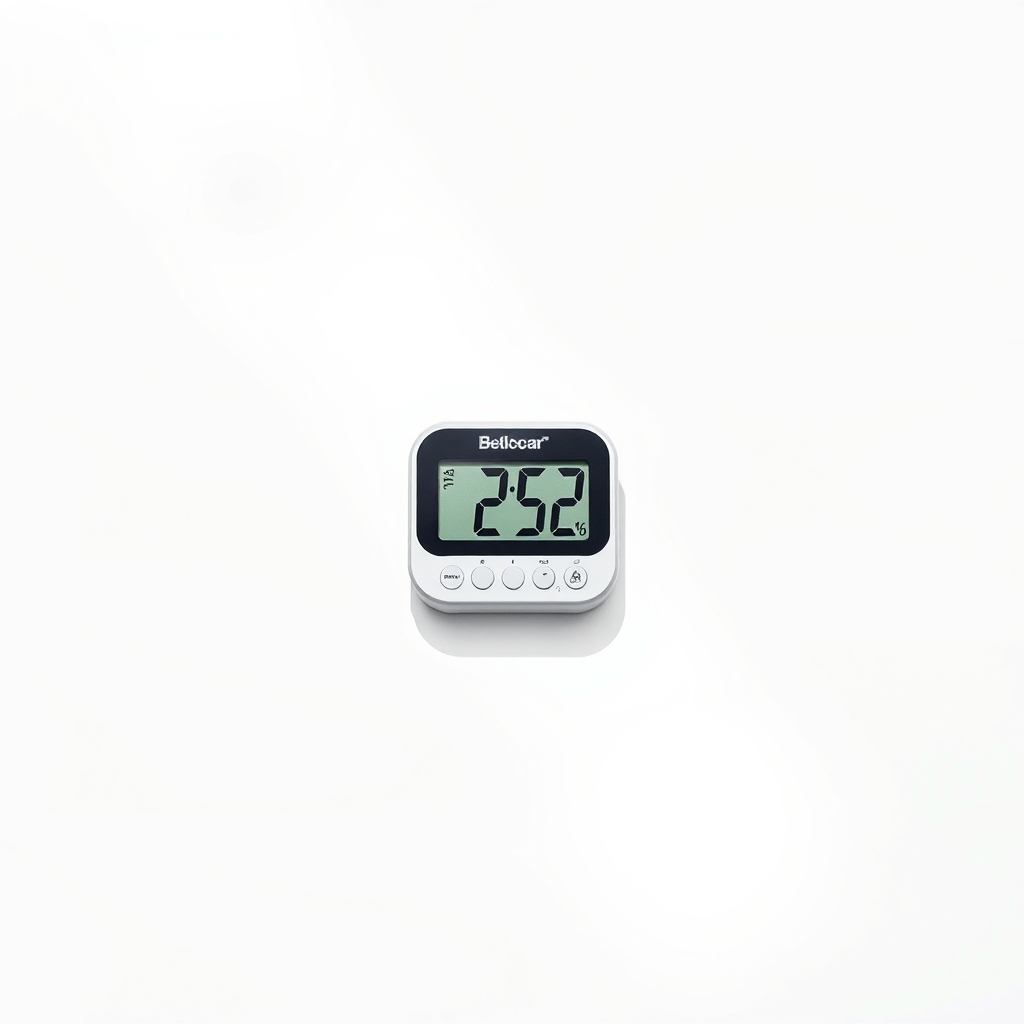
Digital hygrometer
Shows what the humidifier is really doing across the room
- Our pick Illustration
Humidifier with built-in humidistat
Holds the humidity at your target on its own
Why it happens
A unit rated for a bigger room
Humidifiers list the floor area they can handle. A unit rated for 500 square feet in a 120-square-foot bedroom adds far more moisture than the room needs.
Running on high all night
A small room fills with moisture fast. Left on high with the door shut, humidity climbs steadily and keeps climbing.
No humidity control
Basic models run until the tank is empty. With no humidistat, nothing tells the unit to stop.
Cold surfaces that show the problem
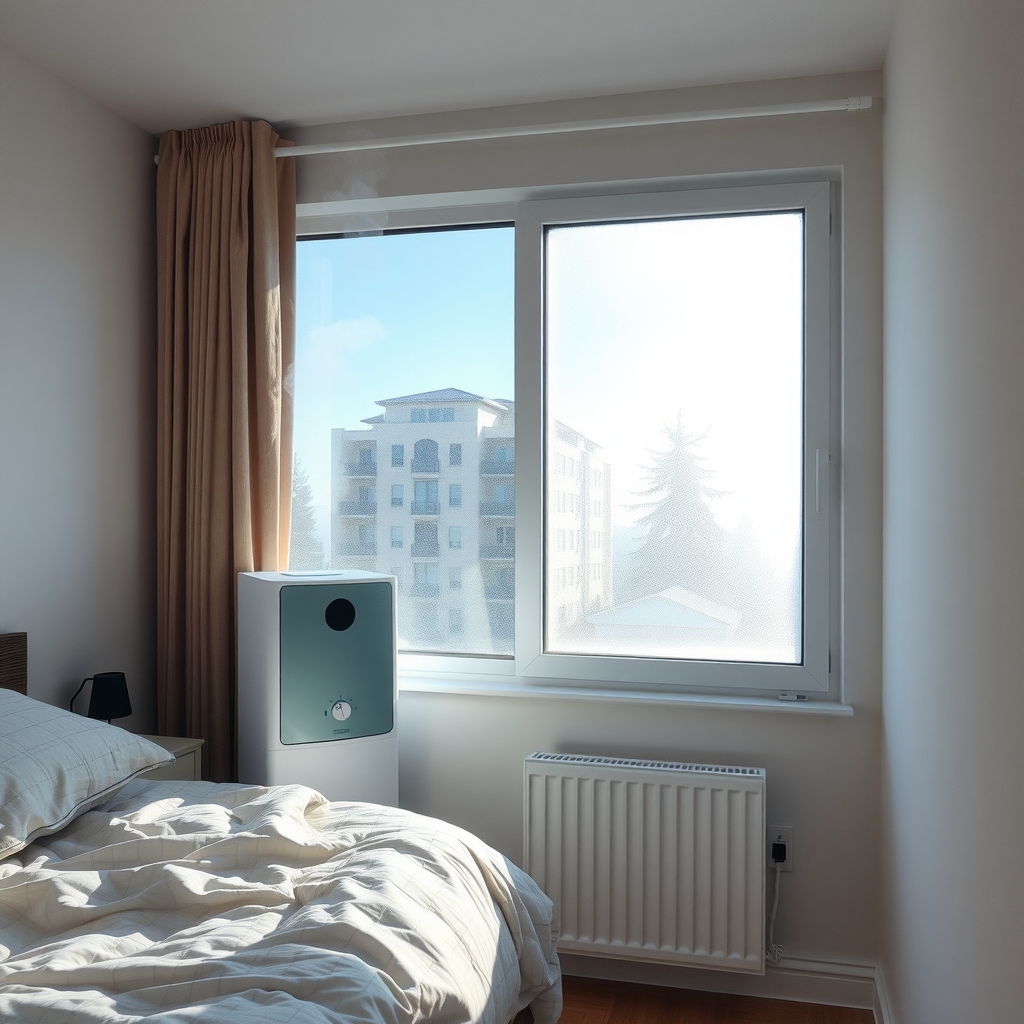
Windows and outside walls are cold, so water vapor turns to water on them. Fog on the glass is the early warning that humidity is too high, especially in cold weather.
Try this first (free)
Do these in order, starting with the simplest.
-
Work out your room's size
Tool used: Tape measureMultiply length by width. A 10-by-12-foot bedroom is 120 square feet. Compare that to the coverage on the humidifier box or listing. A unit far above your number is oversized.
-
Put a hygrometer across the room
Tool used: Digital hygrometerPlace it at about head height, a few feet from the humidifier, not next to it. A reading taken beside the mist runs high.
IllustrationCheck price on AmazonTool for this step
Digital hygrometer · Shows what the humidifier is really doing across the room
-
Turn it to low
Use the lowest mist setting, or a medium setting for a short time. If windows fog, drops form on the sill or the hygrometer passes 50 percent, switch the unit off for the day.
-
Run it for part of the day
Run it for a few hours before bed rather than all night, or use a plug-in timer if the unit has none. Open the door a few inches so the moisture spreads out.
-
Move it
Keep it a few feet from walls, curtains, wood furniture and electronics, on a hard, flat surface. Mist beside a wall leaves damp spots on the paint.
When free fixes aren't enough
If you have to adjust the dial every day, the unit is the wrong size or has no control. A humidifier with a built-in humidistat does that job for you: set 40 percent and it cycles. Its sensor sits near the output and can read high, so compare it with a separate hygrometer for the first week and adjust. If you see mold on sills, walls or the ceiling, stop humidifying. Mold covering more than about 10 square feet needs a professional. If anyone with asthma feels worse while the unit runs, turn it off and ask a doctor.
Buy the fix
Still stuck after the free fixes? These are the products we would look at.
| Pick | Product | Fixes | Who it's for | Buy |
|---|---|---|---|---|
| Best pick | Humidifier with a built-in humidistat | overshooting humidity from a unit that runs nonstop | People who sleep with a humidifier running and do not want to monitor it. | Check price |
| Budget pick | Digital hygrometer | guessing. It shows what your humidifier is really doing | Anyone who already owns a humidifier and wants to use it safely. | Check price |
Humidifier with a built-in humidistat
Fixes: overshooting humidity from a unit that runs nonstop
Look for: An adjustable humidity target, not just high and low; A coverage rating close to your room's square footage, not far above it; Auto shut-off when the tank is empty; A tank with a wide opening that is easy to clean.
- Who it's for
- People who sleep with a humidifier running and do not want to monitor it.
- Honest downside
- Your room already sits at 40 to 50 percent most of the time, so you may not need one. Skip it too if you will not clean it weekly.
Digital hygrometer
Fixes: guessing. It shows what your humidifier is really doing
Look for: Percent humidity shown in small steps; A display that updates every few minutes; Small enough to move around the room.
- Who it's for
- Anyone who already owns a humidifier and wants to use it safely.
- Honest downside
- You already have a weather station or smart thermostat that reads humidity.
As an Amazon Associate I earn from qualifying purchases. We don't show prices because they change, so use the button to see today's price.
How we picked: How we picked: this page is based on indoor humidity guidance from public health agencies, humidifier maker manuals and coverage ratings, and what owners report in reviews of humidifiers with built-in humidistats. We do not test products by hand.
How to size a humidifier by room
- Up to about 300 square feet (bedroom, small office): a tabletop unit.
- About 300 to 500 square feet (large bedroom, living room): a mid-size unit.
- Over 500 square feet or open plans: a console unit, or two smaller ones.
These bands are rough. Coverage numbers come from the maker, so check the listing. High ceilings and open doorways call for more capacity, and a small closed room calls for less.
What to skip
Running it on high and ignoring the windows
More mist is not better. Fogged windows, damp paint and a musty smell mean humidity is too high. Skip the idea that bigger is better when you shop, too. A unit far above your room size is the cause of this problem.
Frequently asked questions
What size humidifier do I need for my room?
What should my room's humidity be?
Is it bad to run a humidifier all night?
How do I know if my humidifier is making the room too humid?
Does a bigger humidifier work better?
Related problems
 Free fix inside
Air & Temperature · Humidifier
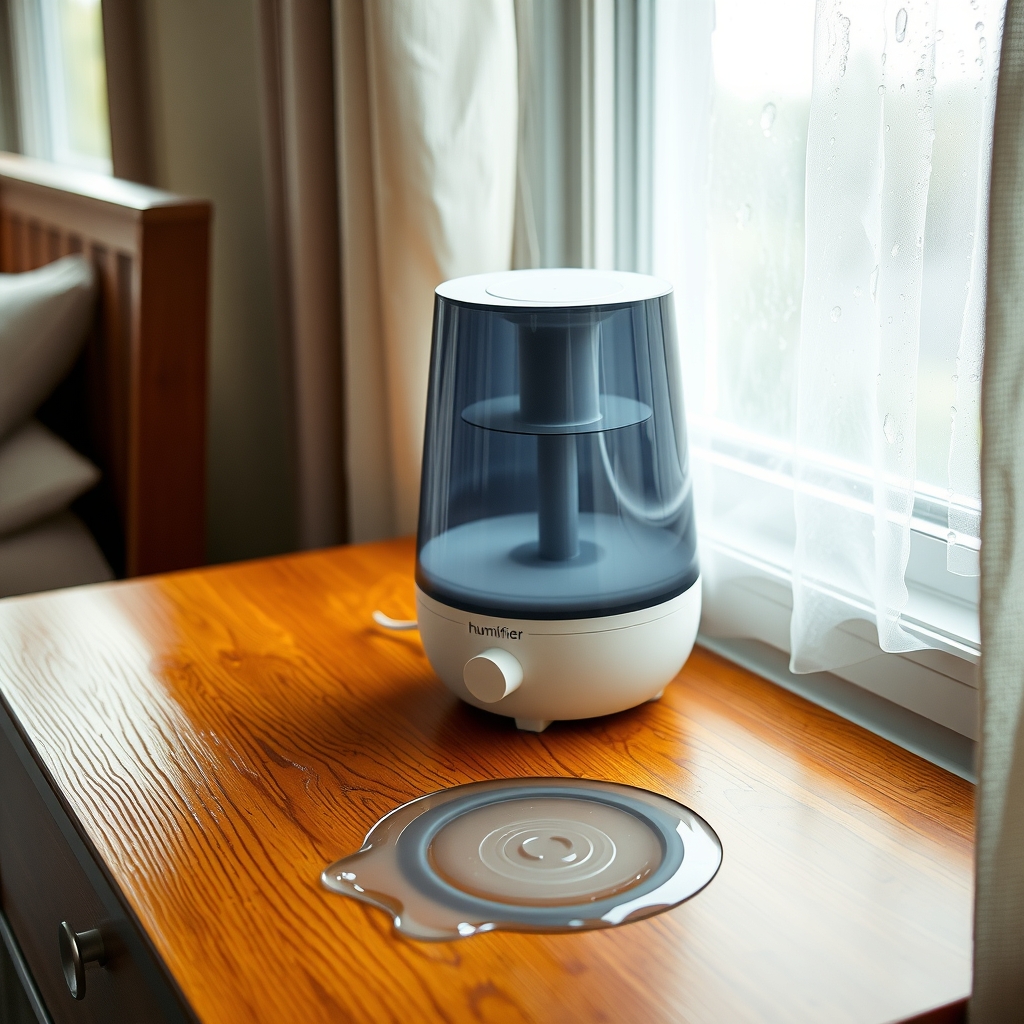
Humidifier Making Everything Wet? How to Dial It In
Read the fix Free fix inside
Air & Temperature · Humidifier
Noisy Humidifier? Quiet It Down or Pick a Quieter One
Read the fix Free fix inside
Air & Temperature · Humidifier Leak
Humidifier Leaking? Check the Tank Cap and Gasket First
Read the fix Free fix inside
Air & Temperature · Humidifier
Humidifier Not Producing Mist? 5 Quick Fixes Before You Toss It
Read the fixAs an Amazon Associate I earn from qualifying purchases. Affiliate disclosure