Dehumidifier Too Loud? Quieter Options and Placement Tricks
Most of the racket is vibration, a clogged filter or a bad spot. Fix those first, then see what a quieter dehumidifier should offer.
By Jamilur Rahman Updated November 5, 2026 · 7 min read
- Time
- 20 min
- Cost
- $150+
- Difficulty
- Easy
In this guide
Quick answer
A dehumidifier too loud for the room usually has a fixable cause: vibration through the floor, a clogged filter, a tilted unit, or hard surfaces that amplify the hum. Level it, put it on a rubber mat, clean the filter and move it away from where you sleep. If it is still too loud, a quieter model with a low-noise setting is the fix that lasts.
Free fix vs. permanent fix
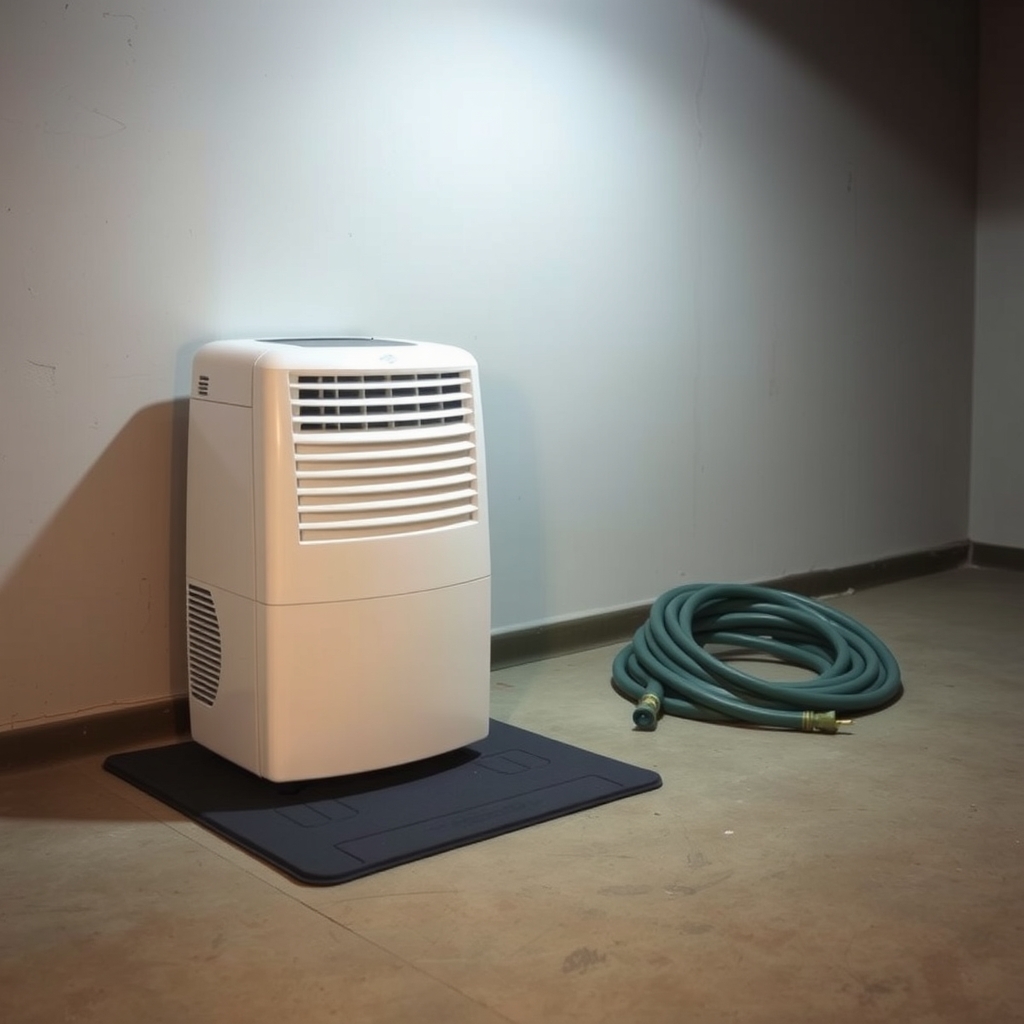
Level it, cushion it, clean it, move it
- Unplug it and clean the filter and vents
- Level the unit and seat the bucket firmly
- Stand it on a rubber mat on a solid floor, clear of walls
- Use a drain hose and run it when you are not in the room
How long it lasts: Cuts vibration and rattles for good. It cannot make the compressor and fan itself any quieter.
A quiet compressor dehumidifier
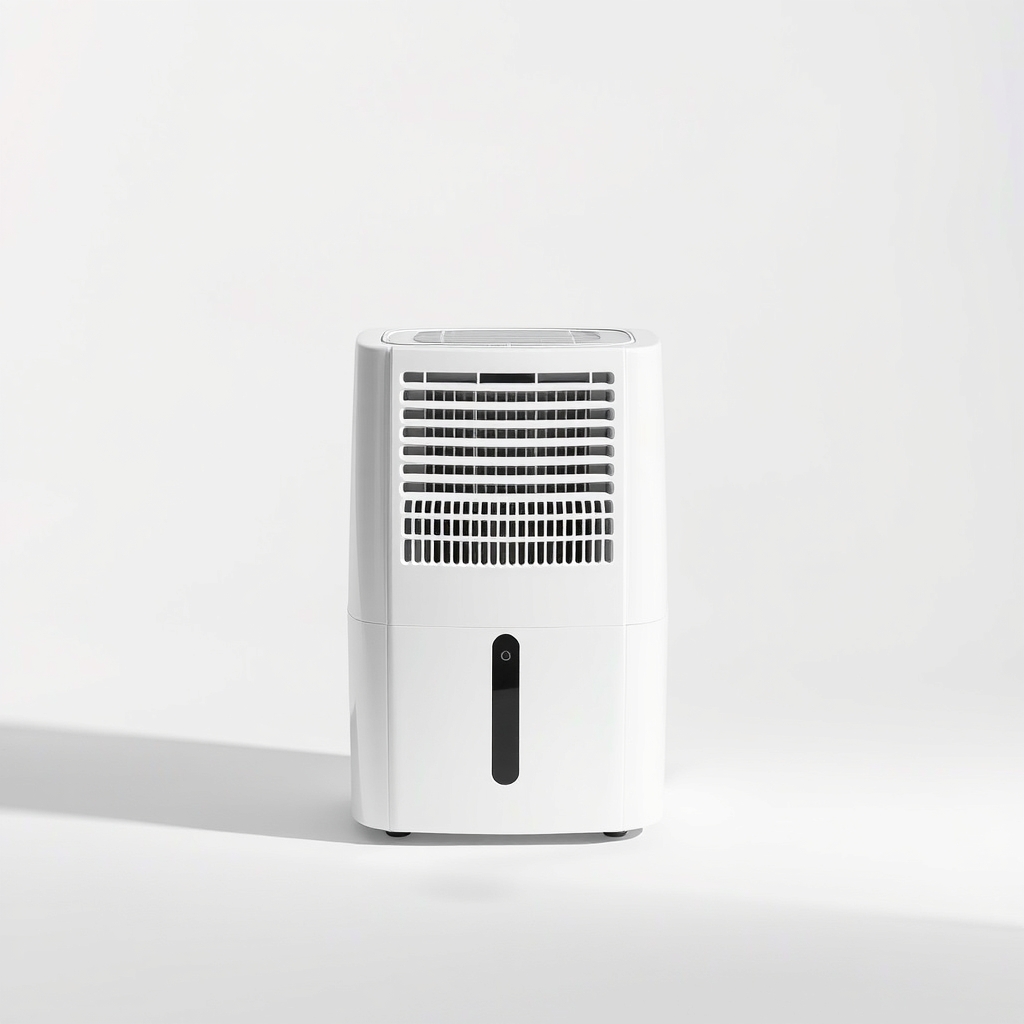
If the compressor and fan are the noise, no mat will fix it. A model with a published low noise rating, a sleep or low-fan mode and a capacity that fits the room runs quieter and cycles off sooner. A unit that is too small runs nonstop, so it is loud for longer.
What to get: Quiet compressor dehumidifier with a low-noise mode
How long it lasts: Years. The noise level is built in.
As an Amazon Associate I earn from qualifying purchases.
What you'll need
-
Level or phone level app
A tilted unit rattles and hums louder
You have it -
Soft brush or vacuum
For the filter and vents
You have it -
Garden hose
Lets the unit drain without a noisy bucket
You have it - Illustration
Rubber anti-vibration mat
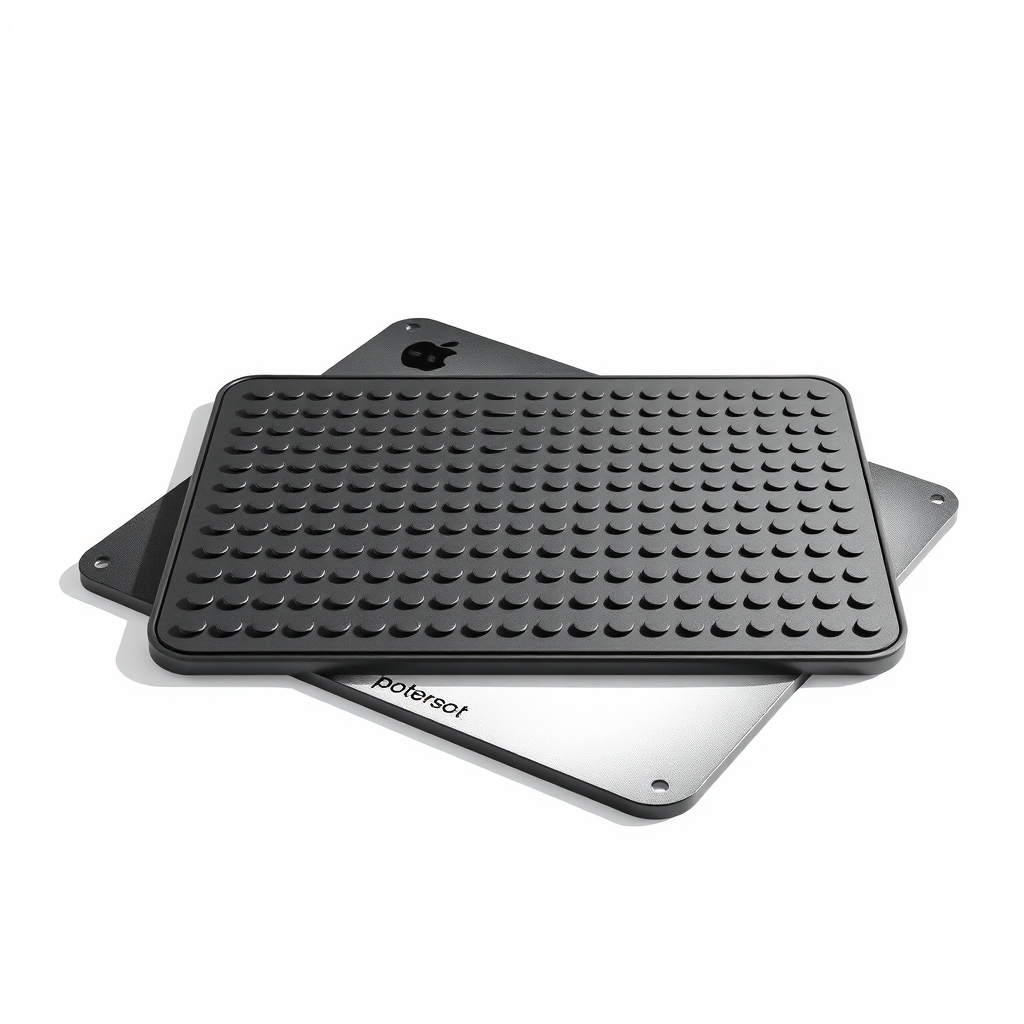
Stops the hum traveling through the floor
- Our pick Illustration
Quiet dehumidifier
For when the unit itself is the noise
Why it happens
Vibration through the floor
The compressor shakes slightly. On a thin, hollow or uneven floor, that turns into a loud hum. This is the most common cause.
A clogged filter
A dusty filter makes the fan work harder, and you hear it as whining or a higher pitch.
A tilted unit or loose parts
A dehumidifier that is not level, or a bucket that is not fully seated, rattles. A loose handle or panel can buzz.
A cold room
Compressor units struggle in cold rooms, and frost can form on the coils, which changes the sound and cuts performance.
A unit too small for the space
A model that is too small runs without stopping. Hard floors and bare walls then bounce the sound around.
Try this first (free)
Do these in order, starting with the simplest.
-
Unplug it and clean the filter
Tool used: Soft brush or vacuumSlide out the filter, rinse it in warm water and let it dry. Vacuum or brush the air vents gently. Never run the unit without its filter.
-
Level the unit and seat the bucket
Tool used: Level or phone level appSet a level on top. Shim the low side or move it to a flatter spot. Push the bucket all the way in until it clicks.
-
Put it on a rubber mat, clear of the walls
Tool used: Rubber anti-vibration matStand it on a firm floor, ideally concrete, with a dense rubber mat under it. Leave the clearance your manual lists around the vents, often several inches.
IllustrationCheck price on AmazonTool for this step
Rubber anti-vibration mat · Stops the hum traveling through the floor
-
Switch to a drain hose
Tool used: Garden hoseIf your model has a hose outlet, run a hose to a floor drain or a sink. The bucket stops filling and shutting the unit off, and you hear fewer clunks.
-
Run it when you are not in the room
Use a timer or run it during the day with the door closed. Drop to the lowest fan speed at night if your humidity allows.
-
Check the room temperature and size
If the room is cold or the unit is too small, it runs without a break. Match the unit to the room's size and dampness.
When free fixes aren't enough
If the unit is still loud after cleaning, leveling and a mat, the noise comes from the compressor or fan. Many models list roughly 45 to 55 dB on low, so one that publishes its number lets you compare. A quieter model with a sleep mode, hose drain and the right capacity runs at lower speed and cycles off sooner. If you hear grinding or squealing, smell burning, or the breaker trips, unplug it and stop using it. Check the warranty first, then have it serviced or replaced.
Buy the fix
Still stuck after the free fixes? These are the products we would look at.
| Pick | Product | Fixes | Who it's for | Buy |
|---|---|---|---|---|
| Best pick | Quiet compressor dehumidifier with a low-noise mode | loud compressor and fan noise from an underpowered or basic unit | Owners who have tried placement and filter fixes and still cannot sleep or work near the unit. | Check price |
| Budget pick | Rubber anti-vibration mat | hum and buzz carried through the floor | Owners whose unit is fine but the floor or room amplifies the sound. | Check price |
Quiet compressor dehumidifier with a low-noise mode
Fixes: loud compressor and fan noise from an underpowered or basic unit
Look for: A noise level listed by the maker, ideally in the low 50s dB or lower on the lowest speed; A capacity rating that fits your room's size and dampness; A sleep or quiet mode and a humidistat that shuts it off at your target; A hose outlet so you can skip the bucket.
- Who it's for
- Owners who have tried placement and filter fixes and still cannot sleep or work near the unit.
- Honest downside
- The noise is rattling, grinding or squealing. That is often a loose part or a failing fan, so check it or use the warranty first.
Rubber anti-vibration mat
Fixes: hum and buzz carried through the floor
Look for: Dense rubber or similar that holds the weight of a full unit; A non-slip surface so the unit stays put; Large enough that every foot or caster sits on it.
- Who it's for
- Owners whose unit is fine but the floor or room amplifies the sound.
- Honest downside
- The unit already sits on solid concrete and the noise comes from inside the machine.
As an Amazon Associate I earn from qualifying purchases. We don't show prices because they change, so use the button to see today's price.
How we picked: How we picked: this page is based on dehumidifier owner manuals, indoor humidity guidance from health agencies, and what owners report in reviews about noise. We do not test products by hand.
What to look for in a quieter dehumidifier
- A published noise level on the lowest fan speed. Lower is quieter.
- The right capacity, so it does not run flat out all day.
- A humidistat that shuts it off when the air is dry enough.
- A hose outlet that keeps the bucket from filling and clunking.
- A low-temperature rating if the room is cold.
Compressor, thermoelectric or desiccant: which is quietest?
Compressor units suit most basements and bedrooms, and they have the widest range of noise ratings. Thermoelectric units are very quiet but small. Desiccant models work in cold rooms but still have a fan, so check the listed noise level rather than assuming.
What to skip
Stuffing foam around the vents or boxing it in
Blocking the vents or covering the unit to muffle it starves the fan of air and can overheat the compressor. Keep the clearance the manual asks for. Quiet it with a mat, a better spot and a hose.
Frequently asked questions
How to stop dehumidifier from vibrating?
How loud is a dehumidifier supposed to be?
Why is my dehumidifier louder than it used to be?
Is it OK to run a dehumidifier in the bedroom?
Are small dehumidifiers quieter?
Related problems
 Free fix inside
Air & Temperature · Dehumidifier
Dehumidifier to Prevent Mold: Size and Settings That Matter
Read the fix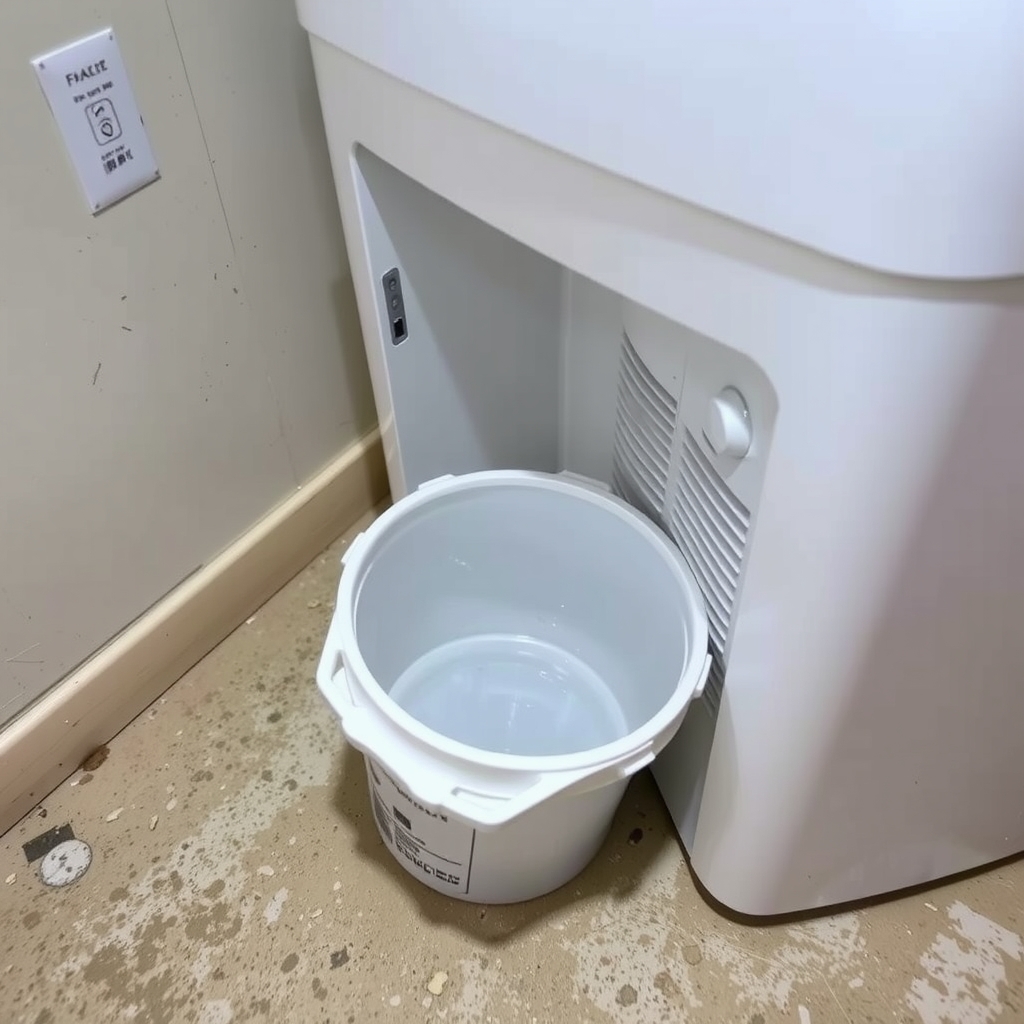 Free fix inside
Air & Temperature · Dehumidifier
Dehumidifier Not Collecting Water? 5 Checks Before You Return It
Read the fix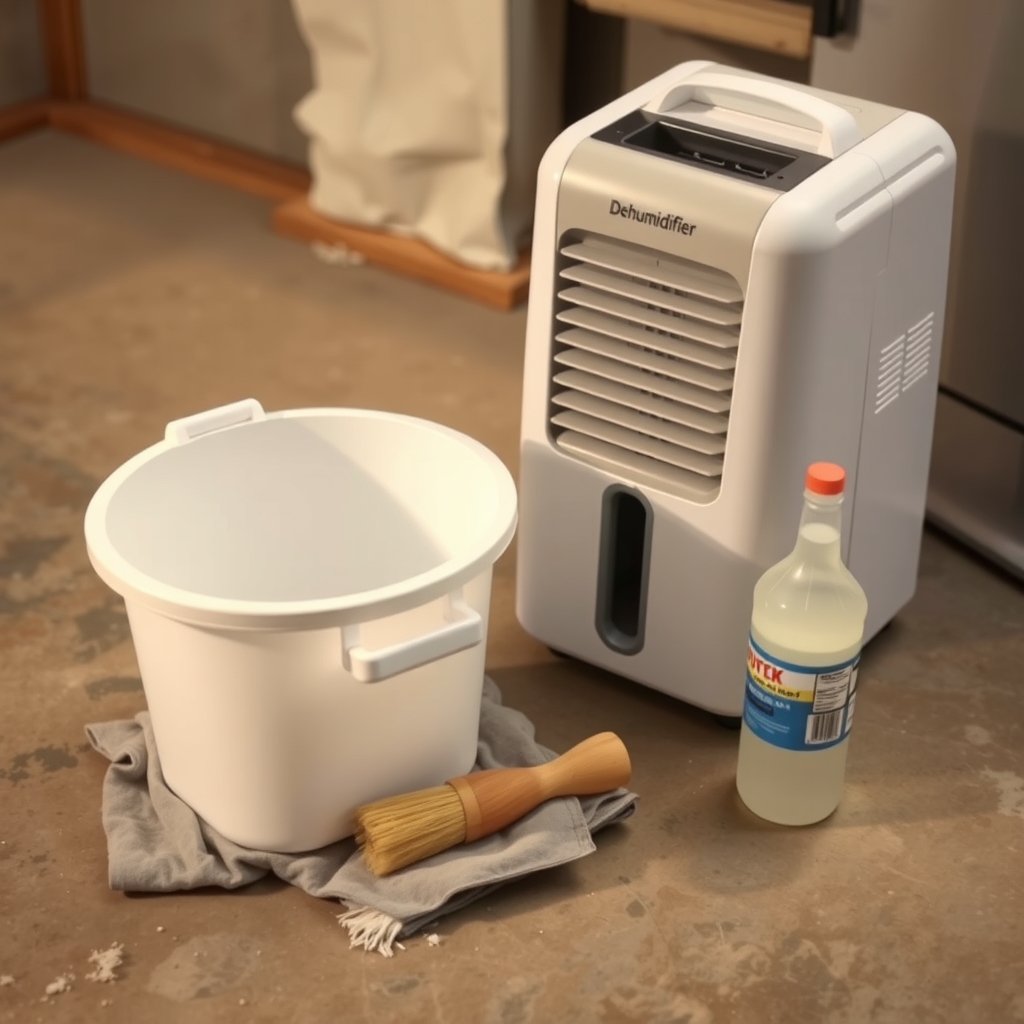 Free fix inside
Air & Temperature · Dehumidifier
Dehumidifier Smells Musty? Clean the Bucket, Coils, and Filter
Read the fix Free fix inside
Air & Temperature · Basement
Basement So Humid? Pick the Right Size Dehumidifier
Read the fixAs an Amazon Associate I earn from qualifying purchases. Affiliate disclosure