Dehumidifier Not Collecting Water? 5 Checks Before You Return It
A dehumidifier with an empty bucket may just have dry air to work with, or a cold room, a hose or dirty coils. Run five checks, then measure the room.
By Jamilur Rahman Updated November 5, 2026 · 7 min read
- Time
- 25 min
- Cost
- Under $20
- Difficulty
- Easy
In this guide
Quick answer
A dehumidifier not collecting water usually comes down to five things: the air is already dry, the room is too cool, the bucket or float is not seated, a hose is draining the water away, or the filter and coils are clogged. Run the five checks below before you return it. A small digital hygrometer shows whether the room is truly dry or the machine is failing, so you stop guessing.
Free fix vs. permanent fix
Run the five checks
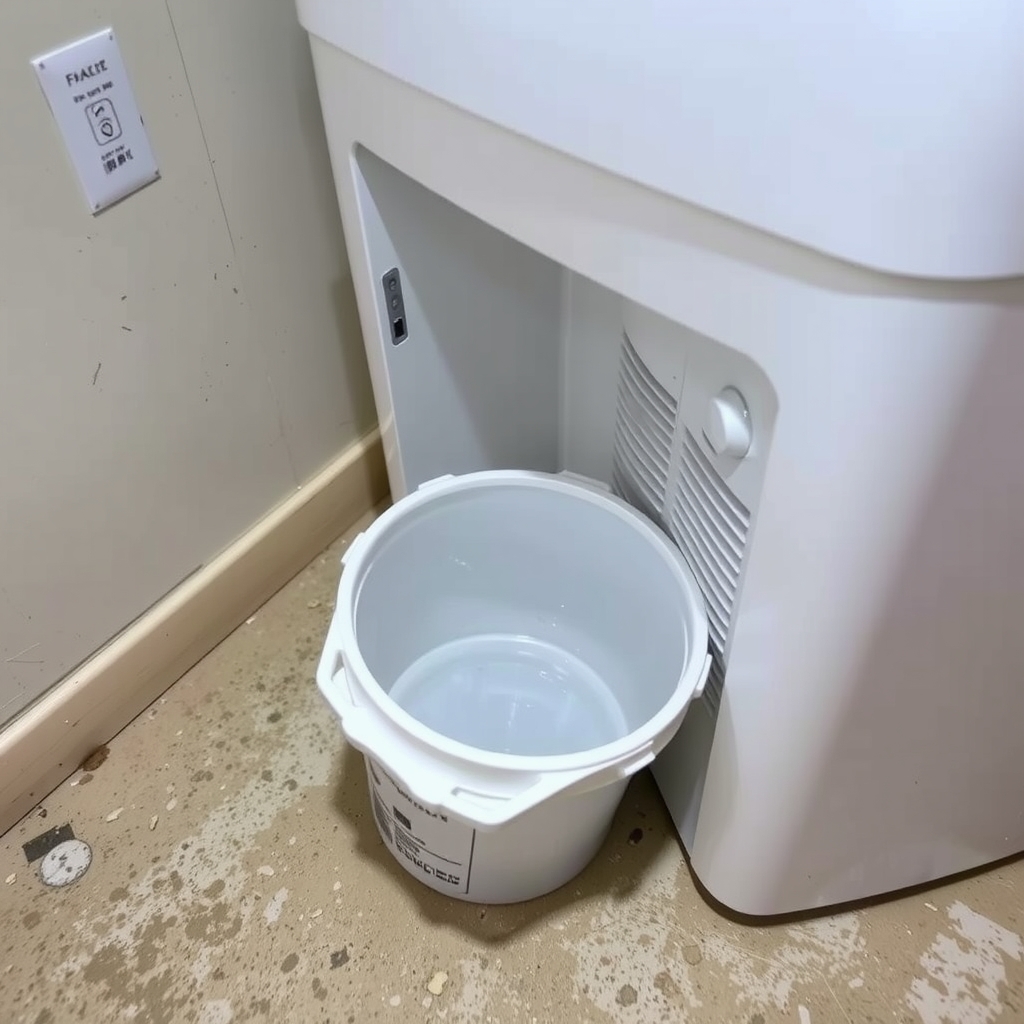
- Check the bucket is seated and the float is not stuck
- Look for a drain hose sending the water elsewhere
- Warm the room above about 65 degrees F if you can
- Wash the filter and brush the coils
How long it lasts: Fixes most cases right away. If the air was already dry, there is nothing to fix and the empty bucket is normal.
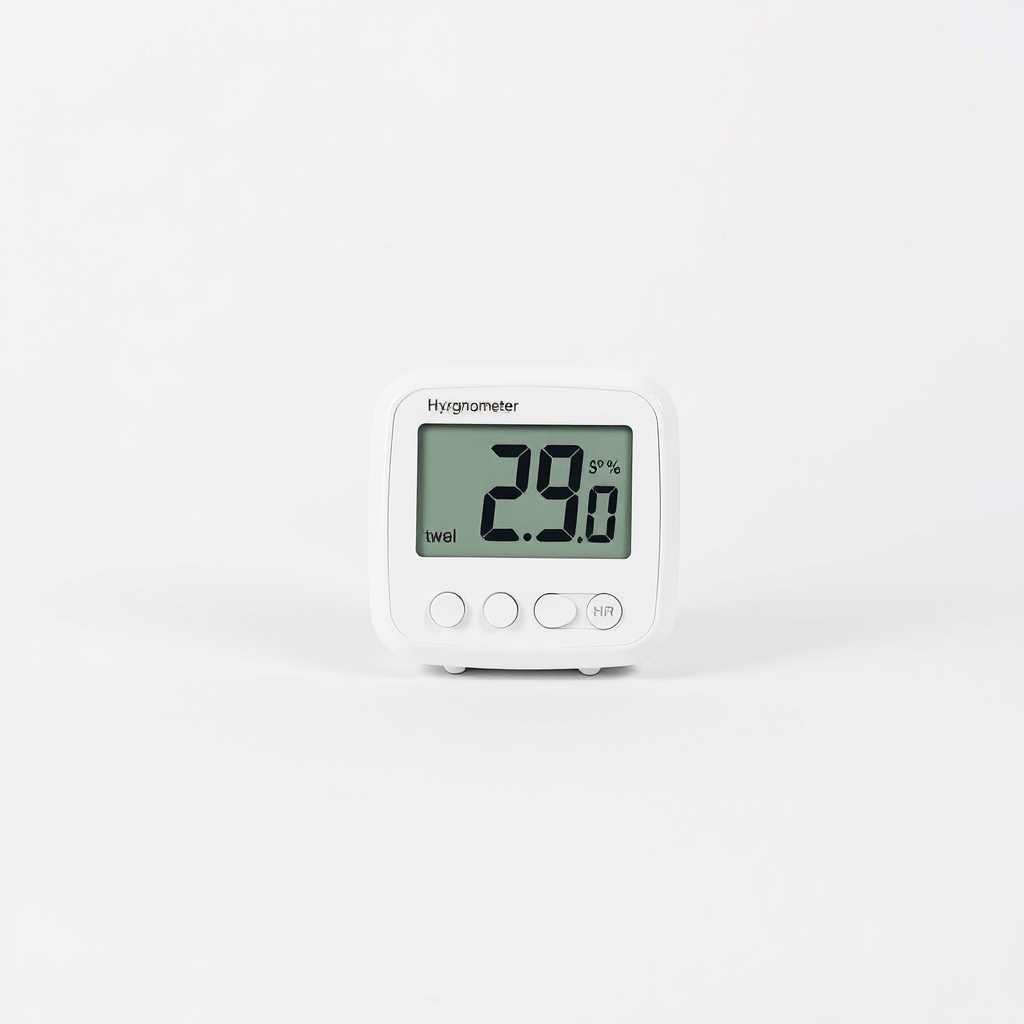
A digital hygrometer
The dial on many dehumidifiers is only a rough guide and can read well off. A separate hygrometer tells you whether the air is above 50 percent, so you know if the machine should be collecting water. It will not repair a broken unit, but it ends the 'is it working?' question.
What to get: Digital hygrometer (room humidity monitor)
How long it lasts: Years on a small battery. It shows the room humidity at a glance, every day.
As an Amazon Associate I earn from qualifying purchases.
What you'll need
-
Soft brush or vacuum brush attachment
For the filter and the coils
You have it -
Dish soap and warm water
To wash the filter
You have it - Our pick Illustration
Digital hygrometer
A real humidity reading in a few minutes
- Illustration
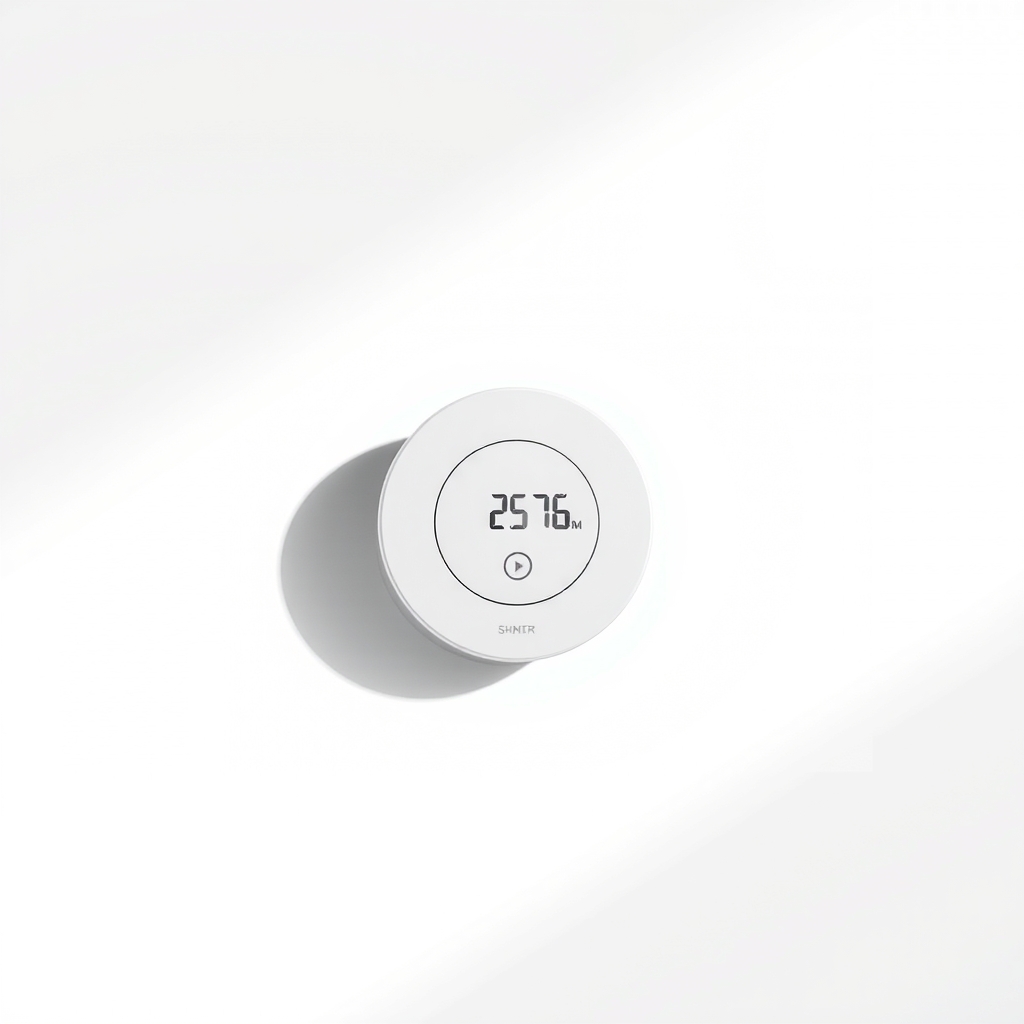
Smart humidity sensor with phone alerts
For a basement you do not visit often
Why it happens
The air is already dry
A dehumidifier only collects water when there is moisture to pull out. If the room is at or below your target, often 45 to 50 percent, the unit may idle and the bucket stays empty. That means it is working.
The room is too cool
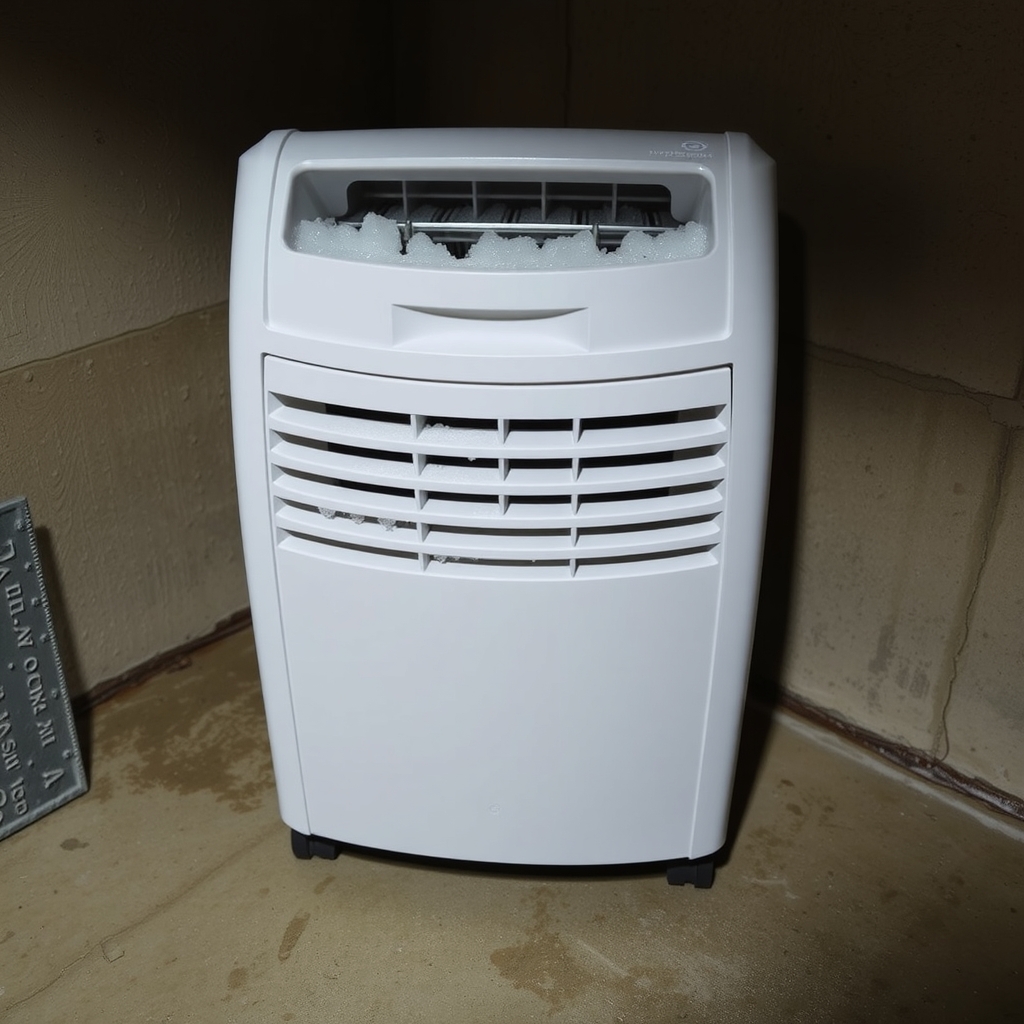
Most compressor dehumidifiers work best above about 65 degrees F. In a cold basement the coils can frost over and the unit pulls very little water. Many manuals list a minimum temperature, so check yours.
The bucket, float or hose
If the bucket is not fully seated or the float switch is stuck, the machine can shut off. If a drain hose is attached, the water leaves through the hose and the bucket stays empty by design.
A clogged filter and dirty coils
Dust blocks the airflow over the cold coils, so less water condenses. The unit then runs longer and collects less.
A failed sealed system
If the fan runs, the air coming out is not cooler and no water appears after a full day in humid air, the compressor or refrigerant circuit may have failed. That is when a return or a warranty claim makes sense.
Try this first (free)
Do these in order, starting with the simplest.
-
Measure the room's humidity first
Tool used: Digital hygrometerPut a hygrometer on a shelf away from the dehumidifier and wait 15 minutes. At 50 percent or below the room is dry, and an empty bucket is normal. Above 60 percent with an empty bucket after a full day points to a problem.
IllustrationCheck price on AmazonTool for this step
Digital hygrometer · A real humidity reading in a few minutes
-
Check the bucket, float and hose
Pull the bucket out and push it fully back until it clicks. Check that the float moves freely and the bucket-full light is off. If a hose is attached, look at where it ends. The water may be going down a floor drain.
-
Check the room temperature
Compressor models lose efficiency below about 65 degrees F, and many manuals say not to run them below 41 degrees F. Move the unit to a warmer part of the house. If you see frost on the coils, unplug it and let it melt fully.
-
Clean the filter and the coils
Tool used: Soft brush or vacuum brush attachmentUnplug the unit. Wash the filter in warm, soapy water, rinse it and let it dry fully. Gently brush or vacuum the coils, because bent fins can block airflow.
-
Fix the settings and airflow
Set the target to 45 to 50 percent rather than 30. Leave open space around the unit, as the manual says. Close doors and windows and run it for 24 hours before you judge it.
When free fixes aren't enough
If the room still reads above 60 percent after a full day, the filter and coils are clean and the room is warmer than 65 degrees F, the fault is likely inside: a failed compressor, a leaking refrigerant line or a bad humidity sensor. Those repairs often cost more than the unit is worth, so use the return window or the warranty. If your room is simply too cold, a desiccant-style dehumidifier handles low temperatures better, so keep that in mind when you shop for a replacement. A hygrometer will not fix a broken unit, but it gives you a clear record of what the room did before and after.
Buy the fix
Still stuck after the free fixes? These are the products we would look at.
| Pick | Product | Fixes | Who it's for | Buy |
|---|---|---|---|---|
| Best pick | Digital hygrometer (room humidity monitor) | not knowing whether the room is dry or the dehumidifier is failing | Anyone with a dehumidifier in a basement, bedroom, closet or laundry room. | Check price |
| Upgrade pick | Smart humidity sensor with phone alerts | finding out too late that a basement is damp again | People with a damp basement or crawlspace that they do not visit every day. | Check price |
Digital hygrometer (room humidity monitor)
Fixes: not knowing whether the room is dry or the dehumidifier is failing
Look for: A clear readout of humidity in whole percent; Temperature on the same screen, so you can check the 65 degree rule; Min and max memory to see the overnight swing; Battery powered, with no setup.
- Who it's for
- Anyone with a dehumidifier in a basement, bedroom, closet or laundry room.
- Honest downside
- A smart thermostat already reports the humidity in the room where the dehumidifier runs.
Smart humidity sensor with phone alerts
Fixes: finding out too late that a basement is damp again
Look for: An alert when humidity passes a number you set; A history graph so you can see the trend; Range that reaches your home Wi-Fi or phone.
- Who it's for
- People with a damp basement or crawlspace that they do not visit every day.
- Honest downside
- The sensor would sit out of Wi-Fi range with no hub. A plain hygrometer is simpler.
As an Amazon Associate I earn from qualifying purchases. We don't show prices because they change, so use the button to see today's price.
How we picked: How we picked: this page is based on dehumidifier owner manuals, indoor humidity guidance and the problems and fixes people report in owner reviews. We do not test products by hand.
Dehumidifier not dehumidifying? A 5-minute working test
- Feel the exhaust: air from a working compressor unit is slightly warmer than room air, and the coils behind the filter feel cold.
- Look for frost: a white coating on the coils means the room is too cool or airflow is blocked.
- Listen: you should hear the fan and a compressor that cycles on and off. A fan with no compressor is a warning sign.
- Read the room: if the hygrometer drops over a few hours, the unit is doing its job.
What to skip
What to skip
Do not buy a bigger dehumidifier until you have measured the room. If the bucket is empty because the air is dry, a bigger unit will not collect more water. Skip moisture-absorbing crystal tubs as a test of 'is it working' too. A hygrometer answers it in minutes.
Frequently asked questions
Why does my dehumidifier not collect water or produce water even though it is running?
Why does my dehumidifier run all the time or keep running?
Why is my dehumidifier not filling with water when the room feels damp?
Why is my dehumidifier not lowering humidity?
How long should a dehumidifier take to fill its bucket?
Related problems
 Free fix inside
Air & Temperature · Dehumidifier
Dehumidifier Keeps Freezing Up? 4 Causes and the Easy Cures
Read the fix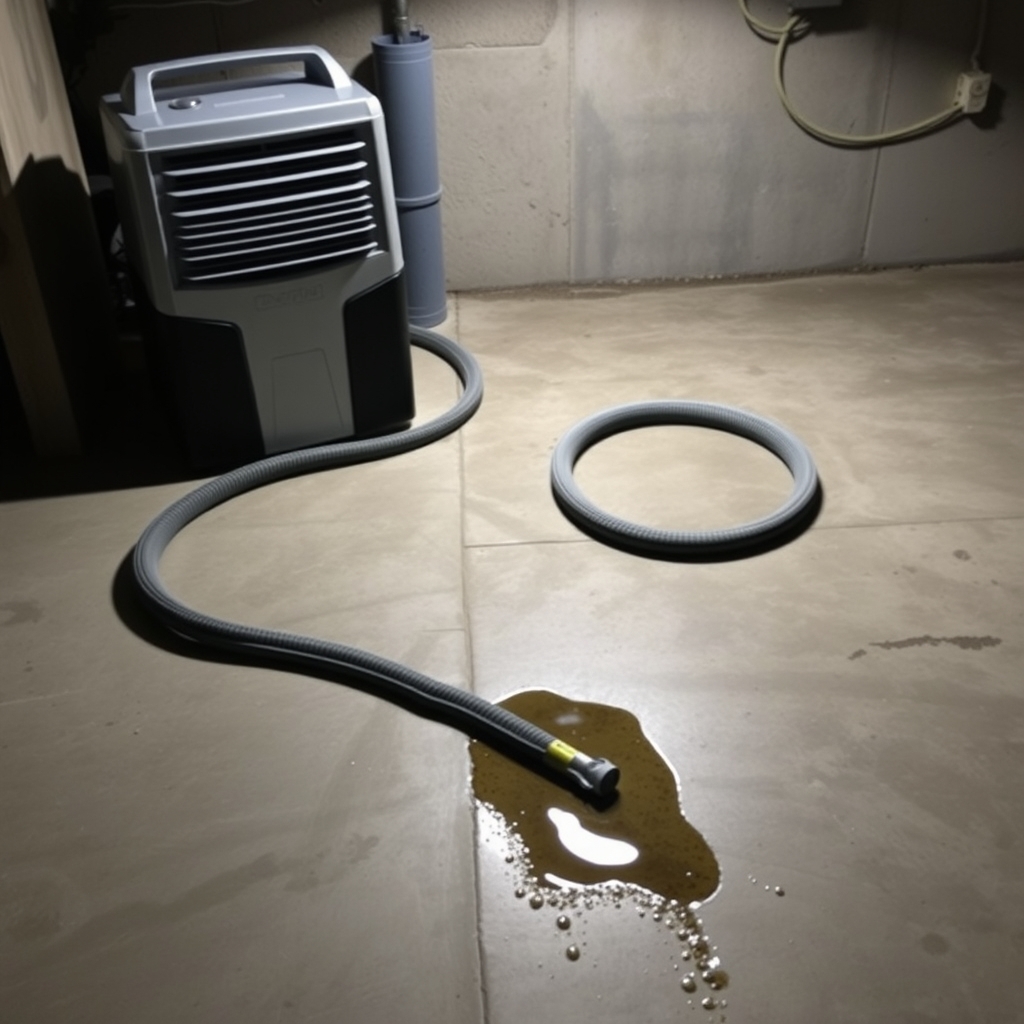 Free fix inside
Air & Temperature · Dehumidifier
Dehumidifier Not Draining Through the Hose? Why and the Pump Fix
Read the fix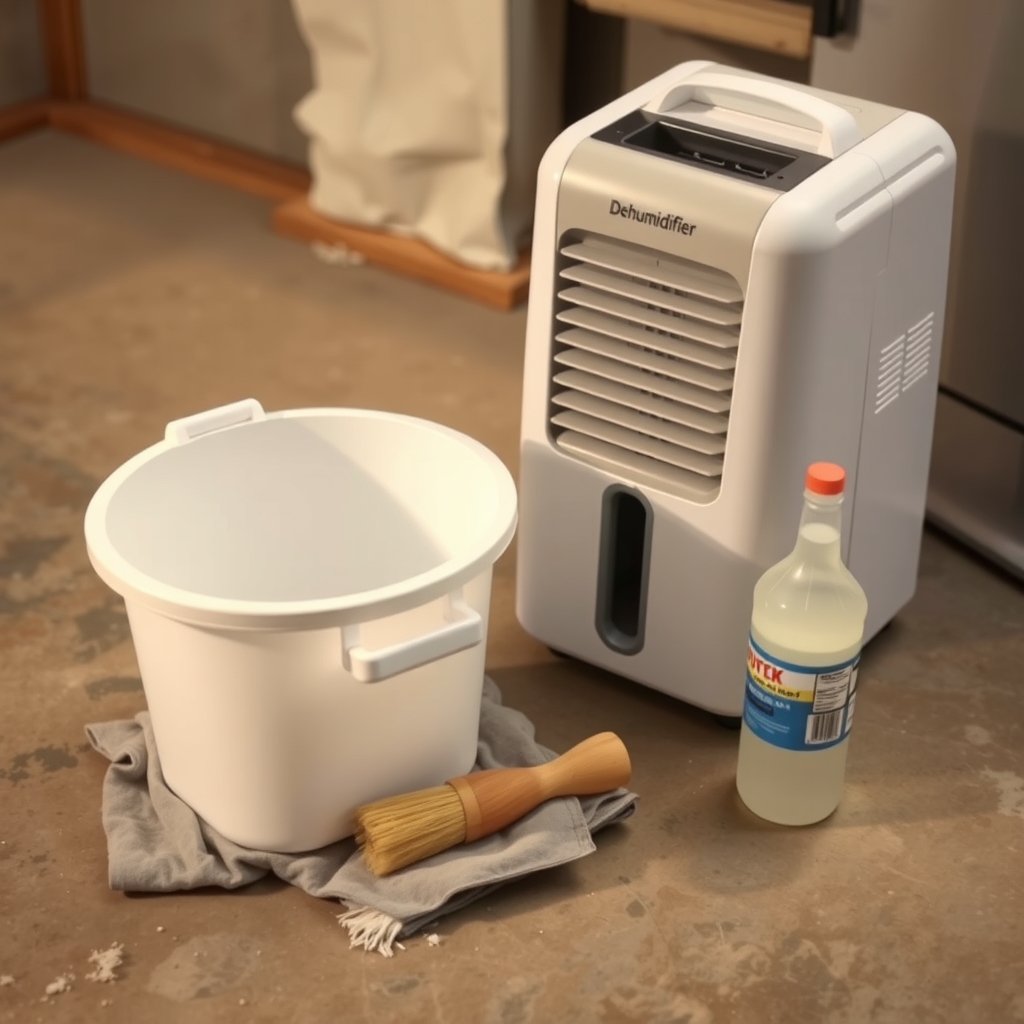 Free fix inside
Air & Temperature · Dehumidifier
Dehumidifier Smells Musty? Clean the Bucket, Coils, and Filter
Read the fix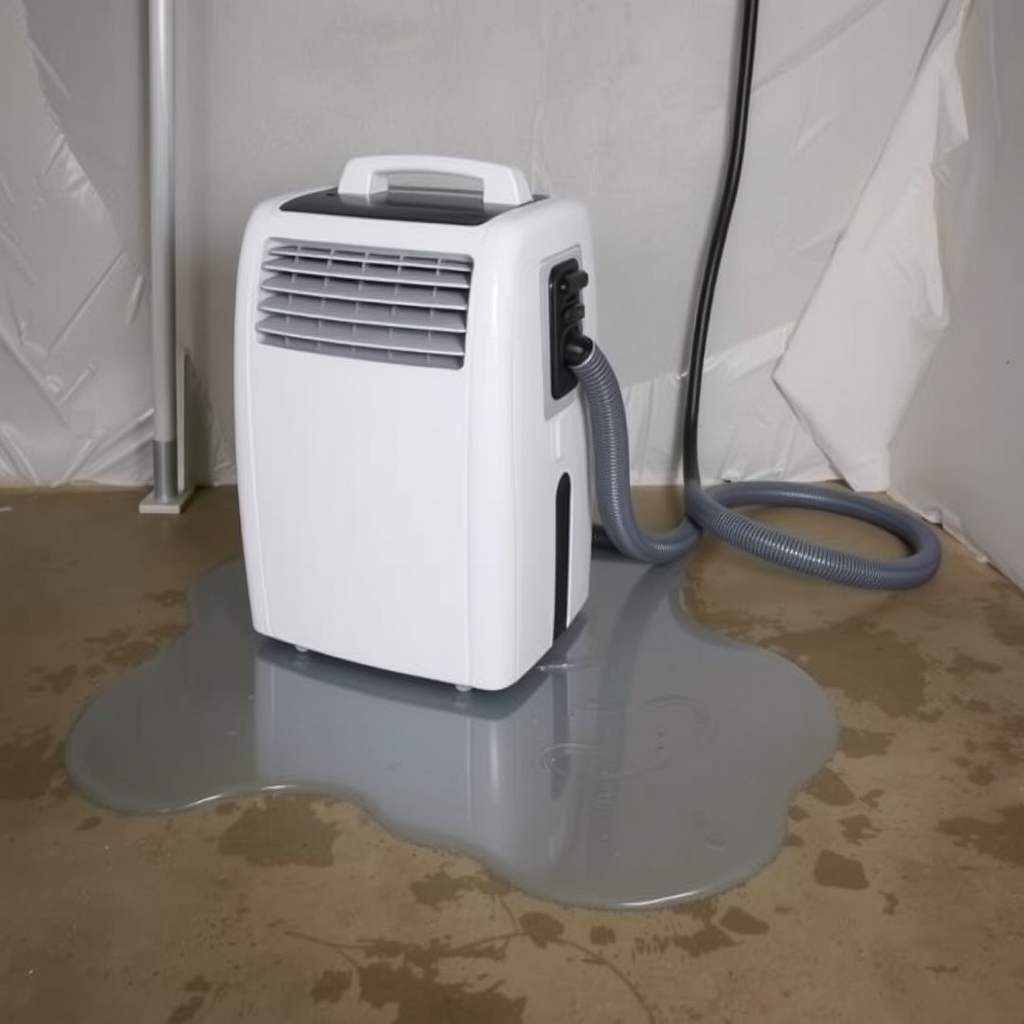 Free fix inside
Air & Temperature · Dehumidifier Leak
Dehumidifier Leaking Water? Where It Comes From and the Fix
Read the fixAs an Amazon Associate I earn from qualifying purchases. Affiliate disclosure