Using a Dehumidifier to Dry Clothes Indoors: What Works
Indoor drying fills a room with water. Set up a rack and a small closed room, and a dehumidifier pulls it out so clothes dry without the musty smell.
By Jamilur Rahman Updated November 5, 2026 · 7 min read
- Time
- 10 min setup
- Cost
- $150+
- Difficulty
- Easy
In this guide
Quick answer
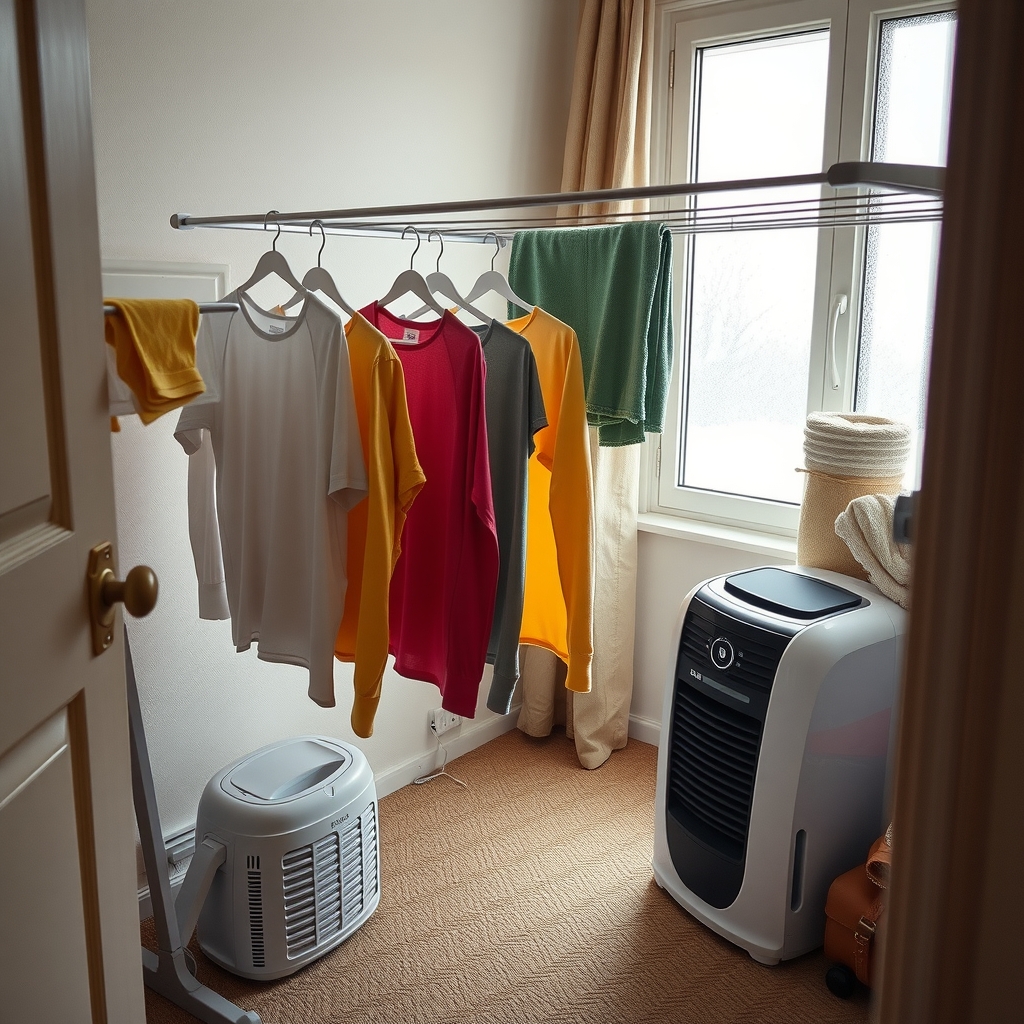
A dehumidifier to dry clothes works best when you run it in a small closed room with the laundry spread out, so the machine pulls water out of the air as the clothes release it. Spin the load well, give each item space on a rack and run a 35-pint or larger unit nearby. Without it, damp air can sit in the room and cause musty smells and mold.
Free fix vs. permanent fix
Add airflow and give clothes space
- Run an extra spin cycle in the washer
- Hang items spaced apart, not bunched
- Point a fan at the rack
- Crack a window only when the air outside is drier than inside
How long it lasts: Works on dry, warm days. In cool, damp weather clothes stay damp for a day or more and the room fills with moisture.
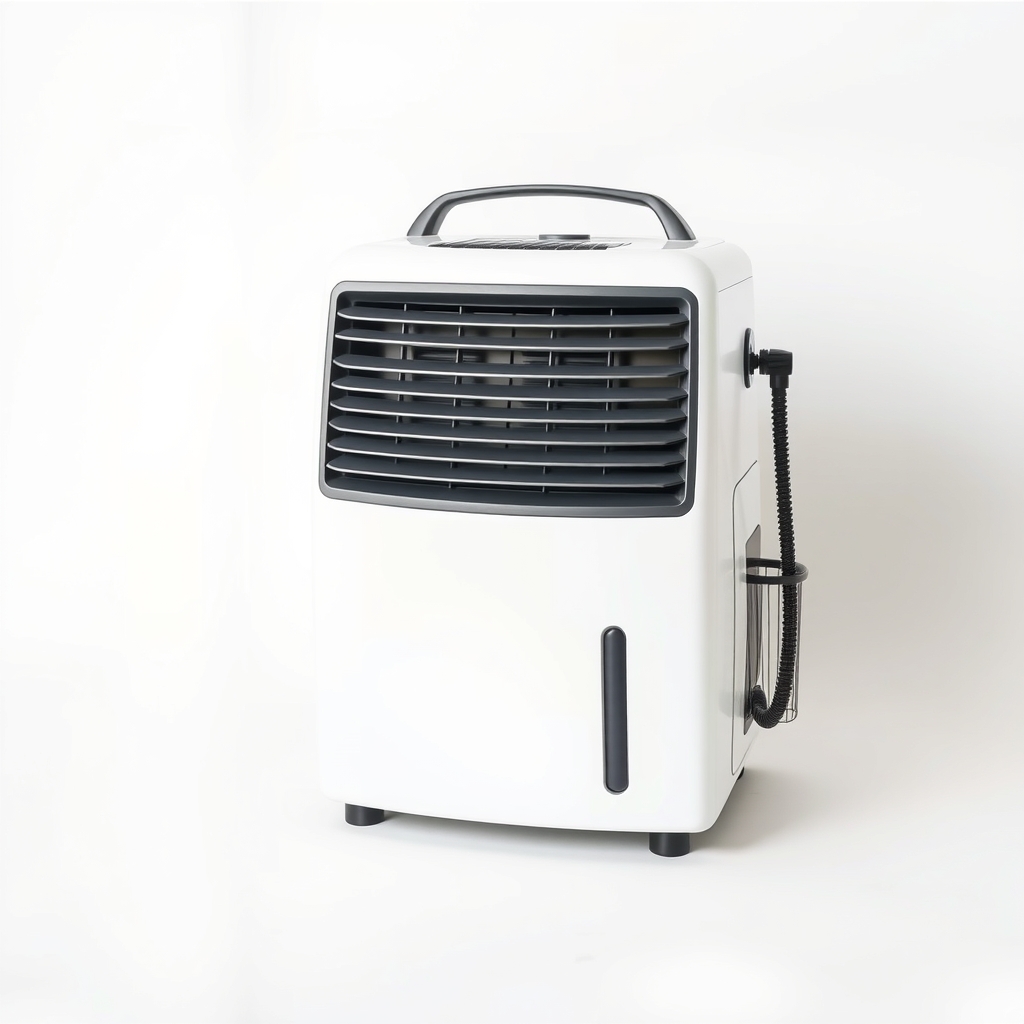
A dehumidifier sized for laundry drying
Drying clothes releases a lot of water into the air. A dehumidifier pulls that moisture into a bucket or drain, so the air stays dry enough to keep taking water from the clothes and the room does not turn damp.
What to get: Compressor dehumidifier, 35 to 50 pint, with a drain hose connection
How long it lasts: Every wash day for years. It makes indoor drying predictable instead of depending on the weather.
As an Amazon Associate I earn from qualifying purchases.
What you'll need
- Illustration

Clothes drying rack
A foldable one with plenty of bars, so items hang apart
-
Fan
Any small fan that moves air across the rack
You have it - Illustration
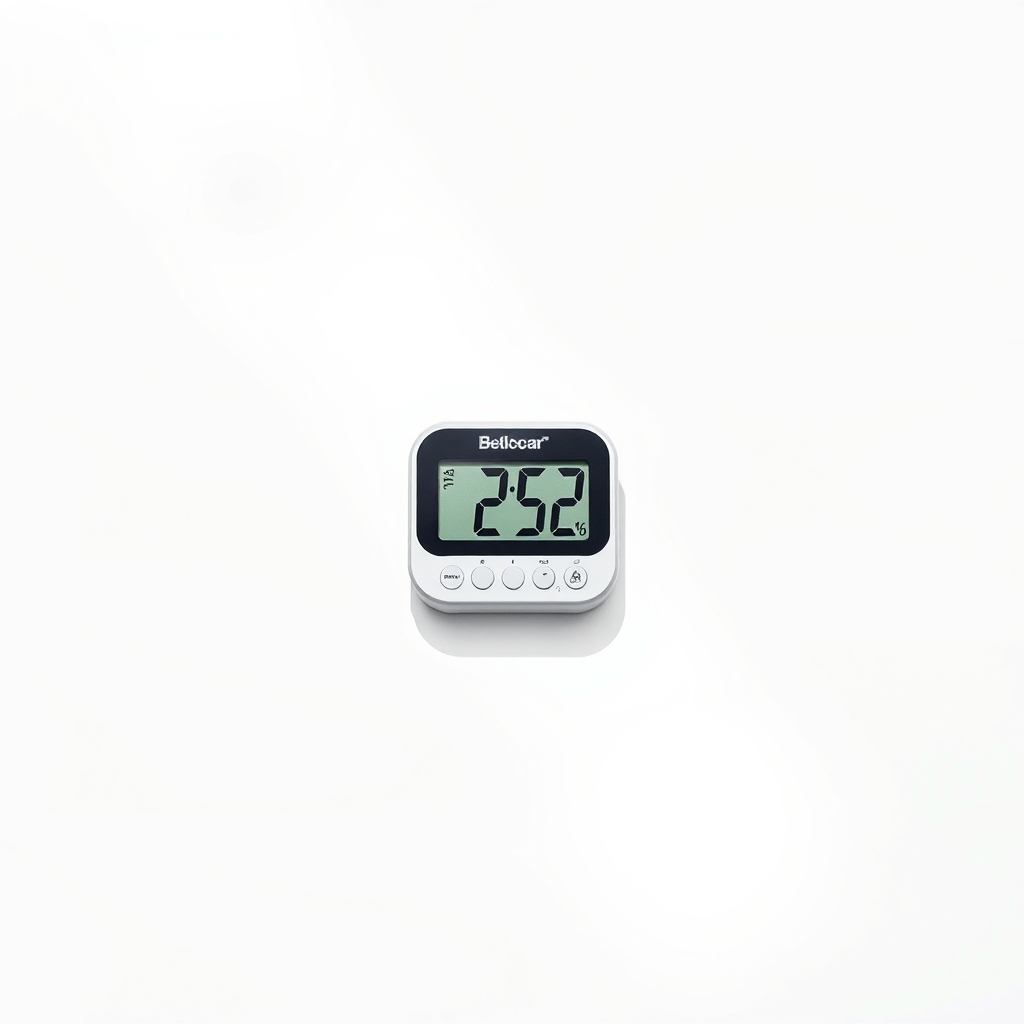
Digital hygrometer
Shows the room's humidity so you know when drying is done
- Our pick Illustration
Dehumidifier for laundry
Pulls the water out of the air as the clothes dry
-
Garden hose
For continuous drain, if the unit has a hose connection
You have it
Why it happens
Damp air cannot take more water
Wet clothes only dry if the air around them can hold more moisture. In a closed, humid room it cannot, so clothes stay damp.
Clothes bunched on a rack
Items that touch block airflow. The inside layers of towels and jeans stay wet long after the outside feels dry.
A cold room
Cold air holds less moisture, so drying slows in a cool room. Compressor dehumidifiers also lose efficiency when the room is cold.
A unit too small for the load
Wet laundry releases a lot of water into the air. A small dehumidifier cannot keep up and may shut off with a full bucket.
Try this first (free)
Do these in order, starting with the simplest.
-
1. Spin the load longer
Run an extra spin cycle at the highest speed the fabric allows. Less water in the cloth means less moisture in the room.
-
2. Hang clothes with space between them
Tool used: Clothes drying rackLeave a few inches between items. Hang shirts by the hem, and do not layer thick pieces such as towels and jeans.
IllustrationCheck price on AmazonTool for this step
Clothes drying rack · A foldable one with plenty of bars, so items hang apart
-
3. Pick one small room and close the door
A small bathroom or spare room is easiest to dry in. A bigger room needs a bigger dehumidifier.
-
4. Set up the dehumidifier near the rack
Tool used: Dehumidifier for laundrySet it to its lowest humidity or laundry mode, and keep it a few feet from the clothes so air flows. Run the fan across the rack. If the unit has a hose outlet, connect a hose to a drain so you never empty the bucket.
IllustrationCheck price on AmazonTool for this step
Dehumidifier for laundry · Pulls the water out of the air as the clothes dry
-
5. Watch the humidity and stop when it is done
Tool used: Digital hygrometerA hygrometer shows when the room has dropped below about 50 percent. Turn the unit off when clothes feel dry, and empty the bucket.
IllustrationCheck price on AmazonTool for this step
Digital hygrometer · Shows the room's humidity so you know when drying is done
When free fixes aren't enough
If windows fog up, walls feel damp or clothes still smell musty after a full day, the room has more moisture than airflow can remove. That is common in cold, wet or humid seasons and in apartments with no vented dryer. A dehumidifier lowers the humidity and dries clothes at a steady rate whatever the weather. If you see mold in the drying room, stop drying there and fix the moisture first. Patches bigger than about 10 square feet are a job for a professional.
Buy the fix
Still stuck after the free fixes? These are the products we would look at.
| Pick | Product | Fixes | Who it's for | Buy |
|---|---|---|---|---|
| Best pick | Compressor dehumidifier, 35 to 50 pint, with a drain hose connection | clothes staying damp and a musty drying room | Anyone drying indoors in a room that is 60 degrees F or warmer, which covers most homes. | Check price |
| Budget pick | 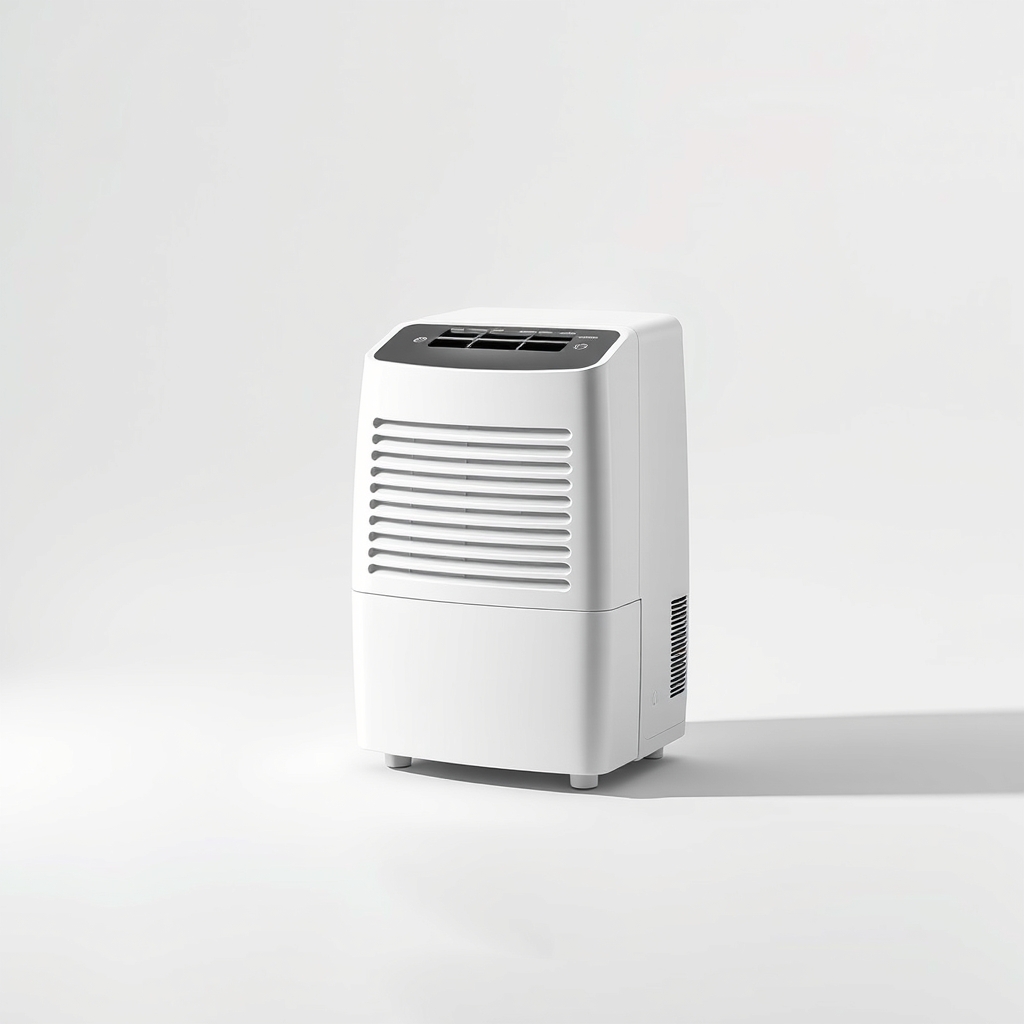 Compact dehumidifier, about 22 pint, for a small room | damp air from a small rack in a small closed room | People in small apartments drying one small rack at a time. | Check price |
| Upgrade pick | 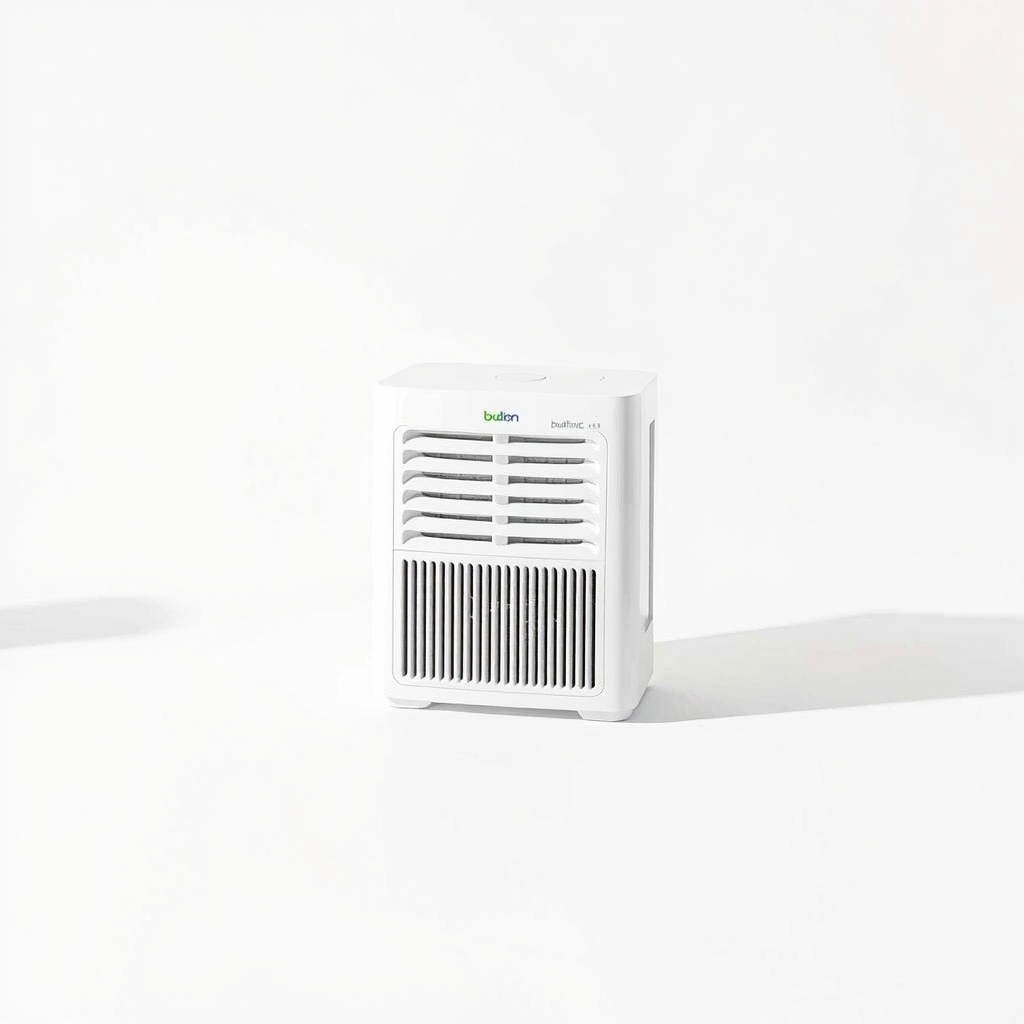 Desiccant dehumidifier for cool rooms | slow drying in a cold garage, laundry nook or unheated room | People drying in a cold room, where compressor units ice up or slow down. | Check price |
Compressor dehumidifier, 35 to 50 pint, with a drain hose connection
Fixes: clothes staying damp and a musty drying room
Look for: A rated capacity of about 35 to 50 pints on the current rating scale; A humidity setting that goes down to about 30 to 35 percent, or a laundry mode; A hose connection for continuous drain; A full-bucket shutoff and auto-restart.
- Who it's for
- Anyone drying indoors in a room that is 60 degrees F or warmer, which covers most homes.
- Honest downside
- The room is a cold garage or basement under about 60 degrees F, where compressor units lose power. See the desiccant pick.
Compact dehumidifier, about 22 pint, for a small room
Fixes: damp air from a small rack in a small closed room
Look for: A coverage rating that fits a small bathroom or spare room; A full-bucket shutoff; A humidity dial or laundry mode; Wheels or a handle.
- Who it's for
- People in small apartments drying one small rack at a time.
- Honest downside
- You dry more than one load at a time, or use a big room. It will run all day and still lag.
Desiccant dehumidifier for cool rooms
Fixes: slow drying in a cold garage, laundry nook or unheated room
Look for: A listed operating range that includes your room's lowest temperature; A laundry or dry mode; A hose outlet for drainage.
- Who it's for
- People drying in a cold room, where compressor units ice up or slow down.
- Honest downside
- Your room is already warm. Desiccant units typically use more power than compressor units.
As an Amazon Associate I earn from qualifying purchases. We don't show prices because they change, so use the button to see today's price.
How we picked: How we picked: this page is based on dehumidifier maker guides, Energy Star and Department of Energy rating information, and what owners report in reviews about drying laundry indoors. We do not test products by hand.
How to read the pint rating
Since 2019, the Department of Energy rates dehumidifiers at a cooler test temperature, so newer pint numbers are lower. A unit once labeled 50 pints may now say 30 to 35. Compare ratings from the same year, and treat 35 pints as a good starting point for a spare room or bathroom.
Compressor or desiccant: pick by room temperature
- Compressor: best in rooms about 60 degrees F or warmer. It uses less power and is the usual choice.
- Desiccant: works in cooler rooms and blows warm, dry air. It uses more power.
What to skip
Tiny moisture-absorber boxes and mini dehumidifiers
Crystal tubs and mini thermoelectric units are built for closets and bathrooms, not a wet load of laundry. They fill up or shut off far too soon. Use a real compressor or desiccant dehumidifier instead.
Frequently asked questions
How long does a dehumidifier take to dry clothes?
Is a dehumidifier cheaper than a tumble dryer?
Where should I put the dehumidifier to dry laundry?
Will drying clothes indoors cause mold?
Related problems
 Free fix inside
Air & Temperature · House Humidity
House Feeling Humid? Find the Cause Before You Buy a Dehumidifier
Read the fix Free fix inside
Air & Temperature · Dehumidifier
Dehumidifier Not Draining Through the Hose? Why and the Pump Fix
Read the fix Free fix inside
Air & Temperature · Dehumidifier
Dehumidifier Too Loud? Quieter Options and Placement Tricks
Read the fix Free fix inside
Air & Temperature · Dehumidifier
Dehumidifier to Prevent Mold: Size and Settings That Matter
Read the fixAs an Amazon Associate I earn from qualifying purchases. Affiliate disclosure