Why Does My Closet Get So Dusty? Cover, Seal, and Clean Less
Lint from your own clothes, door gaps and vents feed closet dust. Clean top-down, seal the gaps, then cover what you wear least with breathable bags.
By Jamilur Rahman Updated November 5, 2026 · 6 min read
- Time
- 30 min
- Cost
- $20-$50
- Difficulty
- Easy

In this guide
Quick answer
Why does my closet get so dusty? Mostly because your clothes shed lint and fibers, and fine house dust drifts in through door gaps and vents. Vacuum and wipe the closet from top to bottom, seal the biggest gaps and wash clothes before you store them. Breathable garment bags then keep dust off the clothes you wear least, so you clean far less often.
Free fix vs. permanent fix
Clean top-down, seal the gaps, wash before storing
- Vacuum the closet from the top shelf down to the floor
- Wipe shelves and rods with a slightly damp microfiber cloth
- Close the biggest gap under or around the door
- Wash new clothes before they go on the rod
How long it lasts: A clean closet stays clean for a few weeks to a couple of months. Lint keeps shedding, and dust drifts in every time you open the door.
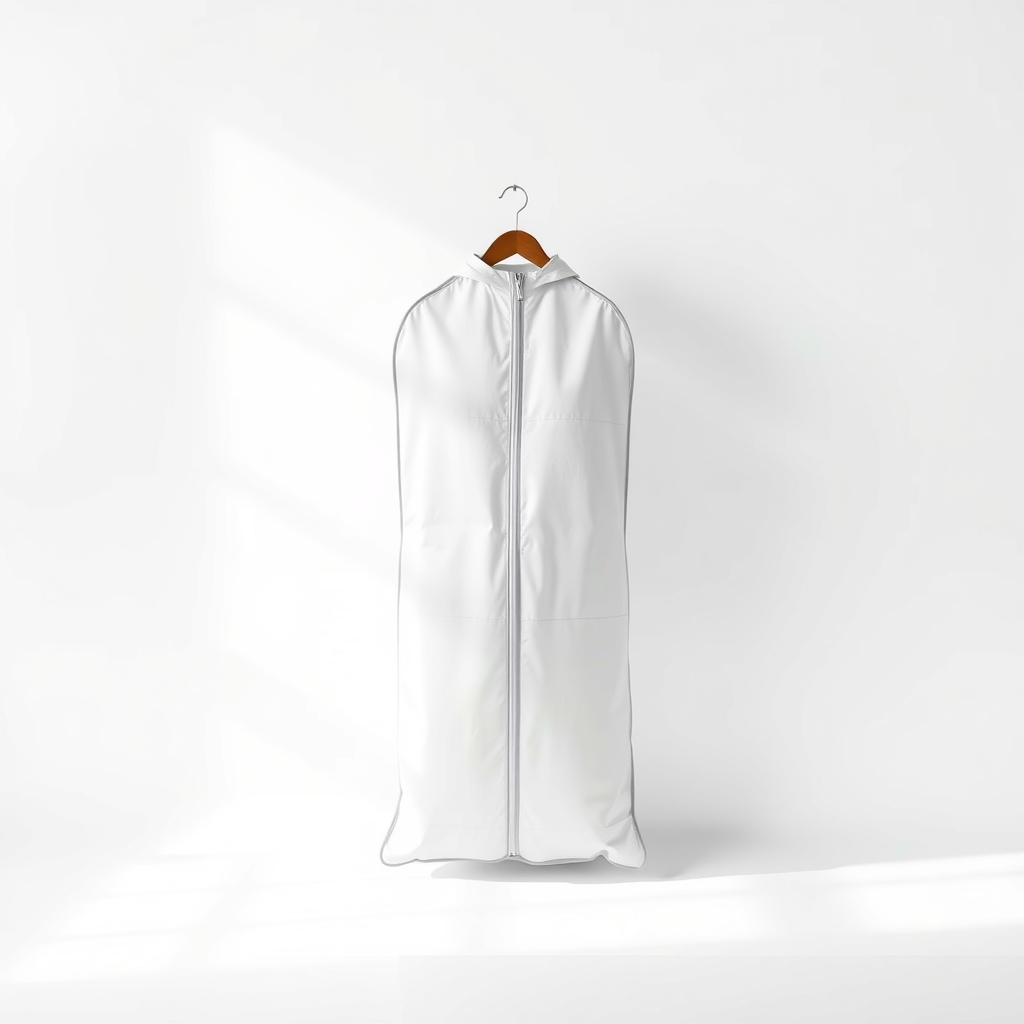
Breathable garment bags
Cleaning removes the dust that is there. Covers stop it from landing on the clothes you do not wear every week. Breathable fabric lets the clothes breathe and dry, which plastic does not, so you protect them without sealing in moisture.
How long it lasts: Years. Dust lands on the cover instead of the clothes, so you wipe the bag and not each garment.
As an Amazon Associate I earn from qualifying purchases.
What you'll need
-
Vacuum with brush tool
A soft brush and a crevice tool reach the corners
You have it -
Microfiber cloth
Slightly damp, never wet, so it grabs dust without leaving streaks
You have it - Illustration
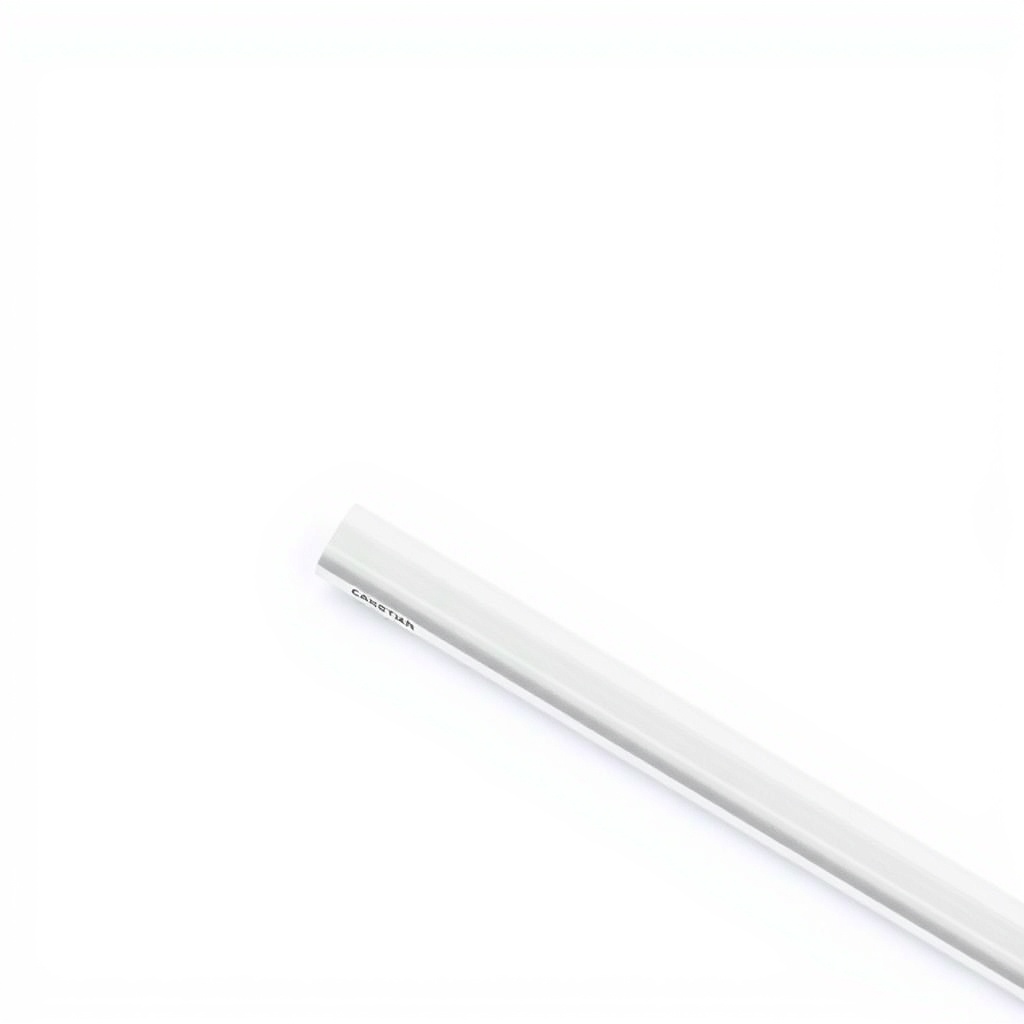
Self-adhesive door seal
Closes the gap under or around a closet door
- Our pick Illustration
Breathable garment bags
Measure your longest coat or dress before you buy
Why it happens
Clothes that shed
Fabric sheds tiny fibers, and new clothes shed the most. Over time, a closet full of knitwear, towels and cotton builds its own cloud of lint.
Gaps around the door
A closet door that does not seal, or a louvered one with slats, lets house dust drift in every time air moves through the room.
Vents and returns nearby
A heating or cooling vent inside the closet, or a return grille close to it, pulls dusty air through that small space.
Dust from the floor
Shoes, bags, pet hair and carpet fibers all stir up dust that settles on the shelves and the bottom of hanging clothes.
Flat shelves and uncovered clothes
Shelves give dust a place to land, and clothes that sit for months collect a film on the shoulders and tops. It builds quietly until you notice it.
Try this first (free)
Do these in order, starting with the simplest.
-
Vacuum from the top down
Tool used: Vacuum with brush toolStart at the top shelf and work down to the floor, so dust you knock loose lands where you have not cleaned yet. Use the crevice tool along the baseboard and the door track.
-
Wipe with a slightly damp cloth
Tool used: Microfiber clothWipe shelves, the rod and the door. A damp microfiber cloth picks dust up instead of pushing it around. Let everything dry before you put clothes back.
-
Seal the biggest gap
Tool used: Self-adhesive door sealLook at the bottom of the door and around the frame. A stick-on seal closes a gap you can see light through. Do not block a heating or cooling vent the system needs. If one sits in the closet, ask your landlord or an HVAC pro.
IllustrationCheck price on AmazonTool for this step
Self-adhesive door seal · Closes the gap under or around a closet door
-
Wash or air clothes before you store them
Wash new clothes once, then shake them out. Brush or lint-roll coats before you hang them for the season.
-
Cover the clothes you wear least
Tool used: Breathable garment bagsPut coats, suits, dresses and seasonal pieces in breathable garment bags. Hang them on the rod with a little space between, and keep shoes and bags off the floor in a covered box.
IllustrationCheck price on AmazonTool for this step
Breathable garment bags · Measure your longest coat or dress before you buy
When free fixes aren't enough
If a fine film is back within two weeks of cleaning, dust is coming in faster than you can wipe it, and the clothes themselves are shedding on top of that. Sealing the door helps, and covers handle what is left by keeping dust off the cloth. If the dust is dark or sooty, shows up right after renovation work or comes with sneezing, check your furnace filter and look for a mold or construction source.
Buy the fix
Still stuck after the free fixes? These are the products we would look at.
| Pick | Product | Fixes | Who it's for | Buy |
|---|---|---|---|---|
| Best pick | Breathable garment bags | dust and lint landing on clothes you do not wear often | Anyone with coats, suits, dresses or seasonal clothes that hang untouched for weeks. | Check price |
| Budget pick | Self-adhesive door seal strip | dust drifting in under the closet door | People with a visible gap under or around a solid closet door. | Check price |
Breathable garment bags
Fixes: dust and lint landing on clothes you do not wear often
Look for: Breathable non-woven or cotton fabric, not sealed plastic; A full-length zipper that opens easily; A clear window or label panel so you can see what is inside; A length that fits your longest coat or dress.
- Who it's for
- Anyone with coats, suits, dresses or seasonal clothes that hang untouched for weeks.
- Honest downside
- You wear everything every few days. Covers just get in the way. Skip airtight plastic for long storage, since it can trap moisture.
Self-adhesive door seal strip
Fixes: dust drifting in under the closet door
Look for: A width and thickness that fit the gap under your door; Self-adhesive backing, so no drilling; A soft brush or rubber edge that does not drag on carpet.
- Who it's for
- People with a visible gap under or around a solid closet door.
- Honest downside
- The door is louvered, or the closet already smells damp. A closet that holds moisture needs airflow, so see the closet mold page.
As an Amazon Associate I earn from qualifying purchases. We don't show prices because they change, so use the button to see today's price.
How we picked: How we picked: this page is based on garment care and closet cleaning guides, general household dust advice and what owners report in reviews of garment bags. We do not test products by hand.
What to cover first
- Wool coats and suits: they sit all season and collect the most dust on the shoulders.
- Formal dresses and special-occasion clothes: long, delicate and worn once or twice a year.
- Out-of-season jackets: cover them as soon as the weather turns.
- Everyday shirts: leave them uncovered. They get worn often enough that a cover is just in the way.
What to skip
Sealed plastic covers and dryer sheets
Plastic dry-cleaner bags and airtight covers trap moisture, which can leave clothes musty and yellow over months. Dryer sheets in the pocket add scent, not protection. Use breathable bags and a clean closet.
Frequently asked questions
Why is my closet so dusty?
Why is my clothes closet so dusty even after I clean it?
How do I keep my closet from getting dusty?
How do I keep clothes in the closet from getting dusty?
Are plastic garment bags okay?
Related problems
 Free fix inside
Small Spaces & Storage · Closet Smell
Why Does My Closet Smell Musty? Where the Damp Hides and the Fix
Read the fix Free fix inside
Small Spaces & Storage · Closet Moisture
Closet Keeps Getting Mold? Moisture Absorber vs. Dehumidifier
Read the fix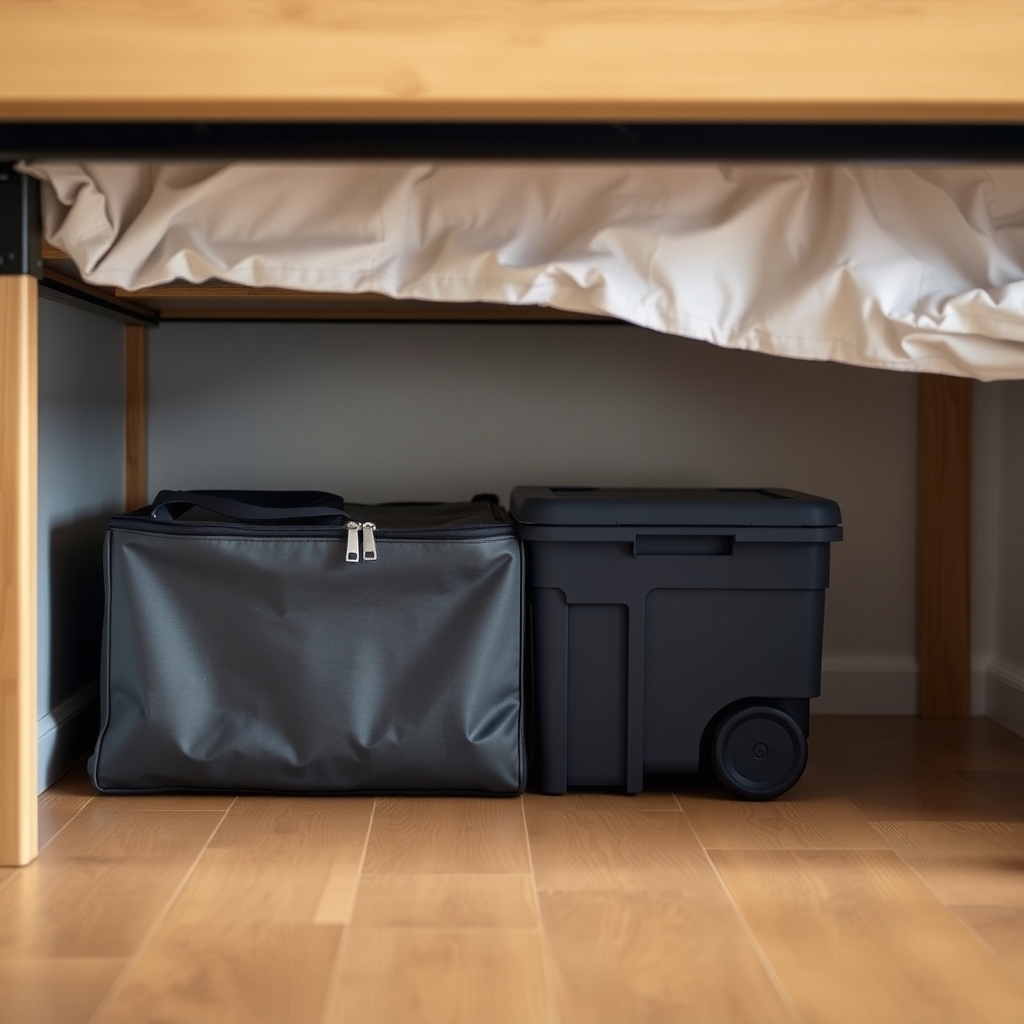 Free fix inside
Small Spaces & Storage · Under-Bed Storage
Under Bed Storage With No Dust: Zippered and Lidded Options
Read the fix Free fix inside
Bedroom & Sleep · Bedroom Air
Bedroom Always Dusty? The Weekly Habit and the Right Purifier
Read the fixAs an Amazon Associate I earn from qualifying purchases. Affiliate disclosure