Small Apartment, Too Much Stuff? Storage That Works Up the Walls
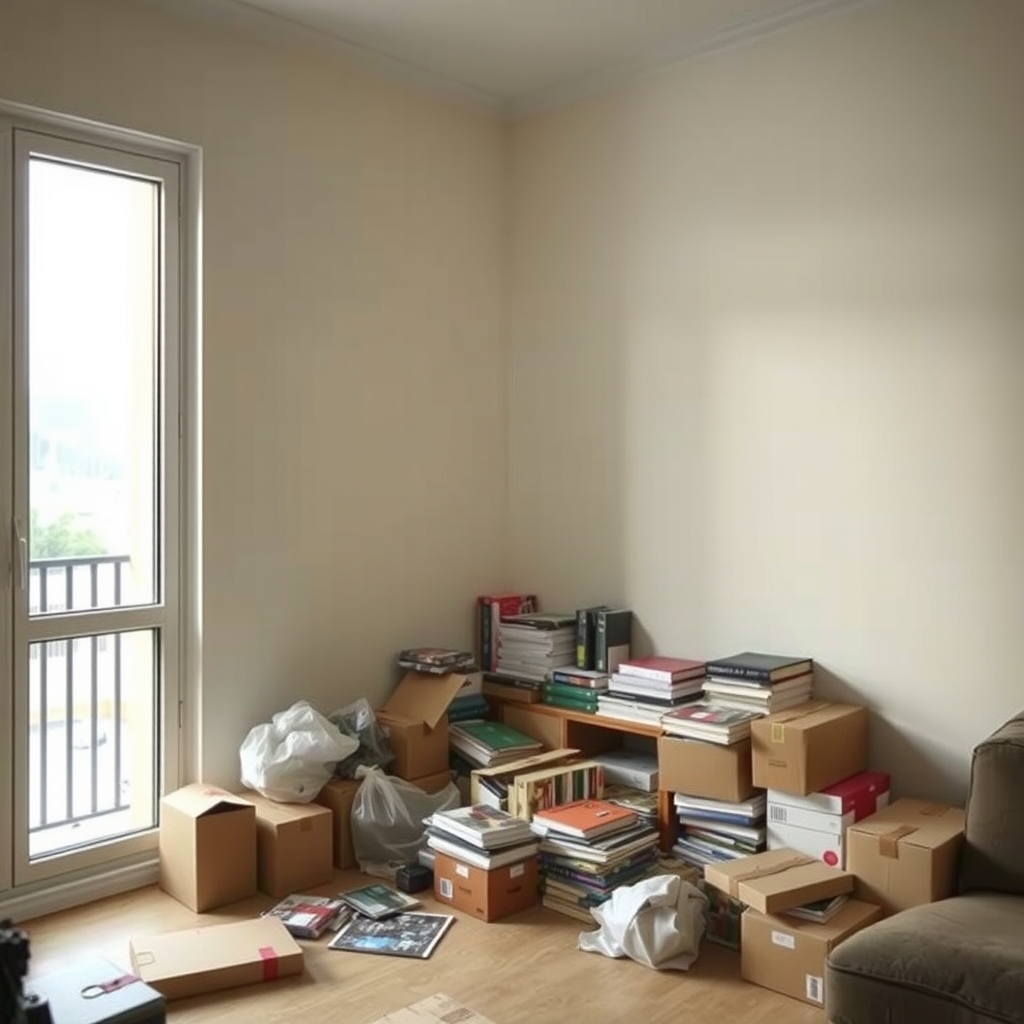
More stuff than floor? Cut what you do not use first, then give what is left a home on a tall, narrow shelving unit that uses wall height, not floor.
By Jamilur Rahman Updated November 5, 2026 · 6 min read
- Time
- A weekend afternoon
- Cost
- $50-$150
- Difficulty
- Medium
In this guide
Quick answer
If your small apartment has too much stuff, cut first and then build up. Pull out what you have not used in a year, give the rest a home, and move storage from the floor to the walls. A tall, narrow shelving unit holds a lot on a footprint of a few square feet, and anchored to the wall it cannot tip.
Free fix vs. permanent fix
Cull, then claim wall space
- Sort everything into keep, donate, sell and trash
- Move anything you have not used in a year out of the room
- Use hooks and the back of the door for bags and coats
- Set a one-in, one-out rule
How long it lasts: As long as you keep it up. A cull shrinks the pile, but without a home for what is left, the clutter drifts back.
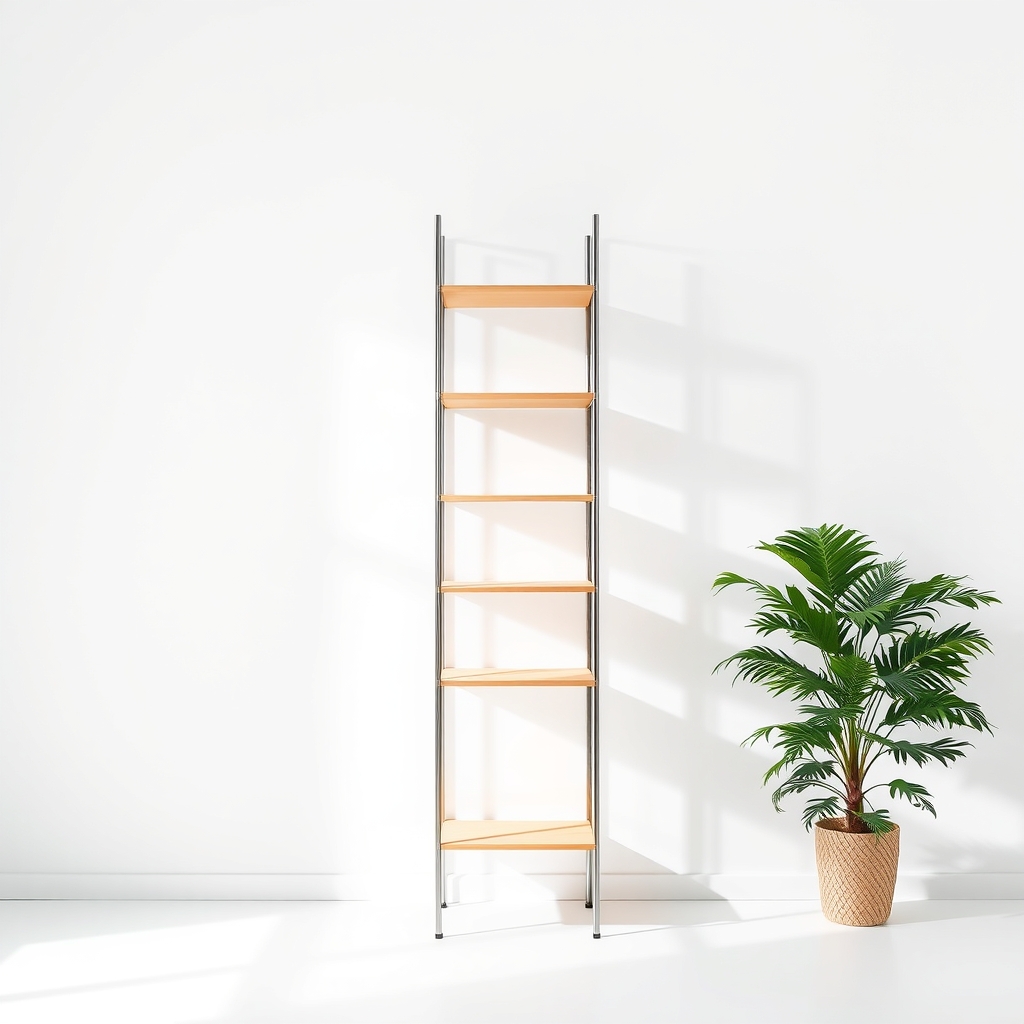
A tall, narrow shelving unit anchored to the wall
Floor space is what you lack, and wall height is what you have. A tall narrow unit holds books, bins and kitchen overflow in a column that barely cuts into the room. With bins on the shelves, it also hides the mess.
What to get: Tall narrow shelving unit, about 12 inches deep or less
How long it lasts: Years. Every category has a home, and the floor stays clear.
As an Amazon Associate I earn from qualifying purchases.
What you'll need
-
Trash bags
One for trash, one for donations
You have it -
Tape measure
For wall width, height and depth
You have it -
Labels and a marker
Label bins so each category has a place
You have it - Illustration
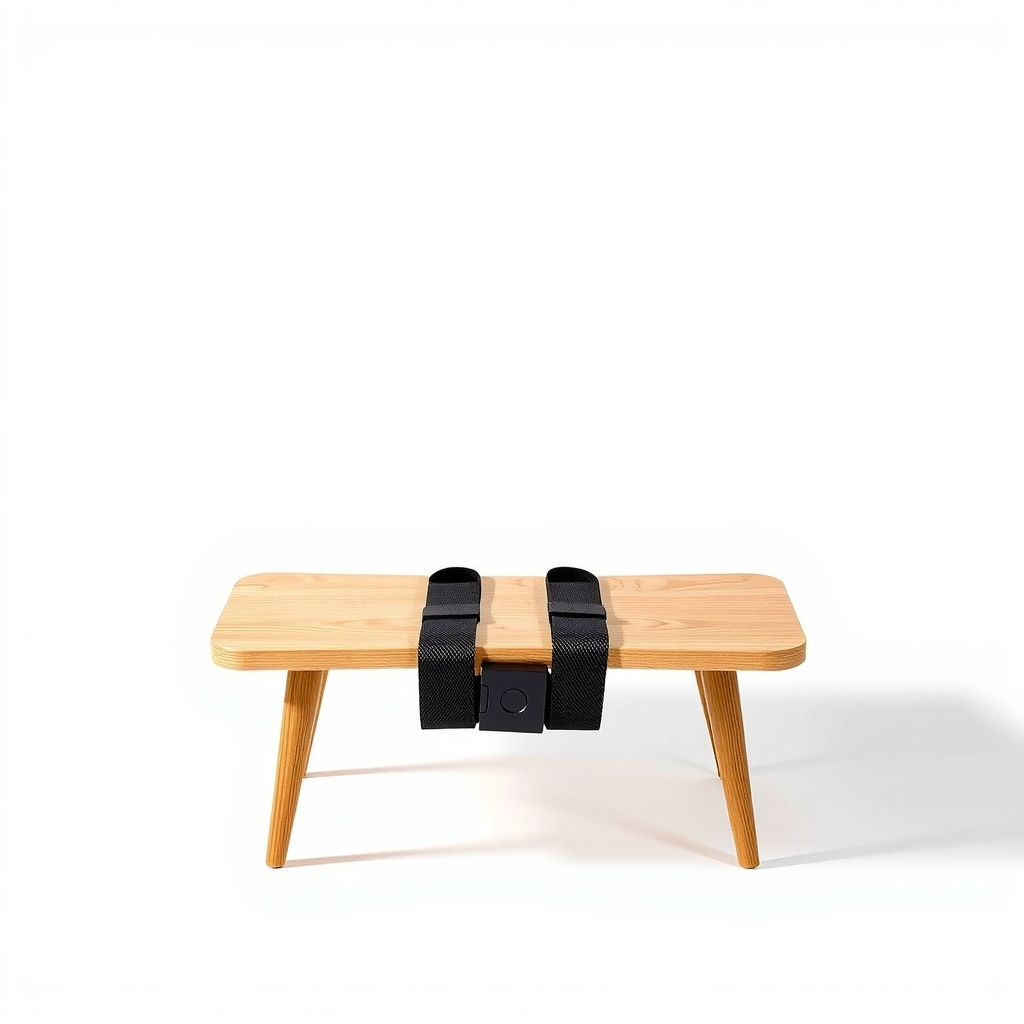
Anti-tip furniture strap kit
Keeps a tall unit from tipping over
- Illustration
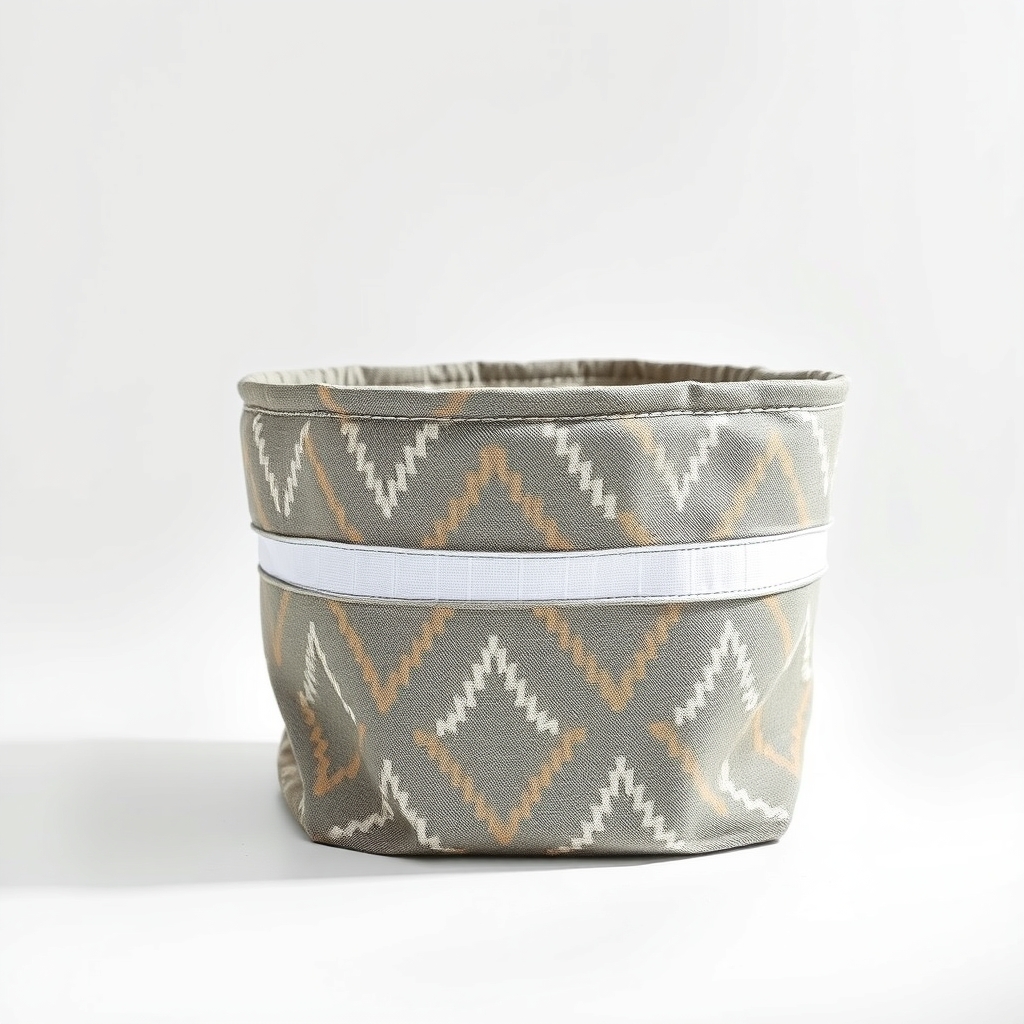
Fabric storage bins
Hide small items and keep shelves tidy
- Our pick Illustration
Tall narrow shelving unit
About 12 inches deep or less
- Illustration
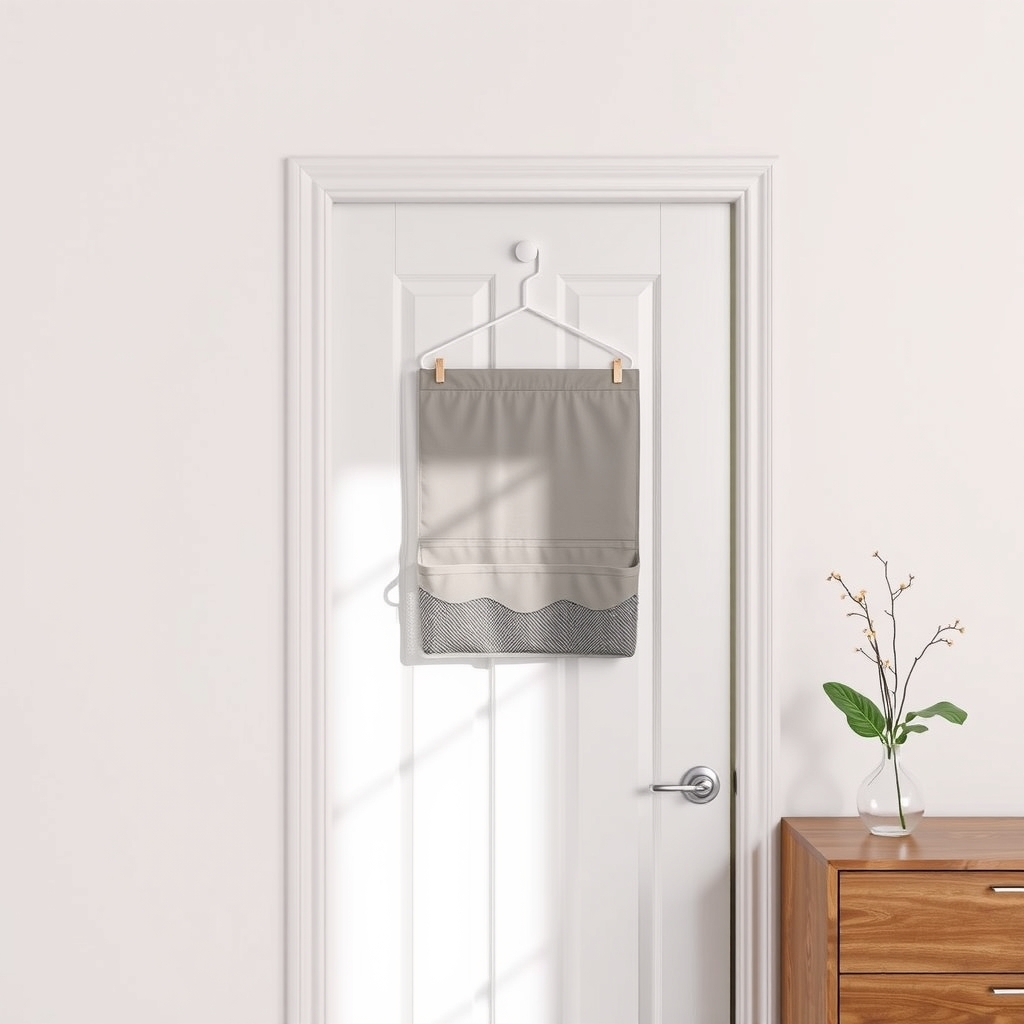
Over-the-door organizer
Uses no floor space and needs no drilling
- Illustration
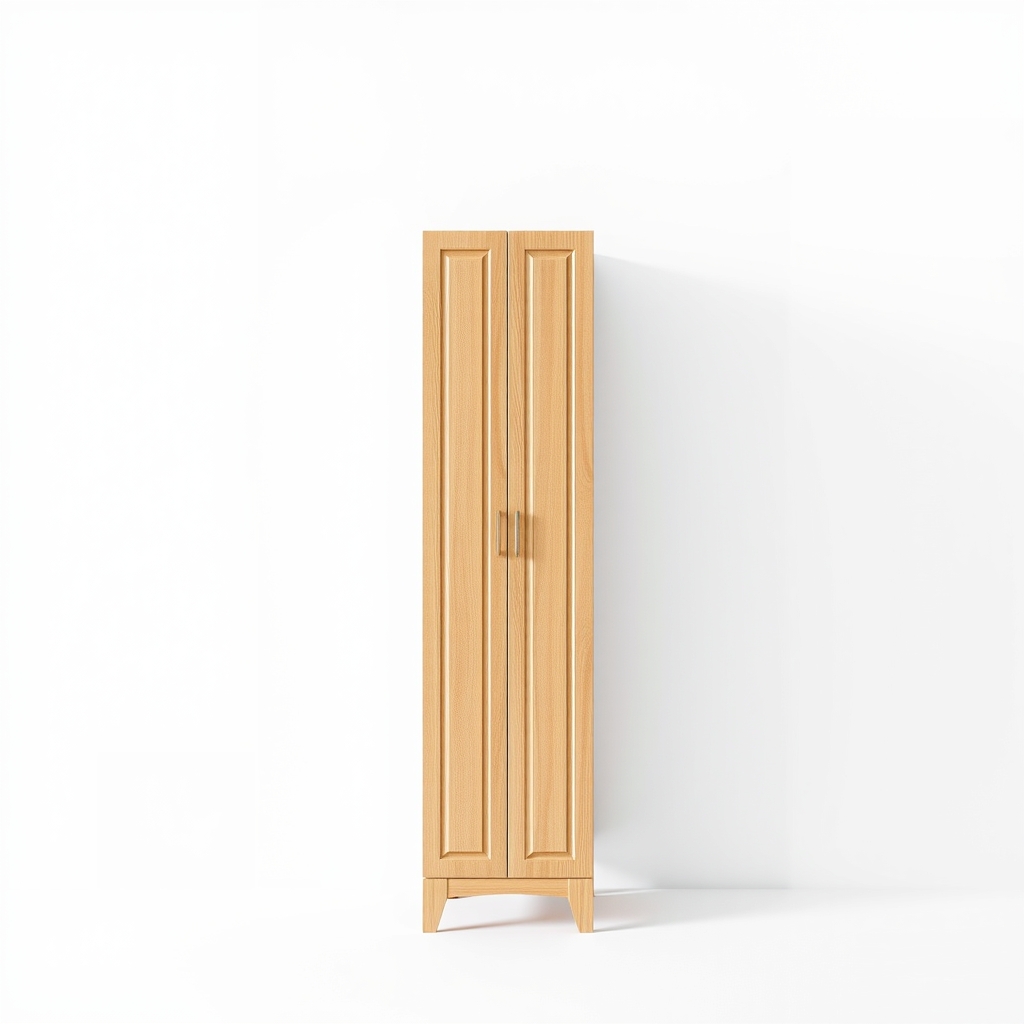
Tall slim cabinet with doors
Hides everything behind doors
Why it happens
More belongings than storage
Most small apartments have room for fewer things than people own. The overflow lands on floors, tables and chairs.
Everything lives at the same height
Most stuff sits below hip height, so the upper two thirds of every wall goes unused.
Duplicates and never-used items
Extra mugs, maybe clothes, spare cables and old boxes take space and hide what you do use.
No home for daily items
Keys, mail, bags and shoes with no spot land on the nearest surface. That is how clutter grows.
Try this first (free)
Do these in order, starting with the simplest.
-
Set a 20-minute timer and start small
Pick one shelf, drawer or corner. A small win in 20 minutes keeps you going better than a plan to do the whole apartment.
-
Sort into four piles
Tool used: Trash bagsKeep, donate, sell and trash. If you have not used something in a year, it goes, unless it is seasonal or has real meaning for you.
-
Get the donate bag out today
Put it by the door or in the car, and drop it off within the week. Items you keep in the apartment sneak back in.
-
Look up and find the dead zones
Tool used: Tape measureCheck behind doors, beside the fridge, at the end of a hallway, between the bed and the wall, and beside the sofa. Measure each one for width, depth and height.
-
Give every kept item a home
Tool used: Labels and a markerPut bins on the shelf by category, such as cables, paper and cleaning. Label them so anyone in the house knows where things go.
When free fixes aren't enough
A cull can only shrink the pile so far. If things still sit on the floor after you have sorted, or items keep drifting onto chairs and counters, you need more storage, not more willpower. A tall narrow shelf gives each category a home on the wall. Tall furniture can tip, so anchor it to a stud, especially with kids or pets in the house.
Buy the fix
Still stuck after the free fixes? These are the products we would look at.
| Pick | Product | Fixes | Who it's for | Buy |
|---|---|---|---|---|
| Best pick | Tall narrow shelving unit, about 12 inches deep or less | no storage and lost floor space | Anyone with a bare stretch of wall, the end of a hallway or a gap beside a door. | Check price |
| Budget pick | Over-the-door storage organizer | no floor space for small items | Renters who cannot drill. It suits shoes, supplies and toiletries. | Check price |
| Upgrade pick | Tall slim cabinet with doors | visible clutter that makes a small room feel busy | People who find open shelves look messy. | Check price |
Tall narrow shelving unit, about 12 inches deep or less
Fixes: no storage and lost floor space
Look for: Narrow depth, about 12 inches or less; A rated load per shelf and a solid frame; Wall anchor or anti-tip hardware included; Adjustable shelves or room for bins.
- Who it's for
- Anyone with a bare stretch of wall, the end of a hallway or a gap beside a door.
- Honest downside
- You cannot anchor it to a stud and have kids or large pets who climb. A lower unit is safer.
Over-the-door storage organizer
Fixes: no floor space for small items
Look for: Hooks sized to your door thickness; Pockets or baskets that hold the weight of your items; Padding so the door does not scuff.
- Who it's for
- Renters who cannot drill. It suits shoes, supplies and toiletries.
- Honest downside
- Your door is too thin for the hooks or will not close with them on.
Tall slim cabinet with doors
Fixes: visible clutter that makes a small room feel busy
Look for: Doors that hide the contents; Adjustable shelves; Anchor hardware included; A depth of 12 to 16 inches or less.
- Who it's for
- People who find open shelves look messy.
- Honest downside
- You want to see everything at a glance. Open shelving is simpler.
As an Amazon Associate I earn from qualifying purchases. We don't show prices because they change, so use the button to see today's price.
How we picked: How we picked: this page is based on organizing and home-safety guides for tall furniture, product instructions from shelving makers, and the problems and fixes people report in reviews. We do not test products by hand.
Where a tall shelf fits in a small apartment
- Beside or behind the front door: a shelf for bags, shoes and keys.
- The end of a hallway: a dead zone that holds a lot.
- Between the bed and the wall: a slim column beats a nightstand.
- Next to the fridge or sofa: pantry overflow or books.
Leave at least 30 inches of walkway in front of it.
What to skip
What to skip
Skip buying storage before you cull. Bins and shelves for things you do not use only move the clutter around. Also skip stacking cheap shelves without anchoring them. A shelf that tips is a safety problem.
Frequently asked questions
Small house too much stuff: where do I start?
How do I store things in a small apartment with no closet space?
How do I stop clutter coming back?
Can I use tall shelves in a rental?
Related problems
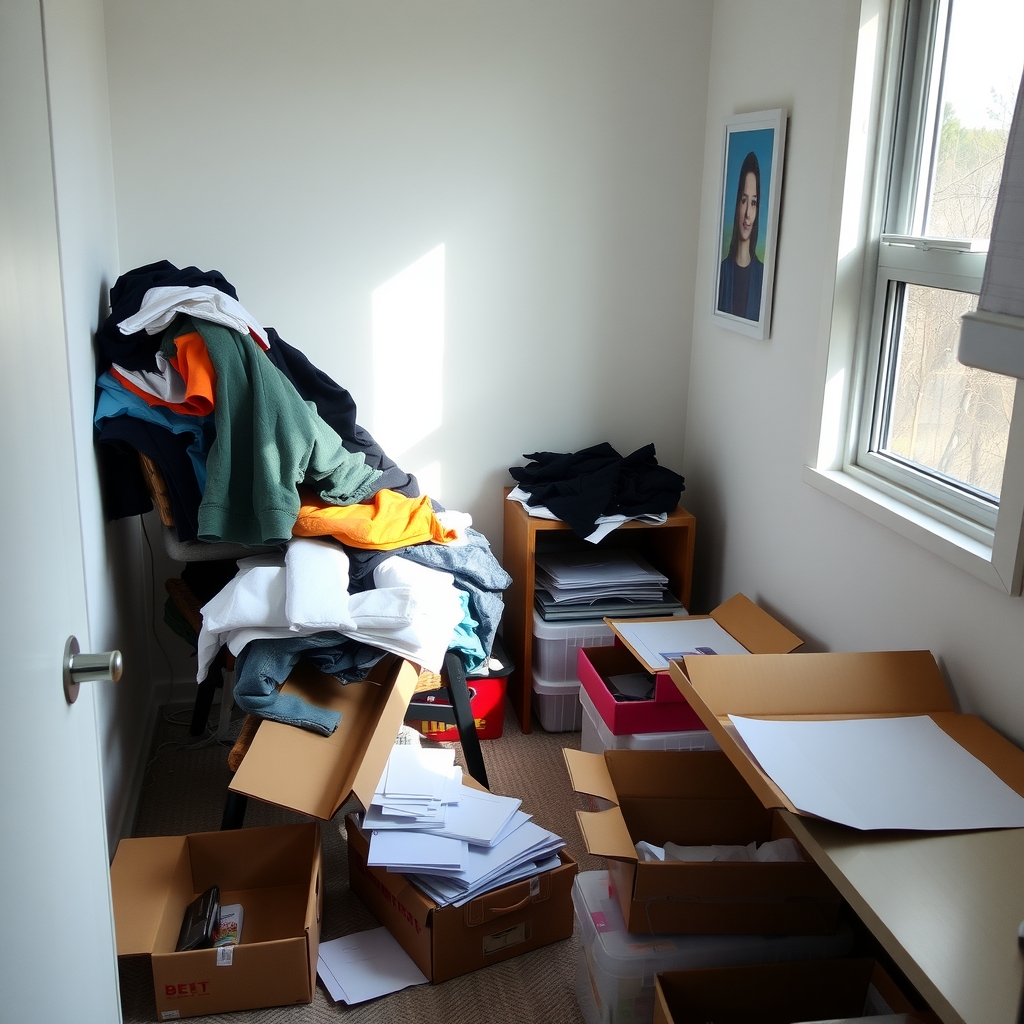 Free fix inside
Small Spaces & Storage · Clutter
Clutter Taking Over Your Room? A Storage Setup That Sticks
Read the fix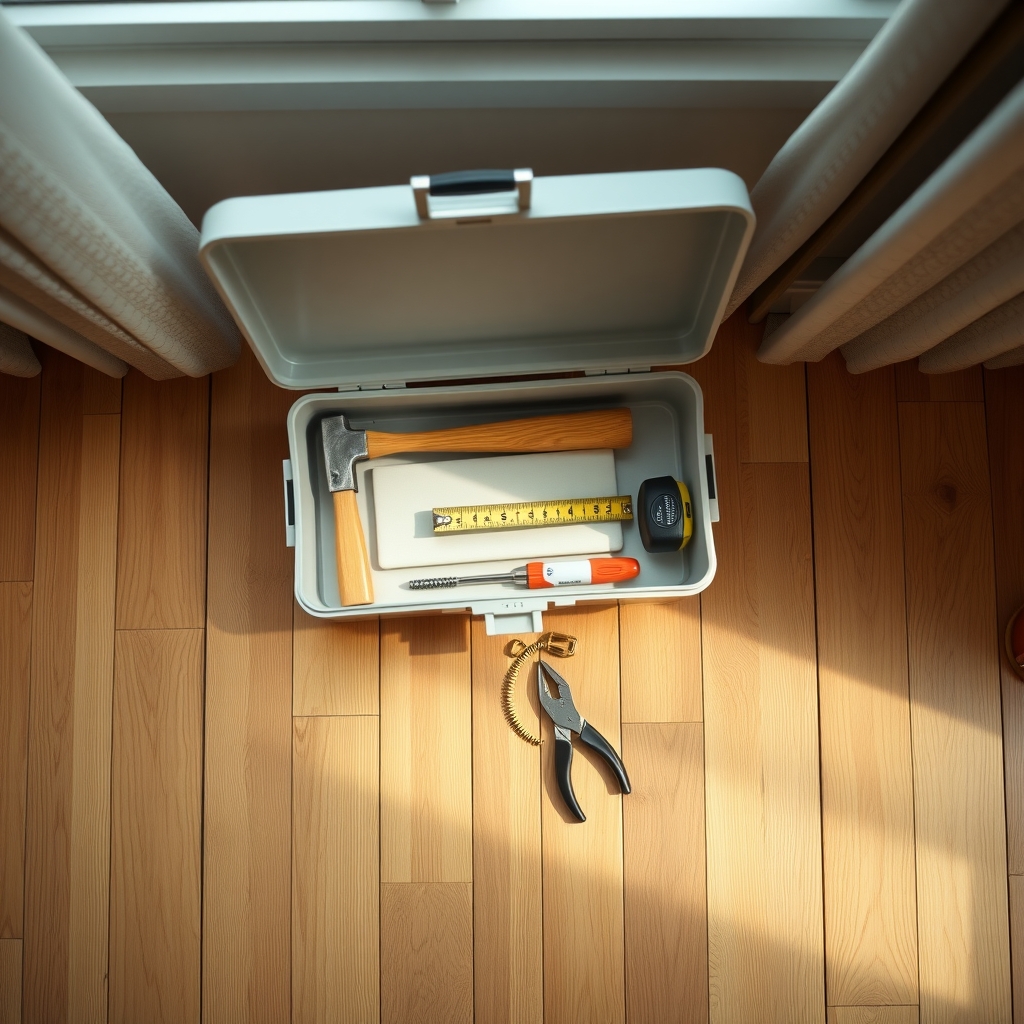 Free fix inside
Small Spaces & Storage · Small Apartment
Small Apartment Tool Kit: What to Buy and What to Skip
Read the fix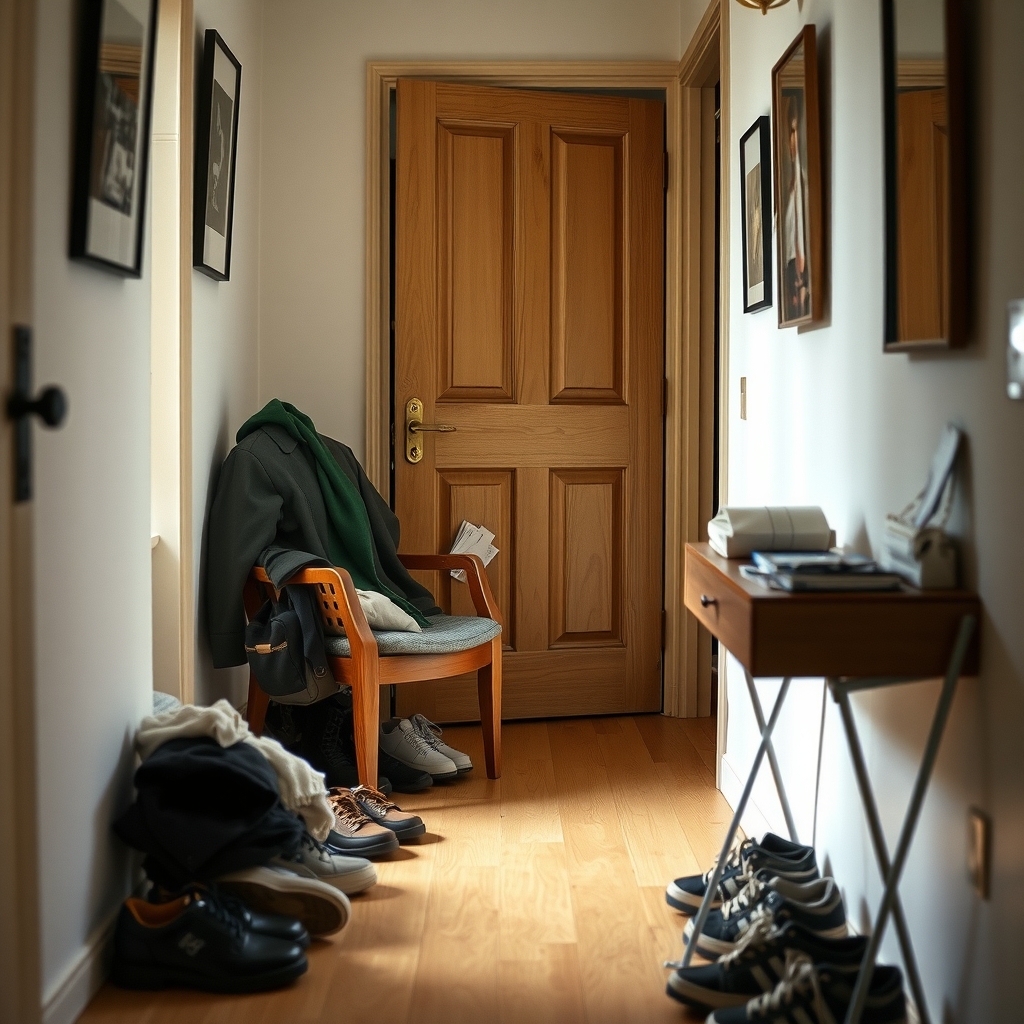 Free fix inside
Small Spaces & Storage · Entryway
How to Keep an Entryway Organized: Wall Racks That Catch the Clutter
Read the fix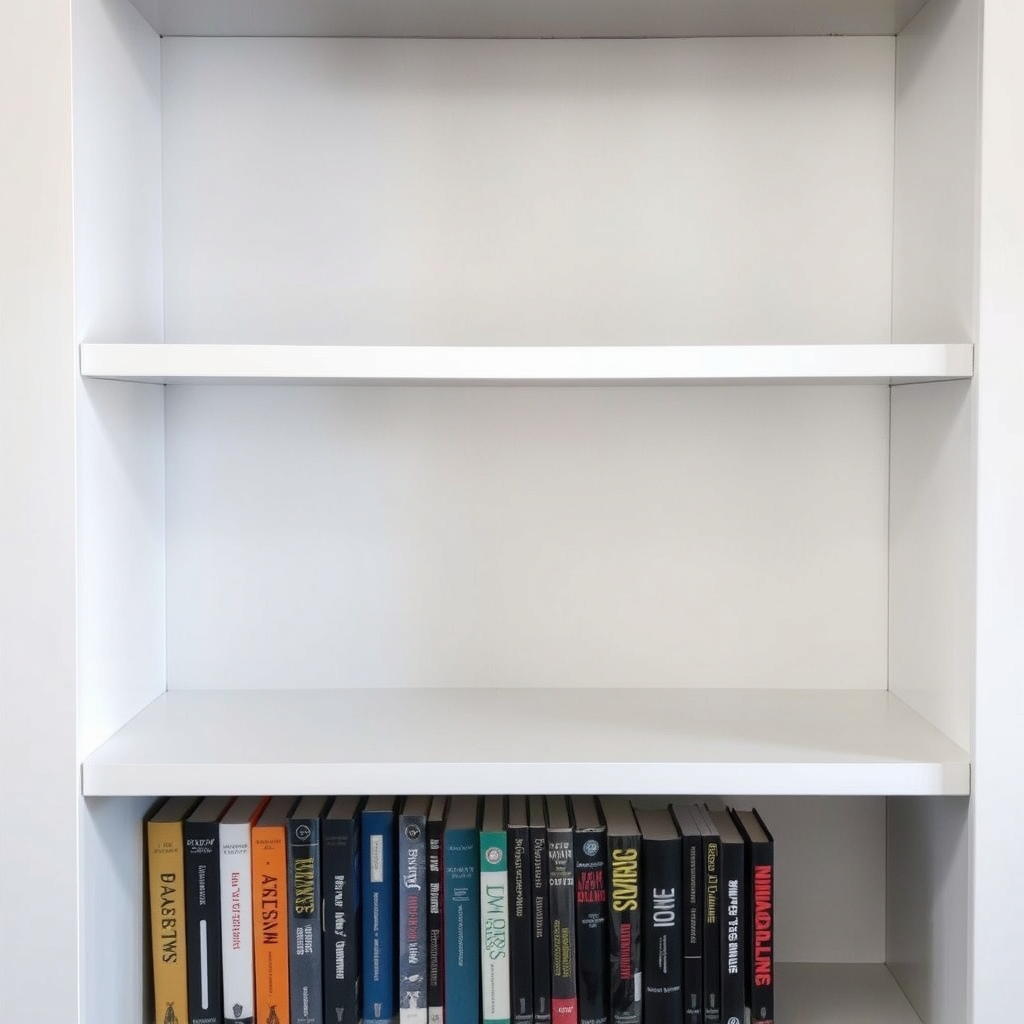 Free fix inside
Small Spaces & Storage · Bookshelf
Bookshelf Shelves Bowing? The Support That Stops the Sag
Read the fixAs an Amazon Associate I earn from qualifying purchases. Affiliate disclosure