Clutter Taking Over Your Room? A Storage Setup That Sticks
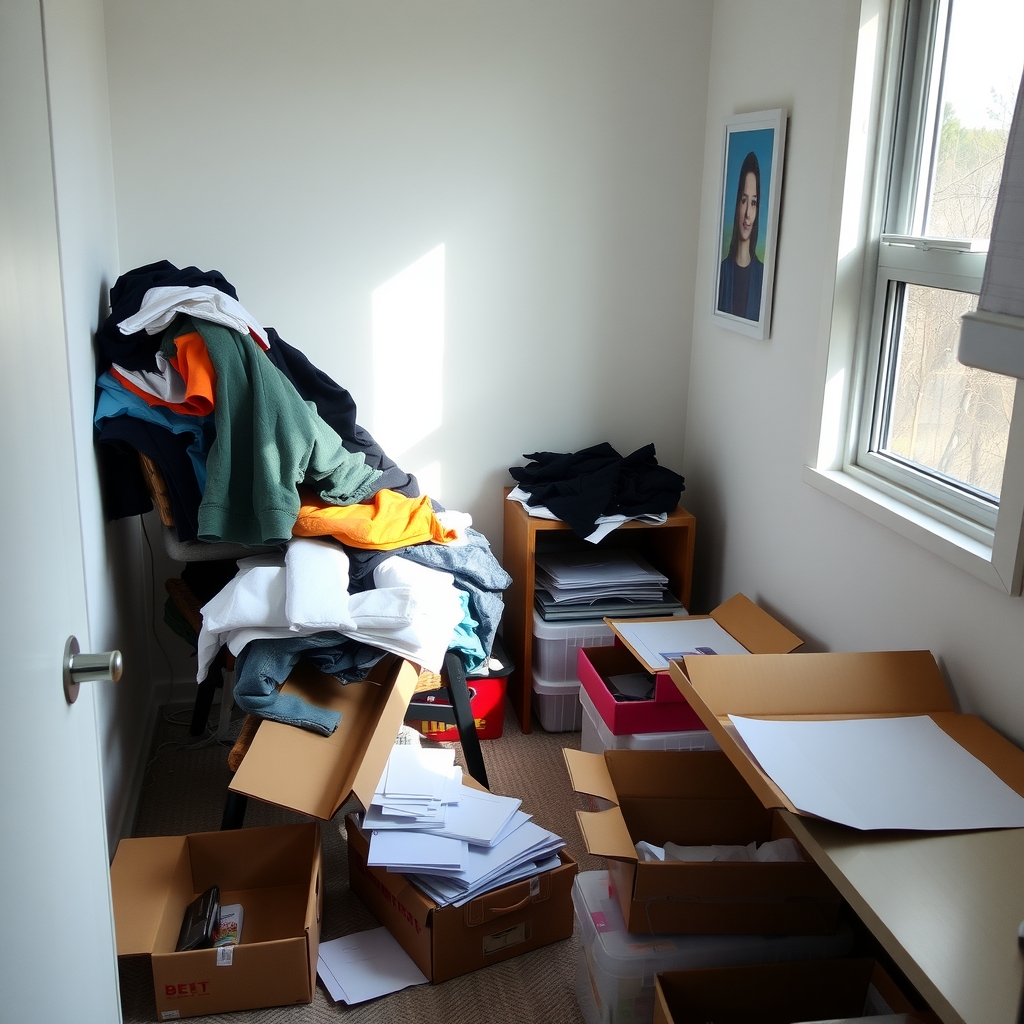
Clutter returns when things have no home. Sort first, then give every keeper one labeled spot, so the room stays clear without a big weekend clean.
By Jamilur Rahman Updated November 5, 2026 · 6 min read
- Time
- 2 hr
- Cost
- $20-$50
- Difficulty
- Medium
In this guide
Quick answer
To get rid of clutter in your room, sort everything into keep, move, donate and trash first, then give each keeper one labeled home. Sorting is free and does most of the work. Stackable bins with lids only come in after, to hold the things you keep, so you do not buy storage for stuff you will end up giving away.
Free fix vs. permanent fix
Sort it into four boxes
- Do a 15-minute sweep to clear the floor and surfaces
- Sort items into keep, move, donate and trash
- Give each keeper a home by category
- Take the donate box out of the room this week
How long it lasts: A few weeks to months. Without a home for each item, clutter creeps back.
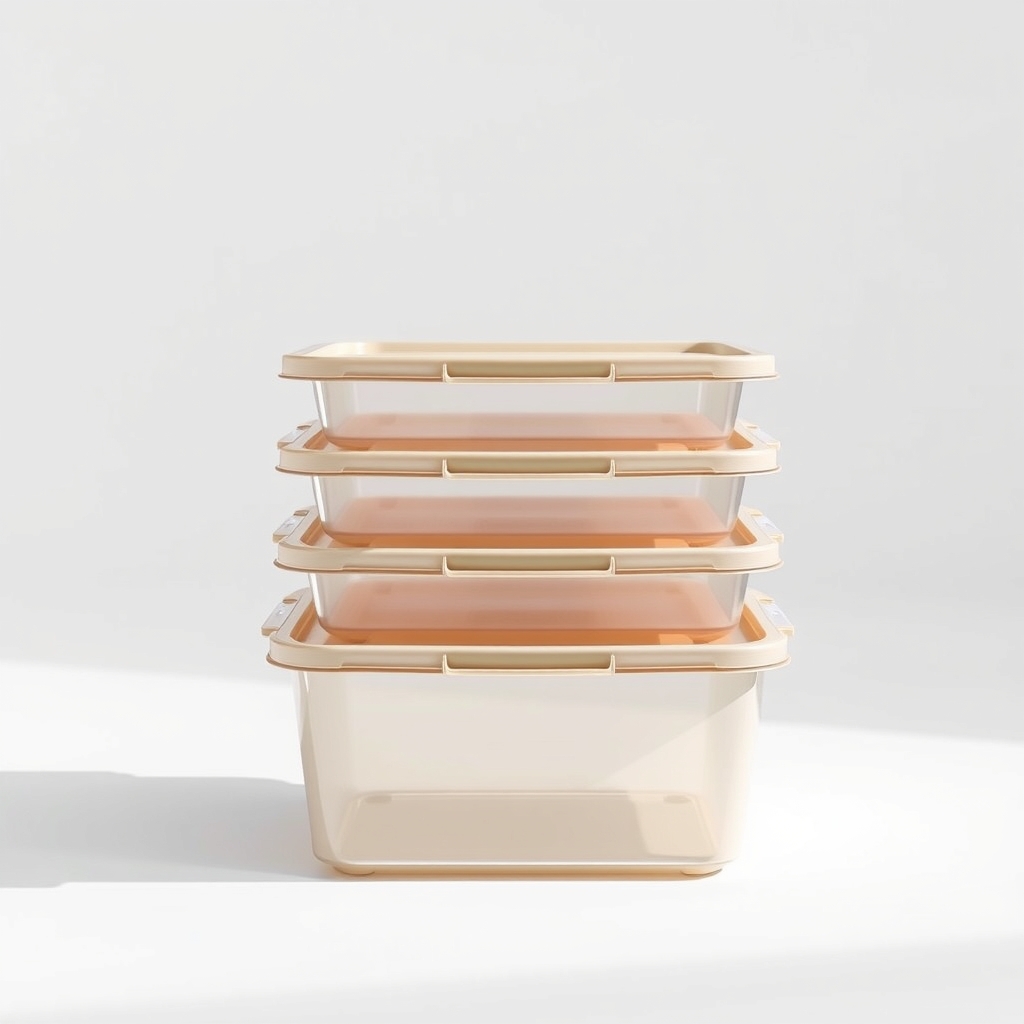
Stackable storage bins with lids
Open piles are what clutter looks like. A lidded bin per category keeps loose items off surfaces and the floor, stacks up instead of out, and hides what you do not use daily. Any sturdy box works for a start, and bins make the system tidier and easier to keep.
How long it lasts: Years. Each category has a labeled bin, so putting things away takes seconds.
As an Amazon Associate I earn from qualifying purchases.
What you'll need
-
Trash bag
For the trash pass
You have it -
Four boxes or laundry baskets
Keep, move, donate, trash
You have it -
Marker and masking tape
For labels while you test the layout
You have it - Our pick Illustration
Stackable storage bins with lids
Buy after sorting, once you know what you are keeping
- Illustration
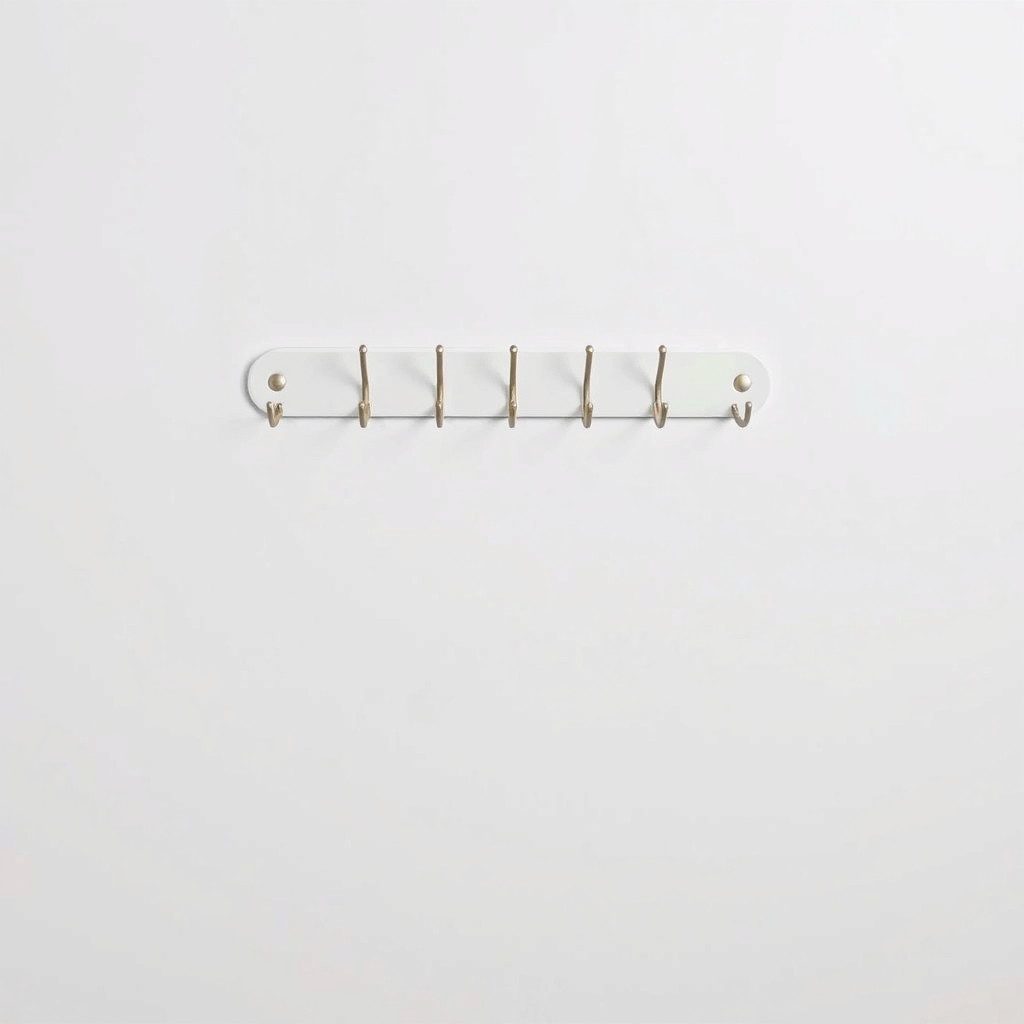
Over-the-door hook rack
Gets bags, coats and scarves off chairs and the floor
- Illustration
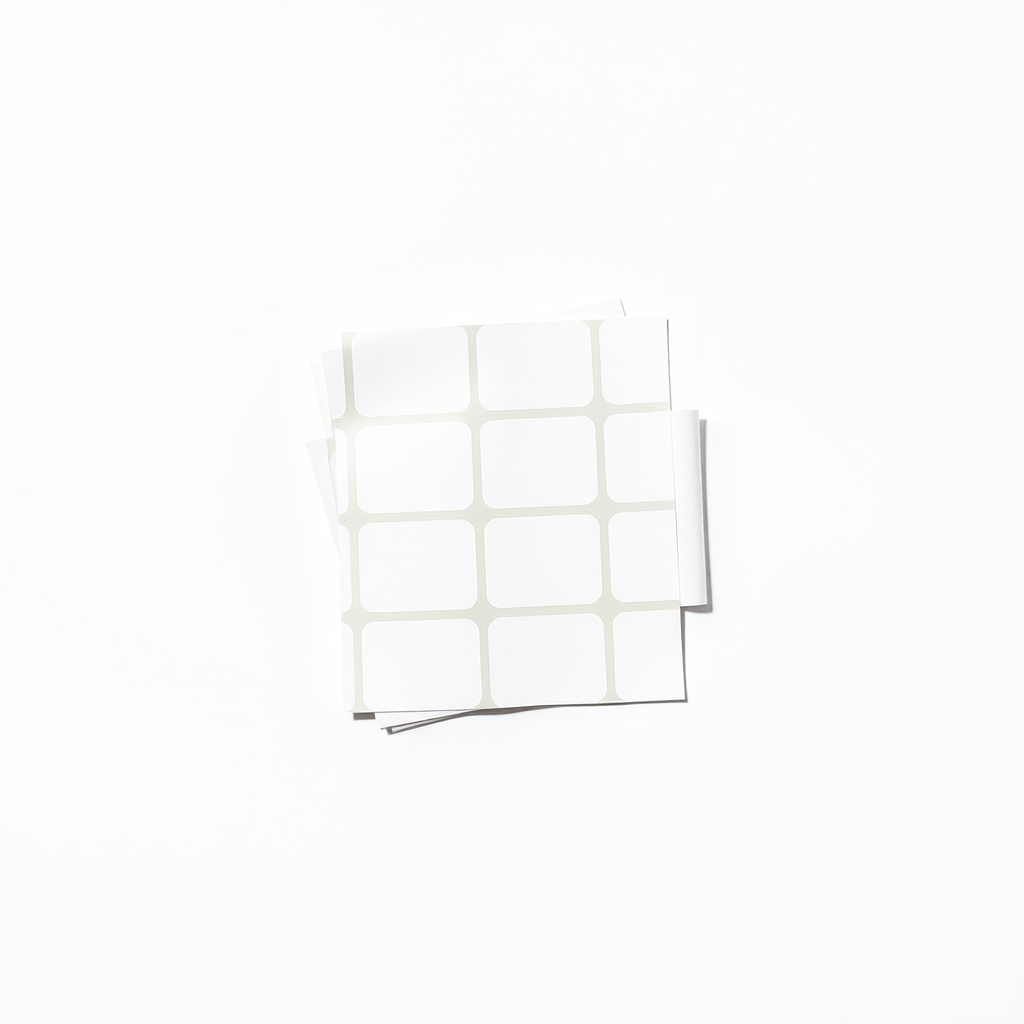
Adhesive label stickers
Names each bin so everyone puts things back
Why it happens
Things have no assigned home
When an item has no spot, it lands on the nearest flat surface. A chair, a desk and the floor turn into storage by default.
More stuff than the space holds
Clothes you no longer wear, old papers and gifts you do not use fill drawers and shelves. Every extra item competes with what you use.
Putting off decisions
A pile of things you might need someday keeps growing because nobody decides. Each one is small, but together they take over.
Buying storage before sorting
New bins filled with things you do not use only hide the clutter in a nicer container. Storage works after you cut.
Try this first (free)
Do these in order, starting with the simplest.
-
Do a 15-minute sweep first
Tool used: Trash bagSet a timer. Put trash in the bag, dishes and laundry where they belong, and everything else into one basket. A clear floor and bed make the room feel better right away, which keeps you going.
-
Sort the basket into four boxes
Tool used: Four boxes or laundry basketsLabel them keep, move to another room, donate and trash. Pick up each item once. If you have not used it in the past year and it has no sentimental value, donate it.
-
Give each keeper a home by category
Group like with like: clothes, paper, tech, hobby gear and keepsakes. Put daily items within arm's reach and rarely used ones on high shelves or under the bed.
-
Measure, then buy bins that fit
Tool used: Stackable storage bins with lidsMeasure the shelf, closet floor or under-bed gap, and count your categories. Buy bins that stack to the height you have. Use masking tape labels first to test the layout.
IllustrationCheck price on AmazonTool for this step
Stackable storage bins with lids · Buy after sorting, once you know what you are keeping
-
Label the bins and finish with a 5-minute reset
Tool used: Marker and masking tapeLabel each bin on the end you can see. Each evening, put things back in their bins for 5 minutes. Keep to one in, one out: when something new arrives, something goes.
When free fixes aren't enough
If the room is clear after sorting but surfaces fill up again within weeks, items still have nowhere to go. That is when bins and hooks help: they give every category a spot that is faster than leaving it on a chair. If you cannot let go of things, or clutter blocks doors, walkways or heaters, take it slowly and ask for help. Keep exits and floor space around any heater clear for fire safety. A professional organizer or a therapist can help when clutter feels overwhelming.
Buy the fix
Still stuck after the free fixes? These are the products we would look at.
| Pick | Product | Fixes | Who it's for | Buy |
|---|---|---|---|---|
| Best pick | Stackable storage bins with lids | loose items piling up on floors, chairs and desks | Anyone who has sorted the room and needs a home for the keepers. | Check price |
| Budget pick | Over-the-door hook rack | bags, coats and scarves piling on chairs and the floor | Anyone whose clutter is mostly coats, bags and clothes worn once. | Check price |
Stackable storage bins with lids
Fixes: loose items piling up on floors, chairs and desks
Look for: Lids that fit tightly and stack flat; Sizes that fit your shelf, closet or under-bed gap; A clear body, or a label panel, so you can see what is inside.
- Who it's for
- Anyone who has sorted the room and needs a home for the keepers.
- Honest downside
- You have not sorted yet. Bins hold clutter in a tidier box, so sort first.
Over-the-door hook rack
Fixes: bags, coats and scarves piling on chairs and the floor
Look for: A door-thickness fit that does not stop it closing; Several hooks of different sizes; A padded back so the door does not get scratched.
- Who it's for
- Anyone whose clutter is mostly coats, bags and clothes worn once.
- Honest downside
- You rent and cannot add anything to the door. Check the door depth before buying.
As an Amazon Associate I earn from qualifying purchases. We don't show prices because they change, so use the button to see today's price.
How we picked: How we picked: this page is based on professional organizer guidance on sorting and storage, fire-safety advice on clear walkways, and what people report about stackable bins in reviews. We do not test products by hand.
Four questions for items you cannot decide on
- Have I used it in the past year?
- Would I buy it again today?
- Do I have another one that does the same job?
- Is it worth the space it takes?
Two or more "no" answers mean it can leave. Keep a small box for true keepsakes, so they get a home too.
Where bins fit in a small room
Use the top shelf of the closet, the gap under the bed and the floor under a desk. Put the heaviest bins at the bottom of a stack, with the lids facing out. Keep daily items in an open basket where you can reach them.
What to skip
Buying storage before sorting, and one big weekend purge
Bins bought first turn into a place to hide what you should donate. A huge one-day purge also burns people out, and the room is back in a month. Work in short rounds instead, and sort one category at a time.
Frequently asked questions
How do I get rid of clutter in my bedroom?
How do I get rid of clutter fast?
How do I get rid of clutter in my whole house?
Do I need storage bins to declutter?
Related problems
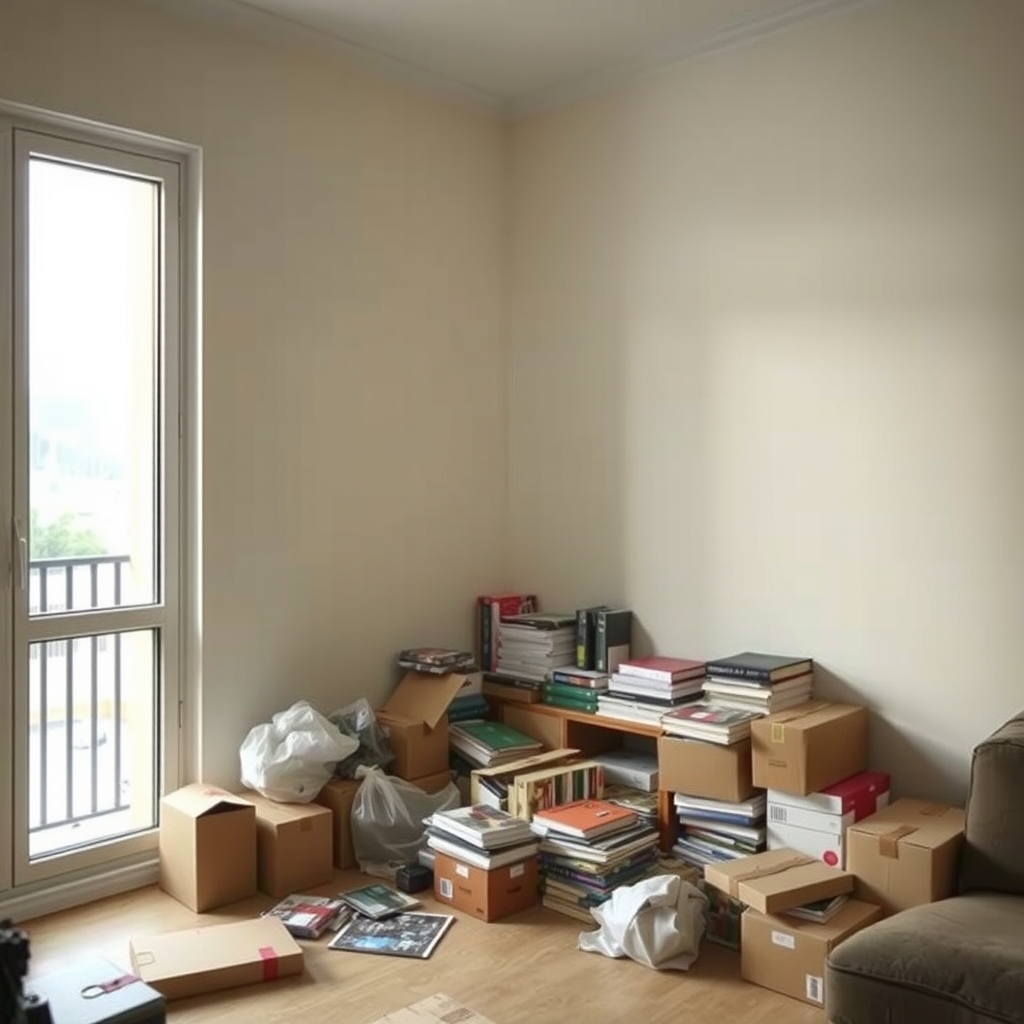 Free fix inside
Small Spaces & Storage · Small Apartment
Small Apartment, Too Much Stuff? Storage That Works Up the Walls
Read the fix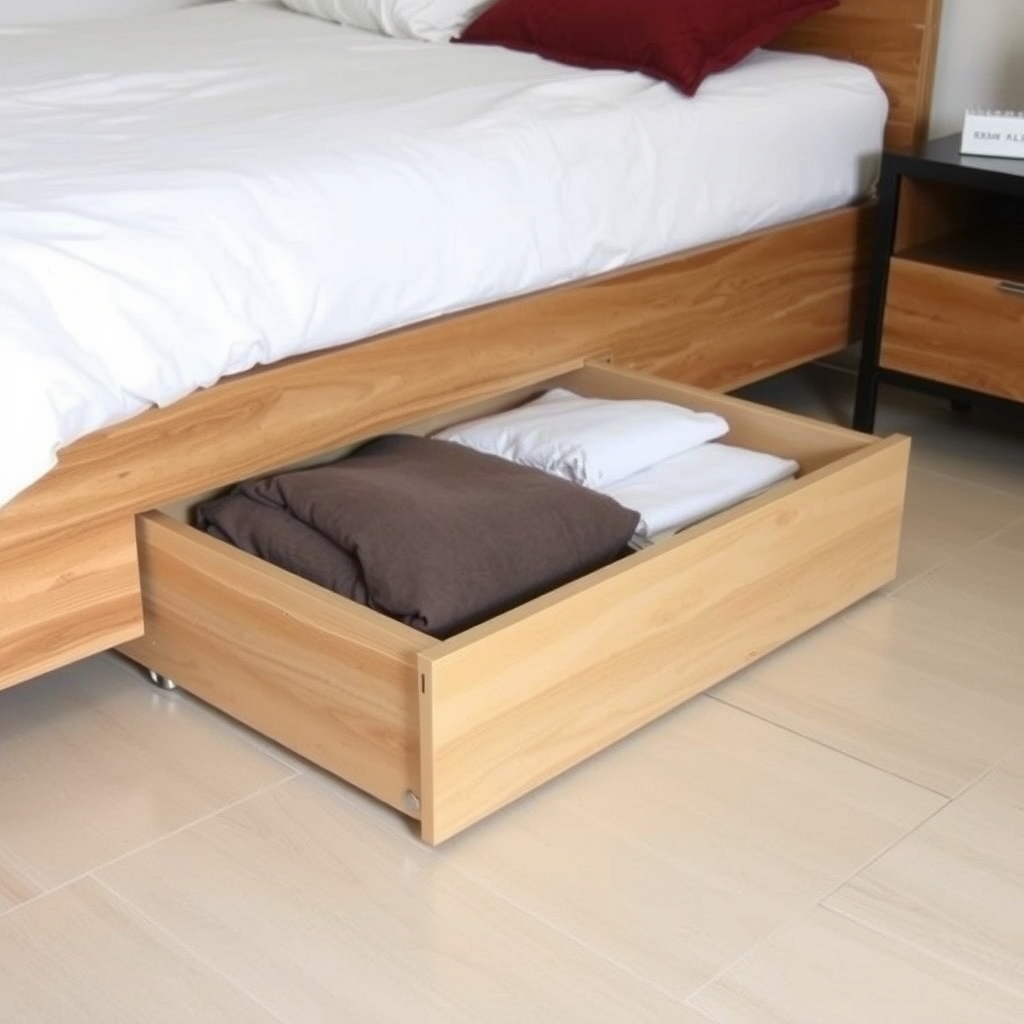 Free fix inside
Small Spaces & Storage · Under-Bed Storage
Under Bed Storage Ideas: 5 Types and the Beds They Fit
Read the fix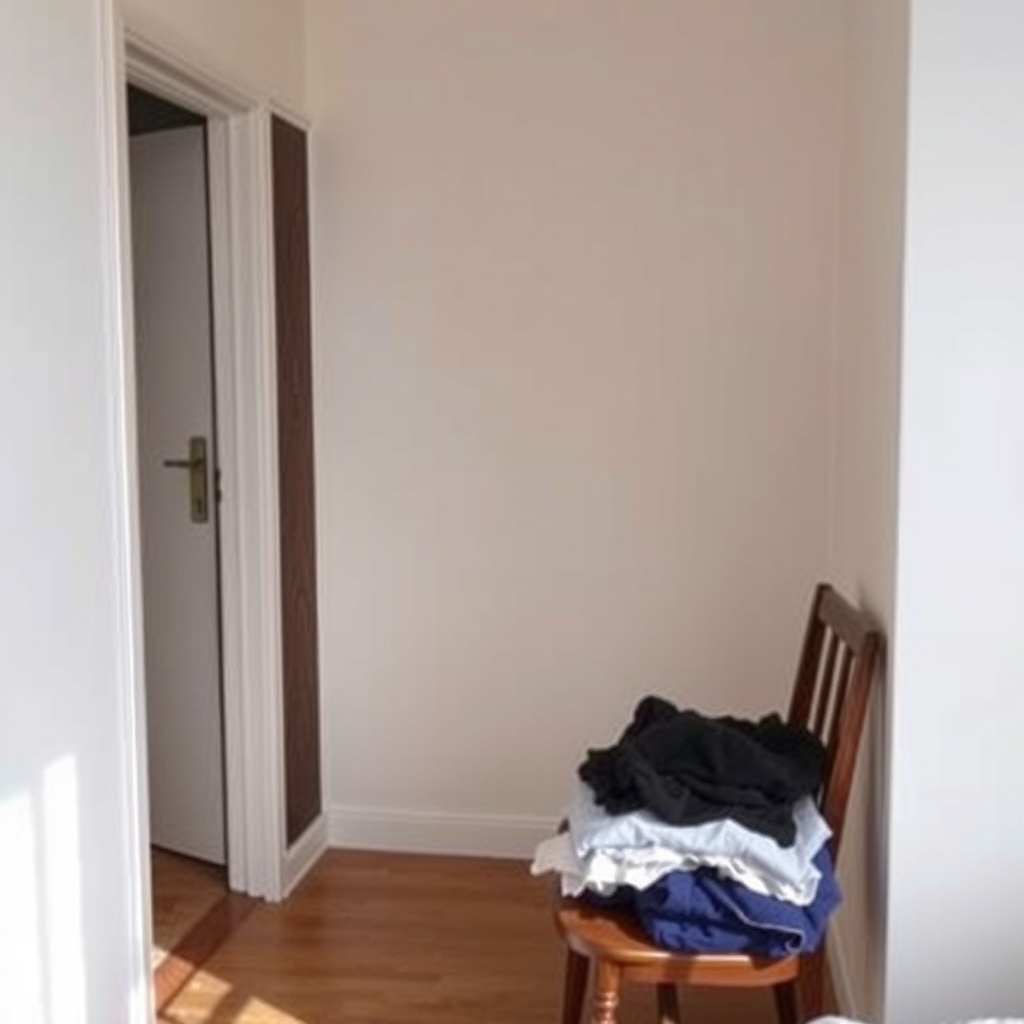 Free fix inside
Small Spaces & Storage · Bedroom Storage
Bedroom Too Small for a Dresser? 5 Space-Smart Swaps
Read the fix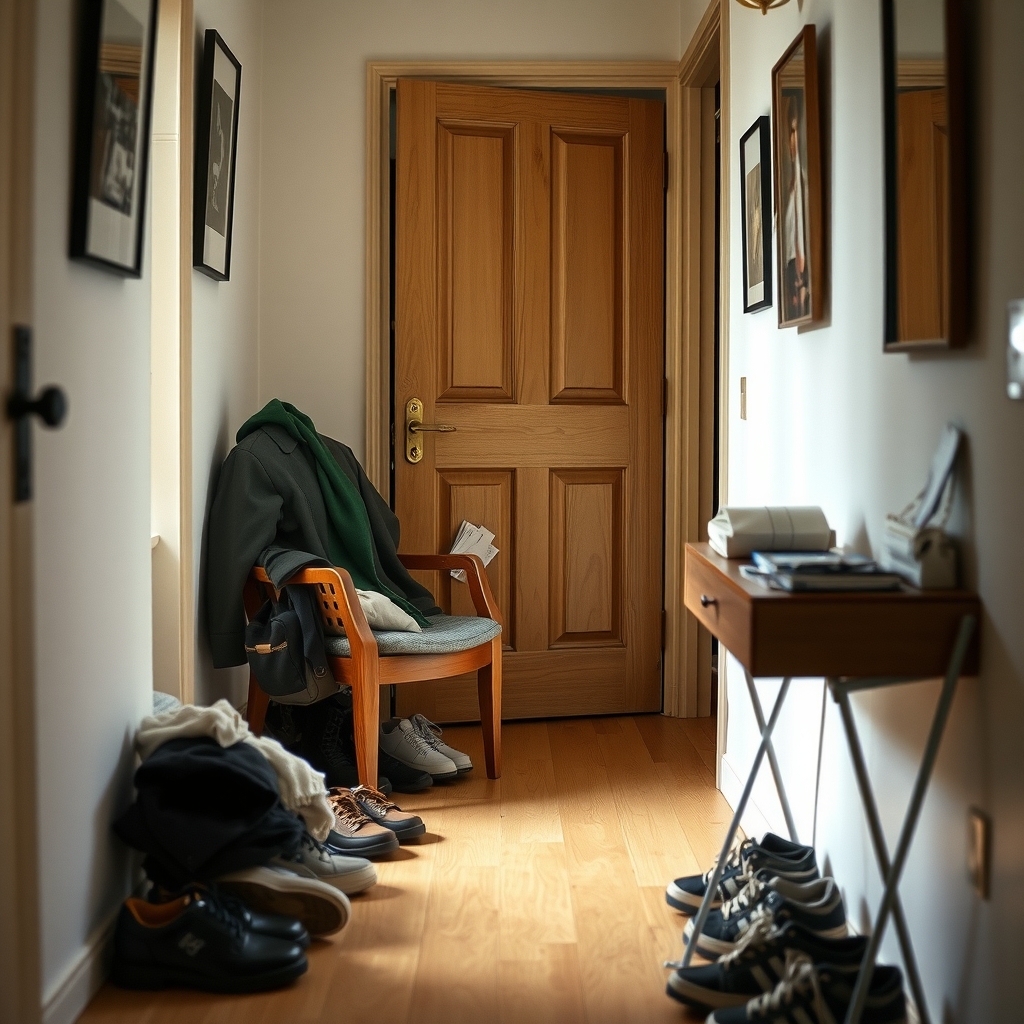 Free fix inside
Small Spaces & Storage · Entryway
How to Keep an Entryway Organized: Wall Racks That Catch the Clutter
Read the fixAs an Amazon Associate I earn from qualifying purchases. Affiliate disclosure