Shoe Keeps Untying? From a Better Knot to No-Tie Laces
Laces come undone because of a weak knot or slick laces. Fix the knot in two minutes, or go no-tie with elastic laces and never retie again.
By Jamilur Rahman Updated November 5, 2026 · 7 min read
- Time
- 5 min
- Cost
- Under $20
- Difficulty
- Easy
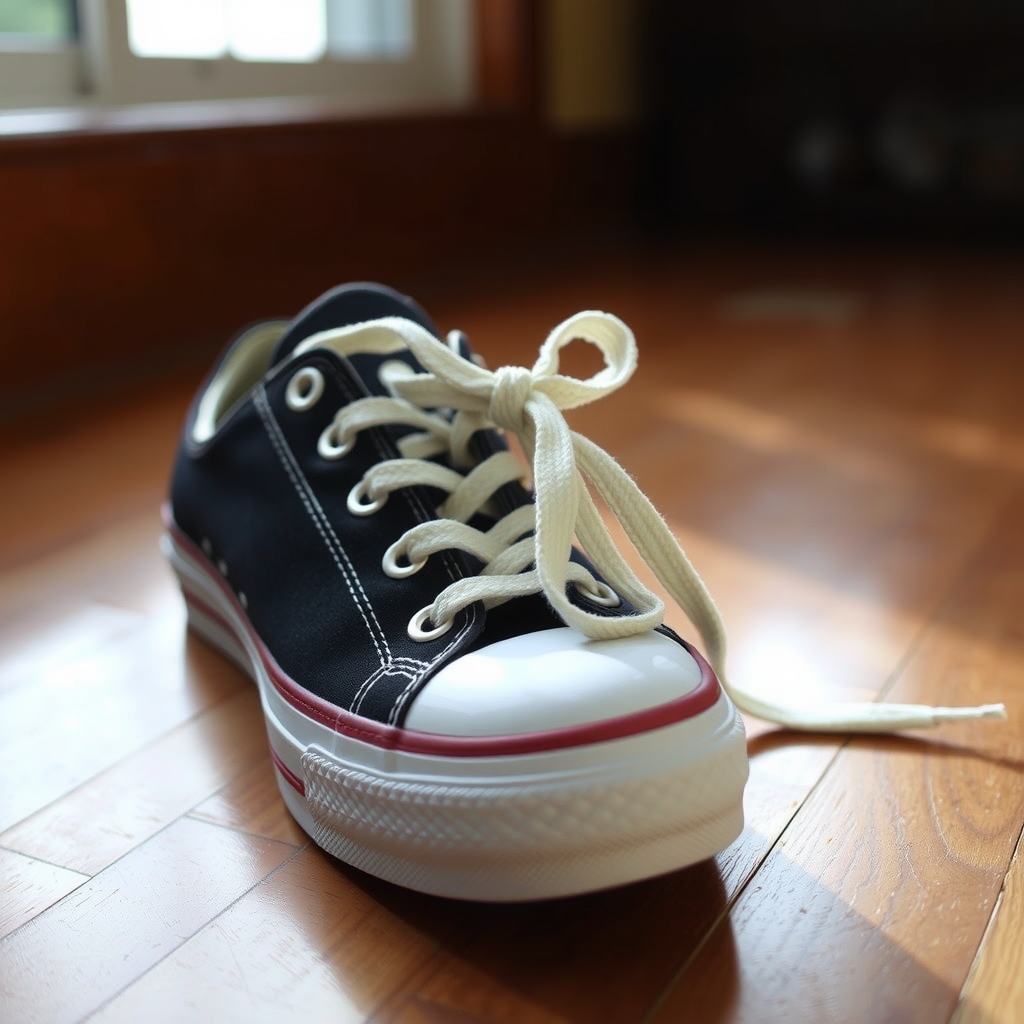
In this guide
Quick answer
If your shoe keeps untying, the usual cause is a granny knot or slick laces, not bad luck. Tie a square knot with a double wrap, keep the loops short and use the top eyelet, and most shoes stay tied all day. If you are tired of retying, or the shoes belong to a young child or someone who cannot bend down easily, no-tie elastic laces end the problem for good.
Free fix vs. permanent fix
Tie a stronger knot
- Tie a square knot, not a granny knot
- Wrap the first tie twice for extra grip
- Keep the loops short and tuck them in
- Use the top eyelet to lock your heel
How long it lasts: As long as you tie it the same way every time. It can slip again on slick laces or when you rush.
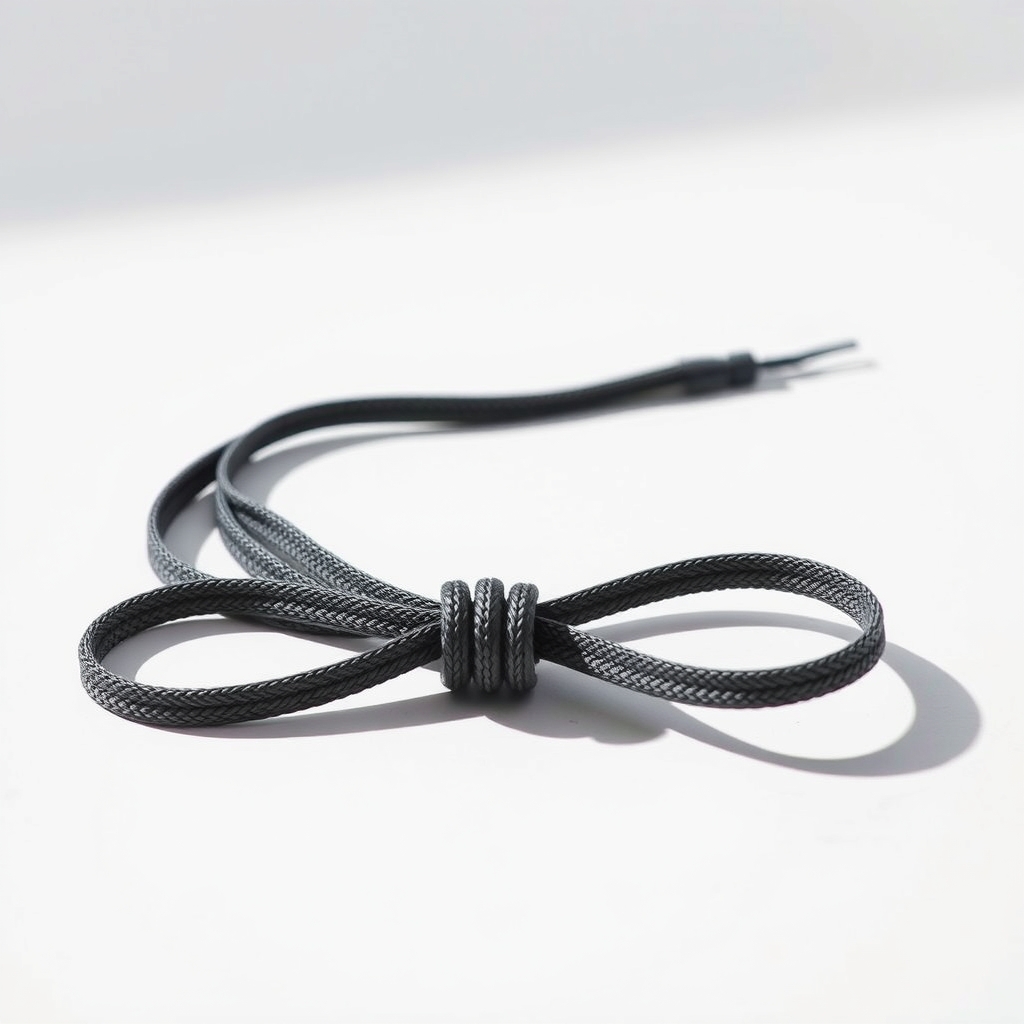
No-tie elastic laces with a lock
A bow can only be as strong as the knot and the lace. Elastic laces with a lock remove the bow altogether. You slip the shoe on, and it stays snug. Kids, runners and anyone who hates stopping to retie get the biggest payoff.
What to get: No-tie elastic shoelaces with a lock
How long it lasts: Years of daily wear. There is no bow, so there is nothing to come undone.
As an Amazon Associate I earn from qualifying purchases.
What you'll need
-
Your current laces
Check the ends for fraying and the lace for a slick, waxy feel
You have it -
Scissors
For trimming laces that are too long
You have it - Illustration
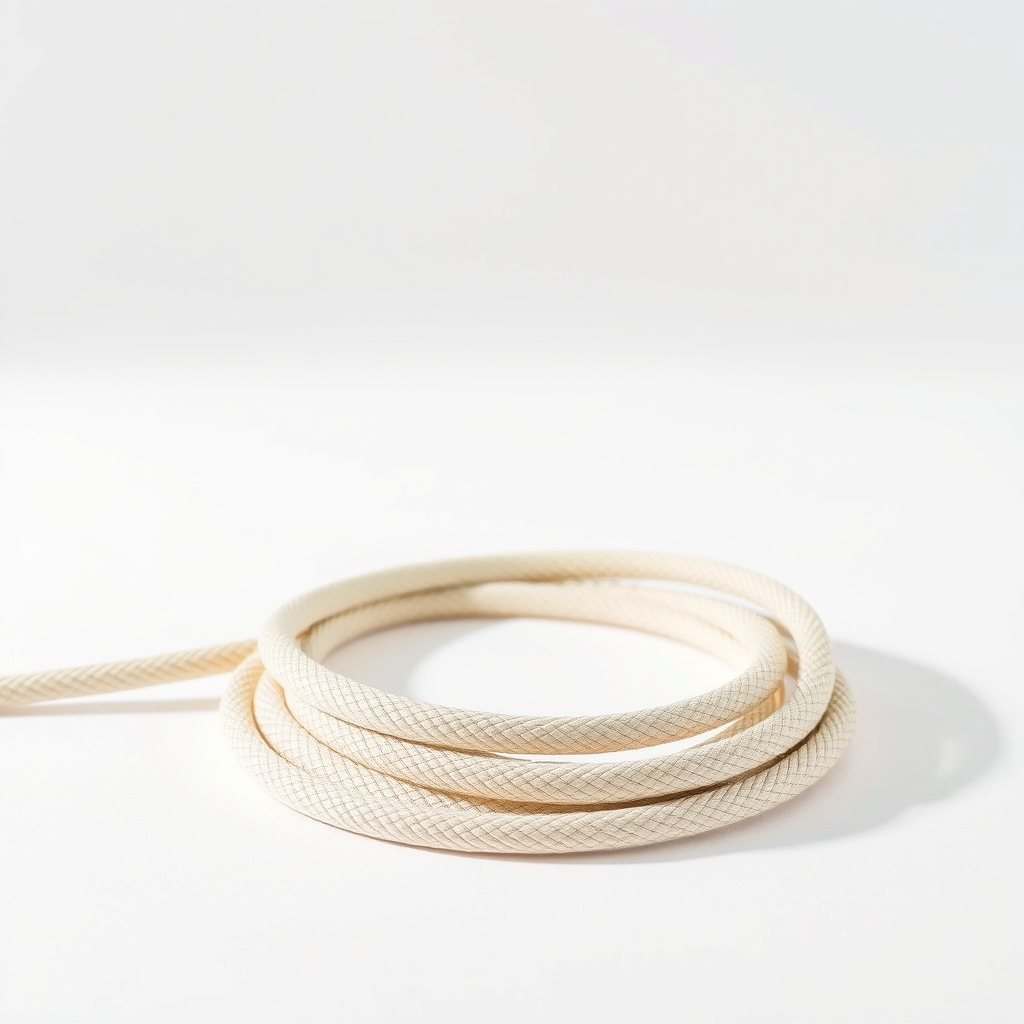
Textured cotton replacement laces
Grip better than smooth polyester, and cheap to swap in
- Our pick Illustration
No-tie elastic laces
The lasting fix if you never want to tie again
Why it happens
A granny knot instead of a square knot
Many people tie the first knot one way and the bow the same way. That makes a granny knot, which slips apart easily. A square knot lies flat across the shoe and holds far better.
Slick or worn laces
Smooth polyester, flat athletic laces and waxy finishes slide against themselves. Even a good knot loosens a little with every step.
Loops and tails that are too long
Long loops swing as you walk, catch on pant legs and get stepped on. Each tug pulls the bow a bit looser.
A heel that moves in the shoe
If your heel slides up and down, the laces take the strain with every step. Skipping the top eyelet makes this worse.
Try this first (free)
Do these in order, starting with the simplest.
-
Check your knot, then retie it as a square knot
Look at the finished bow. If it sits flat across the shoe with loops pointing sideways, it is a square knot. If it twists so the loops point toward your toes and heel, it is a granny. Retie, and wrap the second half the opposite way from the first. The two-loop method, sometimes called the Ian knot, always makes a square knot.
-
Wrap the first tie twice
When you make the first knot, pass the lace around twice before pulling tight. This is a surgeon's knot. The extra turn adds friction, so the knot does not slide while you finish the bow.
-
Shorten and tuck the loops
Tool used: ScissorsTrim laces that leave loops swinging past the sole. Then tuck the loops under the cross-laces so they cannot catch or swing.
-
Use the top eyelet for a heel lock
Thread each lace through the extra top eyelet on the same side to make a small loop. Cross the laces, thread each end through the opposite loop, and pull snug before you tie. This keeps your heel from sliding, so the laces stop loosening.
-
Swap slick laces for grippy ones
Tool used: Textured cotton replacement lacesIf a good knot still slips, the lace is the problem. Replace smooth polyester with textured cotton laces of the same length. Count your eyelet pairs and check the length chart on the pack.
IllustrationCheck price on AmazonTool for this step
Textured cotton replacement laces · Grip better than smooth polyester, and cheap to swap in
When free fixes aren't enough
If you tie the knot right and the shoe still comes undone, or you simply do not want to think about it, laces are the weak link. Young kids who cannot tie yet, people with arthritis or back pain, and anyone in a rush every morning are better off with no-tie elastic laces. They will not suit every shoe. For hiking boots or sports that need a firm, exact fit, a surgeon's knot plus the top-eyelet lock is the better choice.
Buy the fix
Still stuck after the free fixes? These are the products we would look at.
| Pick | Product | Fixes | Who it's for | Buy |
|---|---|---|---|---|
| Best pick | No-tie elastic shoelaces with a lock | laces that keep coming undone, and the daily retie | Parents of young kids, runners and walkers, and anyone who has trouble bending down or tying a bow. | Check price |
| Budget pick | Textured cotton or waxed round replacement laces | laces so slick that a good knot still slides | People who like tied laces and only need more grip. | Check price |
No-tie elastic shoelaces with a lock
Fixes: laces that keep coming undone, and the daily retie
Look for: Stretchy elastic cord that lets you slip the shoe on without untying; A lock or clasp that holds the tension you set; Enough laces in the pack for your eyelet count; A cord thin enough to pass through your eyelets.
- Who it's for
- Parents of young kids, runners and walkers, and anyone who has trouble bending down or tying a bow.
- Honest downside
- You need a precise, firm fit for sharp turns or hard hiking. Stay with tied laces and a surgeon's knot.
Textured cotton or waxed round replacement laces
Fixes: laces so slick that a good knot still slides
Look for: Cotton or waxed cotton, not slick polyester; A length that matches your eyelet pairs; Tight, finished tips that will not fray.
- Who it's for
- People who like tied laces and only need more grip.
- Honest downside
- Your knot is the real problem. New laces will not fix a granny knot.
As an Amazon Associate I earn from qualifying purchases. We don't show prices because they change, so use the button to see today's price.
How we picked: How we picked: this page is based on knot guides from shoe and outdoor makers, running-shoe lacing advice, and the problems and fixes people report in lace reviews. We do not test products by hand.
Granny knot or square knot? A 5-second check
Look at your finished bow from above.
- Square knot: the bow lies flat across the shoe, loops pointing to the sides. It holds.
- Granny knot: the bow twists, with loops pointing toward the toe and heel. It slips.
If you see the granny shape, undo the bow and tie the second half in the opposite direction from the first.
Who should go no-tie
Elastic no-tie laces fit best on casual sneakers, kids' shoes and running shoes. They are a good fit for anyone who cannot easily reach their feet. They are a poor fit for work boots, ice skates or shoes that need to be cinched tight.
What to skip
Glue, tape and double knots on a granny
Gluing or taping a bow makes laces stiff and hard to adjust, and it can leave a mark on the shoe. A double knot tied over a granny knot is harder to undo and still comes loose. Fix the first knot instead.
Frequently asked questions
Why does my shoe keep coming untied after I tie it?
What is the strongest way to tie shoelaces?
Are no-tie laces OK for running?
How do I stop my kid's shoes from coming untied?
Related problems
 Free fix inside
Small Spaces & Storage · Shoe Fit
How to Stop Shoes Slipping Off Your Heel: Grips vs. Insoles
Read the fix Free fix inside
Small Spaces & Storage · Shoe Fit
Shoes Too Big? 5 Fixes That Make Them Fit, No Return Needed
Read the fix Free fix inside
Small Spaces & Storage · Shoe Fit
Shoes Too Tight? Stretch Them at Home With the Right Tool
Read the fix Free fix inside
Small Spaces & Storage · Shoe Blisters
How to Stop Shoes From Giving Blisters Before They Start
Read the fixAs an Amazon Associate I earn from qualifying purchases. Affiliate disclosure