How to Stop Closet Moths Before They Chew Through Your Wool
Moth larvae eat wool, cashmere and silk, not the adult moths you see. Clean everything out, freeze or wash it, then trap the rest.
By Jamilur Rahman Updated November 5, 2026 · 6 min read
- Time
- 2 hours, plus freezer time
- Cost
- Under $20
- Difficulty
- Medium
In this guide
Quick answer
Here is how to stop closet moths: the adult moths are not what chew your clothes, their larvae are, and they feed on wool, cashmere, silk, fur and dirty fabric. Find where they are, wash or freeze every item that could be infested, and vacuum the closet. Pheromone traps then catch the males and tell you if any moths are left, so the cycle ends.
Free fix vs. permanent fix
Empty, wash or freeze, and vacuum
- Take everything out and check each wool, cashmere and silk item
- Wash, dry clean, or freeze sealed items for at least 3 days
- Vacuum every corner and wipe the shelves
- Store clean clothes sealed
How long it lasts: It ends an infestation if you get every item. Missing one means the moths come back.
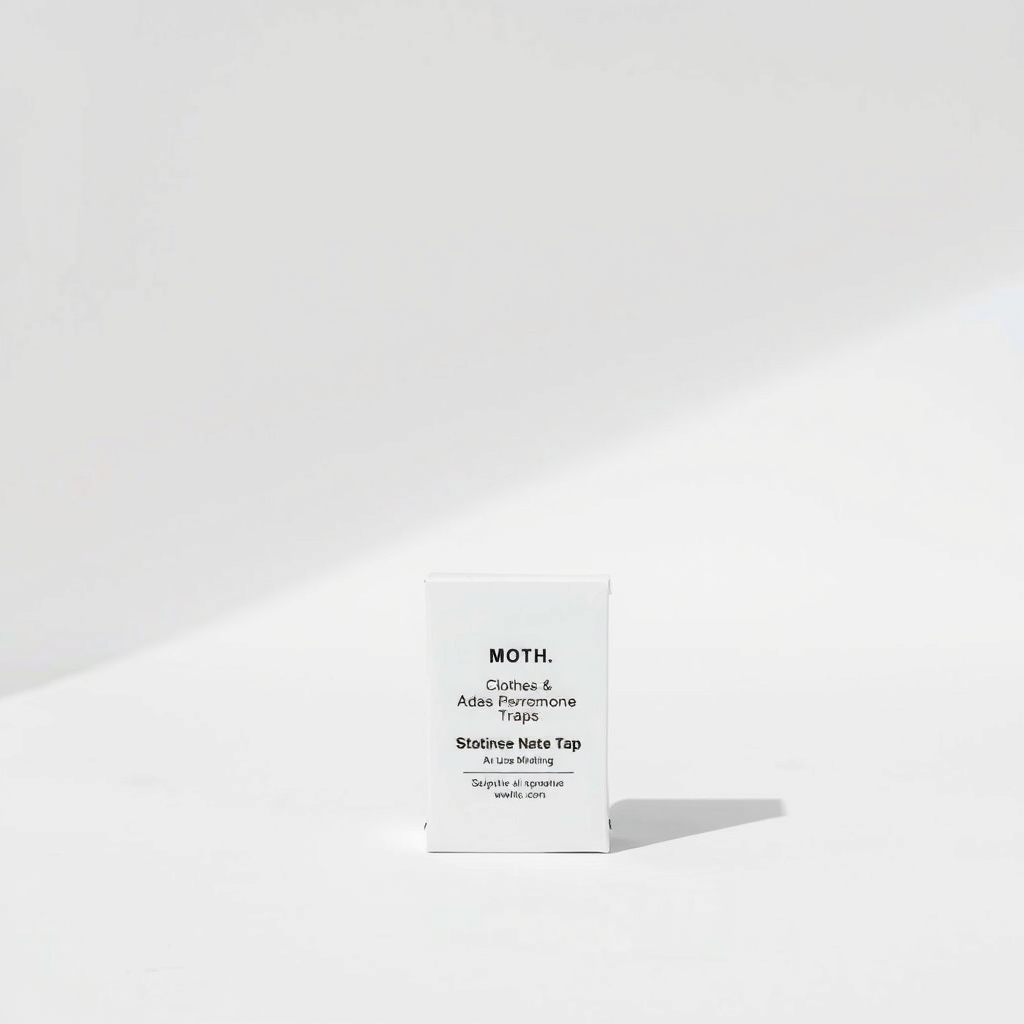
Clothes moth pheromone traps
Traps use a scent that attracts male clothes moths. They catch males so females cannot breed, and they tell you whether the moths are gone. They do not kill larvae in the clothes, so they work after the cleaning.
How long it lasts: A few months per trap, as the label says. Replace them for as long as you still see moths.
As an Amazon Associate I earn from qualifying purchases.
What you'll need
-
Vacuum with a crevice tool
For corners, baseboards and shelf edges
You have it -
Zip-top bags
To seal items before freezing
You have it -
Freezer
Set at 0°F
You have it - Our pick Illustration
Clothes moth pheromone traps
Made for clothes moths, not for pantry moths
- Illustration
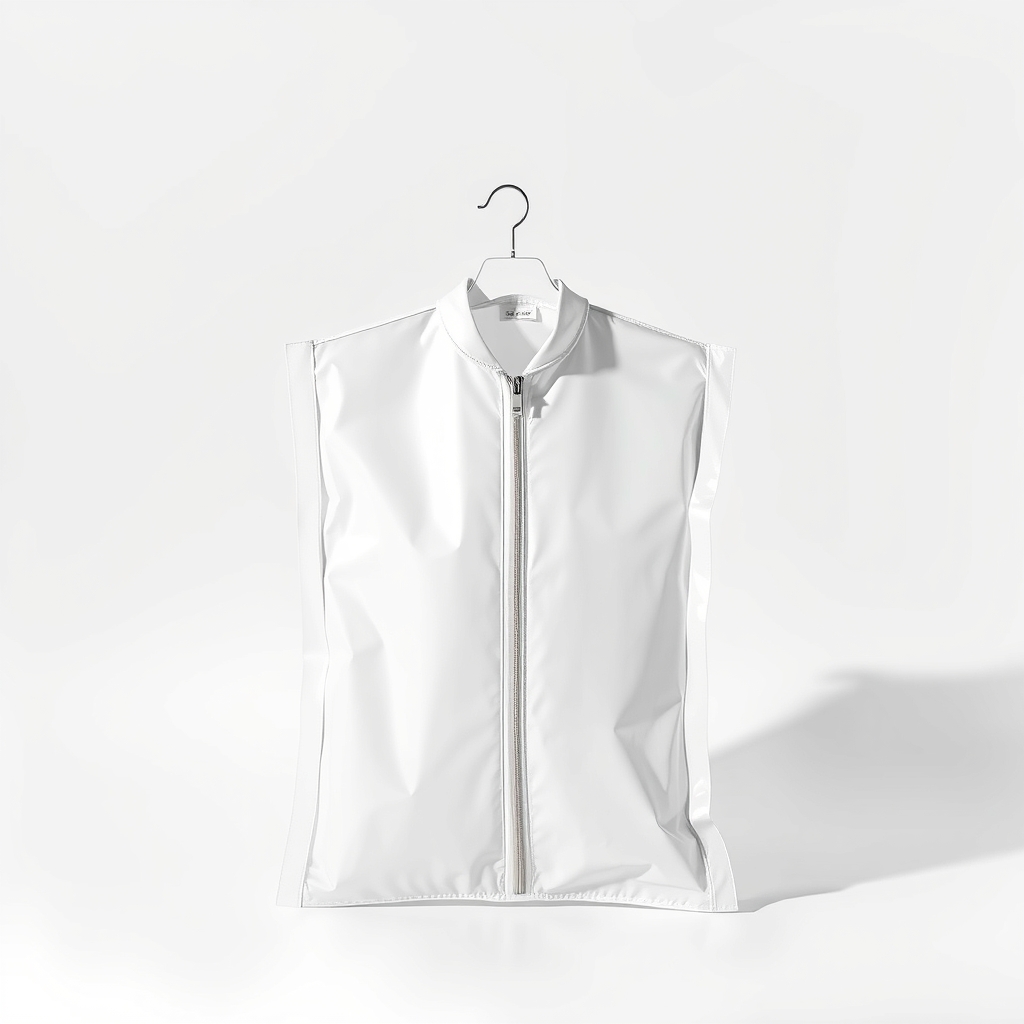
Zippered garment bags
To store clean wool and cashmere sealed
Why it happens
Larvae eating natural fibers
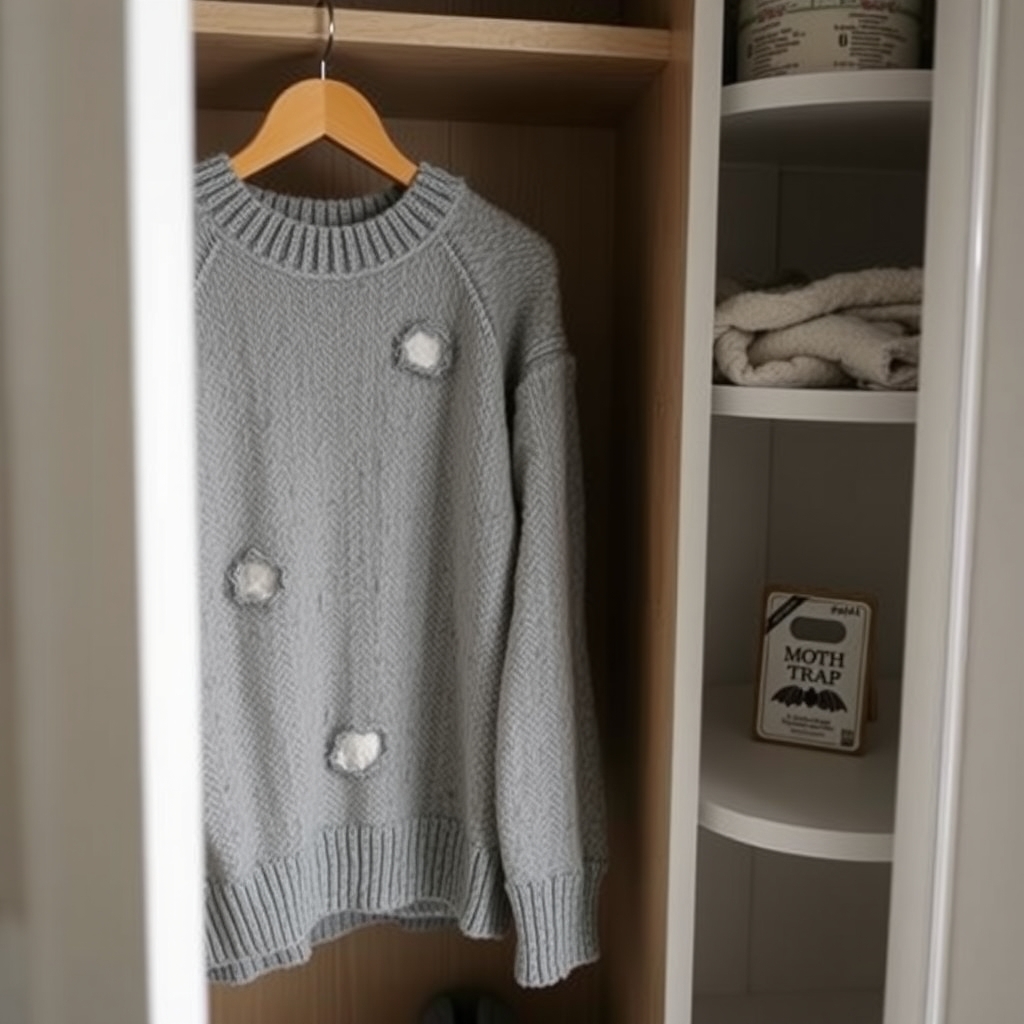
The small buff-colored moths are not what eat your sweaters. Their larvae do, and they feed on keratin in wool, cashmere, silk, fur and feathers.
Dirty or sweaty clothes
Larvae are drawn to body oil, sweat and food stains. A sweater put away without washing is a bigger target.
Dark, still corners
Closets that are rarely opened give moths peace. Eggs and larvae hide in corners, seams and folds.
A source brought in
Moths arrive on thrift store clothes, used rugs and furniture, and wool left in a bag. They can also come from pet hair and old lint under furniture.
Try this first (free)
Do these in order, starting with the simplest.
-
Check for the signs
Look for small holes, silk webbing, tiny sandy cases and shed skins on wool and shelf edges. A few small moths that run for cover when disturbed are a sign too.
-
Empty the closet and sort
Take out everything. Set aside wool, cashmere, silk, fur and anything unwashed. Leave nothing in the closet that you have not checked.
-
Wash, dry clean, or freeze
Tool used: Zip-top bagsMachine-wash what the label allows on the hottest safe setting and dry it on heat. For wool and cashmere that cannot be washed hot, seal each item in a zip-top bag and freeze it. Extension guidance says freezer cold at 0°F for at least 72 hours once the item is cold works. Dry cleaning also works.
-
Vacuum the closet
Tool used: Vacuum with a crevice toolVacuum floors, corners, baseboards, shelf edges and the tops of door frames. Then wipe shelves with hot, soapy water and let them dry. Empty the vacuum outdoors.
-
Hang traps and check them
Tool used: Clothes moth pheromone trapsPut a pheromone trap on a shelf or hang one in the closet. Check it every week. If males keep turning up after a month, something is still infested.
IllustrationCheck price on AmazonTool for this step
Clothes moth pheromone traps · Made for clothes moths, not for pantry moths
-
Store clean clothes sealed
Tool used: Zippered garment bagsPut clean wool and cashmere in zippered garment bags or sealed bins. Moths cannot reach what they cannot get into.
IllustrationCheck price on AmazonTool for this step
Zippered garment bags · To store clean wool and cashmere sealed
When free fixes aren't enough
Cleaning and freezing only works if you reach every infested item and corner. A single sweater left in a drawer can restart the whole thing. Traps tell you if you missed something, because a trap that keeps catching males means larvae are still somewhere. If you keep finding moths after two or three rounds, check wool rugs, upholstered furniture, stored boxes, and under the bed, and consider a pest control pro.
Buy the fix
Still stuck after the free fixes? These are the products we would look at.
| Pick | Product | Fixes | Who it's for | Buy |
|---|---|---|---|---|
| Best pick | Clothes moth pheromone traps | male moths that breed new larvae, and not knowing if any are left | Anyone who has seen clothes moths or found holes in wool and wants to be sure they are gone. | Check price |
| Upgrade pick | Zippered garment bags or sealed storage bags | moths getting to clean wool during storage | People who store wool coats and cashmere for the season. | Check price |
Clothes moth pheromone traps
Fixes: male moths that breed new larvae, and not knowing if any are left
Look for: Made for clothes moths, not for pantry or grain moths; A glue trap that fits on a shelf or hangs on a rod; A multi-pack, so you can place a few.
- Who it's for
- Anyone who has seen clothes moths or found holes in wool and wants to be sure they are gone.
- Honest downside
- You have not cleaned and washed the infested items yet. Traps will not save clothes already holding larvae.
Zippered garment bags or sealed storage bags
Fixes: moths getting to clean wool during storage
Look for: A full zipper that closes without gaps; A material that does not tear easily; Room for your longest coat or sweater stack.
- Who it's for
- People who store wool coats and cashmere for the season.
- Honest downside
- You put in an item that is still infested. Check every item first.
As an Amazon Associate I earn from qualifying purchases. We don't show prices because they change, so use the button to see today's price.
How we picked: How we picked: this page is based on university extension guides on clothes moths, pest control advice for closets, and the problems and fixes people report in reviews of moth traps. We do not test products by hand.
What the traps can and cannot do
Pheromone traps attract only male moths. They help you see if you have moths and stop males from breeding with females. They do not remove larvae from clothes. Use them after you clean, and keep them in place to catch any new moths.
What to skip
Mothballs, and relying on cedar or lavender alone
Mothballs contain strong chemicals with a smell that lingers and are not meant to be used around living spaces. Cedar and lavender can repel moths a little but do not kill larvae or eggs, so they only help in a clean closet.
Frequently asked questions
How do I know I have clothes moths and not pantry moths?
Do moths eat cotton and polyester?
Does freezing really kill moths?
How long until the traps work?
Related problems
 Free fix inside
Small Spaces & Storage · Closet Smell
Why Does My Closet Smell Musty? Where the Damp Hides and the Fix
Read the fix Free fix inside
Small Spaces & Storage · Closet Moisture
Closet Keeps Getting Mold? Moisture Absorber vs. Dehumidifier
Read the fix Free fix inside
Small Spaces & Storage · Closet Dust
Why Does My Closet Get So Dusty? Cover, Seal, and Clean Less
Read the fix Free fix inside
Small Spaces & Storage · Closet Organization
Closet Not Deep Enough for Hangers? What Works in a Shallow Closet
Read the fixAs an Amazon Associate I earn from qualifying purchases. Affiliate disclosure