Small Leak Under the Kitchen Sink? Tighten, Tape, or Call a Plumber
Most small sink leaks come from a loose slip nut or a worn washer. Find the exact drip, fix the joint, and know when to call a plumber.
By Jamilur Rahman Updated November 5, 2026 · 7 min read
- Time
- 30 min
- Cost
- Under $20
- Difficulty
- Medium
In this guide
Quick answer
To fix a small leak under the kitchen sink, dry every pipe, run the water and find the exact drip, which is usually a loose slip nut or a worn washer in the drain trap. Hand-tighten the nut, replace a flat or cracked slip-joint washer, and use self-fusing repair tape only as a temporary patch on a pinhole. Call a plumber if the leak is at a shut-off valve, a cracked pipe, or inside the wall.
Free fix vs. permanent fix
Dry it, find it, snug it
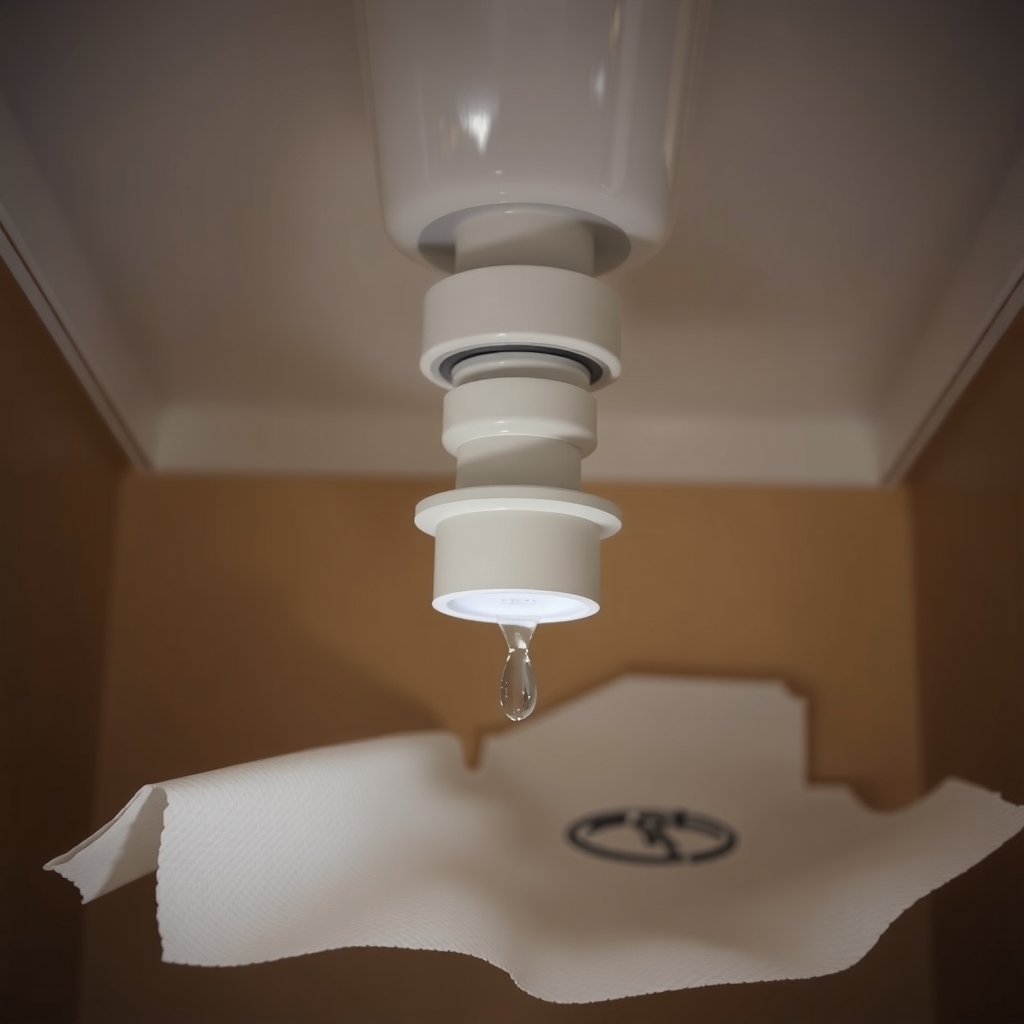
- Dry every pipe, then find the wet spot with a paper towel
- Hand-tighten the slip nut, then a quarter turn with pliers
- Line up the trap so the pipes sit straight
- Never crank plastic nuts, since they crack
How long it lasts: Weeks to years if the joint was only loose. If the washer is worn out, it drips again.
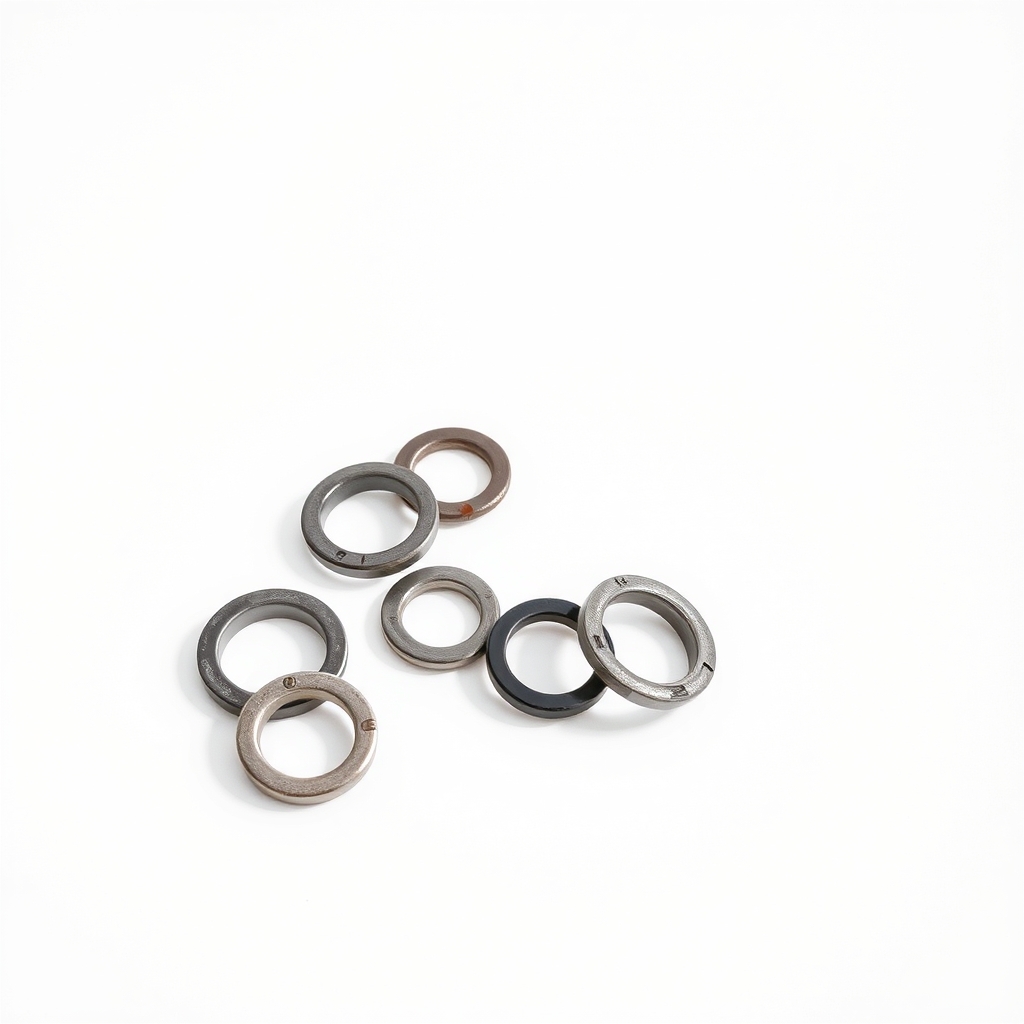
New slip-joint washers
Tightening only squeezes a worn washer harder, and it goes flat or cracks again. A new washer gives the nut something to seal against, so the joint stays dry. Tape bridges a pinhole for a while, but a washer fixes the actual joint.
What to get: Assorted slip-joint washers for kitchen drains
How long it lasts: Years. A fresh tapered washer seals the joint and does not flatten the way an old one has.
As an Amazon Associate I earn from qualifying purchases.
What you'll need
-
Bucket and dry paper towels
Paper towels show where the drip really starts
You have it -
Flashlight or phone light
Cabinets are dark and leaks hide
You have it -
Adjustable pliers
Channel-lock or slip-joint pliers for metal nuts
You have it - Our pick Illustration
Slip-joint washer assortment
Measure your drain pipe first
- Illustration
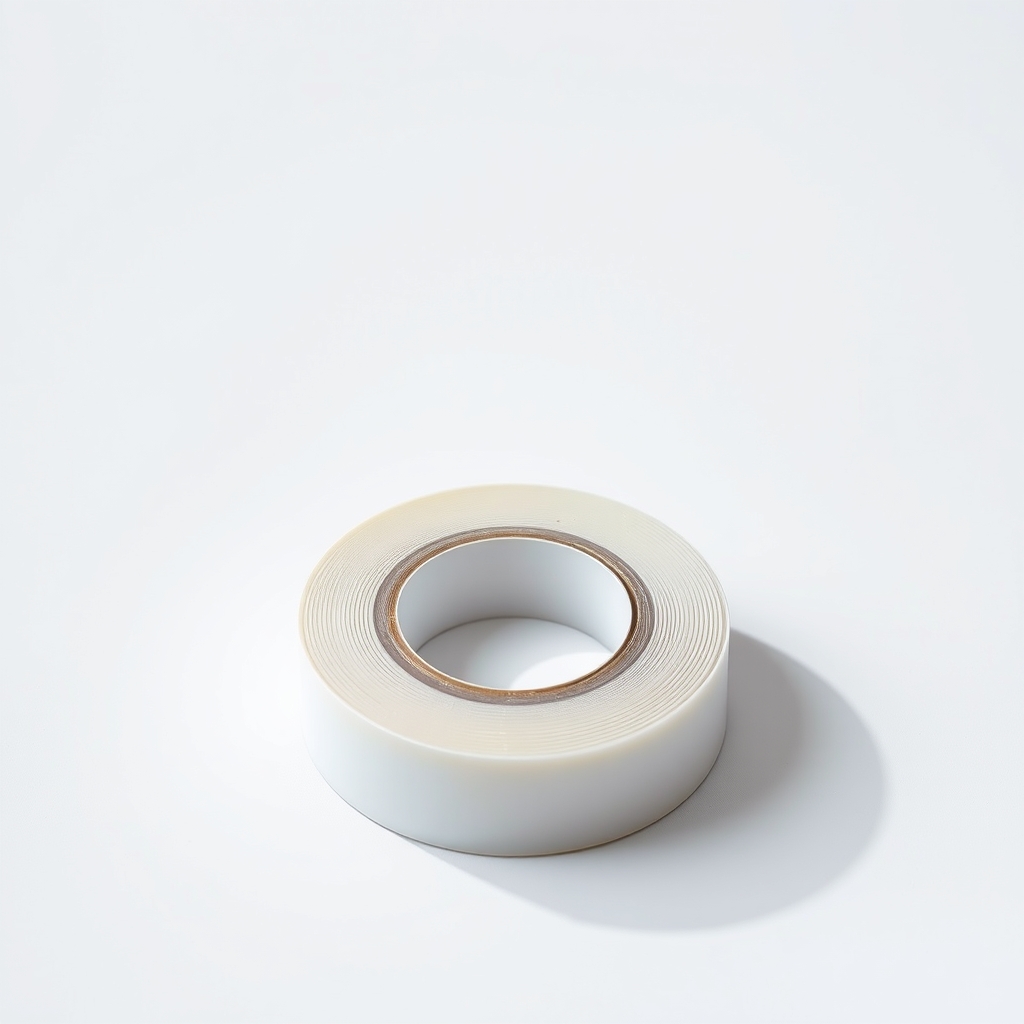
Self-fusing silicone repair tape
A stopgap for a pinhole in a drain pipe
- Illustration
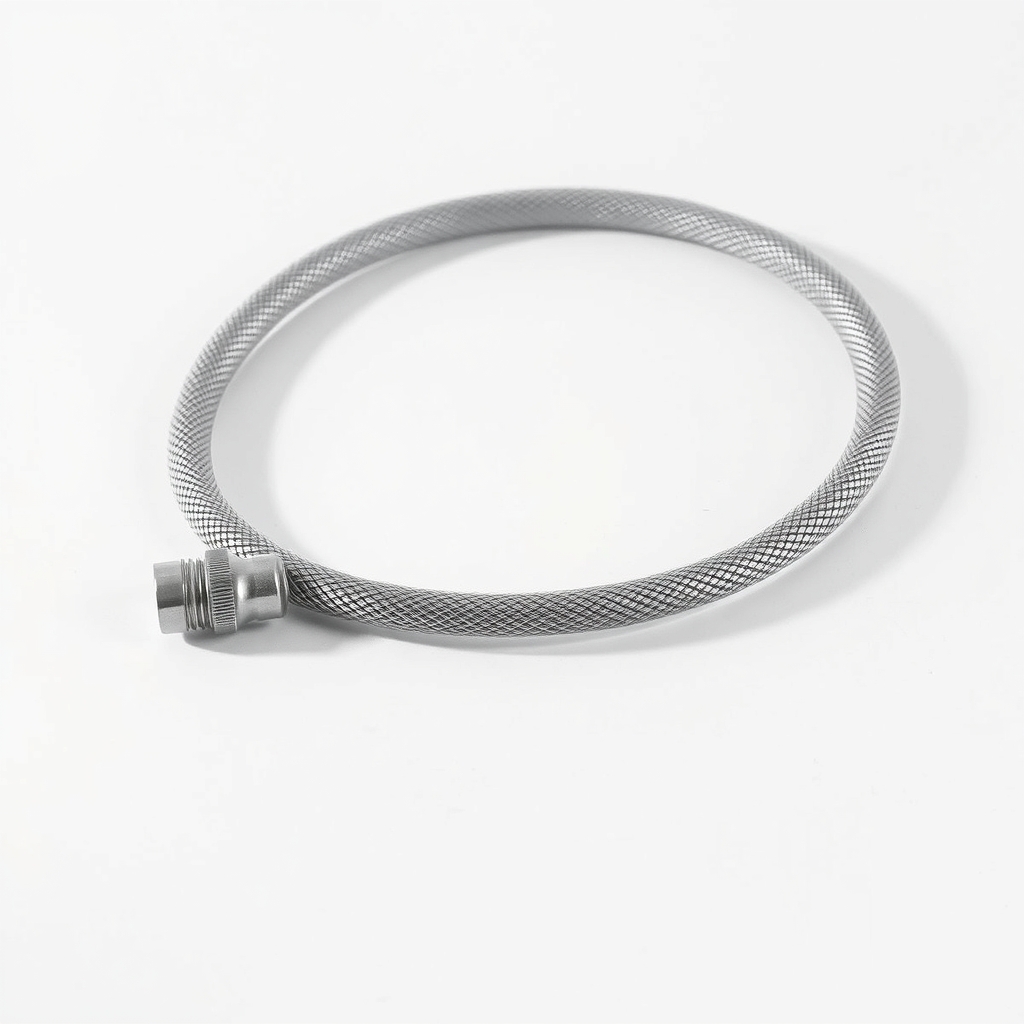
Braided faucet supply line
Only if the drip is at a supply hose
Why it happens
A loose slip nut
Vibration, bumps from stored items and years of temperature swings loosen the nuts on the drain trap. A loose joint seeps drops, not a stream.
A worn or misaligned washer
The tapered washer inside a slip joint flattens, hardens or cracks. A pipe that sits off-line stops the washer from seating, and re-tightening does not last.
A weeping supply line or valve
Faucet hoses and shut-off valves leak at the nuts or from the valve stem when their seals age. Water runs down the hose into the cabinet.
A cracked pipe or a leaking disposal
Cracked plastic or pinholes in metal pipe leak at the damage, and a disposal can leak from its seams or flange. These are repairs, not tightening jobs.
Condensation, not a leak
Cold supply lines sweat in humid weather. Wipe one dry. If it stays dry for an hour, it was condensation.
Try this first (free)
Do these in order, starting with the simplest.
-
Empty the cabinet and dry everything
Tool used: Bucket and dry paper towelsClear the space, dry every pipe and hose, and set a bucket under the trap. If water is dripping from a supply line or valve, turn the shut-off valves under the sink clockwise first.
-
Run the water and trace the drip
Tool used: Flashlight or phone lightTurn on the faucet, then fill the sink and release the water. Run a dry paper towel along each joint, and the spot that darkens first is your source. Note whether it leaks only when the drain runs or all the time.
-
Tighten the joint
Tool used: Adjustable pliersHand-tighten the slip nut first. If it still weeps, give it another quarter turn with pliers. Metal nuts take a little more, but plastic cracks if you overdo it.
-
Replace the washer
Tool used: Slip-joint washer assortmentPut the bucket under the trap, unscrew both nuts and slide the trap down. Note which way the old washer faced (the tapered side usually points toward the joint), fit a new one the same way, line up the pipes and tighten.
IllustrationCheck price on AmazonTool for this step
Slip-joint washer assortment · Measure your drain pipe first
-
Patch a pinhole as a stopgap
Tool used: Self-fusing silicone repair tapeDry the drain pipe, stretch the tape and wrap it tightly with an overlap, two or three layers thick. This is temporary, so plan to replace that pipe. Do not rely on it for a pressurized supply line.
IllustrationCheck price on AmazonTool for this step
Self-fusing silicone repair tape · A stopgap for a pinhole in a drain pipe
-
Test it twice
Fill the sink, release the water and check for drops. Check again after an hour and the next morning.
When free fixes aren't enough
Call a plumber if the leak is at a shut-off valve stem, a cracked or corroded pipe, or a disposal that leaks from its body. Call if the cabinet floor is soft, swollen or smells musty, if water sprays, or if tightening makes it worse. Also call if the drip returns within a day or two after new washers. Turn off the shut-off valves and keep the cabinet dry until help arrives. Tape is a bridge, not a repair.
Buy the fix
Still stuck after the free fixes? These are the products we would look at.
| Pick | Product | Fixes | Who it's for | Buy |
|---|---|---|---|---|
| Best pick | Assorted slip-joint washers for kitchen drains | a drip at a trap or tailpiece joint that tightening did not stop | Anyone whose leak is at a slip nut that still drips after tightening. | Check price |
| Budget pick | Self-fusing silicone pipe repair tape | a temporary seal on a pinhole or hairline crack in a drain pipe | Someone who needs to stop a small drip tonight and fix it properly later. | Check price |
| Upgrade pick | Braided stainless faucet supply line | a drip from an old, stiff or kinked supply hose | Anyone whose faucet hoses are old, rusty or dripping at the nut. | Check price |
Assorted slip-joint washers for kitchen drains
Fixes: a drip at a trap or tailpiece joint that tightening did not stop
Look for: Tapered slip-joint washers in rubber or poly; Includes the 1-1/2 inch size, the usual kitchen drain size; Several sizes in one pack, so you do not have to guess; Measure your tailpiece before you buy.
- Who it's for
- Anyone whose leak is at a slip nut that still drips after tightening.
- Honest downside
- The leak is from a supply hose, a valve or a cracked pipe. Washers will not help.
Self-fusing silicone pipe repair tape
Fixes: a temporary seal on a pinhole or hairline crack in a drain pipe
Look for: Silicone and self-fusing (it sticks to itself, not the pipe); Wide enough to wrap a drain pipe a few times; Rated for water.
- Who it's for
- Someone who needs to stop a small drip tonight and fix it properly later.
- Honest downside
- The pipe is a pressurized supply line or the crack is large. Replace the pipe.
Braided stainless faucet supply line
Fixes: a drip from an old, stiff or kinked supply hose
Look for: A length that reaches without a tight bend; Connector ends that match your faucet and valve; Rated for hot and cold water.
- Who it's for
- Anyone whose faucet hoses are old, rusty or dripping at the nut.
- Honest downside
- Your leak is at the drain trap, not on the supply side.
As an Amazon Associate I earn from qualifying purchases. We don't show prices because they change, so use the button to see today's price.
How we picked: How we picked: this page is based on plumbing repair guides, product instructions from washer and tape makers, and the problems and fixes people report in reviews. We do not test products by hand.
Where is the leak? Match the wet spot to the fix
- Wet at the trap nuts: tighten, then replace the slip-joint washers.
- Wet at the faucet hose or its nut: shut off the water and replace the supply line.
- Wet under the disposal: a seam or flange leak usually means a new disposal or a plumber.
- Wet along the pipe wall: tape it for now, then replace that section.
What to skip
Slathering silicone or epoxy over a wet joint
Sealant on a wet or moving joint does not stick, hides the leak and makes the real repair harder. Fix the joint properly. Tape only bridges a dry pinhole, and only for a while.
Frequently asked questions
Why does my kitchen sink leak only when the water runs?
Can I use plumber's tape on a sink drain?
How tight should a slip nut be?
Is a slow drip under the sink an emergency?
Related problems
 Free fix inside
Kitchen · Kitchen Sink
Kitchen Sink Leaking Around the Drain? The Seal Most People Skip
Read the fix Free fix inside
Kitchen · Kitchen Faucet
Kitchen Faucet Dripping? Match the Faucet Type and Buy the Right Kit
Read the fix Free fix inside
Kitchen · Garbage Disposal Leaks
Garbage Disposal Leaking From the Bottom? Repair or Replace It
Read the fix Free fix inside
Bathroom · Bathroom Sink
Bathroom Sink Leaking Underneath? Find the Source in 3 Minutes
Read the fixAs an Amazon Associate I earn from qualifying purchases. Affiliate disclosure