Garbage Disposal Leaking From the Bottom? Repair or Replace It
A leak from the bottom means the disposal's seal or housing has failed. Rule out the easy leaks first, then swap in a 1/2 HP continuous-feed unit.
By Jamilur Rahman Updated November 5, 2026 · 8 min read
- Time
- 2 hours
- Cost
- $50-$150
- Difficulty
- Medium
In this guide
Quick answer
A disposal that leaks from the bottom has a failed internal seal or a cracked housing, and that cannot be repaired. First make sure the water is not running down from the sink flange, drain pipe or dishwasher hose, because those are cheap to fix. If the water really comes from the bottom, shut off the power and replace the unit with a 1/2 HP continuous-feed disposal.
Free fix vs. permanent fix
Find the real leak and tighten it
- Cut power at the breaker, then dry the unit and the pipes
- Run water and trace the first drip with a flashlight
- Tighten the mounting ring, drain bolts and hose clamp
- A drip at the bottom seam or reset button means the seal is gone
How long it lasts: Fixes a leak at the top, side or dishwasher hose for good. It cannot stop a leak from the housing itself, because there is nothing to tighten.
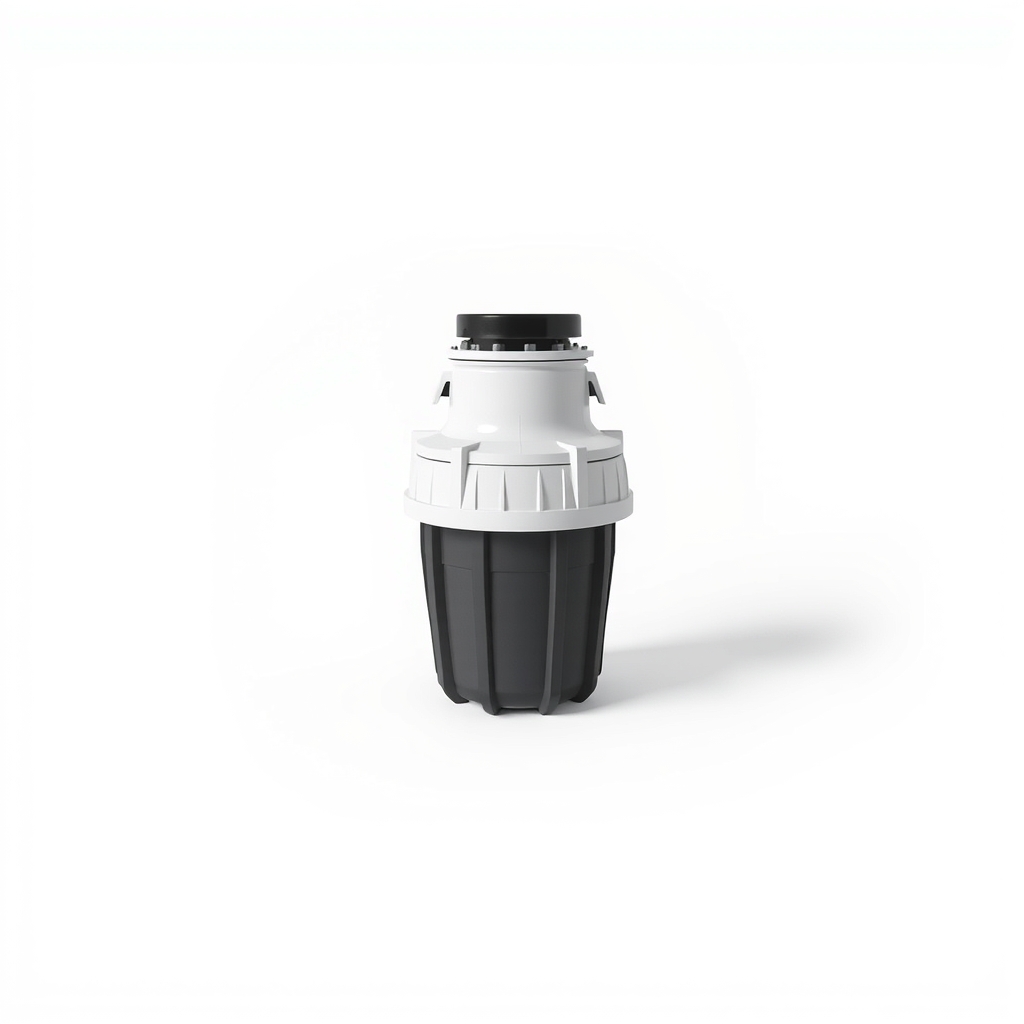
A new 1/2 HP continuous-feed disposal
The seal that fails sits inside the housing, where nobody can reach it. A bottom leak means water is already getting past it and the metal is wearing out. A new unit resets the clock, and a 1/2 HP continuous-feed model fits a standard sink and handles everyday scraps.
What to get: Replacement garbage disposal, 1/2 HP, continuous feed
How long it lasts: Commonly 8 to 15 years. Many models carry a multi-year warranty, so check the listing.
As an Amazon Associate I earn from qualifying purchases.
What you'll need
-
Flashlight
To trace each drip back to its source
You have it -
Paper towels or a dry rag
Shows exactly where water first appears
You have it -
Screwdriver and adjustable wrench
For the clamps and bolts
You have it - Illustration
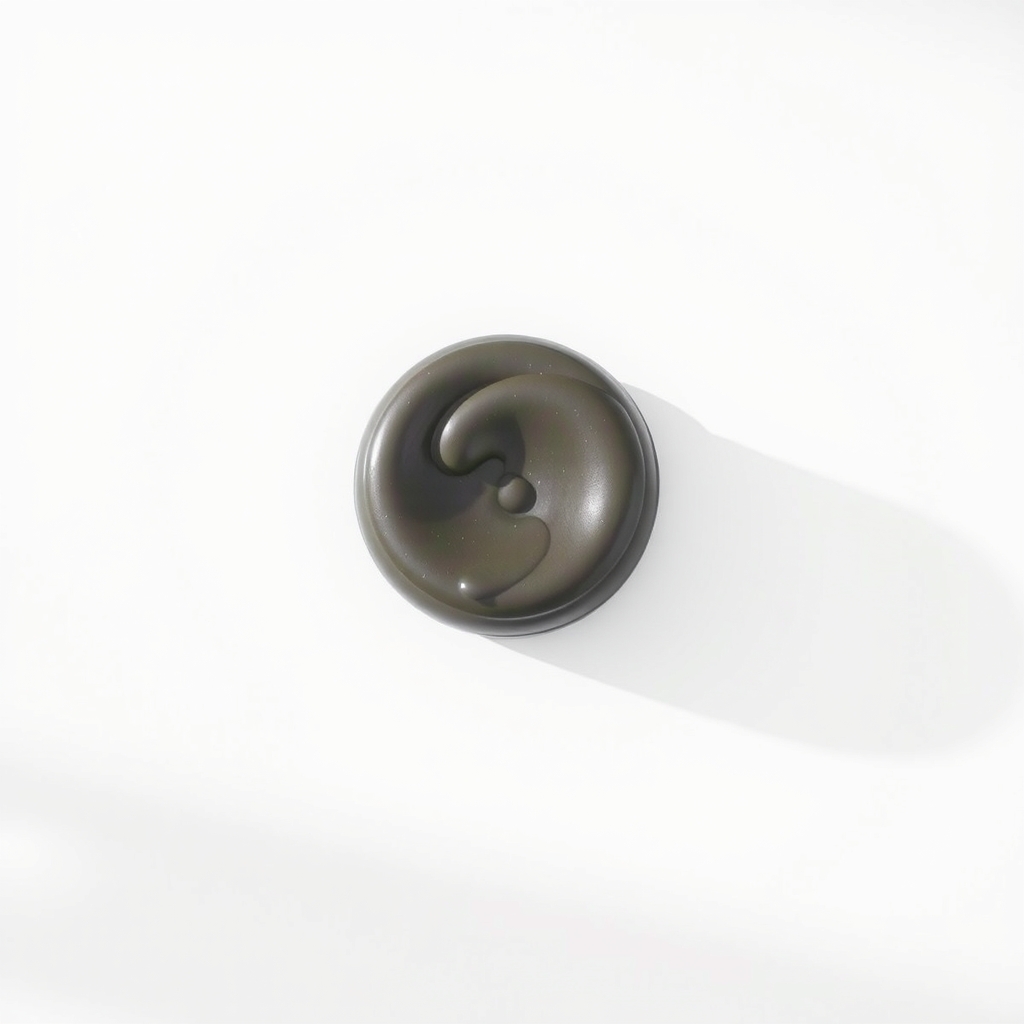
Plumber's putty
Reseals a sink flange that leaks at the top
- Our pick Illustration
Replacement garbage disposal, 1/2 HP continuous feed
For a leak from the bottom of the unit
Why it happens
A failed internal seal or a worn housing
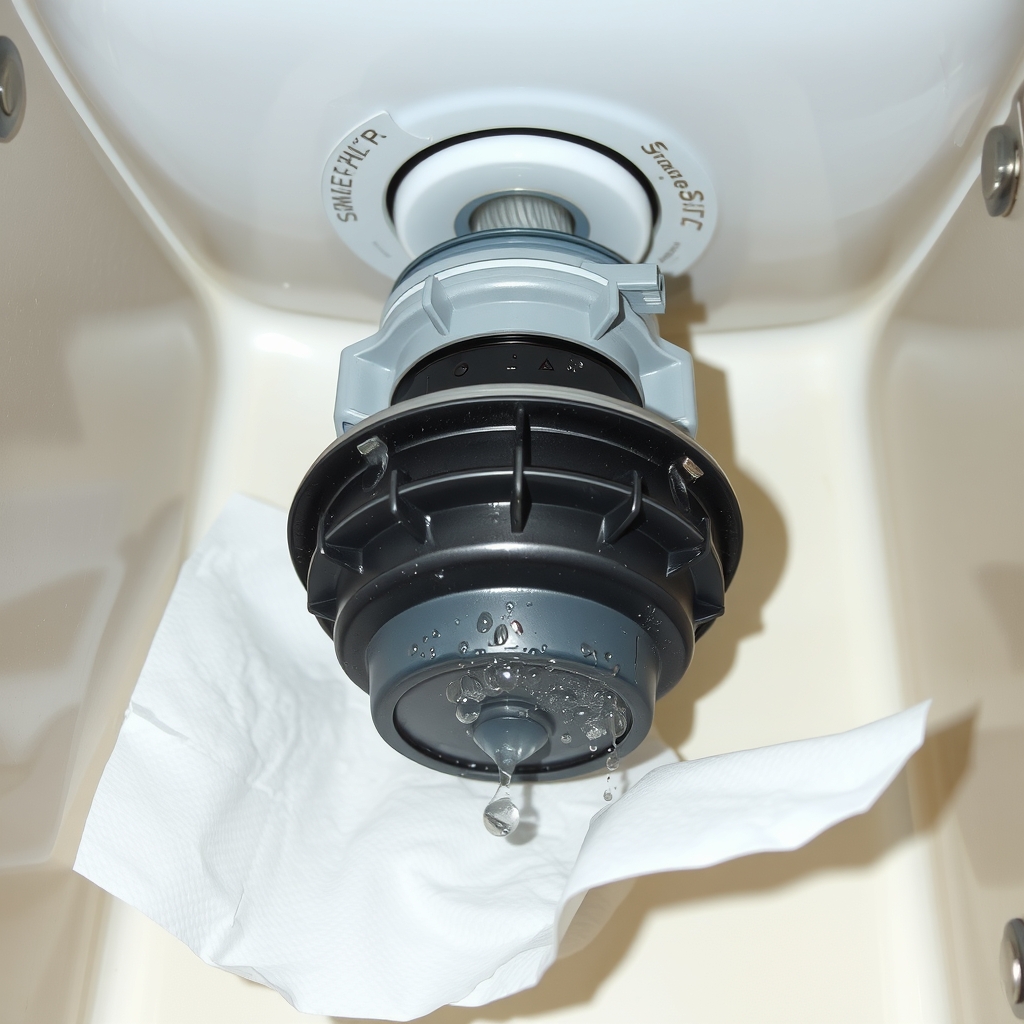
A disposal is a motor in a metal case. Over the years the seal at the bottom of the grinding chamber wears and the case corrodes. Water then seeps out of the bottom seam or the reset button hole. This is the most common reason for a bottom leak.
A crack in the housing
A hairline crack leaks only while water runs, so it can be hard to spot. Age is the usual cause, and a hard object caught in the chamber is a rare one.
A leak higher up that runs down the outside
Water from a loose sink flange, a worn drain gasket or a dishwasher hose can run down the housing and drip off the bottom. It looks like a bottom leak but it is not, and these are the ones you can fix for free.
A loose drain pipe or discharge elbow
The side outlet has bolts and a gasket. If they loosen or the gasket wears, water drips off the elbow and runs down to the cabinet floor.
Try this first (free)
Do these in order, starting with the simplest.
-
Turn off the power and dry everything
Tool used: Paper towels or a dry ragSwitch the disposal off at the wall, then at the breaker. If it plugs in under the sink, unplug it. Wipe the unit and pipes dry and slip a paper towel or a piece of cardboard under it. Never put a hand into the disposal.
-
Run water and watch for the first drip
Tool used: FlashlightFill the sink with a few inches of water, then pull the stopper. Shine a flashlight up each joint, from the sink opening to the side pipe to the bottom. Water that shows up first at the top or a pipe joint is an easy fix. Water beading from the bottom seam or the reset button area is the housing.
-
Tighten the connections you found
Tool used: Screwdriver and adjustable wrenchSnug the mounting ring bolts under the sink flange a quarter turn at a time. Tighten the bolts on the drain elbow and the clamp on the dishwasher hose. Do not crank them hard, because a cracked fitting makes things worse.
-
Reseal the top flange only if the leak starts there
Tool used: Plumber's puttyIf water seeps at the sink opening and tightening does not stop it, remove the unit, clean the old putty off the flange and seat it again on a fresh rope of plumber's putty.
IllustrationCheck price on AmazonTool for this step
Plumber's putty · Reseals a sink flange that leaks at the top
-
Retest for 10 minutes
Dry everything again, put fresh paper underneath and run water for several minutes. Dry paper after 10 minutes means you are done. A wet spot under the bottom means it is time to replace the unit.
When free fixes aren't enough
If the water appears at the bottom seam, from the reset button hole or through the housing itself, tightening will not help. The seal inside is worn, and water sitting in the cabinet rots the floor and can reach the electrical connection. Stop using the disposal, and do not rely on tape, epoxy or a bucket. Replace it. A new 1/2 HP continuous-feed unit takes about an hour or two on a standard mount, and it comes with a fresh seal and a new flange gasket. If water has soaked the cabinet or the wiring box, leave the power off and call a plumber or electrician.
Buy the fix
Still stuck after the free fixes? These are the products we would look at.
| Pick | Product | Fixes | Who it's for | Buy |
|---|---|---|---|---|
| Best pick | Replacement garbage disposal, 1/2 HP, continuous feed | a failed housing or seal that leaks from the bottom | Anyone whose disposal leaks from the bottom, or is 8 to 10 years old and has started to drip. | Check price |
| Budget pick | 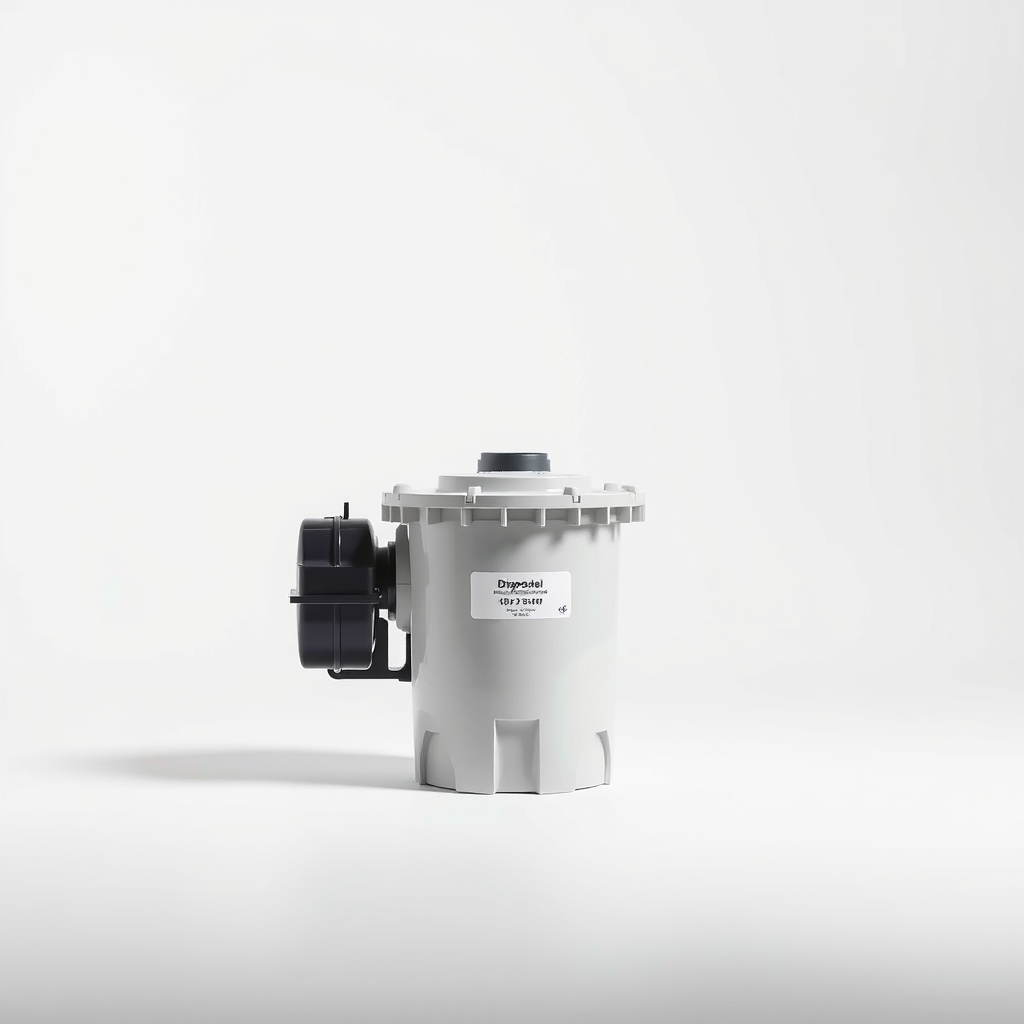 1/3 HP continuous-feed disposal | the same bottom leak at the lowest upfront cost | One or two people who mostly grind small scraps, or anyone planning to move soon. | Check price |
| Upgrade pick | 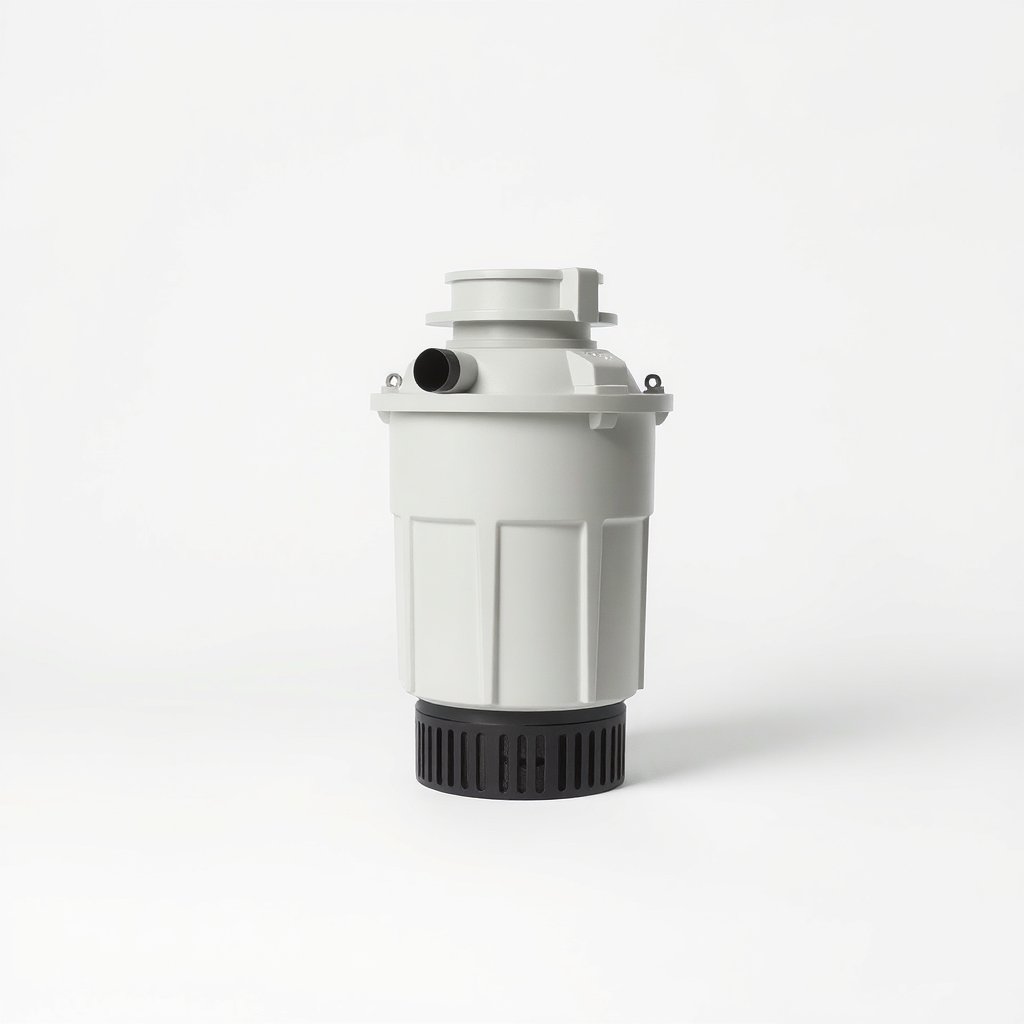 3/4 HP or 1 HP disposal with sound insulation | a leak plus frequent jams and loud grinding | Big households and heavy cooks, and anyone whose old disposal jammed often. | Check price |
Replacement garbage disposal, 1/2 HP, continuous feed
Fixes: a failed housing or seal that leaks from the bottom
Look for: 1/2 HP with a continuous-feed design, which suits most households; A mount that matches your old unit, with hardware included or listed; A corrosion-resistant grinding chamber; A multi-year warranty, so check the listing.
- Who it's for
- Anyone whose disposal leaks from the bottom, or is 8 to 10 years old and has started to drip.
- Honest downside
- You are on a septic system. Ask your septic pro about disposals before you buy.
1/3 HP continuous-feed disposal
Fixes: the same bottom leak at the lowest upfront cost
Look for: A 1/3 HP motor, enough for a small household; A standard mount that matches your old unit; A listing that says what hardware and cord come in the box.
- Who it's for
- One or two people who mostly grind small scraps, or anyone planning to move soon.
- Honest downside
- You cook a lot or feed a family. The smaller motor jams more often.
3/4 HP or 1 HP disposal with sound insulation
Fixes: a leak plus frequent jams and loud grinding
Look for: A 3/4 to 1 HP motor; Added sound insulation; Stainless steel grinding parts; A long warranty, so check the listing.
- Who it's for
- Big households and heavy cooks, and anyone whose old disposal jammed often.
- Honest downside
- The cabinet under your sink is cramped. Bigger units are taller, so measure the space first.
As an Amazon Associate I earn from qualifying purchases. We don't show prices because they change, so use the button to see today's price.
How we picked: How we picked: this page is based on garbage disposal installation guides and manuals, plumbing guidance on leak sources, and what owners report in reviews. We do not test products by hand.
Where is it leaking from? Match the drip to the fix
- Top, at the sink opening: a loose mounting ring or old putty. Tighten it, or reseat the flange.
- Side, at the dishwasher hose: a loose clamp or a cracked hose. Tighten or replace.
- Side, at the drain pipe: loose bolts or a worn gasket on the discharge elbow. Tighten or replace the gasket.
- Bottom seam or reset button: the housing seal has failed. Replace the unit.
Before you buy a replacement
Check how your old unit attaches to the sink. A three-bolt mounting ring is common, and quick-lock mounts exist. The listing for a new unit says what mounting parts it includes. Some units ship without a power cord, so check the listing if your old one plugged in. Always switch off the breaker before disconnecting anything.
What to skip
Epoxy, sealant tape and bottom-seam patches
Patching a leaking housing rarely holds, because water and heat keep working on the repair. A patch also hides a leak that can rot the cabinet floor and reach the electrical connection. If the leak is at the bottom, replace the unit.
Frequently asked questions
Can a garbage disposal leaking from the bottom be fixed?
Why does my garbage disposal leak when the dishwasher runs?
How do I stop a garbage disposal from leaking at the top?
How long do garbage disposals last?
Can I replace a disposal myself?
Related problems

As an Amazon Associate I earn from qualifying purchases. Affiliate disclosure