Dog Water Bowl Slimy? Why It Happens and the Bowl That Resists It
That slime is a bacteria film that rinsing never removes. Scrub it off daily, then switch to a bowl it cannot cling to.
By Jamilur Rahman Updated November 5, 2026 · 7 min read
- Time
- 10 min
- Cost
- Under $20
- Difficulty
- Easy
In this guide
Quick answer
Why is my dog's water bowl slimy? It is biofilm, a thin layer of bacteria that grows wherever water sits and a mouth touches the bowl. It comes back within a day if you only rinse. Scrub the bowl with hot soapy water every day and give it a weekly deep clean. If the slime keeps returning, especially in a scratched plastic bowl, a stainless steel bowl gives it far less to cling to.
Free fix vs. permanent fix
Scrub and dry the bowl every day
- Dump the old water and scrub with a brush, not just a rinse
- Use hot water and plain dish soap, then rinse well
- Let it air dry upside down
- Run it through the dishwasher weekly if it is dishwasher safe
How long it lasts: As long as you keep doing it. Skip two or three days and the film is back.
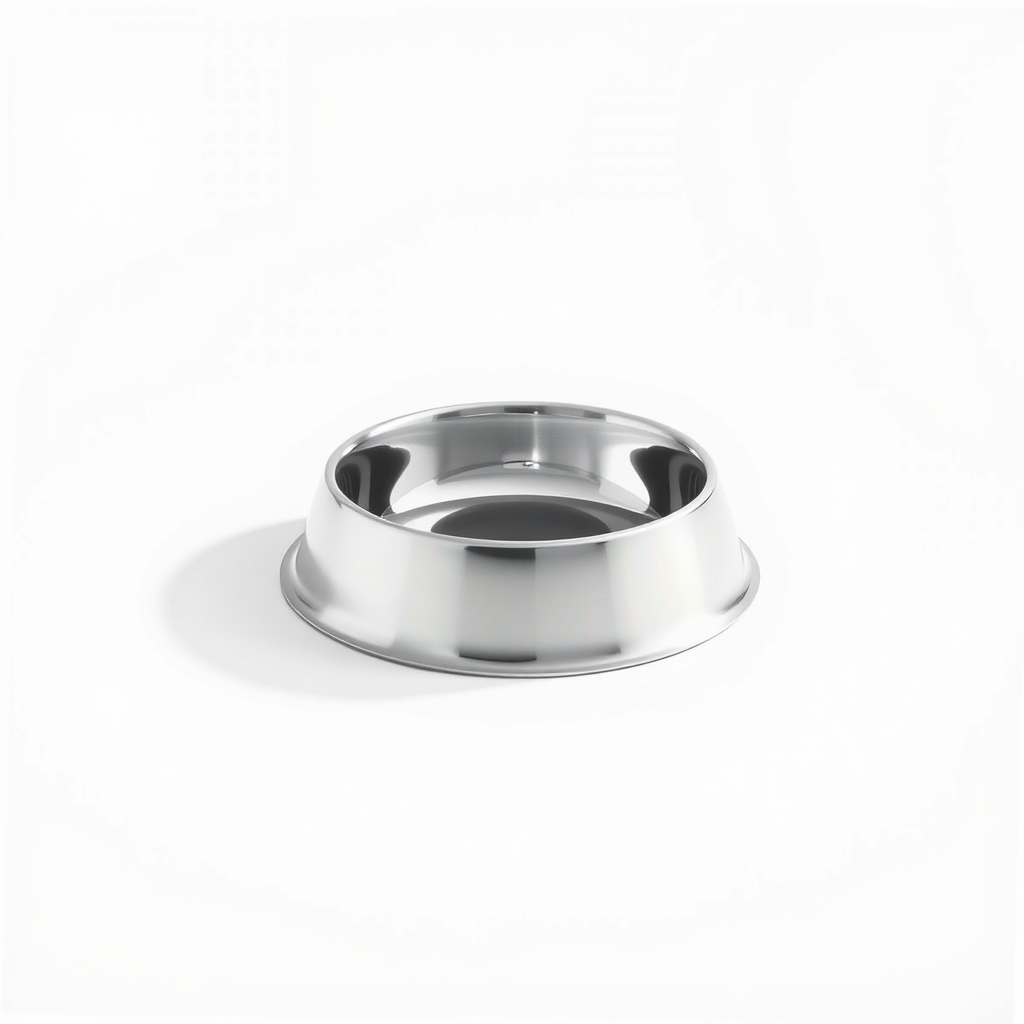
A stainless steel dog bowl
Biofilm clings to the fine scratches in plastic. Stainless steel is smooth and nonporous, so it wipes clean in seconds and rarely holds odor. You still wash it daily, but the film has less to grab, so it is a quick wipe instead of a scrub.
What to get: Stainless steel dog bowl
How long it lasts: Years. Stainless does not scratch easily or soak up smells, so it stays easy to keep clean.
As an Amazon Associate I earn from qualifying purchases.
What you'll need
-
Bottle brush or dish brush
Reaches the rim, the base and the corners
You have it -
White vinegar
For the weekly soak
You have it - Our pick Illustration
Stainless steel dog bowl
The bowl that stays clean longest
- Illustration
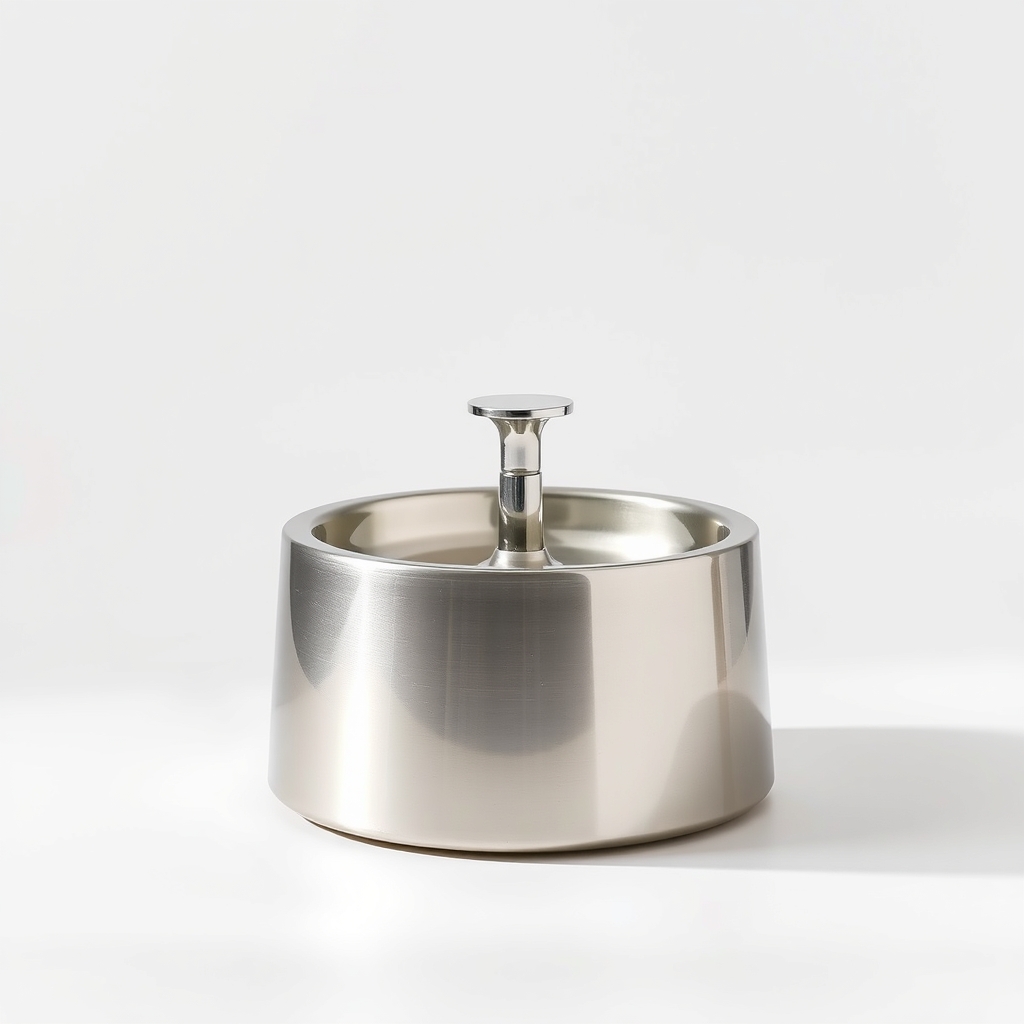
Stainless steel pet water fountain
Optional, for dogs that ignore a still bowl
Why it happens
Biofilm from drinking
Every time your dog drinks, saliva and tiny bits of food go into the water. Bacteria feed on them and form a slick coating on the bowl. You feel it as slime when you run a finger around the inside.
Rinsing instead of scrubbing
Water alone does not remove biofilm. It has to be scrubbed off. Topping up a bowl with fresh water over a slimy film just feeds it.
Scratched or porous bowls
Plastic picks up fine scratches that trap bacteria and odors. Cracked glaze on cheap ceramic does the same, and no amount of rinsing reaches into those cracks.
Warmth and sunlight
A bowl by a sunny window or on a patio grows film and algae faster. That is why the slime is worse in summer, and why outdoor bowls turn green.
Try this first (free)
Do these in order, starting with the simplest.
-
Empty and scrub the bowl every day
Tool used: Bottle brush or dish brushPour out the old water. Scrub the whole bowl, including the rim and the base, with hot water, dish soap and a brush for 20 to 30 seconds. Rinse until no soap is left.
-
Let it dry before you refill
Shake out the water and let the bowl air dry upside down on a rack. Fresh water in a dry bowl starts with a clean slate, and film grows more slowly.
-
Deep clean once a week
Tool used: White vinegarRun a dishwasher-safe bowl through a hot cycle. Otherwise soak it 15 minutes in equal parts white vinegar and hot water, then scrub and rinse. Never mix vinegar with bleach.
-
Check the bowl for scratches
Tool used: Stainless steel dog bowlRun a fingertip over the inside. If it feels rough, or the slime is back within a day of scrubbing, the bowl is the problem. Replace it with smooth stainless steel.
IllustrationCheck price on AmazonTool for this step
Stainless steel dog bowl · The bowl that stays clean longest
-
Move the bowl out of the sun
Keep it in shade on an easy-to-wipe floor, away from the food bowl. Refill with fresh water at least once a day, more in hot weather.
When free fixes aren't enough
If the slime or pink film returns within a day of scrubbing, or you can see scratches, your bowl is the issue, not your cleaning. Plastic and cracked ceramic hold bacteria in places a brush cannot reach. A stainless steel bowl is smooth, so the daily wash gets quicker and the film grows more slowly. See a vet if your dog is drinking much more or much less than usual, or has stomach trouble, since a dirty bowl is rarely the only cause.
Buy the fix
Still stuck after the free fixes? These are the products we would look at.
| Pick | Product | Fixes | Who it's for | Buy |
|---|---|---|---|---|
| Best pick | Stainless steel dog bowl | slime and odor that cling to scratched plastic bowls | Any dog owner whose bowl is plastic, scratched or hard to keep clean. | Check price |
| Upgrade pick | Stainless steel pet water fountain | stale water that sits for hours and a dog that avoids a still bowl | Dogs that ignore still water, or homes where the bowl is often empty for a few hours. | Check price |
Stainless steel dog bowl
Fixes: slime and odor that cling to scratched plastic bowls
Look for: Food-grade stainless steel, named in the listing; Dishwasher safe, with no hidden seams on the inside; A rubber or silicone base so it does not slide; Big enough to hold a full day of water for your dog.
- Who it's for
- Any dog owner whose bowl is plastic, scratched or hard to keep clean.
- Honest downside
- Your bowl is already smooth stainless or uncracked glazed ceramic. Then the daily scrub is the fix, not a new bowl.
Stainless steel pet water fountain
Fixes: stale water that sits for hours and a dog that avoids a still bowl
Look for: A stainless steel basin, not plastic; A pump and filter that come apart without tools; A tank size that matches your dog; Replacement filters you can find easily.
- Who it's for
- Dogs that ignore still water, or homes where the bowl is often empty for a few hours.
- Honest downside
- You will not clean the pump every week. A fountain that is not cleaned gets slimy too, and it has more parts than a bowl.
As an Amazon Associate I earn from qualifying purchases. We don't show prices because they change, so use the button to see today's price.
How we picked: How we picked: this page is based on pet-care and veterinary guidance on bowl hygiene, maker care instructions for stainless steel bowls and fountains, and what owners report in reviews. We do not test products by hand.
Why is my dogs water bowl turning pink? Pink, green and clear slime compared
- Clear or cloudy slime: ordinary biofilm. Daily scrubbing handles it.
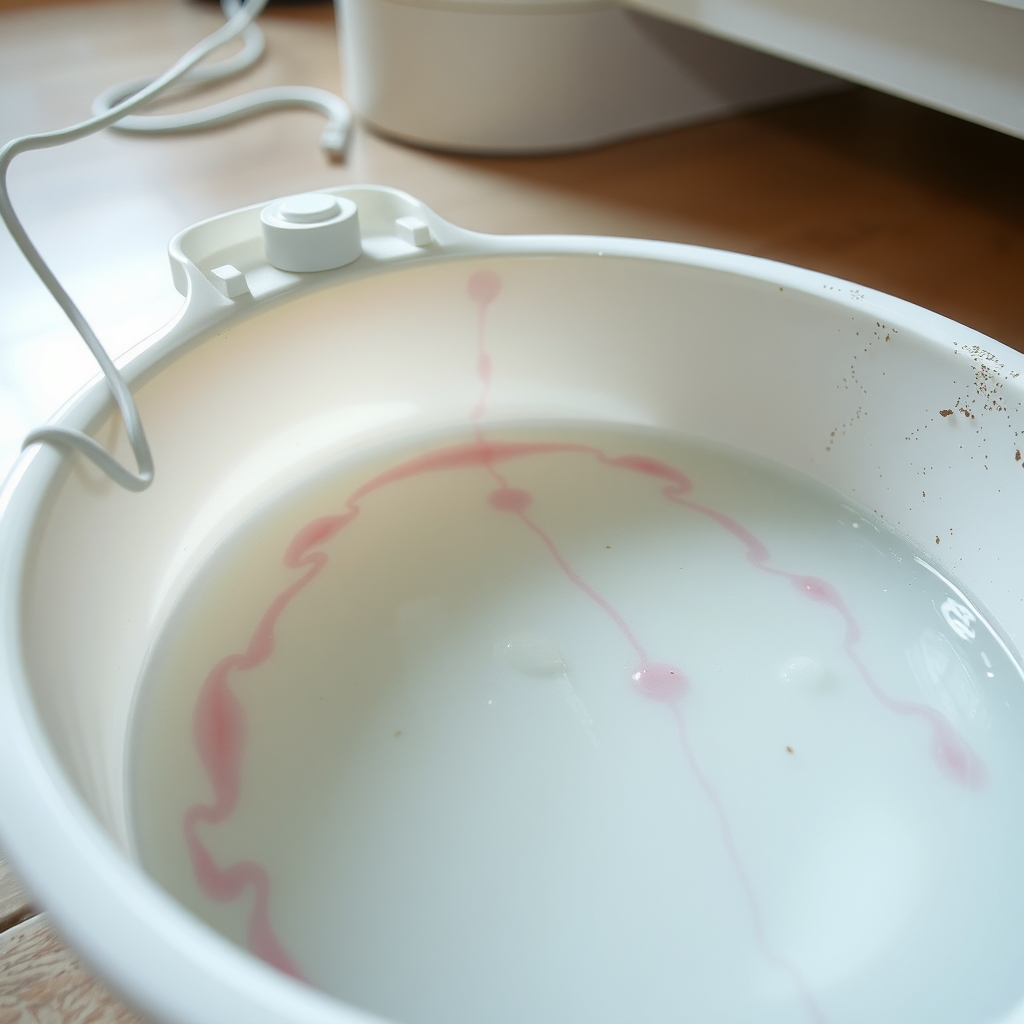
- Pink or orange film: a common bacterium that grows at the water line. Scrub, then soak in vinegar and hot water. If it returns within days, switch bowls.
- Green: algae from sun and warm water. Shade and fresh water fix it.
- Black or fuzzy specks: possible mold. Throw the bowl out if scrubbing does not clear it.
Which bowl material resists slime best
Stainless steel is smooth, nonporous and dishwasher safe, so it is the easiest to keep clean. Glazed ceramic works well too, as long as the glaze has no cracks or chips. Plastic scratches and holds odors, so it is the usual culprit. Glass is easy to clean but breaks.
What to skip
Topping up and strong cleaners
Adding fresh water on top of a slimy film resets nothing. Skip bleach left in the bowl and heavily scented soaps too. Dogs can taste the leftovers and may stop drinking, so rinse until the bowl has no soap smell.
Frequently asked questions
Why is my dog bowl slimy, and why does my dog's water bowl get slimy so fast?
Why does my dog's water bowl turn pink?
Why is my cats water bowl pink, and why is my cats water bowl slimy?
Dog water bowl smells bad: what is causing it?
How to stop dogs water bowl going green?
Related problems
 Free fix inside
Pets · Dog Bowl
Dog Bowl Area Always a Mess? A Raised-Edge Mat Contains It
Read the fix Free fix inside
Pets · Dog Water Bowl
Dog Bowl That Keeps Water Cold: Insulated Bowls Compared
Read the fix Free fix inside
Pets · Dog Water Bowl
Dog Water Bowl Freezing Outside? Heated Bowls Worth Plugging In
Read the fix Free fix inside
Pets · Dog Feeding
Dog Eating Too Fast? Slow Feeder Bowls That Actually Slow Them Down
Read the fixAs an Amazon Associate I earn from qualifying purchases. Affiliate disclosure