Dog Water Bowl Freezing Outside? Heated Bowls Worth Plugging In
A shallow bowl can freeze in hours. Slow it with free tricks, then plug in a heated bowl with a thermostat so your dog has open water all night.
By Jamilur Rahman Updated November 5, 2026 · 6 min read
- Time
- 15 min
- Cost
- $20-$50
- Difficulty
- Easy
In this guide
Quick answer
A dog water bowl freezes when the water is shallow, the bowl is thin and nothing adds heat. For the free fix, use a deep rubber or plastic bowl, set it in sun and out of the wind, fill it with warm water and check it twice a day. If it still ices over on freezing nights, a thermostat-controlled heated bowl keeps the water just above freezing. Pick one with a chew-resistant cord and plug it into a GFCI outlet.
Free fix vs. permanent fix
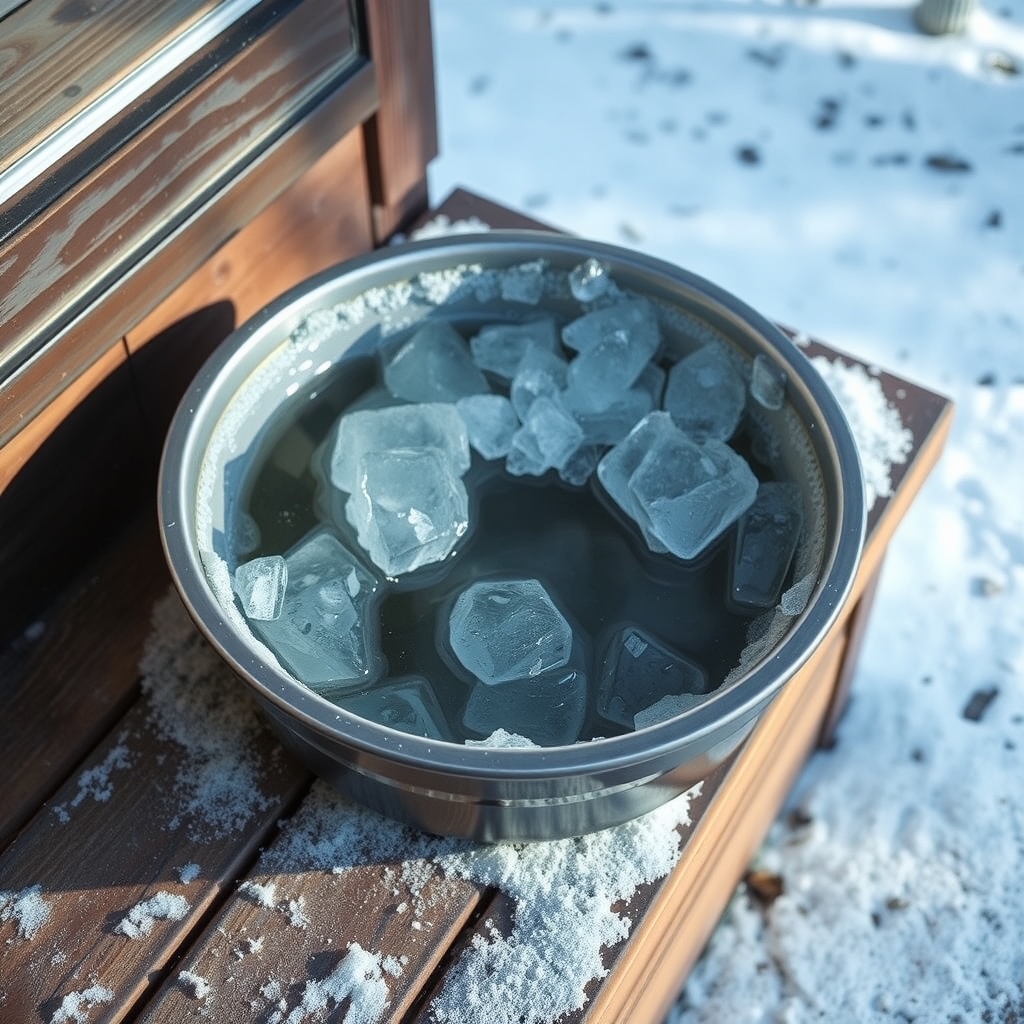
A deep rubber bowl in a sheltered spot
- Swap a thin metal bowl for a deep rubber or thick plastic one
- Set it in the sun, out of the wind, on a board or mat
- Start with warm tap water, not hot
- Check it morning and evening and clear the ice
How long it lasts: A few hours near freezing. In a hard freeze it still ices over, usually overnight.
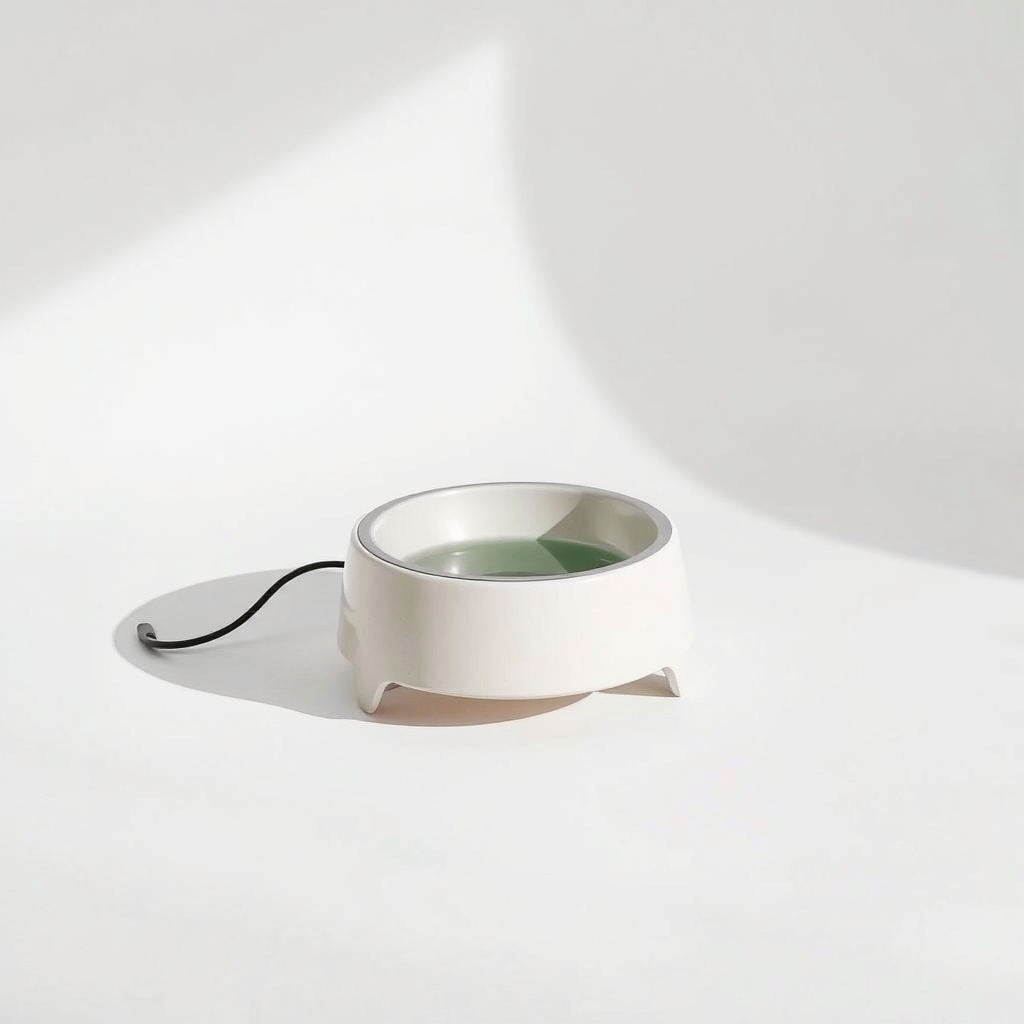
A heated outdoor pet water bowl
Water freezes when it loses heat faster than it gains it. Sun and insulation only slow that down. A heated bowl adds a small, steady amount of heat from a thermostat, so ice does not form and the water stays cool enough to drink.
What to get: Heated outdoor pet water bowl
How long it lasts: All winter. The heater switches on near freezing, so the bowl stays full even when you are out.
As an Amazon Associate I earn from qualifying purchases.
What you'll need
-
Deep rubber or plastic bowl
A bowl you already own works for mild nights
You have it -
Warm tap water
Warm to your hand, never hot
Free -
Outdoor outlet with GFCI protection
Needed for any plug-in bowl; test the button first
You have it - Our pick Illustration
Heated outdoor pet water bowl
Thermostat, chew-resistant cord, holds a day's water
- Illustration
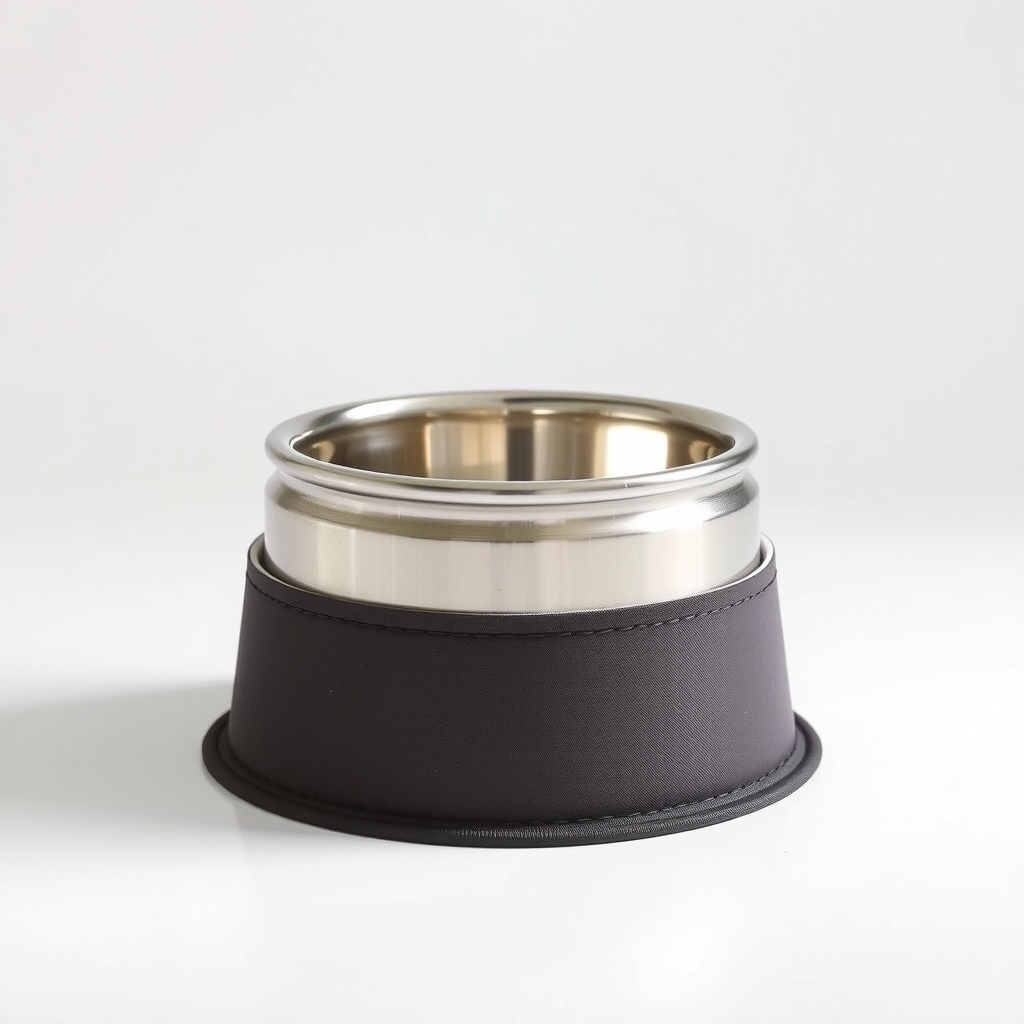
Insulated double-wall outdoor bowl
No power needed, but it only slows freezing
- Illustration
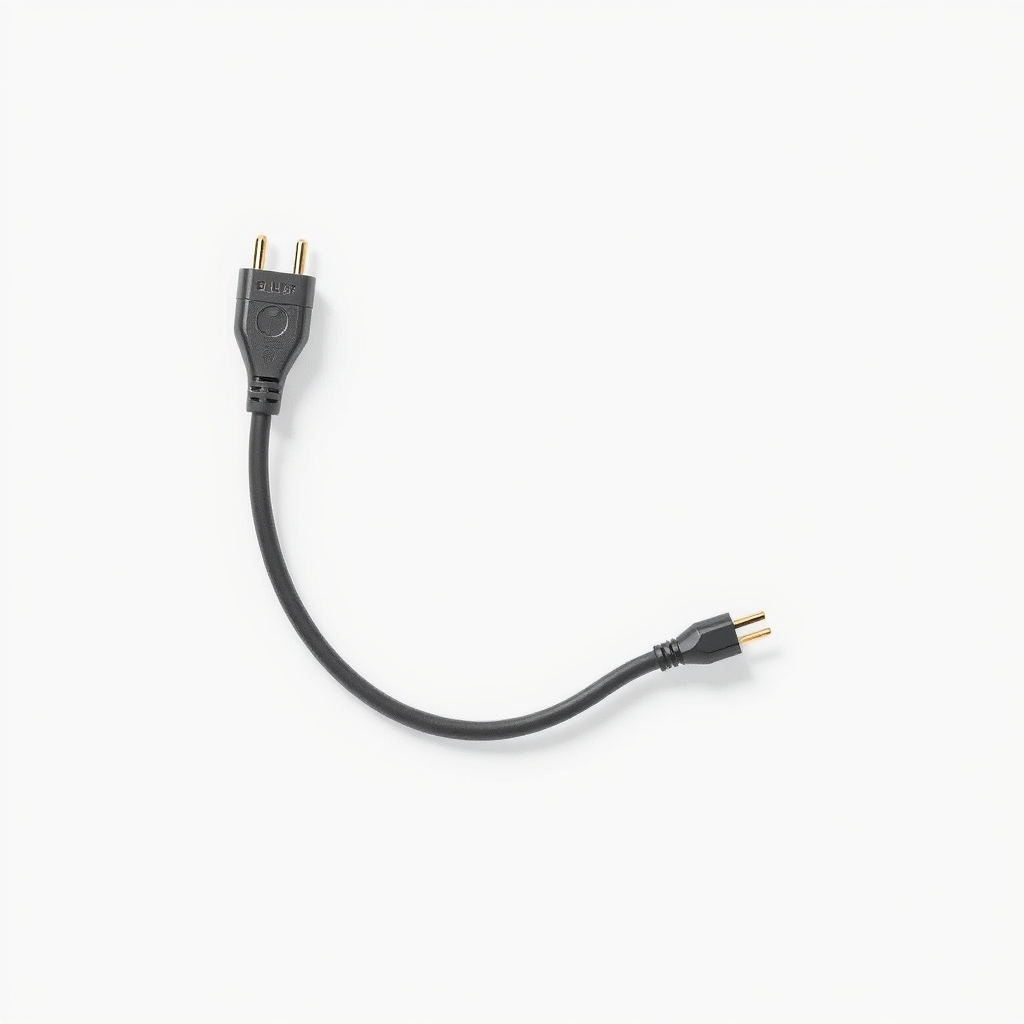
Outdoor-rated extension cord
Only if the outlet is farther than the bowl's own cord
Why it happens
Shallow water loses heat fast
A small amount of water in a wide bowl has a lot of surface and very little warmth stored in it. It can reach freezing in a few hours on a cold night.
Thin metal bowls
Metal conducts cold straight into the water. A thin steel bowl sitting on cold concrete is one of the fastest ways to get a block of ice.
Wind and shade
Wind strips heat away and shade means no help from the sun. The same bowl in a sunny, sheltered spot on a wood board lasts much longer.
Long gaps between checks
Even a good bowl will freeze if it sits all day and night in the 20s °F. If you cannot refill it, nothing free can keep up.
Try this first (free)
Do these in order, starting with the simplest.
-
Swap to a deep rubber or thick plastic bowl
Tool used: Deep rubber or plastic bowlRubber and thick plastic hold heat longer than thin metal. Choose a deep, wide-based bowl, since more water takes longer to freeze.
-
Move it into the sun and out of the wind
Set the bowl on a wood board, mat or foam tile, not bare concrete. A spot beside a sunny wall of the house or inside a sheltered porch works best.
-
Fill it with warm water
Tool used: Warm tap waterWarm tap water gives you a head start of an hour or two. Do not use hot or boiling water, which can warp plastic and scald your dog.
-
Check twice a day and break the ice
Look in the morning and again in the evening. Tap out any ice, refill, and never leave your dog without water through a freeze.
-
Plug in a heated bowl when freezes become regular
Tool used: Heated outdoor pet water bowlSet the bowl on a flat spot, protect the cord, plug into the GFCI outlet and fill it to the minimum line. Check the cord every few days for the first week.
IllustrationCheck price on AmazonTool for this step
Heated outdoor pet water bowl · Thermostat, chew-resistant cord, holds a day's water
When free fixes aren't enough
If the water still freezes after you have switched bowls, moved it into the sun and warmed it, and you cannot check it twice a day, the free fix has run out. Once nights stay below freezing, nothing passive keeps a bowl open. A heated bowl takes that job off you. The trade-off is power and cord safety. If your dog chews cords, cover the cord with a protector or skip a plug-in bowl. And in severe cold, a dog should be inside or in a warm, wind-proof shelter, not just have open water.
Buy the fix
Still stuck after the free fixes? These are the products we would look at.
| Pick | Product | Fixes | Who it's for | Buy |
|---|---|---|---|---|
| Best pick | Heated outdoor pet water bowl | ice forming in the bowl overnight and during the workday | Dogs that spend hours outside in freezing weather, or anyone who cannot check the bowl twice a day. | Check price |
| Budget pick | Insulated double-wall outdoor pet bowl | water freezing in mild frost | People in mild-winter areas where nights only dip a little below freezing. | Check price |
Heated outdoor pet water bowl
Fixes: ice forming in the bowl overnight and during the workday
Look for: A built-in thermostat that heats only near freezing; A chew-resistant cord, such as steel-wrapped or sleeved; A weighted or non-tip base that holds a day's water; Rated for outdoor use with a safety listing, such as UL or ETL.
- Who it's for
- Dogs that spend hours outside in freezing weather, or anyone who cannot check the bowl twice a day.
- Honest downside
- Your dog chews cords, there is no safe GFCI outlet within reach, or temperatures are so low that your dog should be indoors anyway.
Insulated double-wall outdoor pet bowl
Fixes: water freezing in mild frost
Look for: Thick double walls with an insulating layer; A wide, heavy base that will not tip; A lid or cover opening that slows heat loss.
- Who it's for
- People in mild-winter areas where nights only dip a little below freezing.
- Honest downside
- You get hard freezes or leave your dog out all day. An insulated bowl slows freezing but it does not stop it.
As an Amazon Associate I earn from qualifying purchases. We don't show prices because they change, so use the button to see today's price.
How we picked: How we picked: this page is based on veterinary cold-weather pet guidance, the manuals that come with heated bowls, and the problems owners report in reviews. We do not test products by hand.
Set up the power safely
- Plug into an outdoor outlet with GFCI protection and a weatherproof cover.
- If you need an extension cord, use one rated for outdoor use.
- Keep the plug connection off the ground and out of puddles.
- Run the cord through a cord protector or conduit if your dog chews.
- Check the cord and plug every week. Replace anything cracked, warm or chewed.
What to skip
Antifreeze, salt and boiling water
Never add anything to the water to stop it freezing, and keep antifreeze and ice melt away from the bowl. Antifreeze is highly toxic to dogs and tastes sweet, and even a small amount can be fatal. Boiling water can crack plastic and scald.
Frequently asked questions
Is it safe to leave an electric heated dog bowl outside?
Will a heated bowl make the water hot?
Should I use metal or plastic for a dog bowl in winter?
How cold is too cold for a dog outside?
As an Amazon Associate I earn from qualifying purchases. Affiliate disclosure