Dog Eating Too Fast? Slow Feeder Bowls That Actually Slow Them Down
A dog that inhales dinner in 20 seconds risks gagging and vomiting. Try the free tricks, then a slow feeder bowl that works every meal.
By Jamilur Rahman Updated November 5, 2026 · 7 min read
- Time
- 5 min
- Cost
- Under $20
- Difficulty
- Easy
In this guide
Quick answer
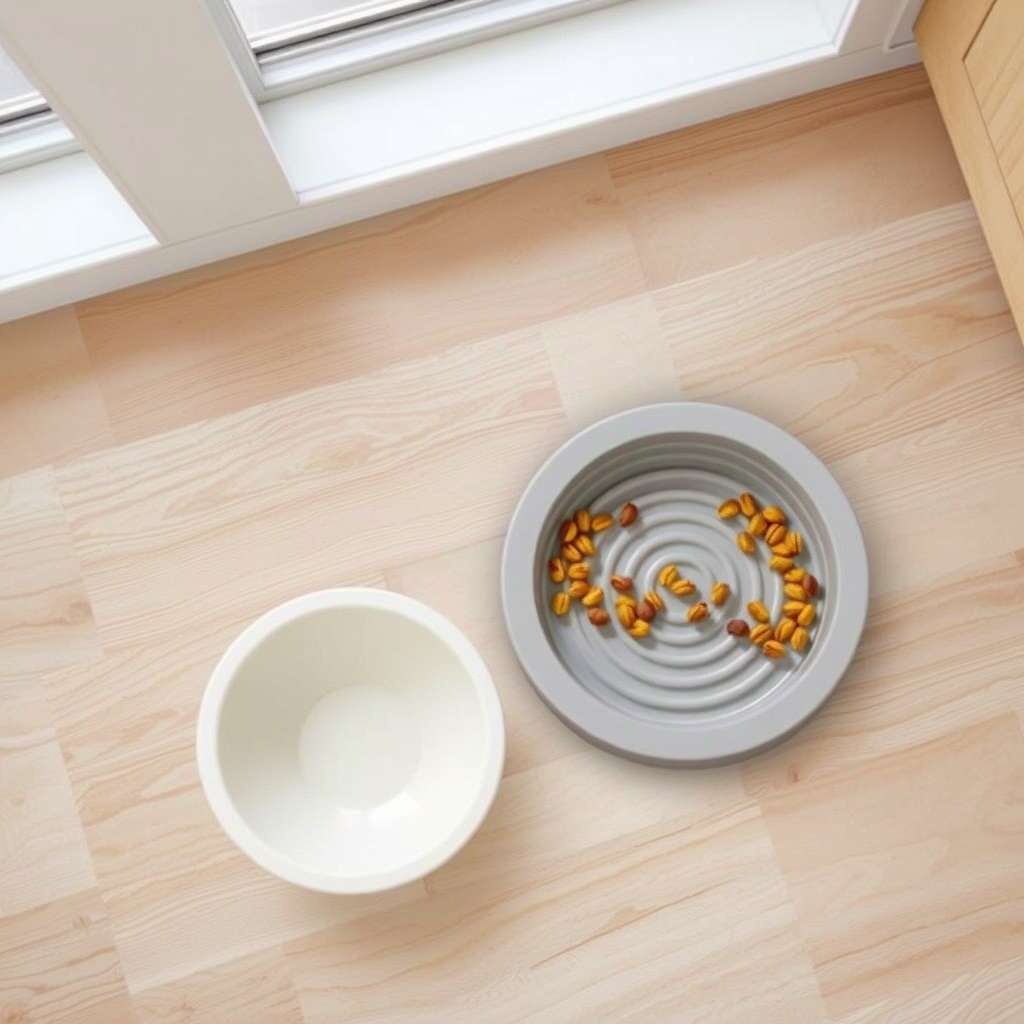
Dog bowl eating too fast is usually a habit, built from competition, hunger gaps or a flat bowl that lets a dog inhale the whole meal in seconds. The free fixes are a big ball in the bowl, a muffin tin or smaller meals. A slow feeder bowl does the same job at every meal with no setup, because its ridges force a dog to work for each bite.
Free fix vs. permanent fix
Make them work for each bite
- Put a ball too big to swallow in the bowl, so food has to be eaten around it
- Spread the meal across a muffin tin or a flat baking tray
- Split the daily food into two or three smaller meals
- Feed multi-dog homes in separate spots
How long it lasts: As long as you set it up every meal. Many dogs figure out a ball or muffin tin in a week or two and speed up again.
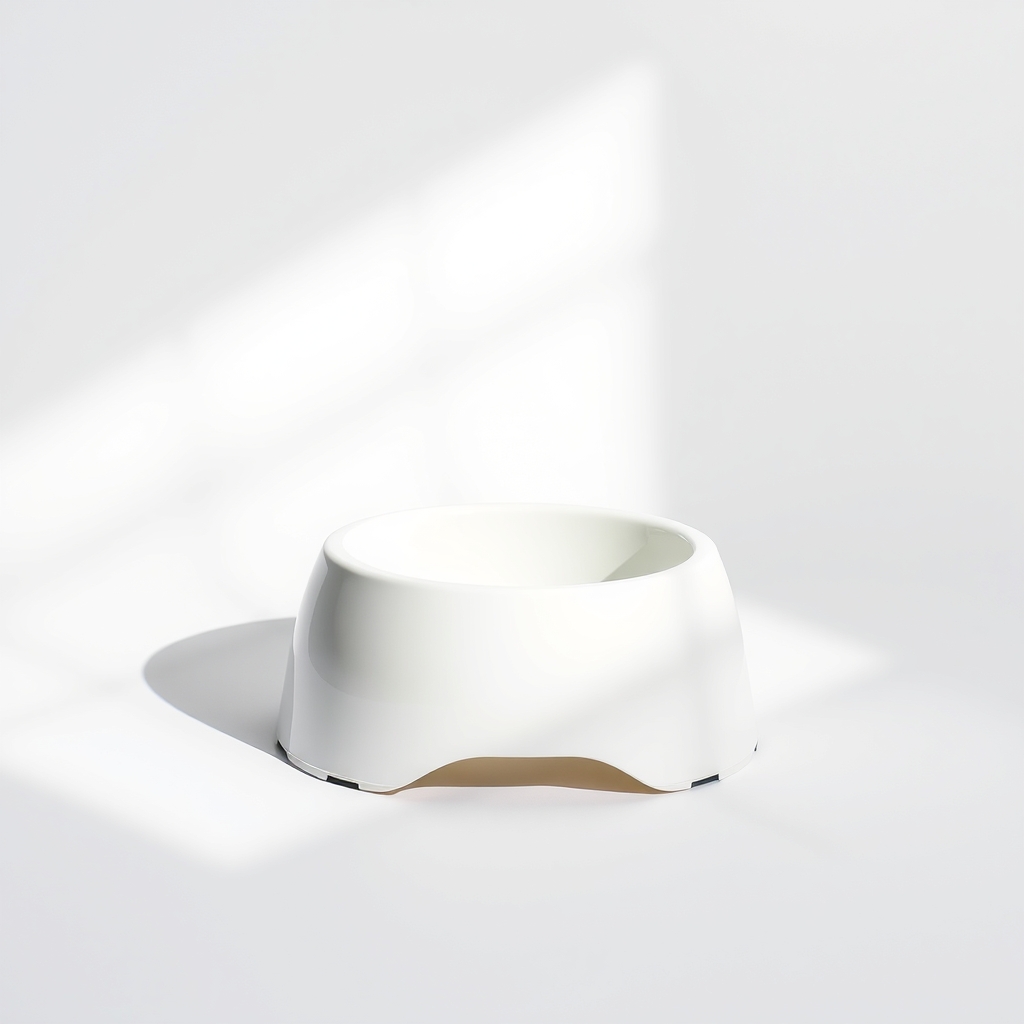
A slow feeder dog bowl
Ridges, mazes or raised pegs break the meal into small awkward bites, so a dog cannot scoop up a mouthful. A dog that finishes in 20 seconds often takes several minutes. It also does not depend on you remembering to set up a ball or a tin.
What to get: Slow feeder dog bowl
How long it lasts: Years. The slow-down is built into the bowl, so it works at every meal.
As an Amazon Associate I earn from qualifying purchases.
What you'll need
-
Large rubber ball
Only if it is far too big for your dog to swallow
You have it -
Muffin tin
Each cup holds a few kibbles
You have it -
Measuring cup
Splits the daily amount into smaller meals
You have it - Our pick Illustration
Slow feeder dog bowl
Built-in ridges or maze, no setup
- Illustration
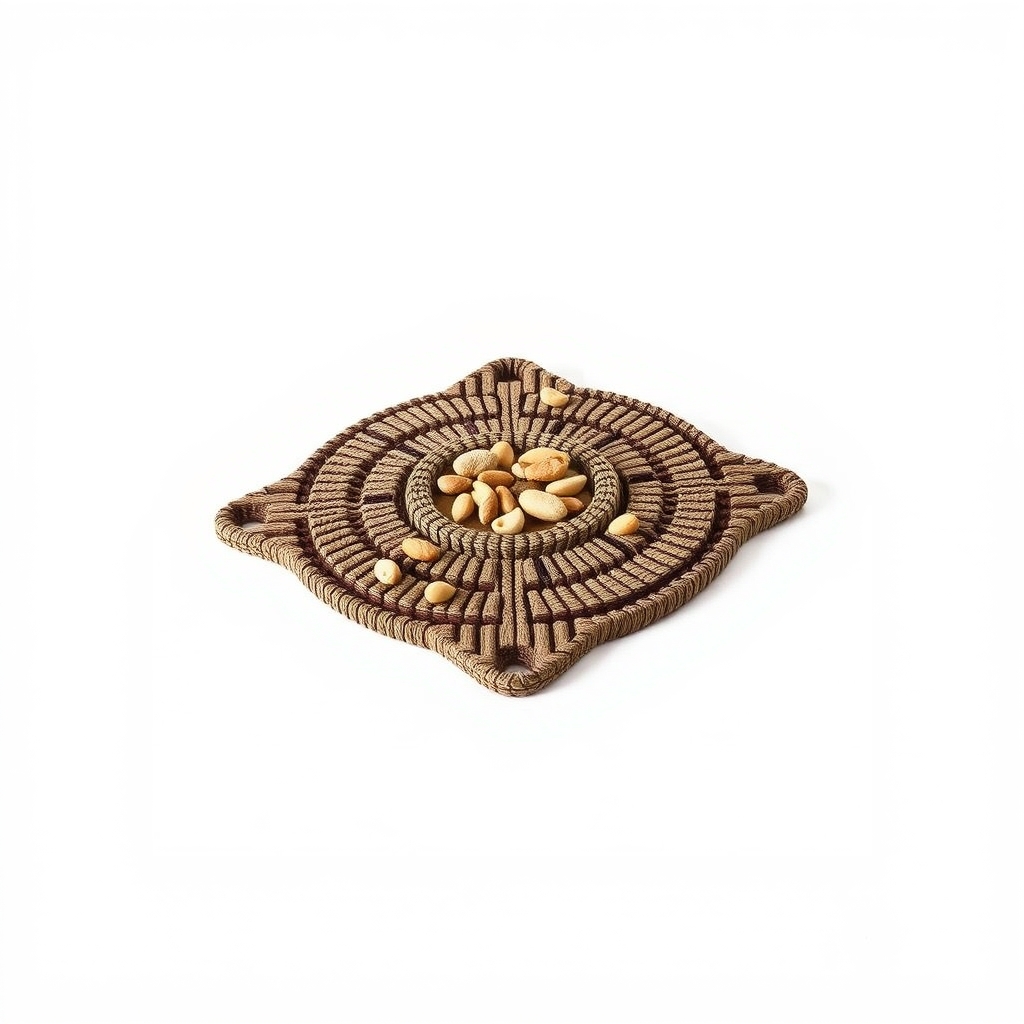
Snuffle mat or puzzle feeder
For dogs that beat a ridged bowl
Why it happens
Competition or past scarcity
Dogs raised in big litters, shelters or multi-dog homes often learn to eat fast to beat the others to the food. The habit sticks even when nobody is competing.
A bowl that makes gulping easy
A wide, flat bowl lets a dog scoop up the whole meal in a few mouthfuls. There is nothing to slow the pace.
Long gaps between meals
One big meal a day can leave a dog hungry by the afternoon. Fast eating follows, and a full bowl feels like a race.
Stress or excitement
Dogs that are anxious, or fed in a noisy, busy spot, tend to rush. A quieter feeding spot can help.
Try this first (free)
Do these in order, starting with the simplest.
-
Put a large ball in the bowl
Tool used: Large rubber ballUse a rubber or tennis-style ball far too big for your dog to swallow or choke on. Food has to be eaten around it. Skip this for small dogs and for dogs that mouth or chew balls.
-
Spread the meal in a muffin tin
Tool used: Muffin tinPut a small amount of kibble in each cup. Your dog has to move from cup to cup, which turns a 20-second meal into a few minutes.
-
Split the daily food into smaller meals
Tool used: Measuring cupKeep the total the same, as printed on the bag or advised by your vet, but feed it in two or three portions at set times. A dog that is not starving rushes less.
-
Feed dogs apart
If you have more than one dog, feed them in separate rooms or behind a gate. Removing the race removes much of the gulping.
-
Switch to a slow feeder bowl for good
Tool used: Slow feeder dog bowlStart with a simple pattern and wide channels so your dog does not get frustrated. Move to a harder one once your dog is calm about it. Wash it after each meal.
IllustrationCheck price on AmazonTool for this step
Slow feeder dog bowl · Built-in ridges or maze, no setup
When free fixes aren't enough
The free tricks work, but they take setup at every meal, and clever dogs learn to beat them. If you are tired of arranging muffin tins, or your dog is back to gulping after a few weeks, a slow feeder bowl is the lasting fix. If your dog is a large, deep-chested breed, slowing down matters more, since gulping food and air is linked to bloat. And if your dog is always starving, losing weight despite eating, or has suddenly started gulping, ask your vet to check for a medical cause.
Buy the fix
Still stuck after the free fixes? These are the products we would look at.
| Pick | Product | Fixes | Who it's for | Buy |
|---|---|---|---|---|
| Best pick | Slow feeder dog bowl | gulping, and the vomiting and gagging that come with it | Dogs that finish a meal in under a minute, and owners who want a fix that needs no setup. | Check price |
| Upgrade pick | Snuffle mat or puzzle feeder | fast eating in dogs that have already beaten a ridged bowl | Smart dogs that solve a maze quickly, or dogs that need mental work as well as slower meals. | Check price |
Slow feeder dog bowl
Fixes: gulping, and the vomiting and gagging that come with it
Look for: Maze, ridges or pegs deep enough to force small bites; Food-safe, BPA-free plastic or stainless steel; A non-slip base so it does not skate across the floor; A pattern and channel width that fit your dog's muzzle.
- Who it's for
- Dogs that finish a meal in under a minute, and owners who want a fix that needs no setup.
- Honest downside
- Your dog chews through hard plastic. Choose stainless steel, or use a muffin tin while you watch.
Snuffle mat or puzzle feeder
Fixes: fast eating in dogs that have already beaten a ridged bowl
Look for: Washable fabric or food-safe silicone; Room for your dog's whole meal; Stitching or parts sturdy enough that they cannot be swallowed; A difficulty level you can adjust.
- Who it's for
- Smart dogs that solve a maze quickly, or dogs that need mental work as well as slower meals.
- Honest downside
- Your dog chews and swallows fabric. Use a hard puzzle feeder and never leave it unattended.
As an Amazon Associate I earn from qualifying purchases. We don't show prices because they change, so use the button to see today's price.
How we picked: How we picked: this page is based on veterinary and pet-care guidance on fast eating and bloat, maker instructions for slow feeder bowls, and what owners report in reviews. We do not test products by hand.
How to pick the right slow feeder pattern
- Small or flat-faced dogs: choose shallow ridges or a wide maze, so the nose can reach the food.
- Large dogs: pick deep, wide channels and a heavy bowl that will not slide or tip.
- Dogs new to it: start with the simplest pattern and move up.
- Strong chewers: choose stainless steel over soft plastic.
Bloat: when gulping becomes an emergency
Bloat can be life-threatening and needs a vet right away. Signs include a swollen, hard belly, retching without bringing anything up, drooling, restlessness and pale gums. Do not wait to see if it passes. Large and deep-chested breeds are at higher risk, so slow their meals and avoid hard exercise right after eating.
What to skip
Raised bowls and bigger servings
Do not switch to a raised bowl to slow your dog down, especially in a large deep-chested breed. Some studies have linked raised feeders to bloat, so ask your vet first. Do not just add more food either. A hungry-looking dog is usually a fast eater, not an underfed one.
Frequently asked questions
Is it bad for my dog to eat too fast?
Why does my dog eat so fast, like he is starving?
How long should a meal take?
Will a slow feeder bowl frustrate my dog?
Can I use a slow feeder for wet food?
Related problems
 Free fix inside
Pets · Dog Feeding
Dog Bowl Too Low? Raised Feeders and How to Choose the Height
Read the fix Free fix inside
Pets · Dog Bowl
Dog Bowl Sliding Around? Non-Slip Options That Stay Put
Read the fix Free fix inside
Pets · Dog Bowl
Dog Bowl No Spill: Water Bowls That Keep the Floor Dry
Read the fix Free fix inside
Pets · Dog Water Bowl
Dog Water Bowl Slimy? Why It Happens and the Bowl That Resists It
Read the fixAs an Amazon Associate I earn from qualifying purchases. Affiliate disclosure