Puppy Keeps Peeing in the Crate? Waterproof Pads Help Cleanup
Crate accidents mean the schedule or crate size is off. Fix those first, clean with an enzyme cleaner, and use a waterproof pad so a mistake is easy to wash.
By Jamilur Rahman Updated November 5, 2026 · 6 min read
- Time
- 20 min, then a new routine
- Cost
- Under $20
- Difficulty
- Medium
In this guide
Quick answer
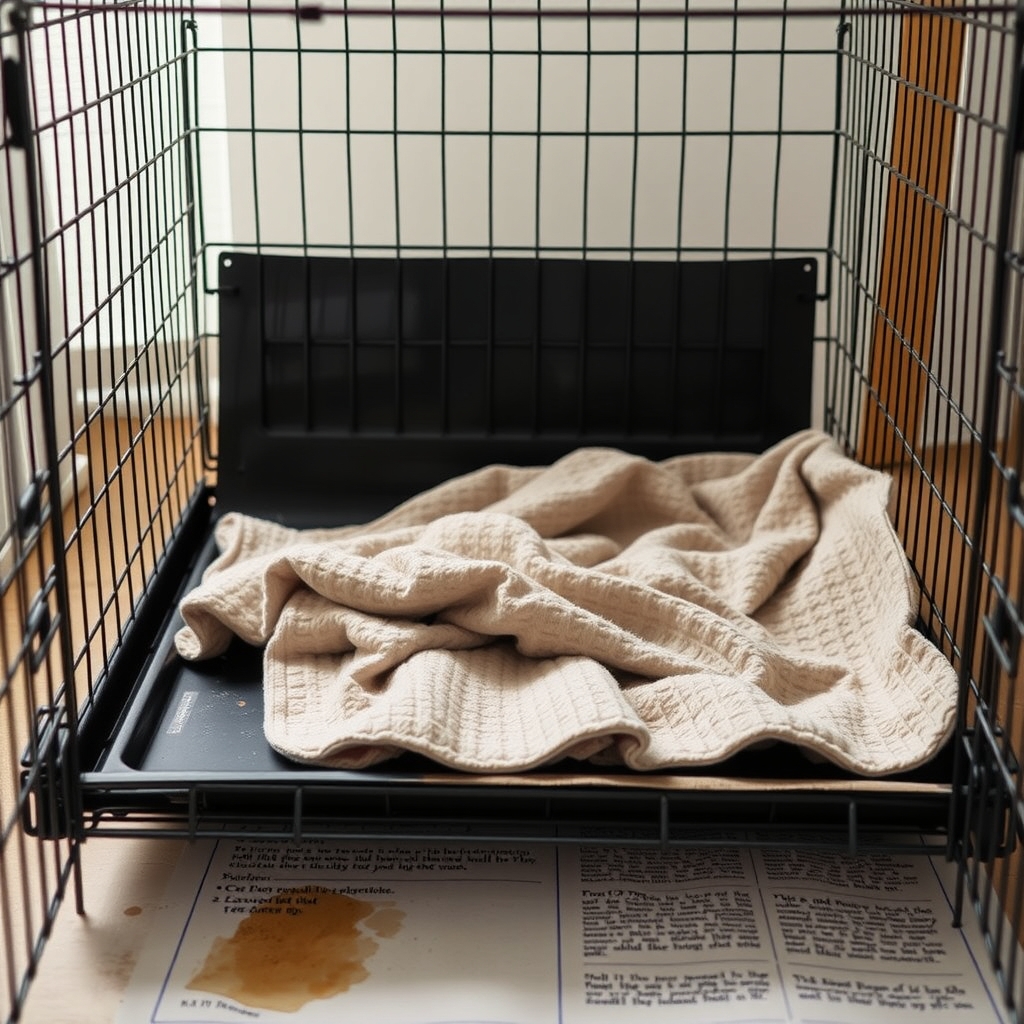
A puppy keeps peeing in the crate when it is shut in longer than its bladder can hold, the crate is big enough to use one end as a toilet, or old smells still mark the spot. Shorten crate stretches, use a divider so the puppy can just stand and turn around, and clean with an enzyme cleaner. A waterproof pad keeps the puppy dry and makes accidents easy to wash, but it does not stop them. The schedule does.
Free fix vs. permanent fix
Fix the schedule and the crate size
- Out to potty right before the crate and right after waking
- Shrink the crate with a divider
- Take out thick bedding that soaks up pee
- Clean every spot with an enzyme cleaner
How long it lasts: Accidents usually stop within a couple of weeks. A sudden change may mean a vet visit.
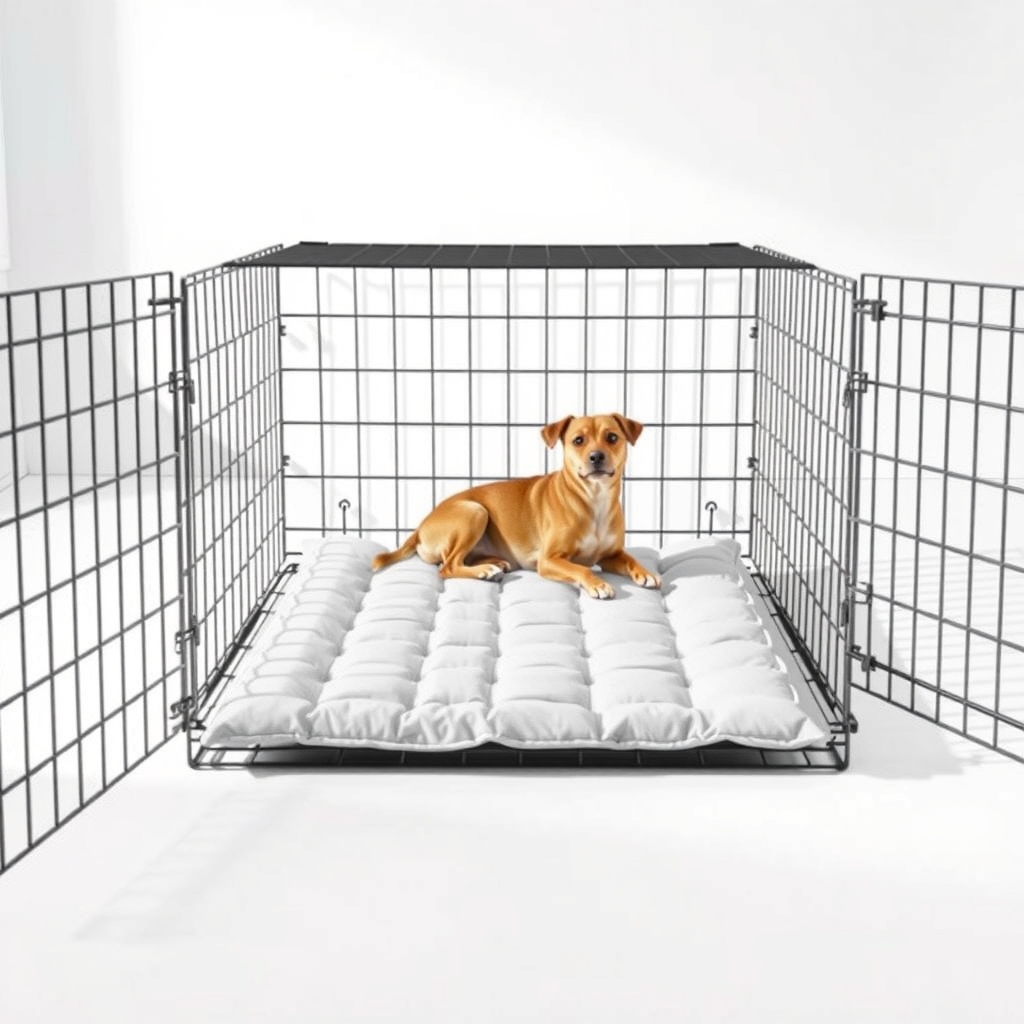
A waterproof crate pad
A pad with a waterproof backing keeps urine off the tray and the puppy dry, so a mistake means a quick wash instead of a soaked blanket and a scrubbed tray. It cannot teach the puppy to hold it. That comes from the schedule.
What to get: Waterproof dog crate pad
How long it lasts: Years, since you wash it after each accident and it dries quickly.
As an Amazon Associate I earn from qualifying purchases.
What you'll need
-
Crate divider panel
Many wire crates come with one
You have it -
Phone timer or notes app
To log potty times and set reminders
You have it -
Treats
For rewarding a pee outside
You have it - Illustration
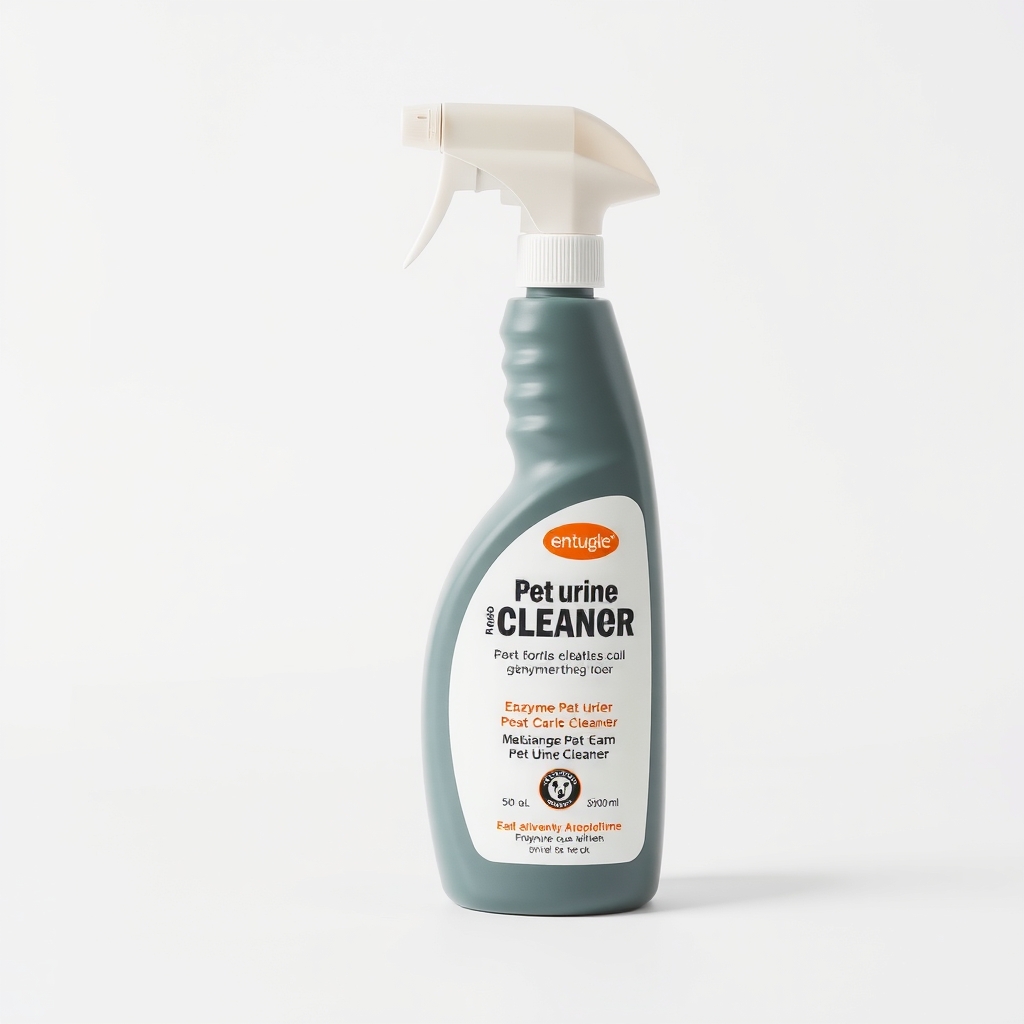
Enzyme pet urine cleaner
Breaks down urine so the smell does not call the puppy back
- Our pick Illustration
Waterproof dog crate pad
Keeps the puppy dry and saves the tray
Why it happens
Crate time is longer than the bladder can hold
Young puppies can only wait a few hours at a time, and less at night at first. A puppy shut in past that limit has no choice.
The crate is too big
A crate with room to spare lets the puppy sleep at one end and go at the other. The space should be just enough to stand, turn around and lie down.
Bedding that soaks it up
A thick towel or bed absorbs pee and keeps the puppy dry. That removes the reason to avoid it.
Old smells from past accidents
Puppies go where it already smells like a toilet. Soap or ammonia cleaners often leave enough scent behind.
A health or stress problem
A urinary infection, parasites, an upset stomach or fear can all cause accidents, including in a puppy that was doing well.
Try this first (free)
Do these in order, starting with the simplest.
-
Rewrite the potty schedule
Tool used: Phone timer or notes appTake the puppy out first thing, after meals, naps and play, and right before the crate and bed. Young puppies often need a break every two to three hours at first, even overnight. Log times so you see the pattern.
-
Shrink the crate
Tool used: Crate divider panelUse the divider so the puppy can stand, turn and lie down, and no more. Move it back as the puppy grows.
-
Swap out soaking bedding
Tool used: Waterproof dog crate padTake out towels and thick beds. A thin, waterproof, washable pad or a bare tray lets you spot an accident right away.
IllustrationCheck price on AmazonTool for this step
Waterproof dog crate pad · Keeps the puppy dry and saves the tray
-
Clean every accident with an enzyme cleaner
Tool used: Enzyme pet urine cleanerStrip the bedding, wash the tray, wipe the bars and soak the spot with the cleaner, then let it air dry. Ammonia cleaners smell like urine to a dog.
IllustrationCheck price on AmazonTool for this step
Enzyme pet urine cleaner · Breaks down urine so the smell does not call the puppy back
-
Reward the right place
Tool used: TreatsTake the puppy on a leash to one spot, wait quietly and give a treat right after it finishes. Never scold after the fact, which teaches fear, not control.
When free fixes aren't enough
Call your vet if accidents start suddenly in a puppy that was doing well, or if you see frequent small pees, straining, blood in the urine or loose stool. If the schedule and crate size are right and the puppy still goes in the crate, the pad's job is cleanup: it keeps the puppy dry and the tray clean while the habit catches up. Pads do not teach potty training, and a puppy that chews and swallows fabric should go without one.
Buy the fix
Still stuck after the free fixes? These are the products we would look at.
| Pick | Product | Fixes | Who it's for | Buy |
|---|---|---|---|---|
| Best pick | Waterproof dog crate pad | soaked bedding and messy cleanup after an accident | Owners in the first weeks of crate training whose puppy still has accidents. | Check price |
| Budget pick | Enzyme pet urine cleaner | leftover urine smell that tells the puppy this is a toilet | Anyone with repeat accidents in the crate or in the same spot. | Check price |
Waterproof dog crate pad
Fixes: soaked bedding and messy cleanup after an accident
Look for: A waterproof backing that stops leaks reaching the tray; A size that fits your crate without bunching; Machine washable and quick to dry; A low, flat surface a puppy cannot easily shred.
- Who it's for
- Owners in the first weeks of crate training whose puppy still has accidents.
- Honest downside
- Your puppy chews and swallows fabric. Use a bare, wipeable tray until it stops. A pad will not fix the habit either.
Enzyme pet urine cleaner
Fixes: leftover urine smell that tells the puppy this is a toilet
Look for: Made for pet urine, with no ammonia; Safe for your tray, bedding and floor surfaces; A bottle big enough for many cleanups.
- Who it's for
- Anyone with repeat accidents in the crate or in the same spot.
- Honest downside
- The label warns against your surface, such as unsealed wood. Test a hidden spot first.
As an Amazon Associate I earn from qualifying purchases. We don't show prices because they change, so use the button to see today's price.
How we picked: How we picked: this page is based on house-training and crate-training guidance from veterinary groups and trainers, and the problems and fixes people report in reviews of crate pads and enzyme cleaners. We do not test products by hand.
Why is my puppy pooping in the crate? When a puppy keeps pooping in it
Poop accidents often come from a schedule that does not match meals. Many puppies need to go within about 5 to 30 minutes of eating, so feed at set times and take the puppy out right after. Loose stool, a new food, a change in routine or parasites can also cause it. If the stool is loose, bloody or the puppy seems unwell, call your vet.
What to skip
Ammonia cleaners, scolding and extra bedding
Ammonia smells like urine to a dog and invites a repeat. Scolding after the fact teaches the puppy to hide accidents. Piling in more bedding only soaks up more pee. Fix the schedule and the size instead.
Frequently asked questions
Why does my dog keep peeing in his crate?
Why does my dog poop in his crate?
How long can a puppy hold it in a crate?
Should I punish my puppy for going in the crate?
Related problems
 Free fix inside
Pets · Dog Crate
Dog Crate Smells Bad? Clean It Right and Add a Washable Pad
Read the fix Free fix inside
Pets · Dog Crate
Dog Crate Too Big? A Divider Panel Fixes It Without a New Crate
Read the fix Free fix inside
Pets · Puppy Crate
Dog Crate Whining? Calming Gear That Helps Puppies Settle
Read the fix Free fix inside
Pets · House Training
Dog Peeing in the House? Clean It the Enzyme Way and Set a Routine
Read the fixAs an Amazon Associate I earn from qualifying purchases. Affiliate disclosure