Dog Crate Too Big? A Divider Panel Fixes It Without a New Crate
Too much room lets a puppy use one end as a bathroom. Shrink the space with a bin today, then add a divider panel that moves back as your dog grows.
By Jamilur Rahman Updated November 5, 2026 · 6 min read
- Time
- 10 min
- Cost
- $20-$50
- Difficulty
- Easy
In this guide
Quick answer
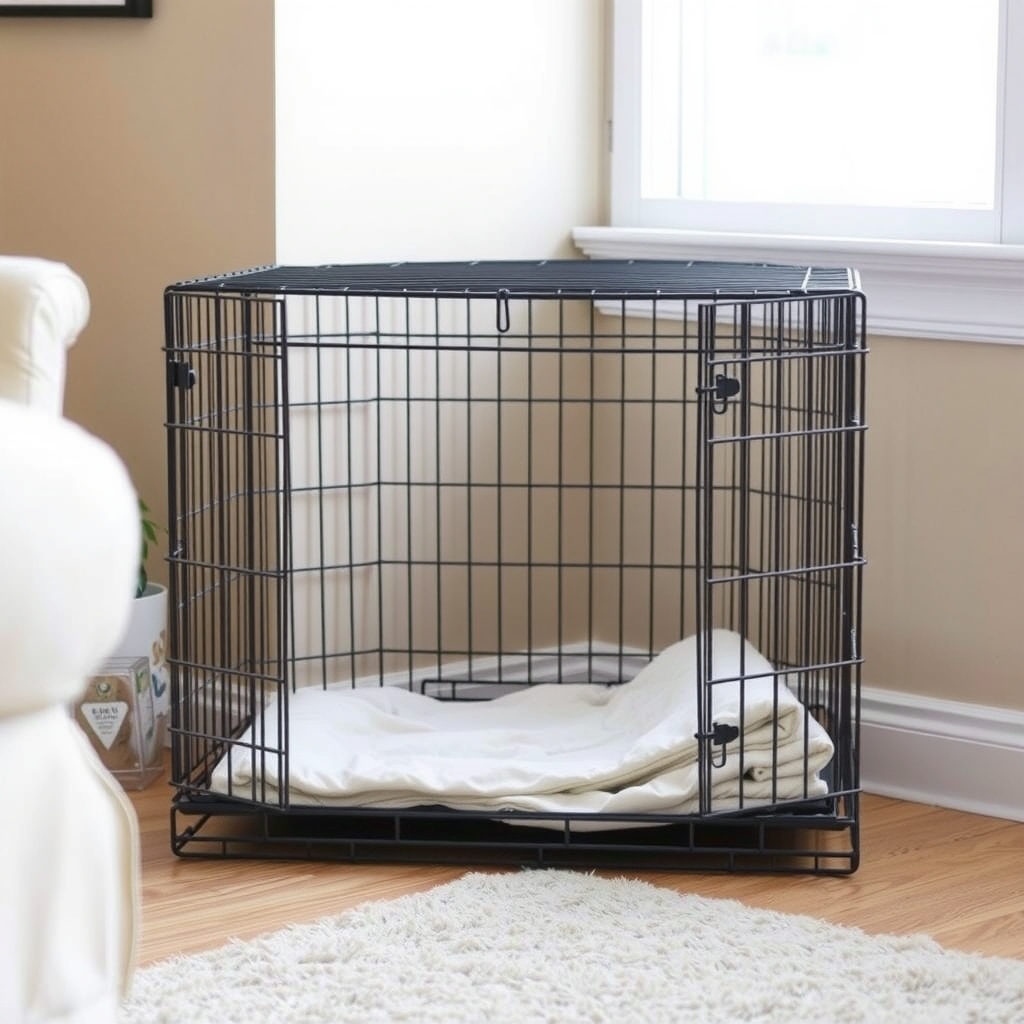
A crate should be just big enough for your dog to stand up, turn around and lie down flat. Extra space lets a puppy sleep in one end and pee in the other. For today, block off the extra room with a sturdy plastic bin. For good, add a wire crate divider panel that clips in place and moves back as your puppy grows, so one crate lasts for years.
Free fix vs. permanent fix
Fill the extra space with a bin
- Measure what your dog needs: nose to base of tail, plus a few inches
- Wedge a sturdy plastic bin against the back wall to fill the rest
- Make sure it cannot tip over or slide into the sleeping space
- Remove it if your dog chews it
How long it lasts: Days to a couple of weeks. A loose bin shifts, gets chewed or pushed over, and has to be moved as your dog grows.
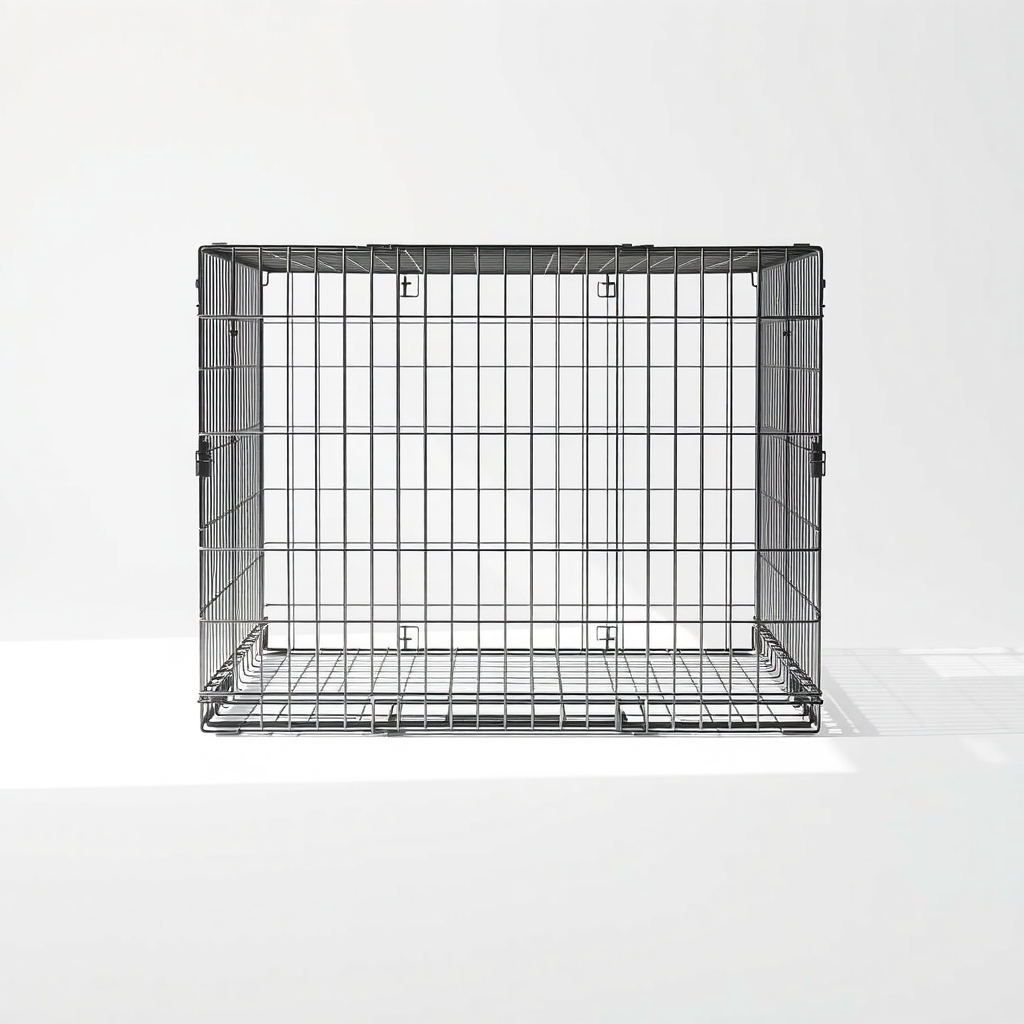
A wire crate divider panel
A divider is a fitted panel that clips onto the crate wires, so there is no gap for a paw or snout and nothing to push over. You slide it back in steps, so the same crate fits your dog from puppyhood to adult.
What to get: Wire dog crate divider panel
How long it lasts: As long as the crate does. Move it back every few weeks as your puppy grows.
As an Amazon Associate I earn from qualifying purchases.
What you'll need
-
Tape measure
For your dog and for the inside of the crate
You have it -
Sturdy plastic storage bin
A temporary block, not a long-term fix
You have it - Our pick Illustration
Wire crate divider panel
Match it to your crate's size and model
Why it happens
Room to soil one corner
Puppies avoid soiling the spot where they sleep. A crate that is too big gives them a far corner to use as a bathroom, and house training slows down.
An adult-size crate for a puppy
Many people buy the adult size to save money. That is a good plan only if the crate has a divider, or you add one.
Choosing by weight instead of body size
Size charts based on weight are only a guide. A long, lean dog and a short, stocky dog of the same weight need different space.
A den that feels too open
Many dogs settle better in a snug space. A big, open crate may feel less like a den and less like a safe spot.
Try this first (free)
Do these in order, starting with the simplest.
-
Measure your dog
Tool used: Tape measureMeasure from nose to base of tail, and from the floor to the top of the head or the ear tips if they stand up. Add 2 to 4 inches to each. That is the space your dog needs, no more.
-
Check the manual first
Many wire crates ship with a divider in the box, or the maker sells one that fits. Look before you buy. A divider made for your crate fits with no gaps.
-
Block the spare space for now
Tool used: Sturdy plastic storage binWedge a sturdy plastic bin against the back wall so the open space matches your measurements. Do not use anything that can collapse, break into chewable pieces or be dragged through the bars.
-
Pair it with a potty schedule
A smaller crate is a tool, not a cure. Take your puppy out right after waking, eating and play. A rough guide is that a young puppy can wait about an hour for each month of age.
-
Recheck every two to three weeks
Tool used: Tape measurePuppies grow fast. When your dog can no longer stand, turn and stretch out comfortably, move the barrier back an inch or two.
When free fixes aren't enough
A bin works for a weekend. After that it shifts, gets chewed or becomes something a determined puppy can drag into the sleeping space. If you are moving it every few days, or your puppy keeps pushing it out, you need a barrier that locks in place. A divider panel clips to the crate wires with no gaps for paws or a snout, and slides back in steps as your dog grows. It only fits wire crates, and it will not fix separation anxiety or a crate that is too small for your adult dog.
Buy the fix
Still stuck after the free fixes? These are the products we would look at.
Wire dog crate divider panel
Fixes: extra crate space that slows house training
Look for: Sized to your crate's width and height, so measure the inside first; Coated steel wire or rod with no sharp edges; Clips or ties that lock to the crate bars; Gaps too small for a paw or snout to wedge through.
- Who it's for
- Anyone with a wire crate and a growing puppy, or an adult dog whose crate is a size too big.
- Honest downside
- Your crate is plastic, soft-sided or furniture-style and has no way to attach a panel. Check the section below.
As an Amazon Associate I earn from qualifying purchases. We don't show prices because they change, so use the button to see today's price.
How we picked: How we picked: this page is based on crate-sizing guides from breeders and trainers, the manuals that come with wire crates, and the problems owners report in reviews. We do not test products by hand.
Check your crate type first
- Wire crate: a divider panel fits, and many ship with one.
- Plastic airline-style crate: no panel fits. Block space with a bin for now, or buy the right size.
- Soft-sided crate: not suited to chewers or to blocking space. Choose the right size.
- Furniture-style crate: some have a built-in divider. Check the manual.
Safety check for any barrier
Never leave a puppy alone with a barrier you have not tested. Make sure it cannot fall, fold or trap a paw or head. Take off the collar before crating, and stop using any barrier your dog is chewing.
What to skip
Cardboard boxes and loose blankets
A cardboard box is easy to chew and tear, and bits of it can be swallowed. A loose blanket can be pulled into the crate and shredded. Neither holds up the way a panel locked to the wire does.
Frequently asked questions
How big should a dog crate be?
Is a crate that is too big bad for a dog?
Can a divider fit any crate?
When do I move the divider back?
As an Amazon Associate I earn from qualifying purchases. Affiliate disclosure