Dog Peeing in the House? Clean It the Enzyme Way and Set a Routine
Dogs return to spots that still smell like urine. Clean with an enzyme cleaner, set a potty routine, and see the vet if it started suddenly.
By Jamilur Rahman Updated November 5, 2026 · 7 min read
- Time
- 30 min, then a routine
- Cost
- Under $20
- Difficulty
- Medium
In this guide
Quick answer
To stop dogs from peeing in the house, rule out a medical cause if it started suddenly, take your dog out on a steady schedule and reward every outdoor pee, and clean each accident with an enzyme cleaner so the smell stops pulling the dog back to the same spot. Soap and vinegar often leave enough scent for a dog's nose. Training pads with an attractant can help a puppy or small dog that needs an indoor spot.
Free fix vs. permanent fix
A potty routine and a thorough clean
- Take your dog out after waking, meals, play and naps
- Reward right after the pee outside, within seconds
- Supervise, or use a leash, gate or crate when you cannot watch
- Blot, soak and clean every spot with an enzyme cleaner
How long it lasts: For a puppy or newly trained dog, accidents usually fade within weeks. Without cleaning out the smell, they return to the same spots.
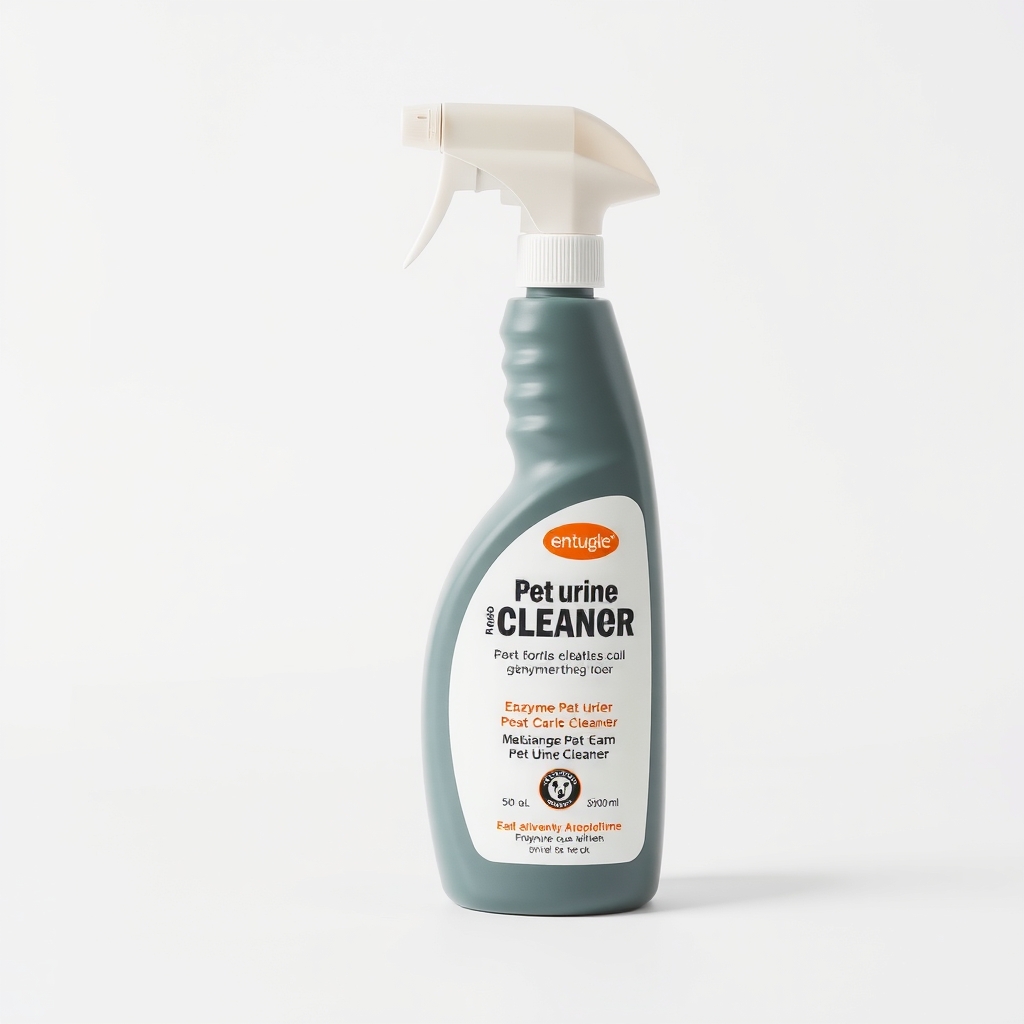
An enzyme pet urine cleaner
Urine leaves uric acid crystals that normal cleaners do not break down. A dog smells them long after you cannot. Enzyme cleaners are made to break those compounds down, so the spot stops saying bathroom. Training still has to teach where to go.
What to get: Enzyme pet urine cleaner
How long it lasts: Once a spot is fully treated and dry, the smell that drew your dog back is gone for good.
As an Amazon Associate I earn from qualifying purchases.
What you'll need
-
Leash
Keeps trips outside short and focused
You have it -
Treats
Tiny and tasty, given within seconds of finishing outside
You have it -
Paper towels
Blot fresh urine, never rub
You have it - Our pick Illustration
Enzyme pet urine cleaner
Breaks down the smell so the spot stops attracting your dog
- Illustration
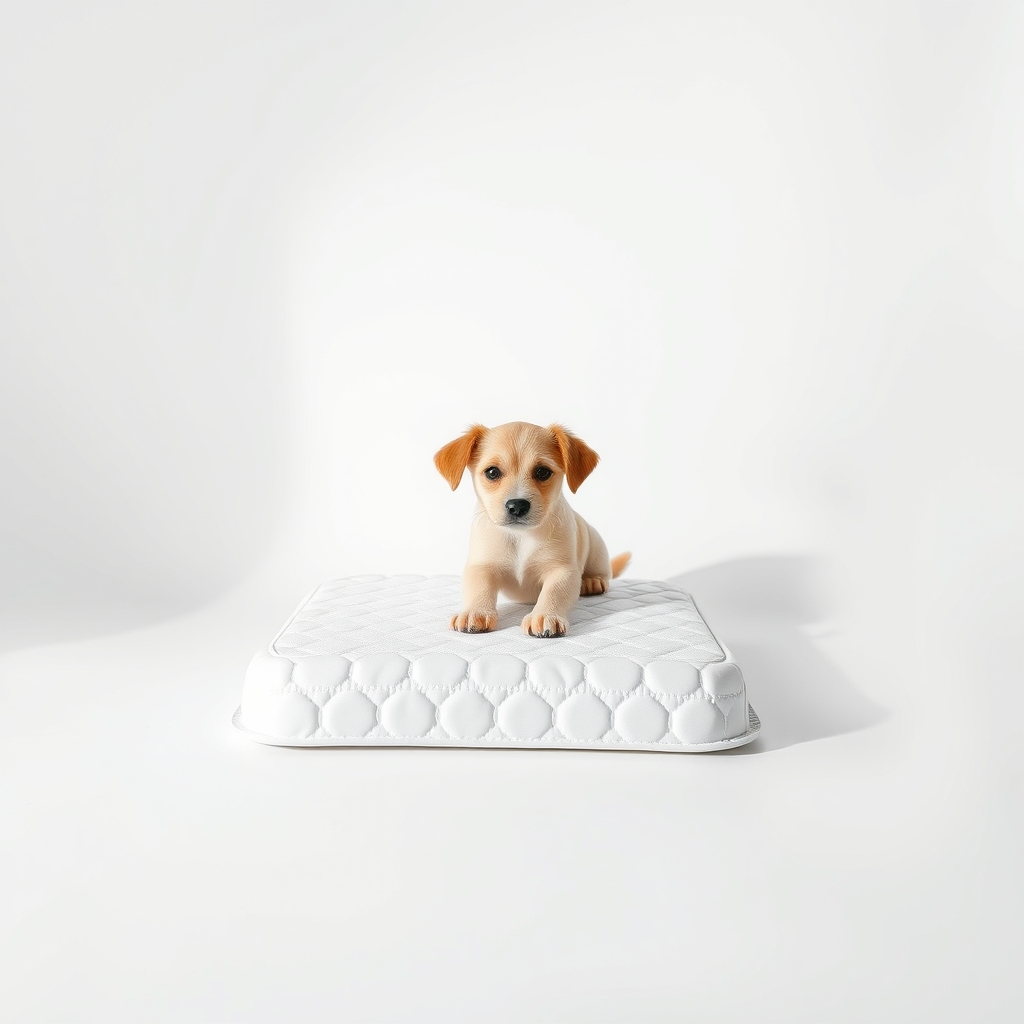
Puppy training pads with attractant
An indoor spot for a puppy, small dog or senior
- Illustration
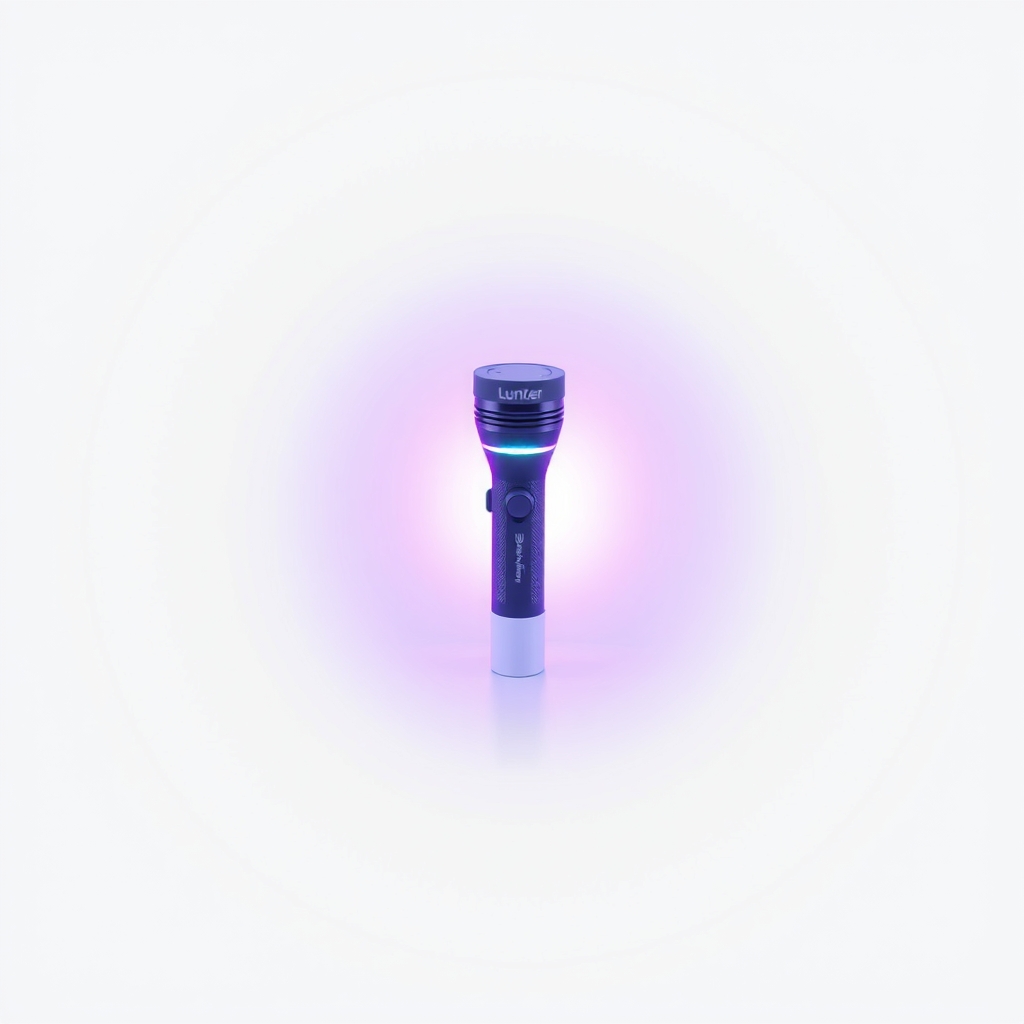
UV blacklight flashlight
Optional, to find old spots you cannot see
Why it happens
Not fully trained yet
House training takes weeks to months. Puppies have small bladders and need a break every hour or two while awake.
The spot still smells
A dog that has gone in a spot once is drawn back to it. Regular cleaners do not remove the scent a dog can smell.
A health problem
Urinary infections, bladder stones, diabetes, kidney disease, incontinence and some medications can all cause accidents, especially in a dog that had been reliable.
Marking
Small squirts on upright things such as walls, bags or table legs are marking. It is common in unneutered males and after a new pet or person arrives.
Fear, excitement or stress
Some dogs leak a little when greeted, scolded or scared by a storm. A move, a new baby or time alone can also set it off.
Try this first (free)
Do these in order, starting with the simplest.
-
Check health first if it is new
See your vet if a house-trained dog suddenly starts having accidents, strains, passes blood, or drinks and pees much more than usual.
-
Set a potty clock
Tool used: LeashPuppies need out every hour or two while awake, and after sleeping, eating, drinking and playing. Most adult dogs need a break at least every four to six hours. Walk to the same spot on a leash and wait quietly for up to five minutes.
-
Reward right away
Tool used: TreatsGive a treat and praise within seconds after your dog finishes outside, not after you come back in. That timing is what teaches the lesson.
-
Manage the rest of the time
Keep your dog in sight, tether it to you with a leash, use a gated room or a crate if it is crate-trained. Sniffing and circling mean go outside now.
-
Interrupt calmly if you catch it
Say a quick oops, scoop your dog up or leash it and go outside. Reward if it finishes there. Never yell or rub its nose in it.
-
Clean the spot the enzyme way
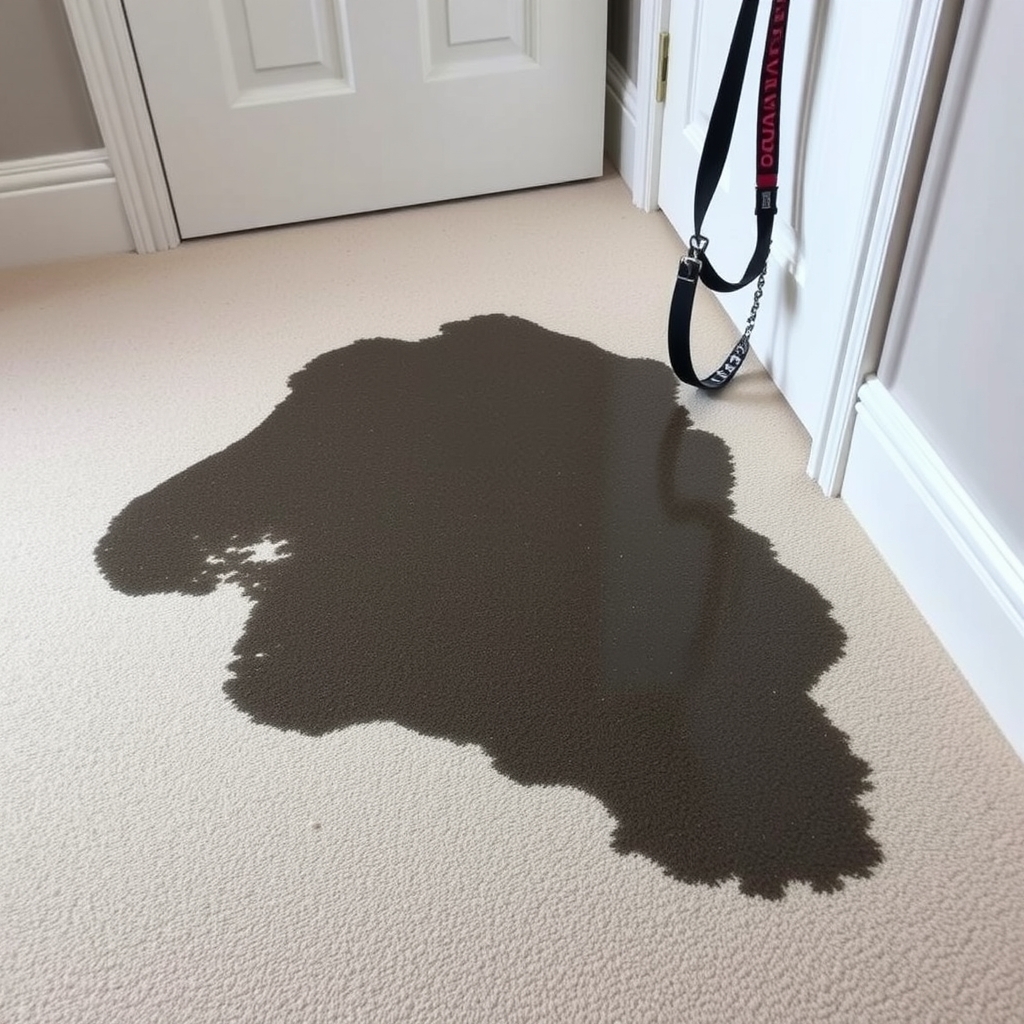
Tool used: Enzyme pet urine cleanerBlot fresh urine with paper towels, working from the edges in. Soak the spot with an enzyme cleaner so it reaches as deep as the urine did, follow the label for contact time and let it air dry. Skip steam cleaners, which can set the odor.
IllustrationCheck price on AmazonTool for this step
Enzyme pet urine cleaner · Breaks down the smell so the spot stops attracting your dog
When free fixes aren't enough
If your dog keeps returning to a cleaned spot, the urine may have soaked through the carpet into the pad or subfloor, where surface cleaning cannot reach. Treat that spot heavily, or replace the pad. If a house-trained dog started peeing out of nowhere, see the vet before anything else. A training pad can bridge the gap for puppies, tiny breeds, apartment owners and older dogs who cannot wait, but it teaches indoor peeing, so plan to move it toward the door and phase it out.
Buy the fix
Still stuck after the free fixes? These are the products we would look at.
| Pick | Product | Fixes | Who it's for | Buy |
|---|---|---|---|---|
| Best pick | Enzyme pet urine cleaner | urine smell that keeps pulling the dog back | Anyone with repeat accidents in one spot. | Check price |
| Budget pick | Puppy training pads with attractant | having a place to go when a dog cannot get outside in time | Apartment owners, young puppies, small dogs and seniors. | Check price |
Enzyme pet urine cleaner
Fixes: urine smell that keeps pulling the dog back
Look for: Made for pet urine, with enzymes or bacteria that break down uric acid; Safe for your surface, such as carpet, upholstery or sealed hard floor; No ammonia; A bottle big enough to soak spots.
- Who it's for
- Anyone with repeat accidents in one spot.
- Honest downside
- The spot is unsealed wood or a delicate fabric the label warns about. Test a hidden area first. If urine has soaked into the subfloor, you may need a pro.
Puppy training pads with attractant
Fixes: having a place to go when a dog cannot get outside in time
Look for: A leak-proof backing; An attractant scent that draws the dog to the pad; A size that suits the dog; A quick-dry top surface.
- Who it's for
- Apartment owners, young puppies, small dogs and seniors.
- Honest downside
- Your dog already goes outside and you do not want to teach indoor peeing, or your dog shreds and eats pads.
As an Amazon Associate I earn from qualifying purchases. We don't show prices because they change, so use the button to see today's price.
How we picked: How we picked: this page is based on house-training guidance from veterinary groups and trainers, cleaning advice for pet urine, and the problems and fixes people report in reviews of enzyme cleaners and training pads. We do not test products by hand.
A daily potty schedule for a puppy or a dog that needs a reset
- Morning: out the moment they wake, before anything else.
- After meals: out within about 5 to 30 minutes of eating or drinking.
- After play and naps: out every time.
- Before crate or bed: out right before, even if they just went.
- Overnight: young puppies often need one or two trips at first.
Marking or an accident? How to tell the difference
Marking is usually small squirts on upright things, such as table legs, bags or walls. An accident is a puddle on the floor. For marking, clean the spots, limit access to the room and supervise. Ask your vet or a trainer for help, since neutering helps many males.
What to skip
Ammonia, vinegar-only cleaning and punishment
Ammonia smells like urine and invites a repeat, and vinegar alone often leaves the scent a dog can detect. Rubbing a nose in it or yelling afterward teaches your dog to hide when it goes, not to go outside.
Frequently asked questions
Why does my dog keep peeing in the house?
Why does my puppy keep peeing in the house?
Why does my puppy keep pooping in the house?
Do enzyme cleaners really work on dog pee?
When should I see a vet about peeing in the house?
Related problems
 Free fix inside
Pets · Cat Pee Smell
Cat or Dog Pee Smell in Carpet? Why Soap Fails and Enzymes Win
Read the fix Free fix inside
Pets · Cat Pee Smell
Cat or Dog Pee Smell on Wood Floors: Get It Out of the Grain
Read the fix Free fix inside
Pets · Puppy Crate
Puppy Keeps Peeing in the Crate? Waterproof Pads Help Cleanup
Read the fix Free fix inside
Pets · Puppy Crate
Dog Crate Whining? Calming Gear That Helps Puppies Settle
Read the fixAs an Amazon Associate I earn from qualifying purchases. Affiliate disclosure