Litter Box Too Small for Your Cat? Roomy Ones Worth Buying
A cramped box makes cats perch, miss or skip it. Measure your cat, then pick a box about one and a half times their length.
By Jamilur Rahman Updated November 5, 2026 · 7 min read
- Time
- 15 min
- Cost
- $20-$50
- Difficulty
- Easy
In this guide
Quick answer
A litter box is too small when your cat hangs over the edge, perches on the rim, struggles to turn around or goes beside the box. A common rule is a box about 1.5 times as long as your cat, nose to base of tail. A big plastic storage tote is a free way to test it. An extra-large box with a low entry is the lasting fix.
Free fix vs. permanent fix
A storage tote as a trial box
- Pick a clear tote at least 1.5 times your cat's length
- Cut a smooth, low entry in one short side
- Sand or tape the cut edge
- Fill with 2 to 3 inches of litter
How long it lasts: Often months, and it can work well. The soft plastic scratches, holds odor and cracks over time, and the cut edge needs care.
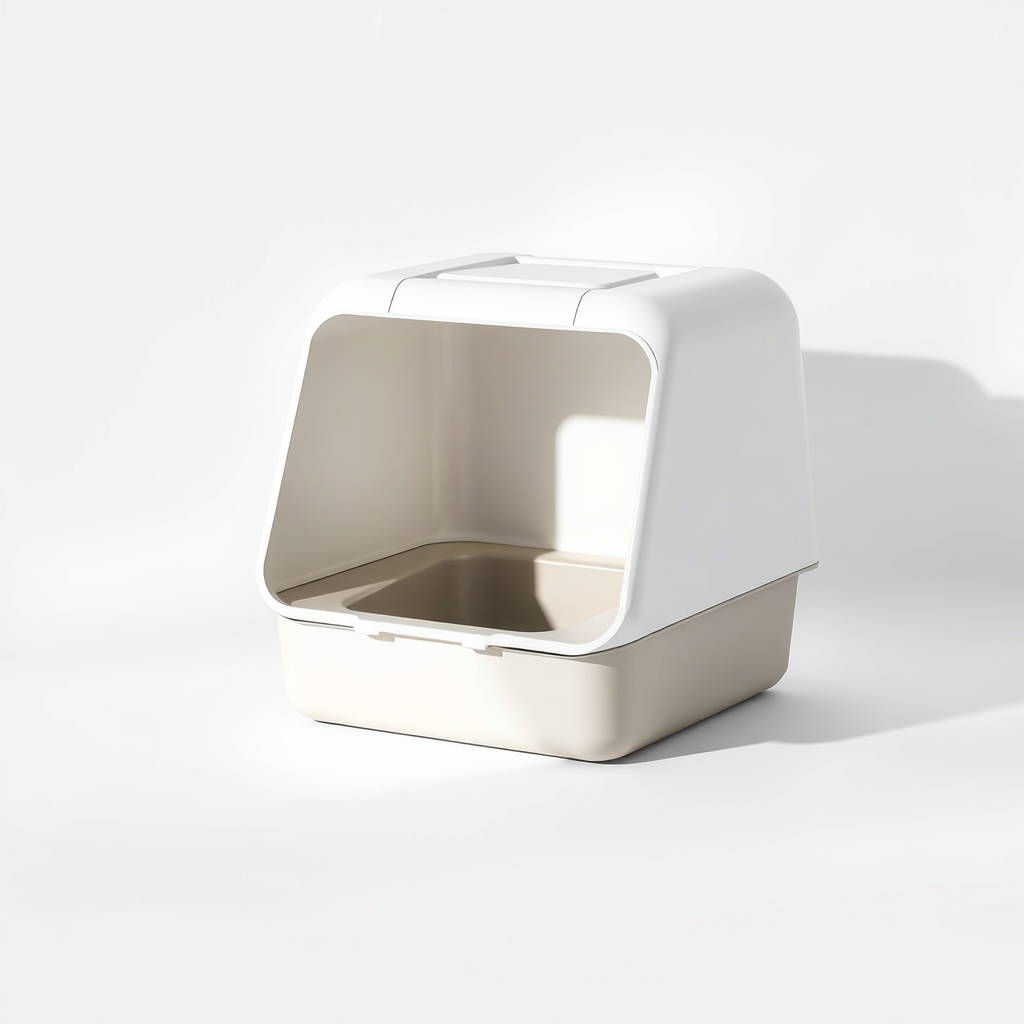
An extra-large litter box with a low entry
If the tote works, size was the issue. A purpose-built extra-large box does the same job with a shaped entry, sturdier walls and a surface that scrubs clean, so there is no cut edge to sand and no soft plastic that starts to smell.
What to get: Extra-large open litter box with a low entry
How long it lasts: Years. Rigid, smooth plastic stays easy to scrub, and the rim does not crack.
As an Amazon Associate I earn from qualifying purchases.
What you'll need
-
Tape measure or string
Measure nose to base of tail
You have it -
Large clear storage tote
A trial box that costs nothing
You have it -
Utility knife and sandpaper
To cut and smooth the entry; an adult job
You have it - Our pick Illustration
Extra-large litter box
Compare the inside length, not the outside
- Illustration
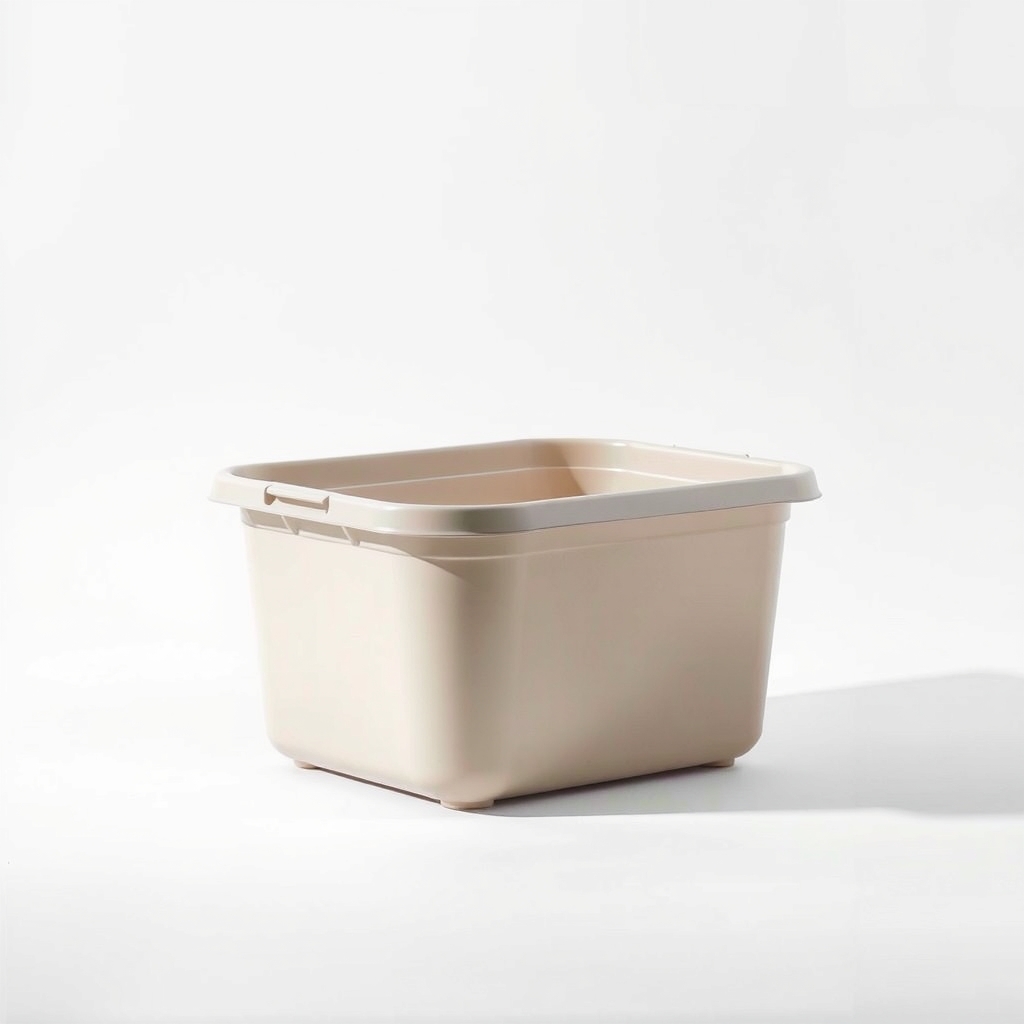
Jumbo litter pan
A basic roomy pan with no extras
- Illustration
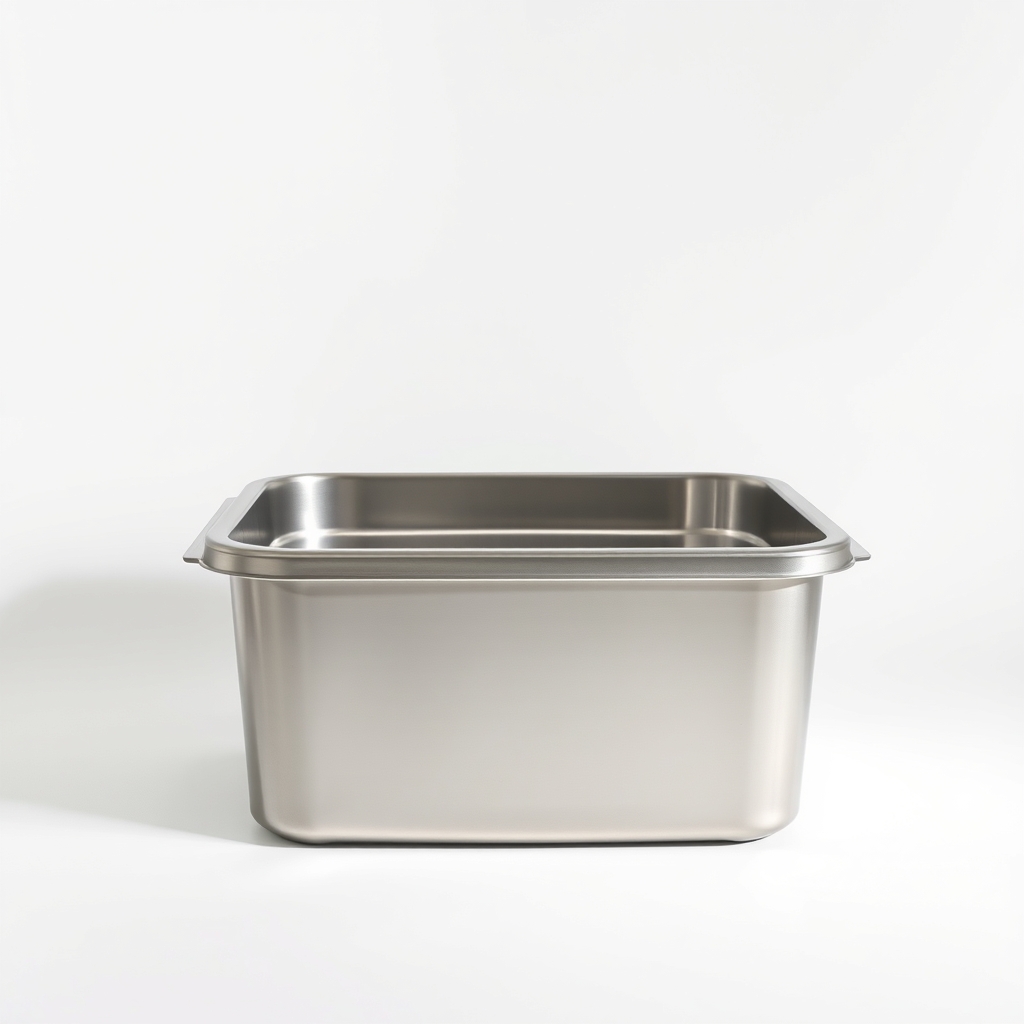
Stainless steel litter box
For people who want to buy once
Why it happens
A box sized for an average cat
Standard boxes suit a medium cat. Large and long-bodied cats, such as Maine Coons, cannot turn around or squat comfortably in them.
A cat that has grown
A box bought for a kitten gets small within months. Many owners never upsize it, and the cat starts missing or perching.
A lid that cuts headroom
Hooded boxes shrink the usable space, and a cat that cannot stand up to dig may avoid it. Smell also builds up under the hood.
Stiff joints in an older cat
Older cats with sore hips or knees cannot twist and squat in a cramped box. A bigger, lower box makes it easier.
Try this first (free)
Do these in order, starting with the simplest.
-
Measure your cat
Tool used: Tape measure or stringMeasure from the tip of the nose to the base of the tail, then multiply by 1.5. That is the inside length you want. Compare it with the listed interior size of any box, not the outside size.
-
Watch how your cat uses the box
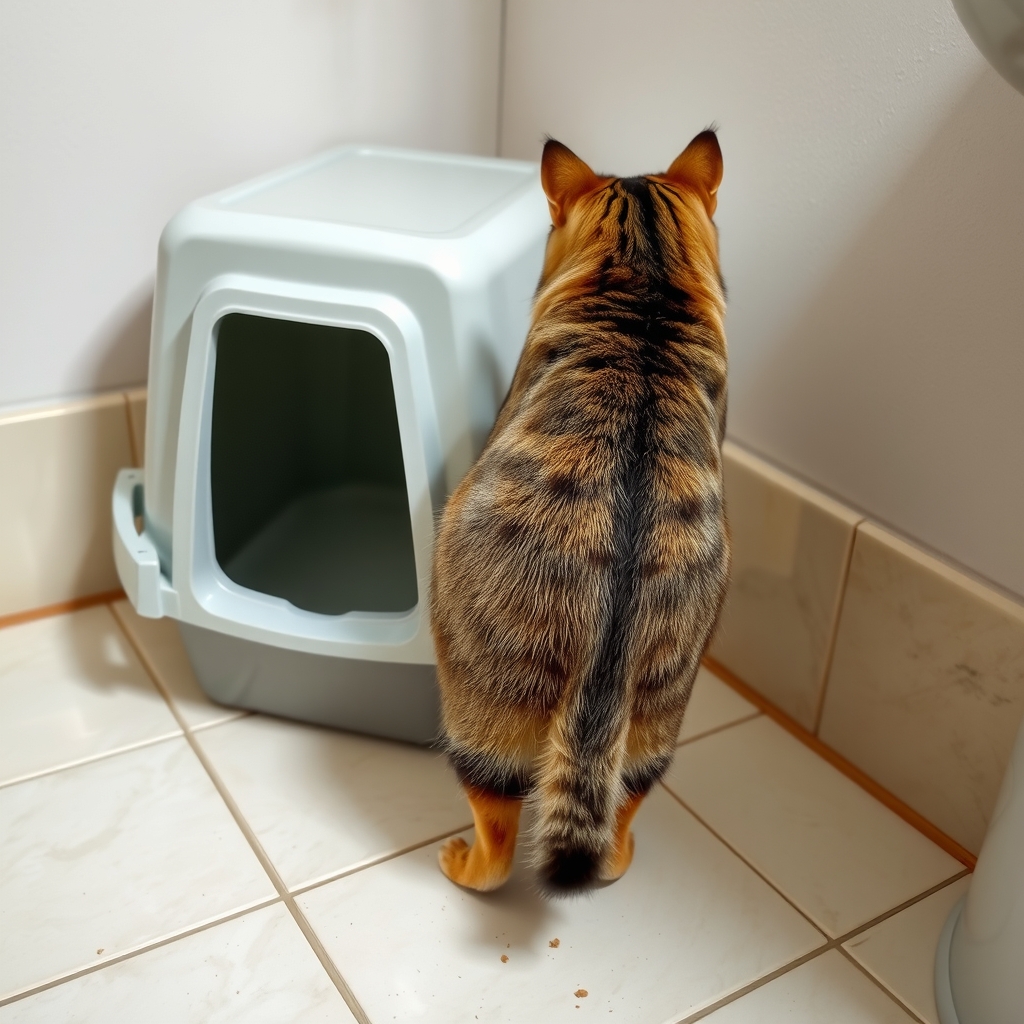
Signs of a too-small box include feet outside the box, hanging over the rim, perching on the edge, little digging and waste at the edge. A cat that goes beside the box is telling you something.
-
Build a trial box
Tool used: Large clear storage toteTake a clear storage tote that is long enough and cut a U-shaped entry in one short side, a few inches off the floor, or lower for an older cat.
-
Smooth the cut edge
Tool used: Utility knife and sandpaperSand the cut, then cover any rough spot with tape. A sharp edge can scratch a cat and puts it off using the box.
-
Fill it and give it a week
Add 2 to 3 inches of your usual litter and keep the old box beside it for a few days so your cat can choose. Scoop daily and see which one gets used.
When free fixes aren't enough
Totes are not made for litter. The plastic scratches, traps odor and can crack, the cut entry can be too high for a senior cat, and the walls may flex under a heavy cat. If the tote works for your cat, keep using it, or move to a purpose-built extra-large box when it wears out. If your cat suddenly goes outside the box, strains, cries or passes only small amounts of urine, call a vet the same day. A male cat that cannot pass urine is an emergency.
Buy the fix
Still stuck after the free fixes? These are the products we would look at.
| Pick | Product | Fixes | Who it's for | Buy |
|---|---|---|---|---|
| Best pick | Extra-large open litter box with a low entry | a cat that perches, misses or avoids a cramped box | Large, long or heavy cats, and anyone whose cat has outgrown a starter box. | Check price |
| Budget pick | Jumbo litter pan | a small box, with no extras | People who want the extra space at the lowest price. | Check price |
| Upgrade pick | Extra-large stainless steel litter box | a big box that stays clean after years of scratching | People who want to buy once and scrub easily. | Check price |
Extra-large open litter box with a low entry
Fixes: a cat that perches, misses or avoids a cramped box
Look for: An inside length of about 1.5 times your cat's length, using the listed interior size; A low front or side entry, so older and heavier cats can step in; Smooth, non-porous plastic that scrubs clean; Rigid walls that do not flex when you lift or when the cat steps on the rim.
- Who it's for
- Large, long or heavy cats, and anyone whose cat has outgrown a starter box.
- Honest downside
- Space is very tight. An extra-large box needs room along a wall, so measure the spot before you buy.
Jumbo litter pan
Fixes: a small box, with no extras
Look for: An inside size that matches your 1.5 times measurement; Rigid plastic that does not flex when lifted; No lid, so the cat has full headroom.
- Who it's for
- People who want the extra space at the lowest price.
- Honest downside
- Your cat kicks litter out. You may need higher sides, so see the related page on high-sided boxes.
Extra-large stainless steel litter box
Fixes: a big box that stays clean after years of scratching
Look for: Smooth, seamless corners that wipe clean; Stainless steel, which does not hold odor like scratched plastic; A stable base and rolled edges.
- Who it's for
- People who want to buy once and scrub easily.
- Honest downside
- Your cat is small or elderly and needs a very low entry, or you dislike the clatter of litter on metal.
As an Amazon Associate I earn from qualifying purchases. We don't show prices because they change, so use the button to see today's price.
How we picked: How we picked: this page is based on litter box sizing advice from cat behavior and veterinary sources, manufacturer dimension charts, and the problems and fixes owners report in reviews. We do not test products by hand.
How to size a box
- Measure your cat from nose to base of the tail.
- Multiply by 1.5 for the inside length you want.
- Check the listed interior length and width, since outside numbers include the rim.
- Check the entry height if your cat is old, small or heavy.
Where to put a big box
Pick a quiet spot with an easy exit, away from the food and water bowls. An extra-large box needs about as much floor space as a small rug, so measure first. If it must go in a bathroom corner, make sure the door can still open and shut with the box in place.
What to skip
Hooded boxes sold as large
A lid cuts headroom and traps smell. If size is what your cat objects to, start with an open box. Some cats like a hood, so add one later if your cat shows it prefers one.
Frequently asked questions
How big should a litter box be?
How do I know if my cat box is too small?
My cat pees over the edge. Is the box too small?
How many litter boxes do I need?
Related problems
 Free fix inside
Pets · Litter Box
Litter Box Too Tall for Your Kitten? Low-Entry Boxes That Fit
Read the fix Free fix inside
Pets · Litter Mess
Cat Box That Keeps Litter In: High-Sided Picks for Kickers
Read the fix Free fix inside
Pets · Litter Box
Litter Box That Isn't Ugly: Cabinets and Covers That Blend In
Read the fix Free fix inside
Pets · Litter Box
Litter Box That Keeps Dogs Out: 3 Setups That Actually Work
Read the fixAs an Amazon Associate I earn from qualifying purchases. Affiliate disclosure