Litter Box Too Tall for Your Kitten? Low-Entry Boxes That Fit
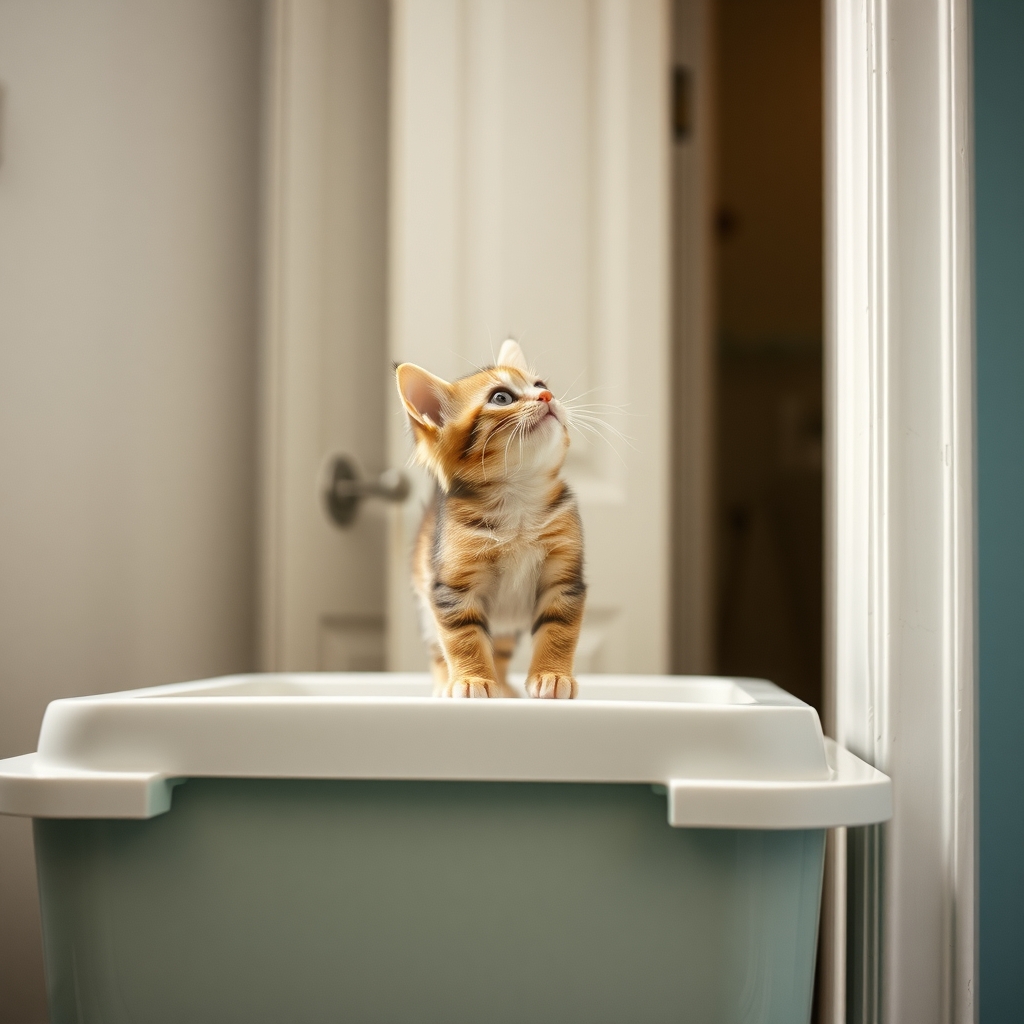
A kitten that cannot climb in will go on the floor. Start with a shallow tray today, then buy a low-entry box that fits a growing kitten.
By Jamilur Rahman Updated November 5, 2026 · 7 min read
- Time
- 10 min
- Cost
- Under $20
- Difficulty
- Easy
In this guide
Quick answer
A litter box with tall sides is hard for a small kitten to climb into, so it goes on the floor instead. Swap in a shallow tray the kitten can step over, put it where the kitten spends time and set the kitten in it after meals and naps. A low-entry box with a cutaway front is the lasting fix, because it works for a kitten now and an adult cat later.
Free fix vs. permanent fix
A shallow tray and a short step
- Use a clean, shallow tray or box lid with sides of about 2 inches
- Put in 1 to 2 inches of litter
- Set the kitten in it after meals and naps
- Keep it where the kitten plays
How long it lasts: A few weeks. It works for a tiny kitten, but the sides are so low that litter scatters and the kitten soon outgrows it.
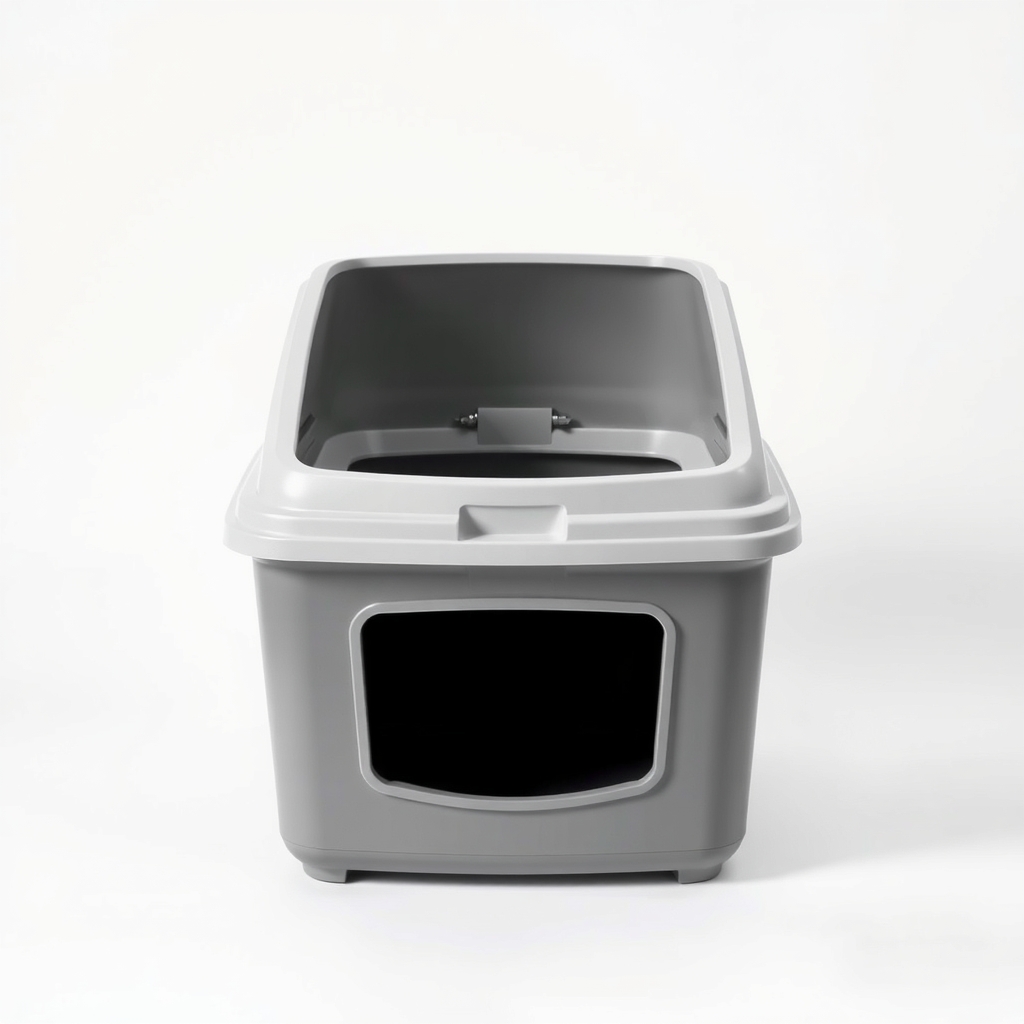
A low-entry litter box
A tray works while the kitten is tiny but scatters litter and is soon too small. A low-entry box has a cutaway front the kitten walks through, with taller sides and back that keep litter in. The kitten uses it from day one and you do not need to replace it as the kitten grows.
What to get: Low-entry litter box with a cutaway front
How long it lasts: Months to years, from kitten to adult. The low front stays easy for a small kitten and for an older cat later, so you buy once.
As an Amazon Associate I earn from qualifying purchases.
What you'll need
-
Ruler
To check the height of the rim or entry
You have it -
Shallow tray or box lid
A stand-in box for the first weeks
Free - Illustration
Unscented non-clumping litter
Often suggested for the youngest kittens; ask your vet
- Our pick Illustration
Low-entry litter box
A cutaway front, not just a low rim
- Illustration

Shallow kitten litter tray
For the first weeks only
- Illustration
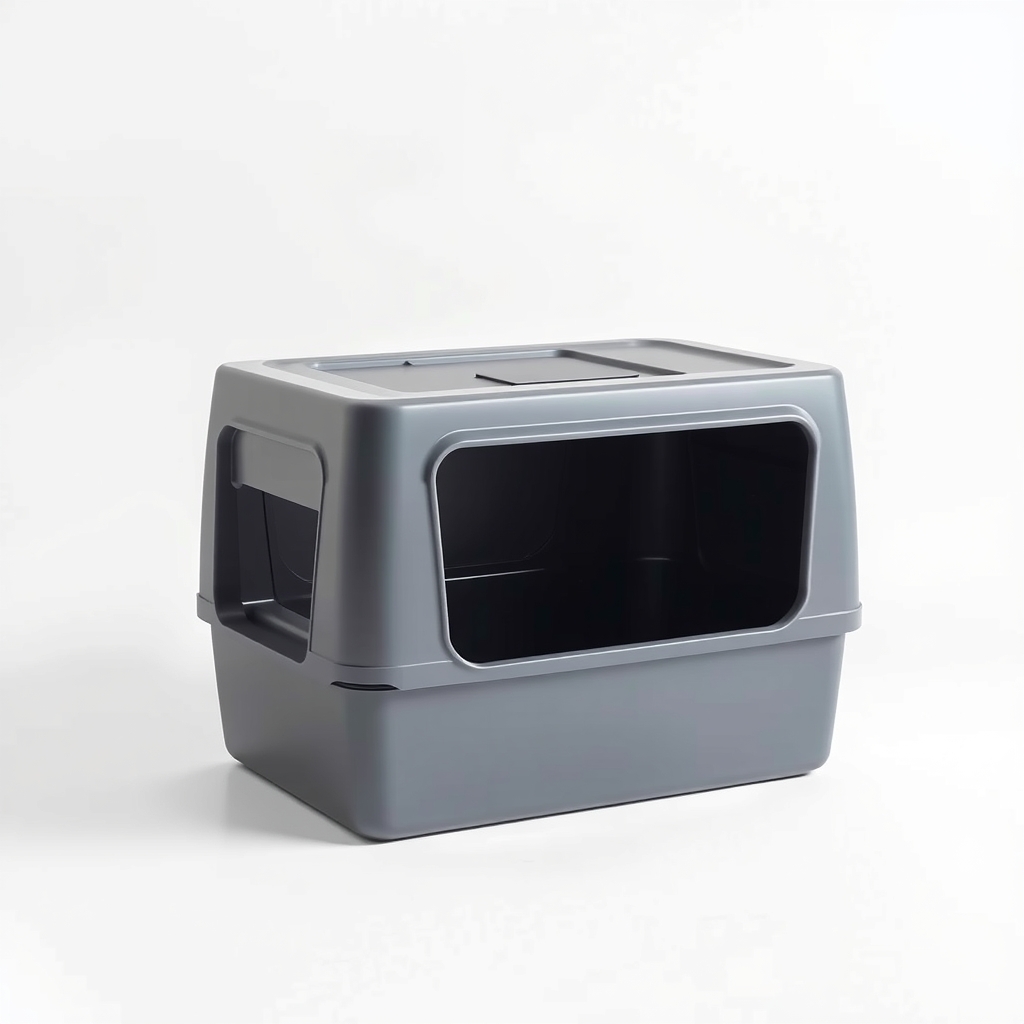
Extra-large low-entry litter box with a high back
For a kitten that will grow into a big cat
Why it happens
Sides taller than the kitten's legs
Many adult boxes have sides several inches high. For a kitten only a few inches tall at the shoulder, that is like climbing a waist-high wall.
Hooded or top-entry designs
Covers and top entries ask a kitten to climb or jump in. A small kitten may not manage it, and will pick a spot on the floor.
A box that is too far away
Kittens cannot hold it for long. If the box is down the hall, they use the nearest corner.
Deep litter that is hard to cross
A thick layer of litter makes a small kitten wade through it. Shallow litter is easier for tiny legs.
Try this first (free)
Do these in order, starting with the simplest.
-
Check the entry height
Tool used: RulerMeasure the rim with a ruler. Many guides suggest sides of about 2 to 3 inches for a very young kitten. If your kitten scrambles over the edge, the box is too tall.
-
Set up a shallow tray
Tool used: Shallow tray or box lidUse a clean, shallow box lid or a baking tray you no longer cook with. Add 1 to 2 inches of litter so it is easy to cross and dig in.
-
Pick a kitten-safe litter
Tool used: Unscented non-clumping litterVery young kittens explore by tasting, and clumping litter can swell if swallowed. Many vets suggest unscented, non-clumping litter for the youngest kittens. Ask your vet about your kitten's age.
IllustrationCheck price on AmazonTool for this step
Unscented non-clumping litter · Often suggested for the youngest kittens; ask your vet
-
Place the kitten at the right times
After each meal, after waking up and after play, set the kitten in the tray. Gently move its front paws as if scratching. Praise it, and never scold for accidents.
-
Keep it close and clean
Put the tray where the kitten spends the day, not down the hall. Scoop daily, and clean accidents with an enzyme cleaner so the smell does not call the kitten back to the spot.
When free fixes aren't enough
A tray is a short-term fix. Litter flies out of the low sides, the kitten outgrows it quickly and a standard box may still be too tall. If the kitten uses the tray but you are tired of sweeping, or accidents continue because the tray is too small or too shallow, buy a low-entry box. See a vet if your kitten strains, cries in the box, has diarrhea or passes small amounts of urine often.
Buy the fix
Still stuck after the free fixes? These are the products we would look at.
| Pick | Product | Fixes | Who it's for | Buy |
|---|---|---|---|---|
| Best pick | Low-entry litter box with a cutaway front | a kitten that cannot climb into a standard box | Owners of a kitten who want one box that also suits the cat as an adult or a senior. | Check price |
| Budget pick | Shallow kitten litter tray | the first weeks, when any regular box is too tall | New kitten owners who want a fast, cheap start. | Check price |
| Upgrade pick | Extra-large low-entry litter box with a high back | a box the kitten can enter now and will not outgrow | Owners of larger breeds, or anyone who prefers to buy once. | Check price |
Low-entry litter box with a cutaway front
Fixes: a kitten that cannot climb into a standard box
Look for: A listed entry height of a few inches or less; A cutaway or scooped front, not just a low rim all around; Higher sides and back to keep kicked litter in; Smooth plastic that wipes clean.
- Who it's for
- Owners of a kitten who want one box that also suits the cat as an adult or a senior.
- Honest downside
- Your kitten kicks litter hard out the front. A low front lets some out, so add a mat or choose the low-front, high-back style.
Shallow kitten litter tray
Fixes: the first weeks, when any regular box is too tall
Look for: Sides of about 2 to 3 inches; Sturdy enough not to tip when the kitten steps on the edge; Small enough that a very young kitten can turn around.
- Who it's for
- New kitten owners who want a fast, cheap start.
- Honest downside
- Your kitten is already a few months old or large for its age. It will outgrow a small tray quickly.
Extra-large low-entry litter box with a high back
Fixes: a box the kitten can enter now and will not outgrow
Look for: A low front entry for the kitten now; A big interior, so an adult can turn around; A high back and sides that catch spray and kicked litter.
- Who it's for
- Owners of larger breeds, or anyone who prefers to buy once.
- Honest downside
- Space is tight. An extra-large box needs room along a wall, and a tiny kitten may find a huge box scary. Start with a tray in a corner.
As an Amazon Associate I earn from qualifying purchases. We don't show prices because they change, so use the button to see today's price.
How we picked: How we picked: this page is based on kitten litter training advice from veterinary and shelter sources, manufacturer dimension charts, and the problems and fixes owners report in reviews. We do not test products by hand.
Test the box the way a kitten would
Put your kitten on the floor next to the box and watch. If it steps in with one smooth movement, the height is right. If it scrambles, hesitates or climbs out backward, the box is too tall for now. A kitten that walks in and out in one go will keep using it as it grows.
What to skip
Hooded and top-entry boxes for small kittens
A lid adds a climb or a jump. A kitten that cannot get in will go elsewhere, and a hood traps smell. Start with an open, low-entry box and add a hood later if your adult cat likes one.
Frequently asked questions
How tall should a kitten's litter box be?
What age can a kitten use a regular litter box?
Can I use a cardboard box lid as a litter box?
When should I call a vet about a kitten and the litter box?
Related problems
 Free fix inside
Pets · Litter Box
Litter Box Too Small for Your Cat? Roomy Ones Worth Buying
Read the fix Free fix inside
Pets · Litter Mess
Cat Litter That Isn't Dusty: 4 Low-Dust Picks for Cleaner Air
Read the fix Free fix inside
Pets · Litter Mess
Cat Box That Keeps Litter In: High-Sided Picks for Kickers
Read the fixAs an Amazon Associate I earn from qualifying purchases. Affiliate disclosure