Litter Box That Isn't Ugly: Cabinets and Covers That Blend In
A bare plastic box in the living room is hard to ignore. Pick the spot first, then a cabinet sized for the box and your cat, so it blends in and gets used.
By Jamilur Rahman Updated November 5, 2026 · 7 min read
- Time
- 30 min
- Cost
- $50-$150
- Difficulty
- Easy
In this guide
Quick answer
The best-looking litter setup is the one your cat will actually use. Pick a quiet corner, measure the box, and test the spot for a week. Then swap the bare plastic for a litter box cabinet that hides the box and gives your cat a roomy doorway. Scoop daily, because a hidden box can hide a smell too.
Free fix vs. permanent fix
Move it, screen it, wipe it down
- Move the box to a quiet corner or closet that is easy to reach and has two ways out
- Put a folding screen or a bookcase back between the box and the main view
- Wipe down the rim and sides so the box does not look dirty
- Do not hide it behind a plant, since many houseplants are toxic to cats
How long it lasts: Weeks to months. It hides the box from some angles, but the plastic is still on show from others.
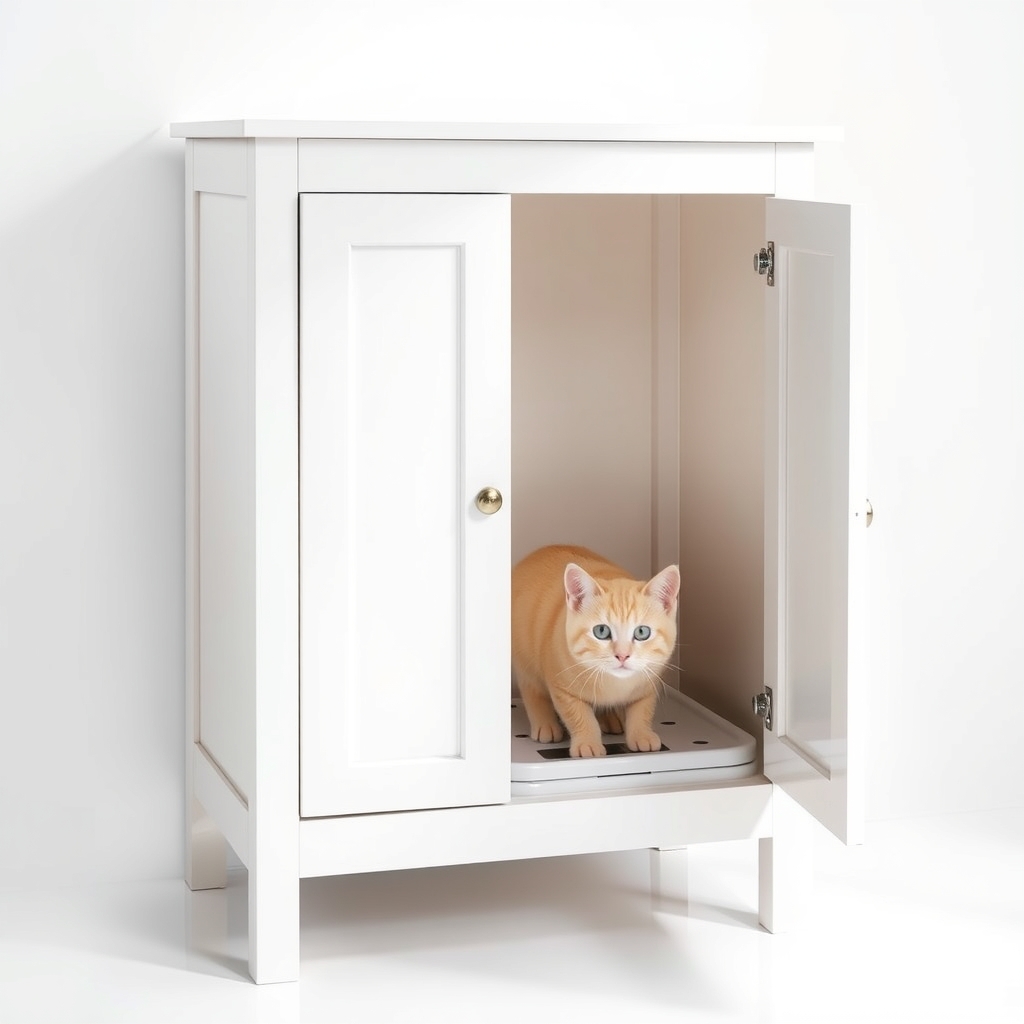
A litter box cabinet with a roomy entry
A cabinet turns the box into a bench or end table, with the litter box inside and a doorway for the cat. It hides the box, the scoop and the loose litter, and a good one opens from the top or side so scooping stays easy.
What to get: Litter box cabinet with a roomy entry and an easy top or side opening
How long it lasts: Years. It is furniture, so it keeps looking like furniture.
As an Amazon Associate I earn from qualifying purchases.
What you'll need
-
Tape measure
For the box, your cat and the spot
You have it -
Large cardboard box
Mock up a covered space to see if your cat will use it
You have it - Our pick Illustration
Litter box cabinet
Match it to your box and your cat's size
- Illustration
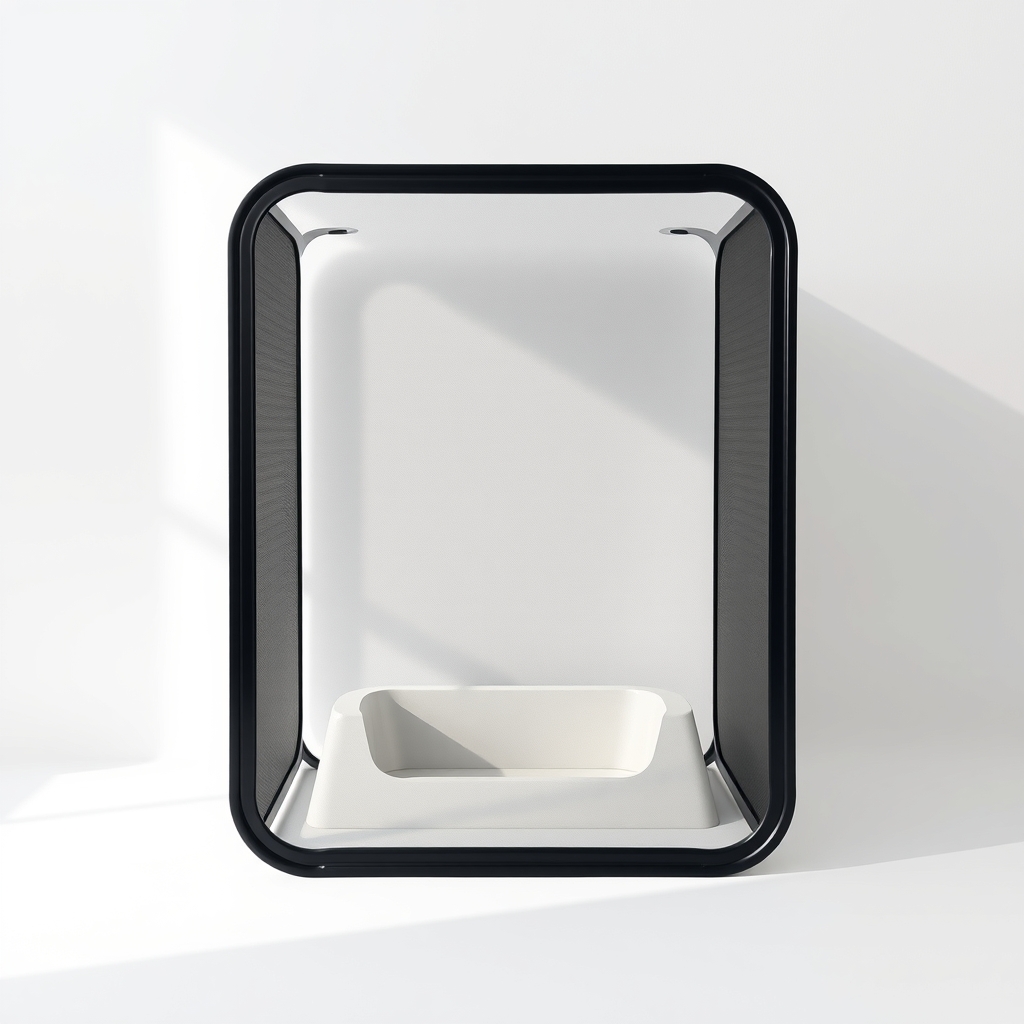
Litter box privacy screen
A cheaper way to hide the box without enclosing it
- Illustration
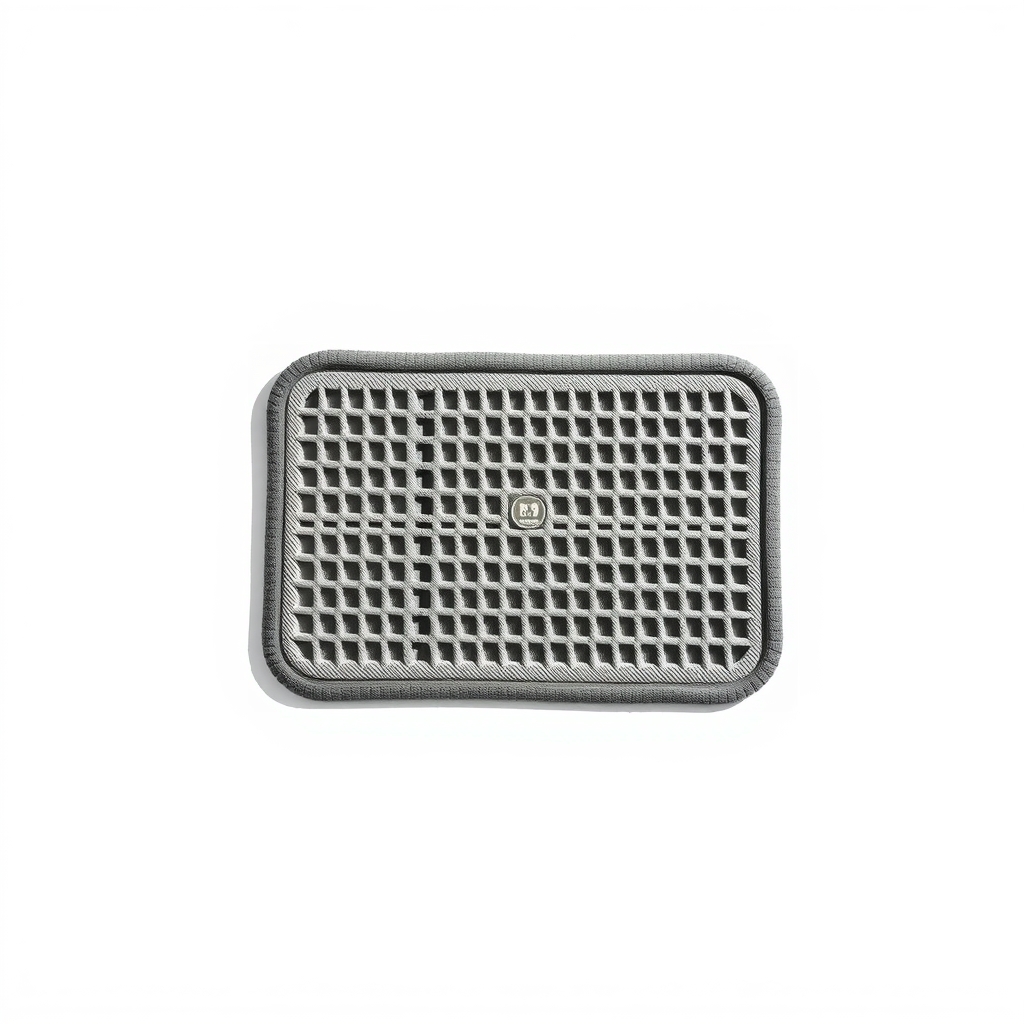
Litter trapping mat
Catches tracked litter at the cabinet's entry
Why it happens
Litter boxes are made to be functional
Most are plain plastic in beige or gray, with ridges that catch litter and dust. They look like what they are.
Cats want a spot that suits them, not you
Cats like a quiet place with a clear view and room to leave. A corner of the living room fits you badly and the cat fairly well, so the compromise is to hide the box without closing it in.
Loose litter makes the area look messy
Tracked litter and dust around the box often cause more of the ugly look than the box itself.
Covers and cabinets can trap smell
A closed space holds ammonia and dust unless it has ventilation and you scoop daily. A hidden box is also easier to forget.
Try this first (free)
Do these in order, starting with the simplest.
-
Measure the box and your cat
Tool used: Tape measureMeasure the box's length, width and height. Then measure your cat from nose to the base of the tail. Many vets suggest a box about 1.5 times that length. A cabinet that is too tight is a common reason cats refuse it.
-
Pick the spot
Choose a quiet place, away from food, water and noisy appliances. Avoid a dead-end closet where a closed door could shut the cat in.
-
Mock up a hidden space
Tool used: Large cardboard boxCut a doorway in a large cardboard box and put it over the litter box. If your cat walks in and out normally for a few days, a cabinet should work. If it hesitates, skip the enclosure and use a screen.
-
Screen the view, not the box
Move the box so it is not the first thing you see from the sofa or the front door. A folding screen or a piece of furniture in front of the sight line may be all you need.
-
Fit the cabinet and keep scooping
Tool used: Litter box cabinetSlide the box inside, check that the doorway is easy for your cat, and scoop every day. Cats stop using a dirty box.
IllustrationCheck price on AmazonTool for this step
Litter box cabinet · Match it to your box and your cat's size
When free fixes aren't enough
Moving and screening works for a bedroom corner or a closet, but not for a living room where the box shows from every angle. A cabinet is the lasting fix, and it also catches loose litter and keeps a dog out. It will not cut the smell, and some cats dislike being enclosed. If your cat avoids it, take off the door or top for a while. Call your vet if your cat strains, cries or passes only a little urine, since a blocked male cat is an emergency.
Buy the fix
Still stuck after the free fixes? These are the products we would look at.
| Pick | Product | Fixes | Who it's for | Buy |
|---|---|---|---|---|
| Best pick | Litter box cabinet with a roomy entry and an easy top or side opening | a litter box that is an eyesore in the main living space | Cat owners who want the box hidden but still easy to scoop, and whose cat is fine with an enclosed box. | Check price |
| Budget pick | Litter box privacy screen | the look of the box from the main view, for less than furniture | People who want the box out of sight without enclosing it, and renters. | Check price |
| Upgrade pick | 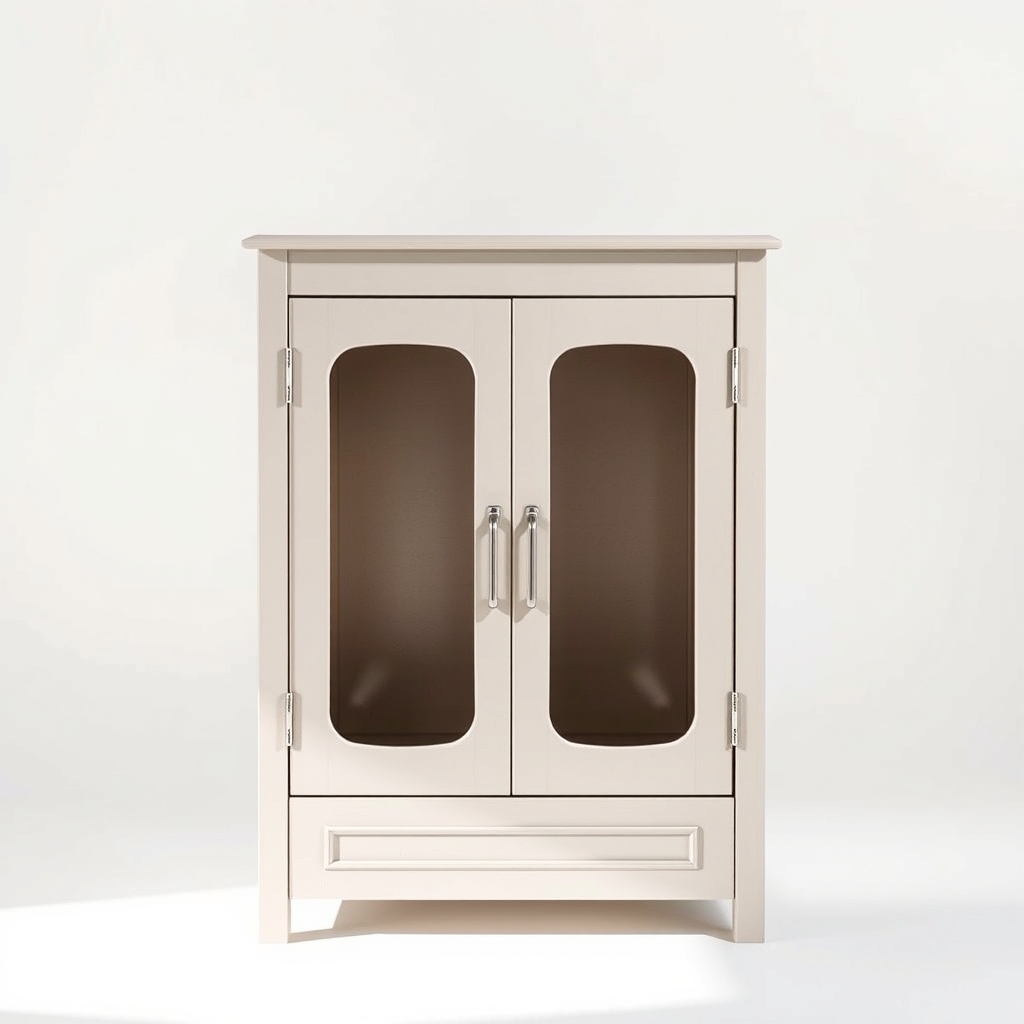 Extra-large or two-entry litter cabinet | big cats, multi-cat homes and boxes that feel cramped inside an enclosure | Owners of large breeds and homes with more than one cat. | Check price |
Litter box cabinet with a roomy entry and an easy top or side opening
Fixes: a litter box that is an eyesore in the main living space
Look for: An interior larger than your measured box, with an opening your cat can walk through without ducking; Vent holes or slats so ammonia and dust do not build up; A top, door or side that opens so you can scoop without moving the cabinet; Wipeable surfaces.
- Who it's for
- Cat owners who want the box hidden but still easy to scoop, and whose cat is fine with an enclosed box.
- Honest downside
- Your cat is large, elderly or has stiff joints, avoids covered boxes, or several cats share one box. Open sides help here.
Litter box privacy screen
Fixes: the look of the box from the main view, for less than furniture
Look for: An open back or top so air moves; A sturdy frame that does not tip; A washable surface.
- Who it's for
- People who want the box out of sight without enclosing it, and renters.
- Honest downside
- Your cat chews fabric or your dog digs in the litter. A screen also does not hide odor.
Extra-large or two-entry litter cabinet
Fixes: big cats, multi-cat homes and boxes that feel cramped inside an enclosure
Look for: Room inside for a large or jumbo box; Two openings, so a cat can leave if another cat or a dog blocks one; A top rated for weight if you plan to use it as a table.
- Who it's for
- Owners of large breeds and homes with more than one cat.
- Honest downside
- You have one small cat and little floor space. A standard cabinet is enough.
As an Amazon Associate I earn from qualifying purchases. We don't show prices because they change, so use the button to see today's price.
How we picked: How we picked: this page is based on cat-behavior and veterinary guidance on litter box setup, product listings, and the things owners report most in reviews of litter box cabinets. We do not test products by hand.
Cabinet, screen or open box? Pick by your cat
- Shy, young or healthy adult cat: a cabinet with a roomy doorway is usually fine.
- Large, older or stiff cat: a cabinet with an open side, or just a screen.
- Several cats: separate boxes in different spots, with at least one open.
Keep the setup looking good
Put a litter mat at the entrance and a lidded bin for used litter nearby. Vacuum the area around the cabinet once a week. Wipe the inside of the cabinet when you change the litter.
What to skip
Sealed cabinets with no vents, and scented sprays
A fully closed cabinet traps ammonia and dust. A strong air freshener near the box can put a cat off using it. Fix smell with daily scooping and a good airflow, not perfume.
Frequently asked questions
Do cats like covered litter boxes?
How many litter boxes do I need?
Will a cabinet make my house smell less?
Is it okay to put the box in a closet?
Related problems
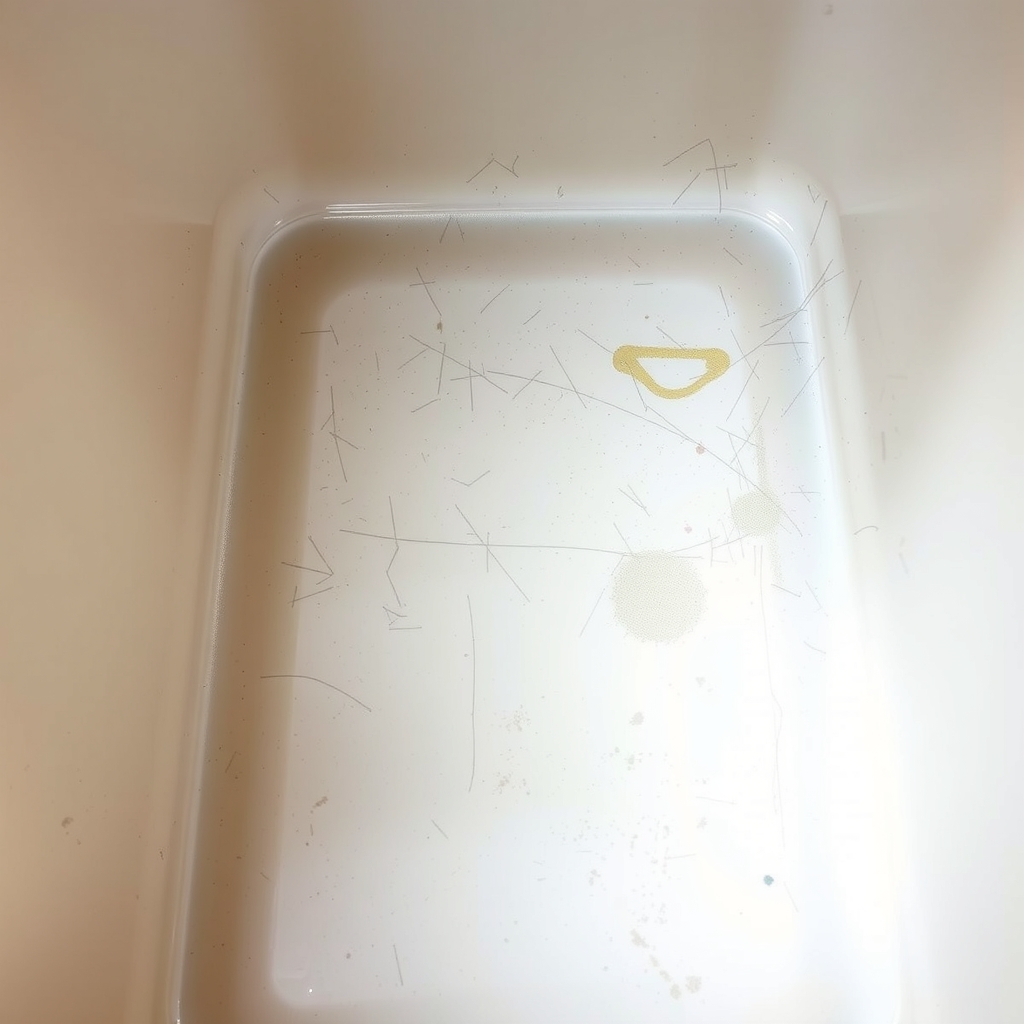 Free fix inside
Pets · Litter Box Smell
Litter Box Smells Even After Cleaning? Why Plastic Holds Odor
Read the fix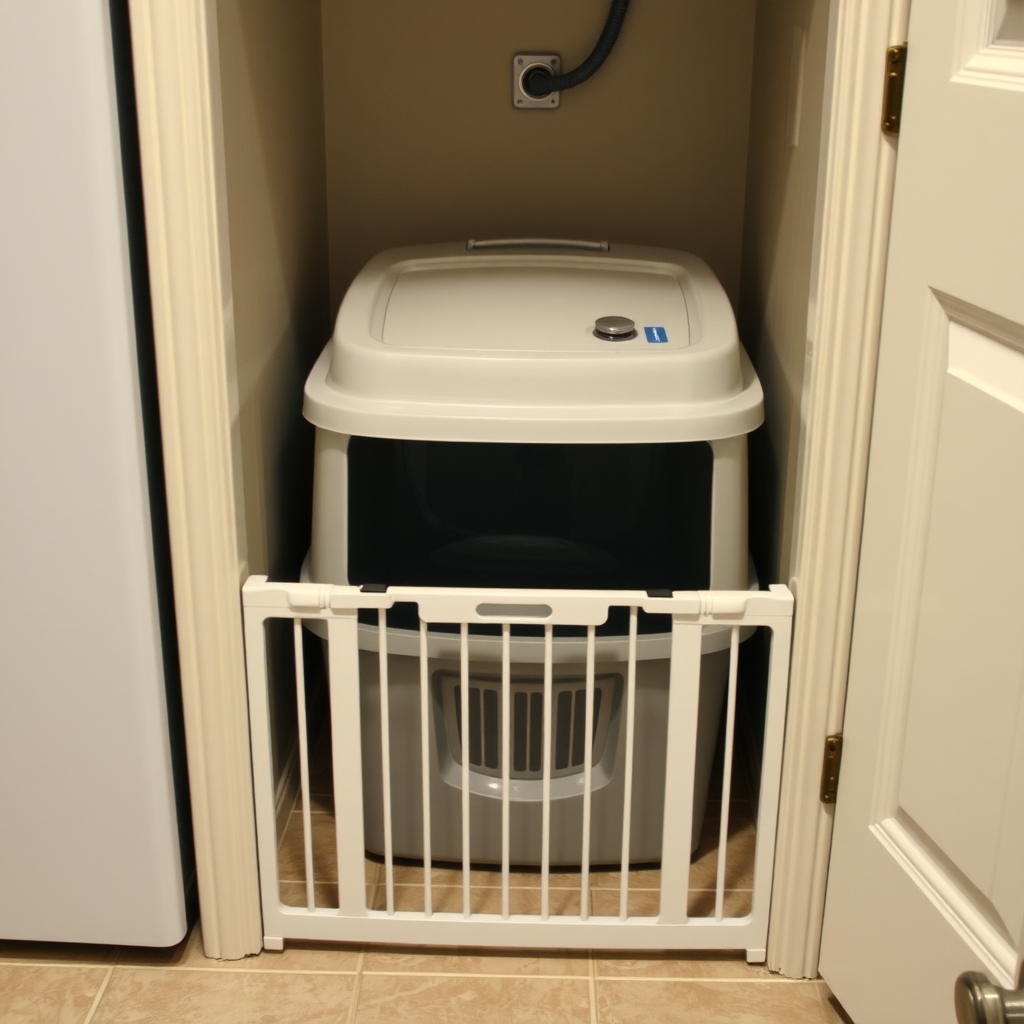 Free fix inside
Pets · Litter Box
Litter Box That Keeps Dogs Out: 3 Setups That Actually Work
Read the fix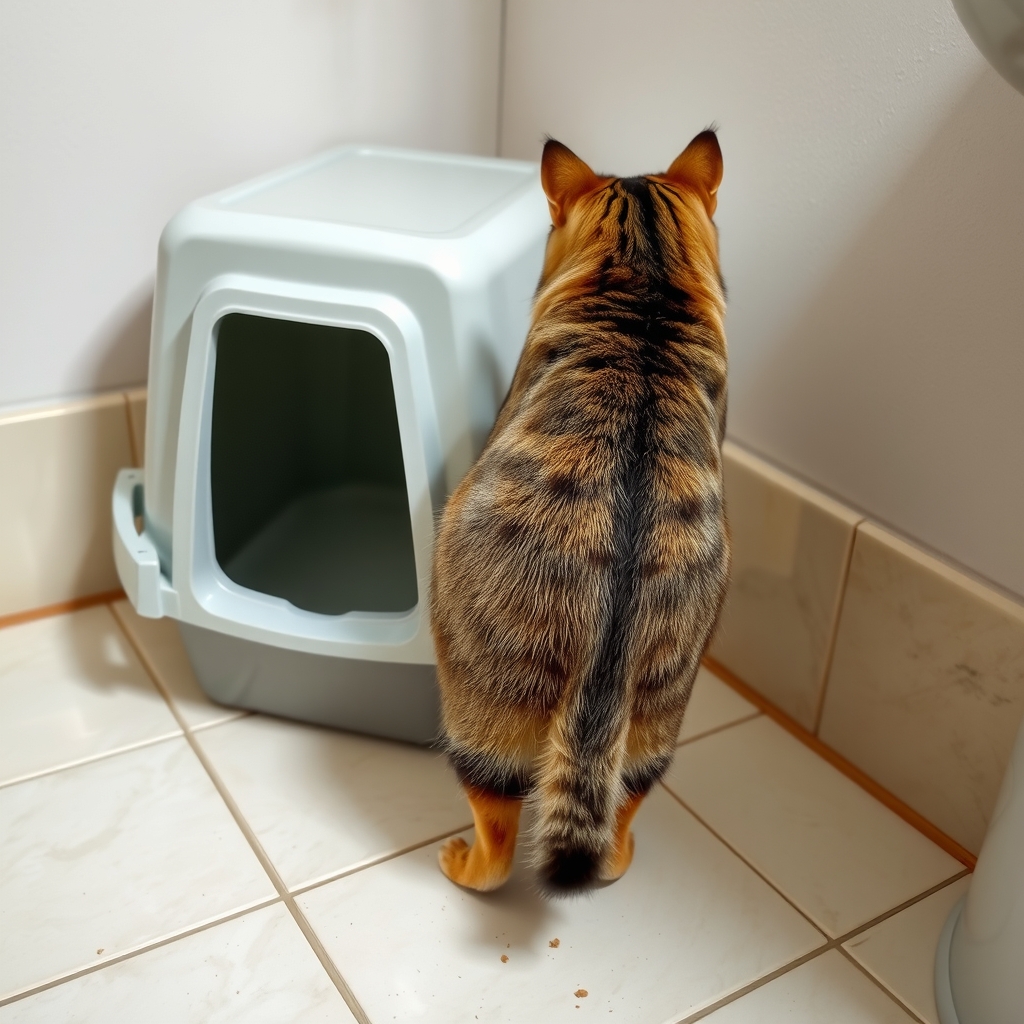 Free fix inside
Pets · Litter Box
Litter Box Too Small for Your Cat? Roomy Ones Worth Buying
Read the fixAs an Amazon Associate I earn from qualifying purchases. Affiliate disclosure