Best Litter Box That Keeps Smell In: 4 Features Worth Paying For
Smell escapes through open tops and scratched plastic. Fix the routine first, then pick a box with the four features that actually hold odor in.
By Jamilur Rahman Updated November 5, 2026 · 7 min read
- Time
- 30 min setup
- Cost
- $20-$50
- Difficulty
- Easy
In this guide
Quick answer
A litter box that keeps smell in has four features: a sealed hood, a carbon filter in the lid, smooth non-porous plastic and the right size for your cat. No box works without upkeep, so scoop daily and wash the box on a schedule first, which solves most odor for free. If it still smells, a hooded box with a replaceable carbon filter holds in what is left.
Free fix vs. permanent fix
Scoop daily and wash on a schedule
- Scoop clumps and waste at least once a day
- Keep litter about 2 to 3 inches deep
- Empty and wash the box with mild soap every 2 to 4 weeks
- Put the box where air moves
How long it lasts: Only as long as you keep it up. Skip a day or two and the box smells again, especially with more than one cat.
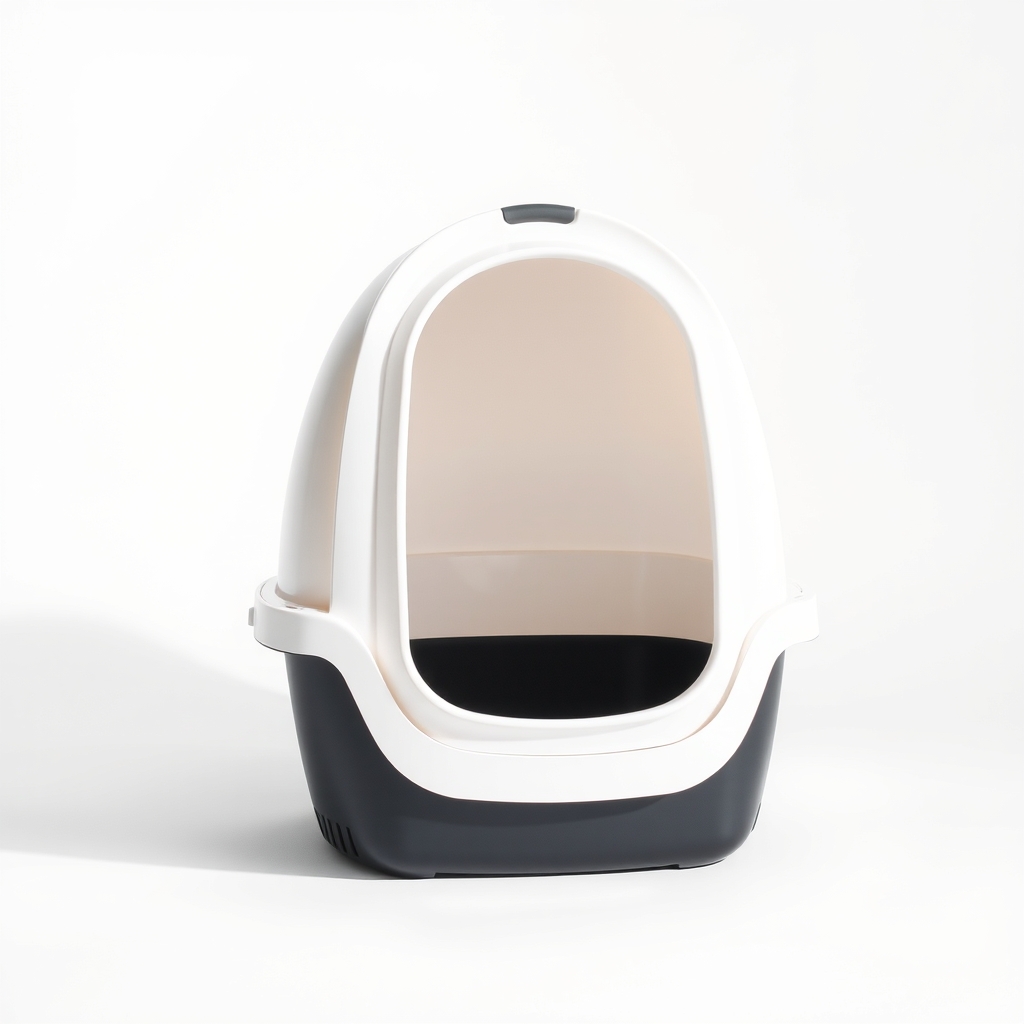
A hooded litter box with a carbon filter
An open box lets ammonia drift into the room. A hood holds smell inside the box, and the carbon filter catches what escapes through the lid. Scooping removes the source. The hood handles the smell that builds between scoops.
What to get: Hooded litter box with carbon filter
How long it lasts: As long as you swap the filter on the maker's schedule, often every month or two.
As an Amazon Associate I earn from qualifying purchases.
What you'll need
-
Litter scoop
A sturdy metal scoop makes daily scooping faster
You have it -
Mild unscented dish soap
For washing the box; skip strong scents and bleach
You have it - Our pick Illustration
Hooded litter box with carbon filter
Holds smell in between scoops
- Illustration
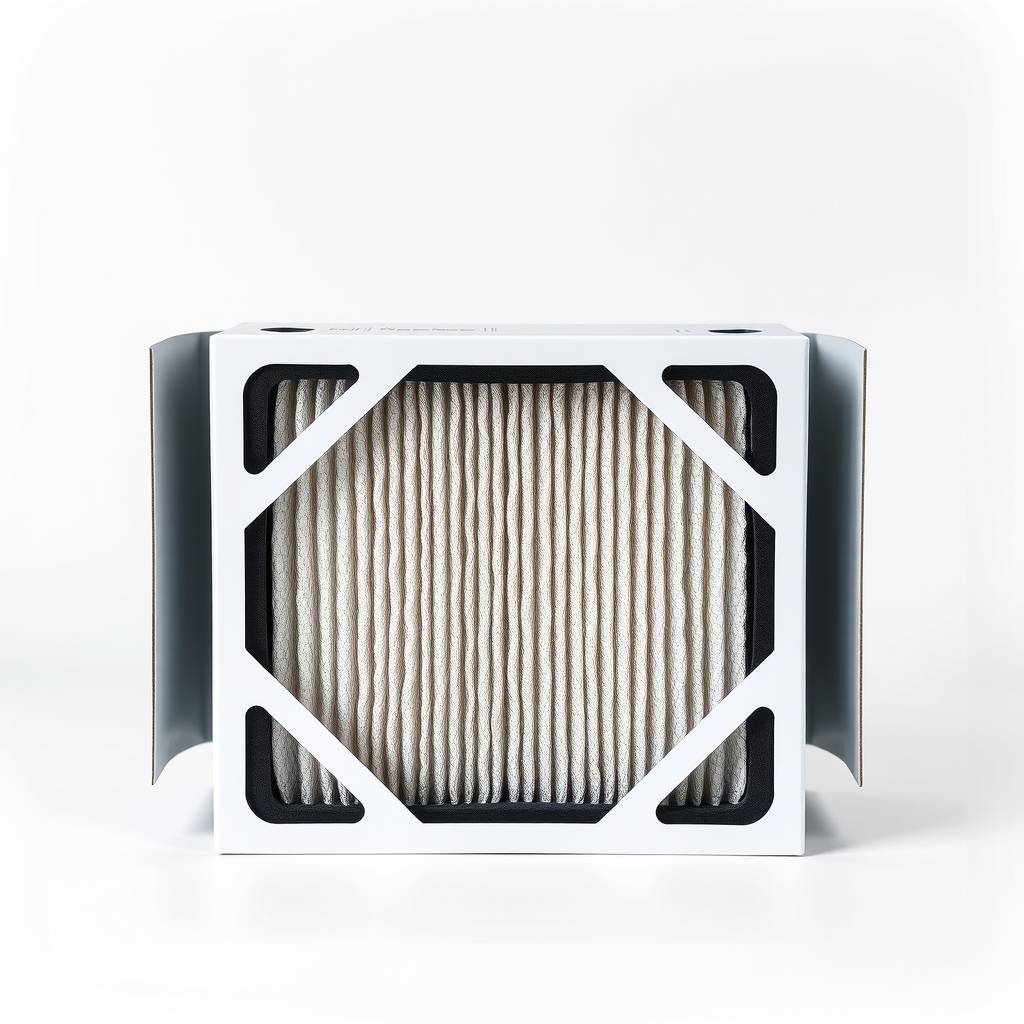
Replacement carbon filters
A fresh filter if the box has gone stale
- Illustration
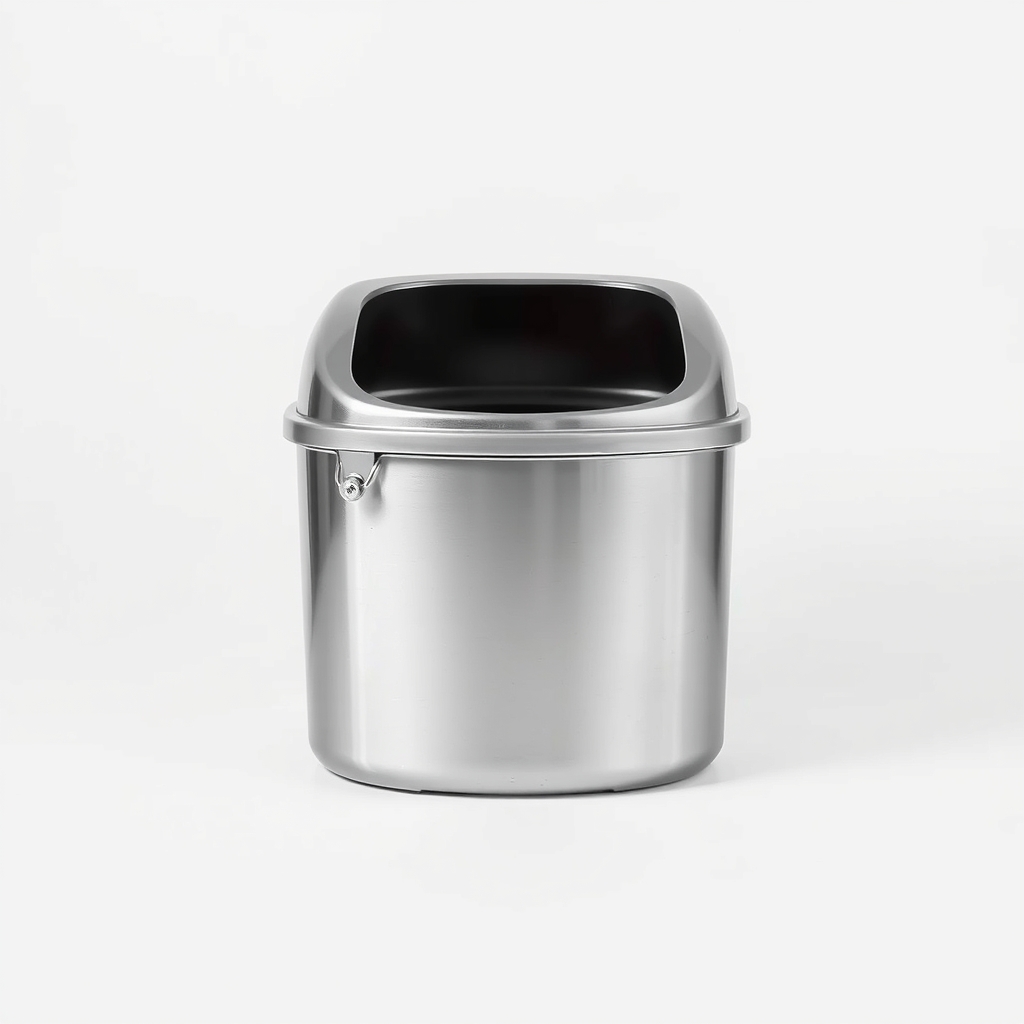
Stainless steel litter box
For plastic that smells even when clean
Why it happens
Waste that sits too long
Urine turns to ammonia quickly in damp clumps. A box scooped once every few days smells, and cats also avoid a dirty box.
Scratched, porous plastic
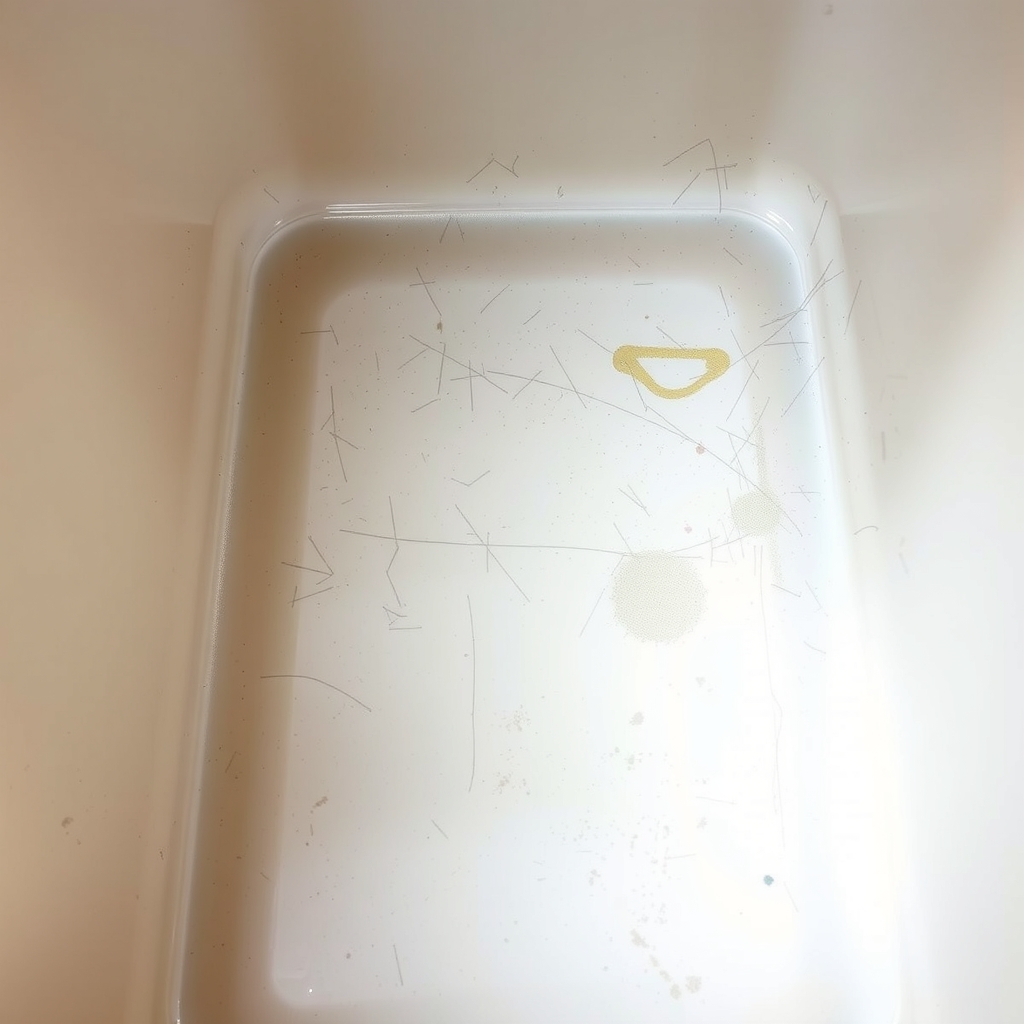
Claws scratch plastic, and urine soaks into the scratches. The smell stays after you wash the box.
An open design
With no lid, ammonia rises straight into the room. This matters most in small apartments.
Too little litter or poor clumping
A thin layer lets urine reach the bottom of the box. Litter that clumps poorly leaves wet patches.
Try this first (free)
Do these in order, starting with the simplest.
-
Scoop every day
Tool used: Litter scoopScoop clumps and solid waste at least once a day, and twice if you have two or more cats. Tie waste in a bag before it goes in the trash.
-
Fill to the right depth
Keep about 2 to 3 inches of litter, or follow the bag. Too little lets urine pool at the bottom.
-
Dump and wash on a schedule
Tool used: Mild unscented dish soapEmpty all the litter, wash the box with warm water and mild unscented soap, dry it well and refill. Do this every 2 to 4 weeks for clumping litter and weekly for non-clumping. Skip bleach, ammonia and strong scents, which can drive cats away.
-
Give the box fresh air
A closed closet or a small bathroom with no fan traps smell. A spot with airflow, still easy for the cat to reach, helps.
-
Match the number of boxes to the cats
Keep one box per cat plus one extra. A crowded box fills with waste and smells faster.
When free fixes aren't enough
If you scoop daily and wash on schedule and still smell the box, the box itself is the problem. Scratched plastic holds urine odor that soap cannot lift. An open top also lets every bit of ammonia into the room, which matters in a studio or when the box sits near where you sleep. A hooded box with a carbon filter holds odor in and traps what escapes. It does not replace scooping, and the filter loses strength after a month or two. Some cats refuse a covered box. A sudden, sharper urine smell, straining or peeing outside the box is a reason to call the vet.
Buy the fix
Still stuck after the free fixes? These are the products we would look at.
| Pick | Product | Fixes | Who it's for | Buy |
|---|---|---|---|---|
| Best pick | Hooded litter box with carbon filter | ammonia smell spreading into the room between scoops | People in small spaces, or with one or two cats, who want less smell between scoops. | Check price |
| Budget pick | Replacement carbon filters for a hooded box | a hooded box that has stopped holding smell | Owners of a hooded box with a stale or missing filter. | Check price |
| Upgrade pick | Stainless steel litter box | odor that soaks into scratched plastic | People whose plastic box smells even when clean and who want one that lasts for years. | Check price |
Hooded litter box with carbon filter
Fixes: ammonia smell spreading into the room between scoops
Look for: A lid that seals to the base, with an entry that stays closed; A replaceable carbon filter, with refills you can buy; Smooth, non-porous plastic with few seams; Big enough for your cat to stand and turn.
- Who it's for
- People in small spaces, or with one or two cats, who want less smell between scoops.
- Honest downside
- Your cat refuses covered boxes, is very large, or struggles to step in. Try an uncovered box and see the litter box aversion page.
Replacement carbon filters for a hooded box
Fixes: a hooded box that has stopped holding smell
Look for: Sized for your box, so check the model first; Activated carbon, not plain foam; A pack that lasts a few months.
- Who it's for
- Owners of a hooded box with a stale or missing filter.
- Honest downside
- Your box has no filter slot, or the plastic smells even when empty. Replace the box instead.
Stainless steel litter box
Fixes: odor that soaks into scratched plastic
Look for: Smooth non-porous steel that will not soak up urine; Sides high enough to keep litter in; A stable base and no sharp edges.
- Who it's for
- People whose plastic box smells even when clean and who want one that lasts for years.
- Honest downside
- You want a covered box, since most steel boxes are open. Also check your cat accepts it.
As an Amazon Associate I earn from qualifying purchases. We don't show prices because they change, so use the button to see today's price.
How we picked: How we picked: this page is based on veterinary and cat behavior guides on litter box care, litter box spec sheets, and the problems and fixes people report in reviews. We do not test products by hand.
The 4 features worth paying for
- A hood that seals: it holds the smell inside the box until you scoop.
- A replaceable carbon filter: it catches odor from the air that escapes. Check that refills are sold.
- Smooth, non-porous material: fewer scratches and seams mean less place for urine to hide.
- The right size and entry height: a box too small leads to mess and a cat that avoids it.
What to skip
Scented sprays and perfumed litter
They cover smell for a few hours, and some cats avoid a perfumed box. The ammonia is still there. Remove the waste and the smell goes with it.
Frequently asked questions
Is there a litter box with no odor?
Why does my litter box smell even when I scoop? How do I get a litter box not to smell?
Which cat litter box keeps smell in best in a small apartment?
Do carbon filters in litter boxes work?
Do cats hate covered litter boxes?
Related problems
 Free fix inside
Pets · Litter Box Smell
Litter Box Smells Even After Cleaning? Why Plastic Holds Odor
Read the fix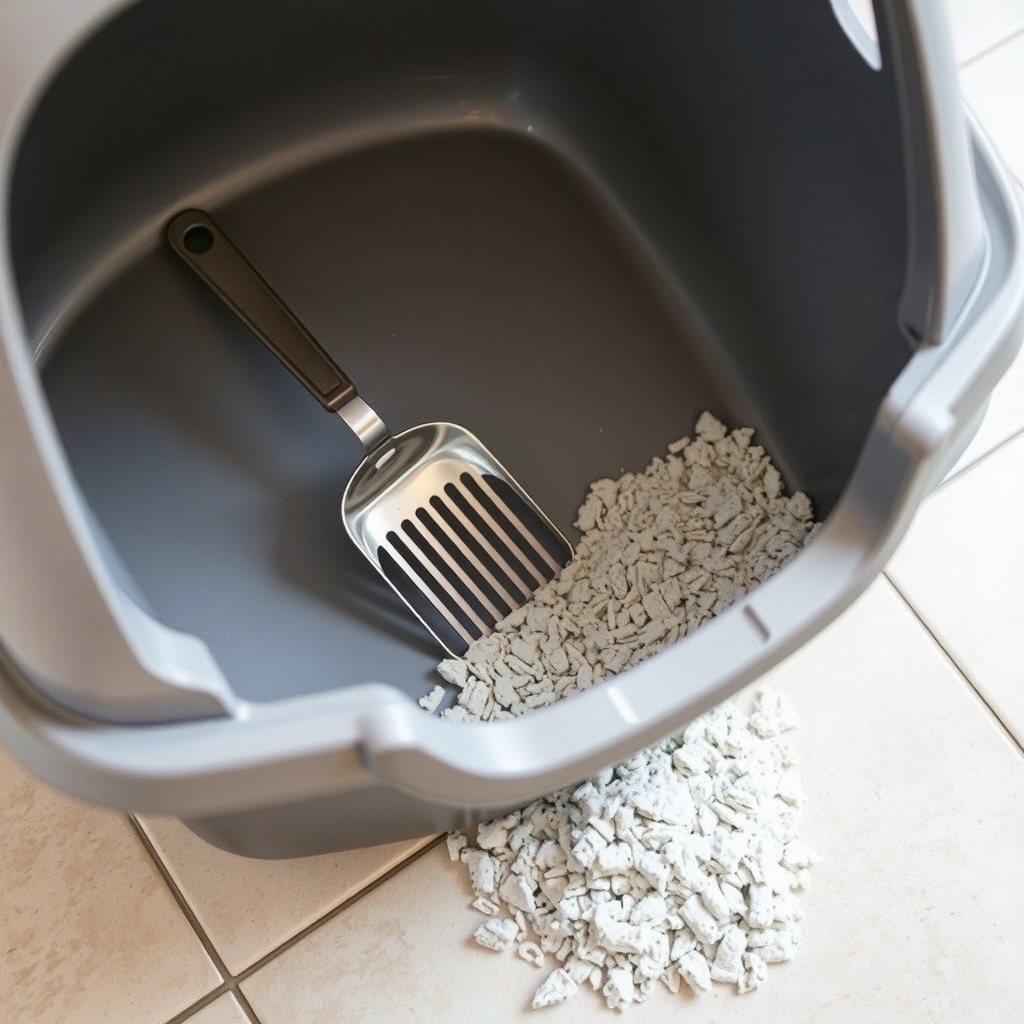 Free fix inside
Pets · Litter Box Smell
Litter Box Smells Like Ammonia? 3 Fixes, Starting With the Free One
Read the fix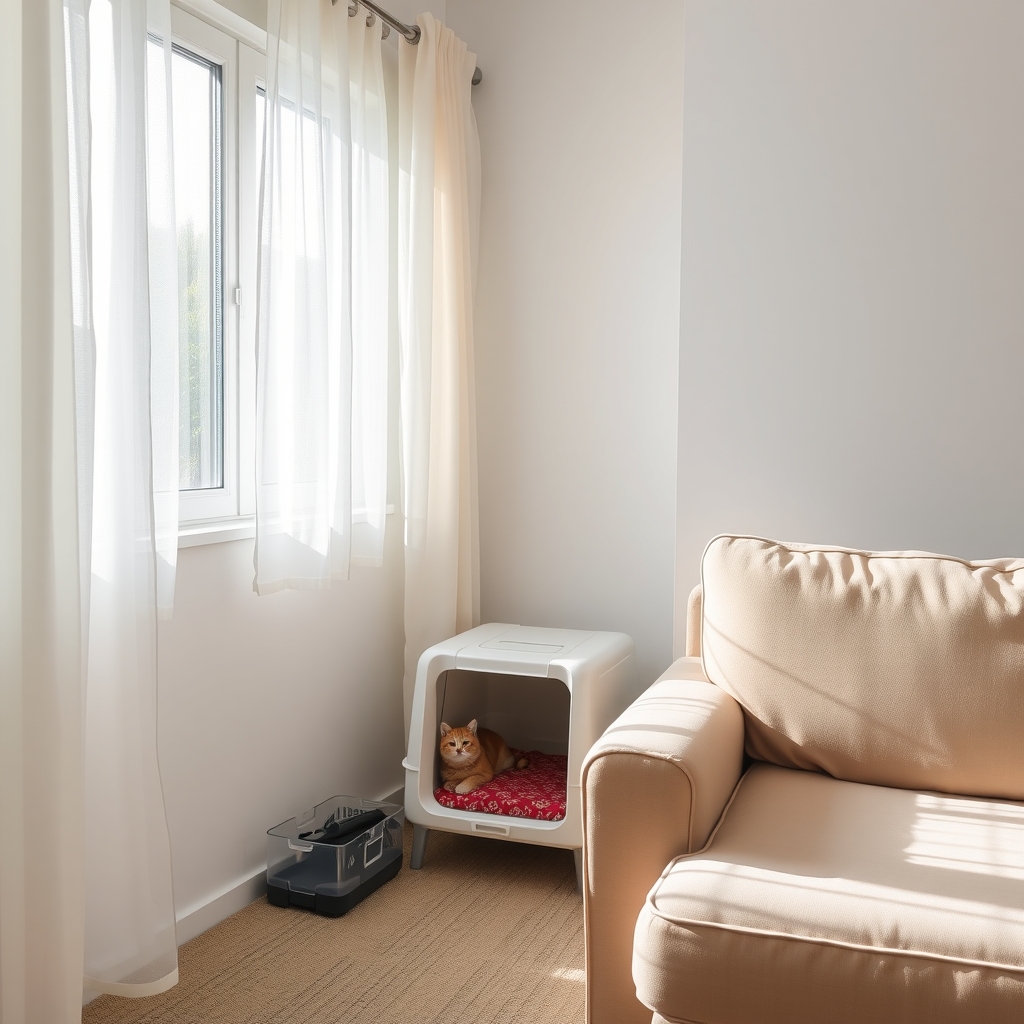 Free fix inside
Pets · Litter Box Smell
Cat Litter Smell Throughout the House: Fix the Source, Then the Air
Read the fix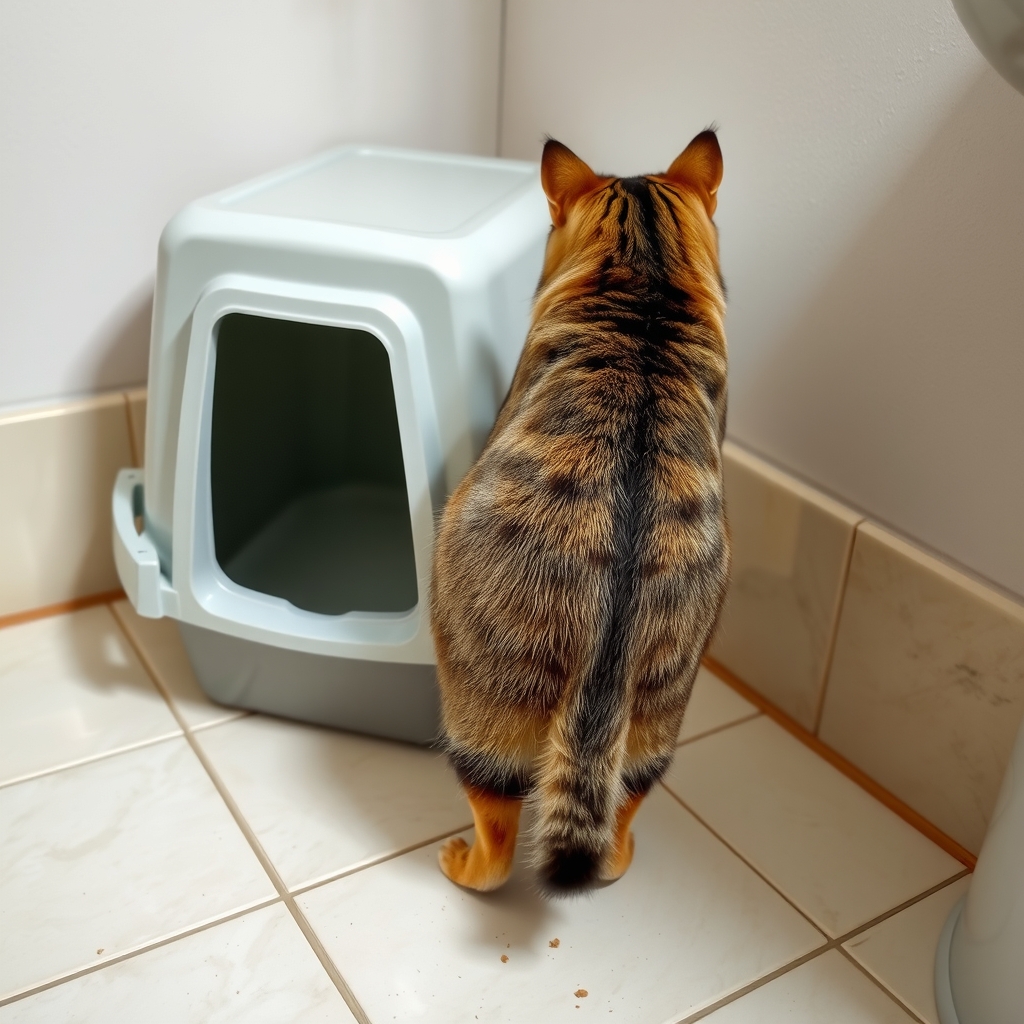 Free fix inside
Pets · Litter Box
Litter Box Too Small for Your Cat? Roomy Ones Worth Buying
Read the fixAs an Amazon Associate I earn from qualifying purchases. Affiliate disclosure