Litter Box Smells Like Ammonia? 3 Fixes, Starting With the Free One
Ammonia means urine has sat and broken down. Scoop and wash first, then add a pet-safe deodorizer to keep the smell from building back up.
By Jamilur Rahman Updated November 5, 2026 · 7 min read
- Time
- 30 min
- Cost
- Under $20
- Difficulty
- Easy
In this guide
Quick answer
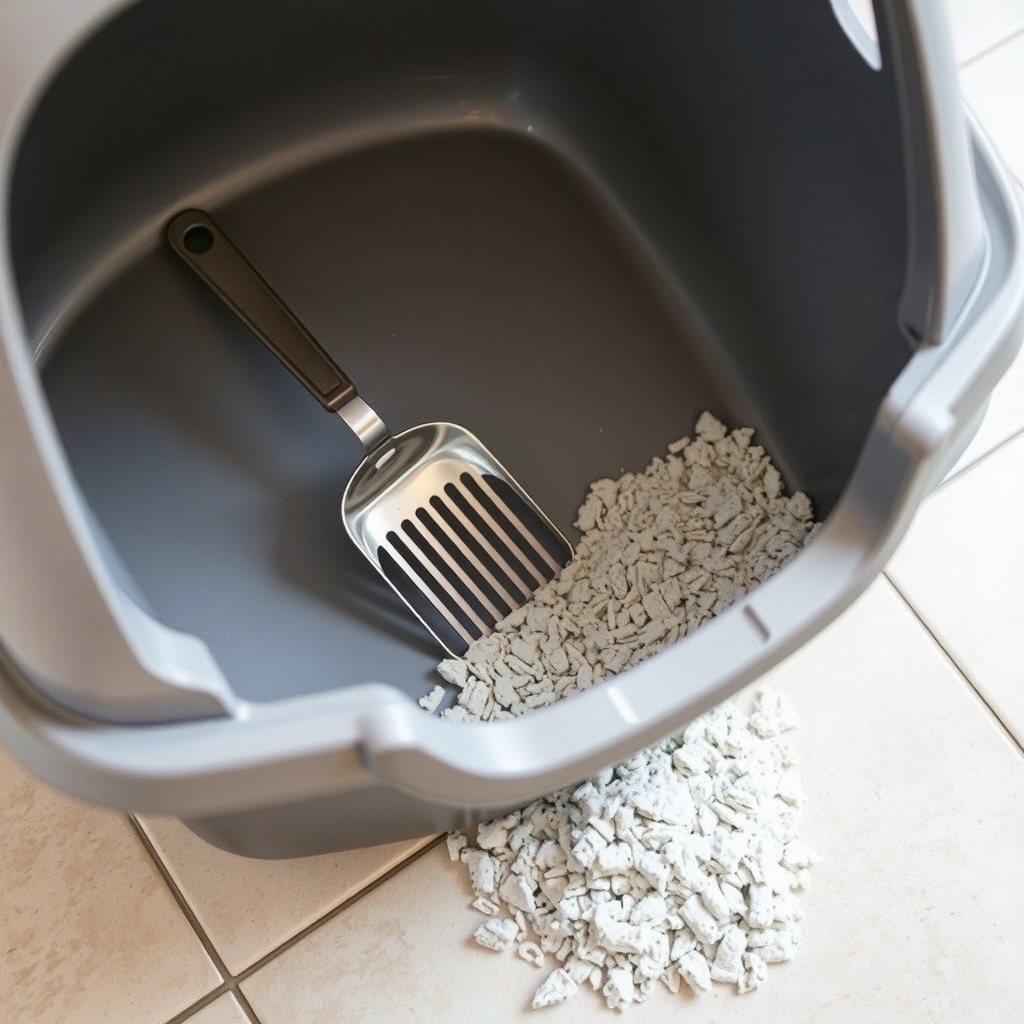
If your litter box smells like ammonia, urine has been sitting in the litter and bacteria are breaking it down. Scoop at least once a day, dump and wash the box with mild soap and hot water, and refill with fresh litter 2 to 3 inches deep. That clears most ammonia smell. A pet-safe litter deodorizer then helps hold it off between full changes.
Free fix vs. permanent fix
Scoop, wash and refill
- Scoop clumps at least once a day, twice if you can
- Dump all the litter and wash the box in hot water with mild unscented soap
- Dry it fully, then refill 2 to 3 inches deep
- Add a second box if you have more than one cat
How long it lasts: Days to a couple of weeks, and longer if you scoop daily. The smell returns once urine builds up again.
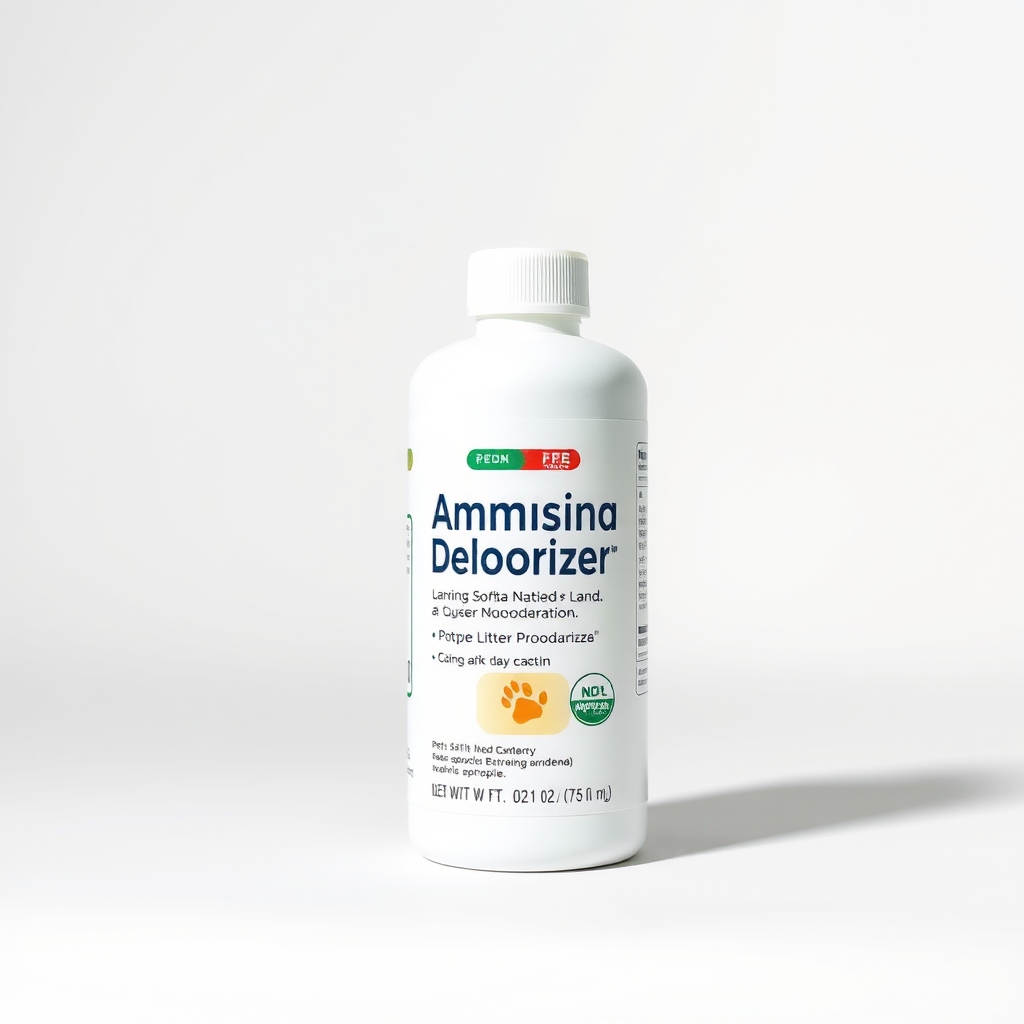
A pet-safe ammonia litter deodorizer
The free routine removes the source. Deodorizing granules or powder (zeolite, activated carbon or baking soda) absorb ammonia from the litter while it sits, so the box stays fresher between your daily scoops.
What to get: Pet-safe ammonia litter deodorizer
How long it lasts: Works for as long as you keep refreshing it, usually each scoop or weekly top-up. It cuts the smell between cleanings.
As an Amazon Associate I earn from qualifying purchases.
What you'll need
-
Litter scoop
Used at least once a day
You have it -
Mild unscented dish soap and hot water
For washing the empty box
You have it -
Trash bags
For old litter
You have it - Our pick Illustration
Pet-safe litter deodorizer
Unscented, with zeolite, activated carbon or baking soda
- Illustration
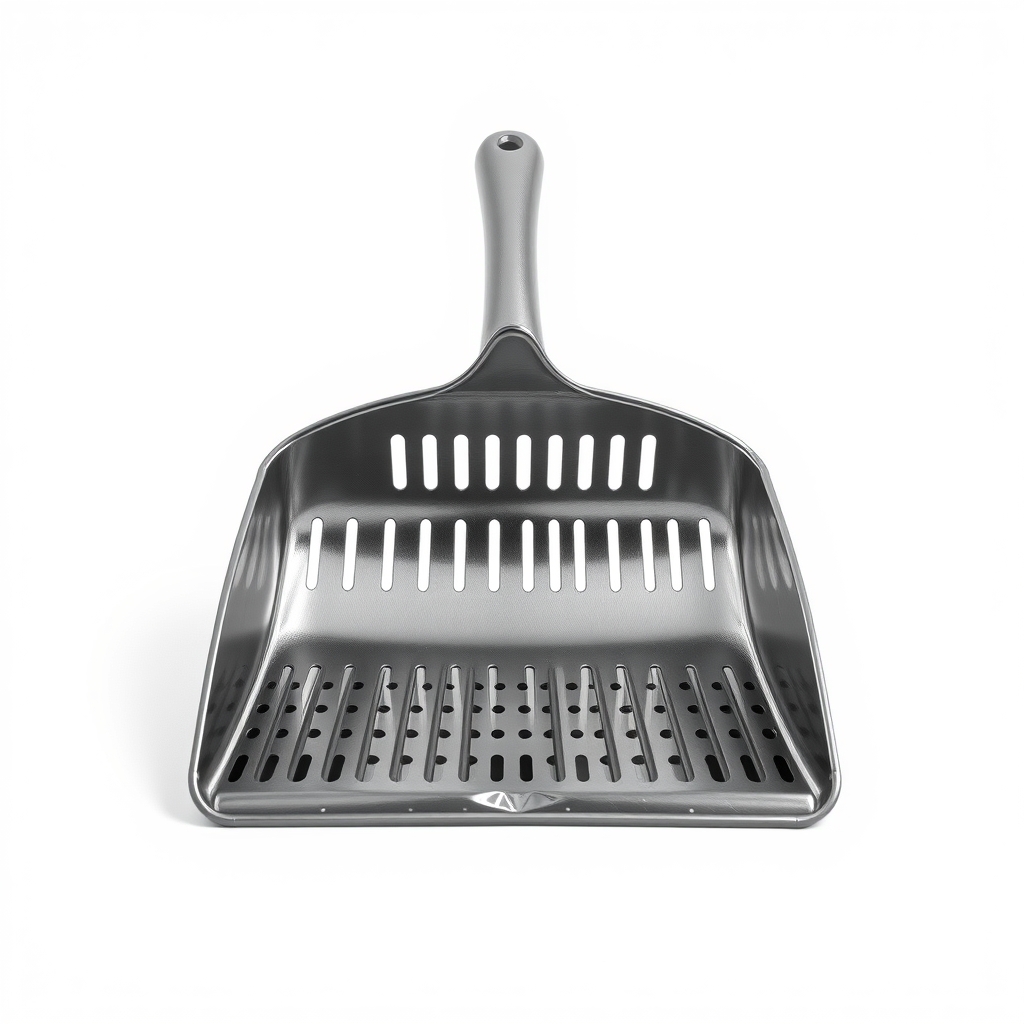
Large metal litter scoop with fine slots
Catches small clumps that regular scoops leave behind
- Illustration
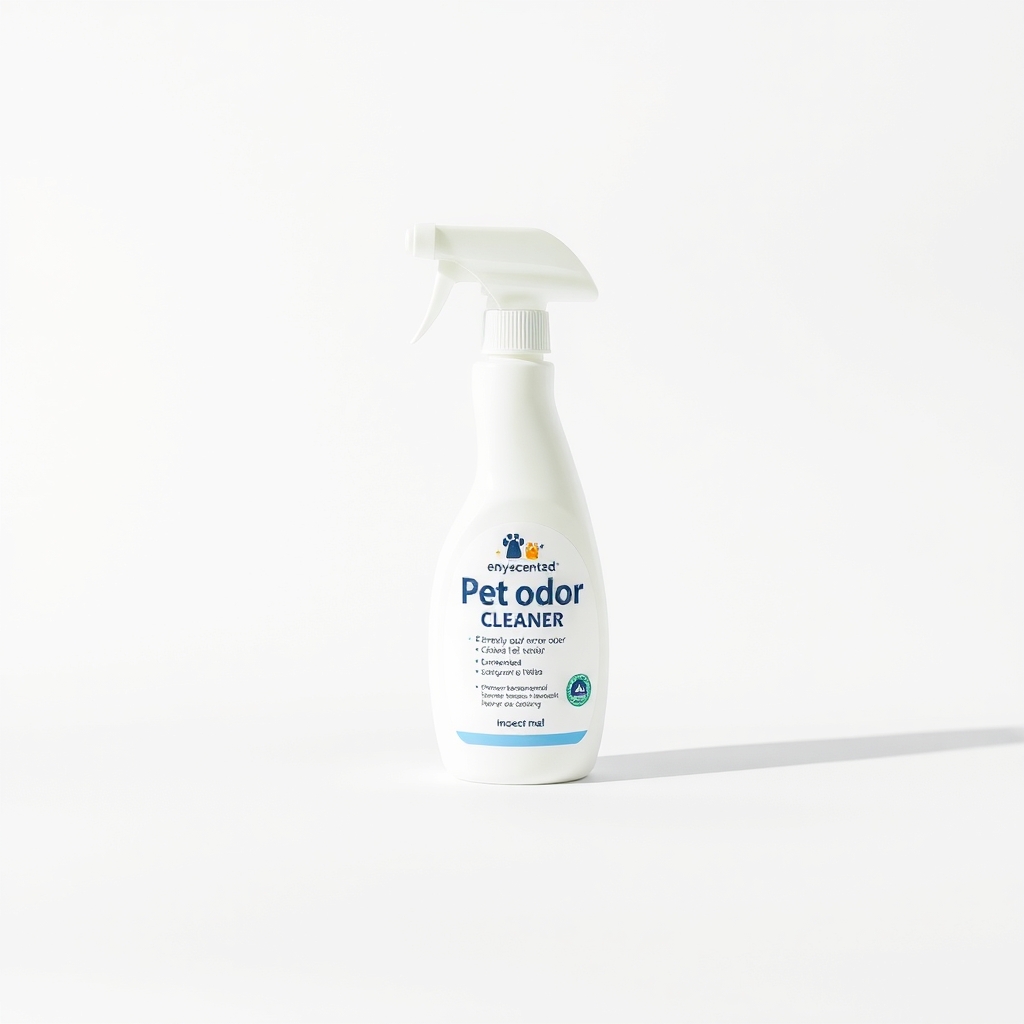
Enzymatic pet odor cleaner
For urine splashes outside the box, unscented
Why it happens
Urine that sits in the litter
Cat urine contains urea. As bacteria break it down, it turns into ammonia. The longer a wet clump sits, the stronger the smell.
Missed small clumps and a worn-out litter bed
Small wet clumps stick to the bottom and sides. Old litter that no longer clumps tightly lets urine soak down.
Urine absorbed into the plastic
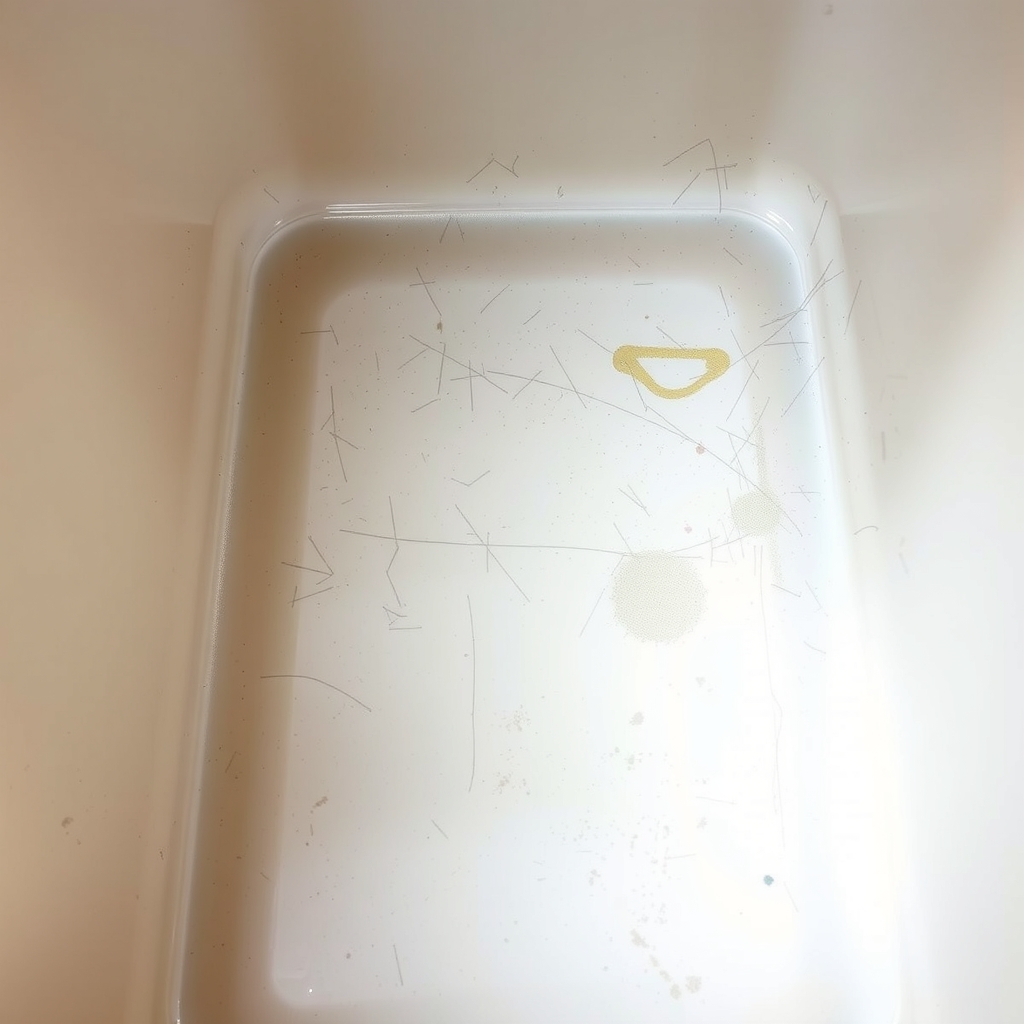
Scratched or old plastic traps urine in tiny grooves. You can scoop daily and still smell it. See the page on why plastic holds odor.
Too few boxes or too little litter
One box for several cats gets overloaded. A thin layer of litter lets urine reach the bottom of the box before it clumps.
A change in the cat's health
A stronger-than-normal ammonia smell in urine can come from dehydration or a urinary or kidney problem. A sudden change is worth a call to your vet.
Try this first (free)
Do these in order, starting with the simplest.
-
Scoop every day, twice if you can
Tool used: Litter scoopRemove wet clumps and solid waste at least once a day. Ammonia builds quickly, so a second scoop in the evening helps a lot in a multi-cat home.
-
Dump the litter and wash the empty box
Tool used: Mild unscented dish soap and hot waterEmpty the box into a trash bag. Wash it with hot water and mild unscented dish soap, and scrub the corners. Rinse well and dry it fully. Do not use strong-smelling cleaners or mix bleach with anything that has ammonia in it.
-
Refill with fresh litter 2 to 3 inches deep
A deeper layer lets urine clump before it reaches the bottom of the box. Keep the depth even and level.
-
Do a full change on a schedule
Clumping litter needs a full change about every 2 to 3 weeks if you scoop daily, and sooner for several cats or if it smells. Non-clumping litter needs changing more often.
-
Add a pet-safe deodorizer to the fresh litter
Tool used: Pet-safe litter deodorizerSprinkle a thin layer of deodorizer over the litter or mix it in, following the pack. This absorbs ammonia while the litter sits between scoops.
IllustrationCheck price on AmazonTool for this step
Pet-safe litter deodorizer · Unscented, with zeolite, activated carbon or baking soda
When free fixes aren't enough
If you scoop daily, wash the box and still smell ammonia within a day or two, the litter is holding more urine than the routine can clear. A deodorizer cuts the smell between scoops and gives the litter extra life. A new box helps if the plastic is scratched and stained. See a vet quickly if your cat strains to pee, cries in the box, passes little or no urine, or has blood in it. A male cat that cannot pee is an emergency. A suddenly stronger smell, a change in how much your cat drinks or peeing outside the box should also be checked.
Buy the fix
Still stuck after the free fixes? These are the products we would look at.
| Pick | Product | Fixes | Who it's for | Buy |
|---|---|---|---|---|
| Best pick | Pet-safe ammonia litter deodorizer | ammonia smell building up between scoops | Anyone who already scoops daily and still smells ammonia, or who has more than one cat. | Check price |
| Budget pick | Large metal litter scoop with fine slots | small wet clumps left behind that keep the smell going | Anyone whose current scoop leaves bits behind or bends. | Check price |
| Upgrade pick | Enzymatic pet odor cleaner, unscented | urine smell left on the box and floor around it | People whose cat misses the box or splashes the sides and floor. | Check price |
Pet-safe ammonia litter deodorizer
Fixes: ammonia smell building up between scoops
Look for: Unscented and labeled safe for cats, with no essential oils; An odor-absorbing base such as zeolite, activated carbon or baking soda; Low-dust formula; Directions that match your litter type.
- Who it's for
- Anyone who already scoops daily and still smells ammonia, or who has more than one cat.
- Honest downside
- The smell is from a dirty box or old litter. Wash and refill first, since a deodorizer will not fix that. Also avoid anything scented or with essential oils.
Large metal litter scoop with fine slots
Fixes: small wet clumps left behind that keep the smell going
Look for: Narrow slots that hold small clumps; Sturdy metal that will not bend; A deep, wide scoop and a comfortable grip.
- Who it's for
- Anyone whose current scoop leaves bits behind or bends.
- Honest downside
- Your scoop already catches every clump. It will not change the smell.
Enzymatic pet odor cleaner, unscented
Fixes: urine smell left on the box and floor around it
Look for: Enzymes that break down urine, not a cover-up scent; Safe for pets once dry; A formula for hard surfaces, such as the box and nearby floor.
- Who it's for
- People whose cat misses the box or splashes the sides and floor.
- Honest downside
- The smell is only inside the litter. Scooping and a deodorizer are the right fix.
As an Amazon Associate I earn from qualifying purchases. We don't show prices because they change, so use the button to see today's price.
How we picked: How we picked: this page is based on veterinary and cat-care guidance on litter box hygiene, ingredients listed on odor-control products, and the problems and fixes people report in reviews. We do not test products by hand.
How many litter boxes do you need?
A common rule from vets and cat groups is one box per cat, plus one extra. A single box shared by two cats fills with urine twice as fast. Put boxes in different spots so one cat cannot guard them all.
Which deodorizer ingredients work on ammonia?
Look for zeolite, activated carbon or baking soda. These absorb ammonia from the litter. Skip heavy perfumes and oils. Cats have sensitive noses, and a strong smell can put them off the box.
What to skip
Scented sprays, air fresheners and ammonia-based cleaners
Perfumes only cover the smell and some oils, such as tea tree, are unsafe for cats. Ammonia-based cleaners smell like urine to cats and can lead to marking. Never mix bleach with anything that contains ammonia, since it makes a toxic gas.
Frequently asked questions
Why does my litter box smell like ammonia even after I clean it?
Why does my cat's litter box smell like ammonia or pee?
Why does cat litter smell like ammonia?
Is a strong ammonia smell in my cat's urine a health problem?
Related problems
 Free fix inside
Pets · Litter Box Smell
Litter Box Smells Even After Cleaning? Why Plastic Holds Odor
Read the fix Free fix inside
Pets · Litter Box Smell
Best Litter Box That Keeps Smell In: 4 Features Worth Paying For
Read the fix Free fix inside
Pets · Litter Box Smell
Cat Litter Smell Throughout the House: Fix the Source, Then the Air
Read the fix Free fix inside
Pets · Cat Litter
Cat Litter Smells Like Chemicals? The Unscented Switch
Read the fixAs an Amazon Associate I earn from qualifying purchases. Affiliate disclosure