Cat Chewing Cords? Cord Covers and Deterrents That Hold Up
A chewed cord can shock your cat or start a fire. Unplug and hide what you can, then put the cords you cannot hide inside tough cord protector tubing.
By Jamilur Rahman Updated November 5, 2026 · 7 min read
- Time
- 20 min
- Cost
- Under $20
- Difficulty
- Easy
In this guide
Quick answer
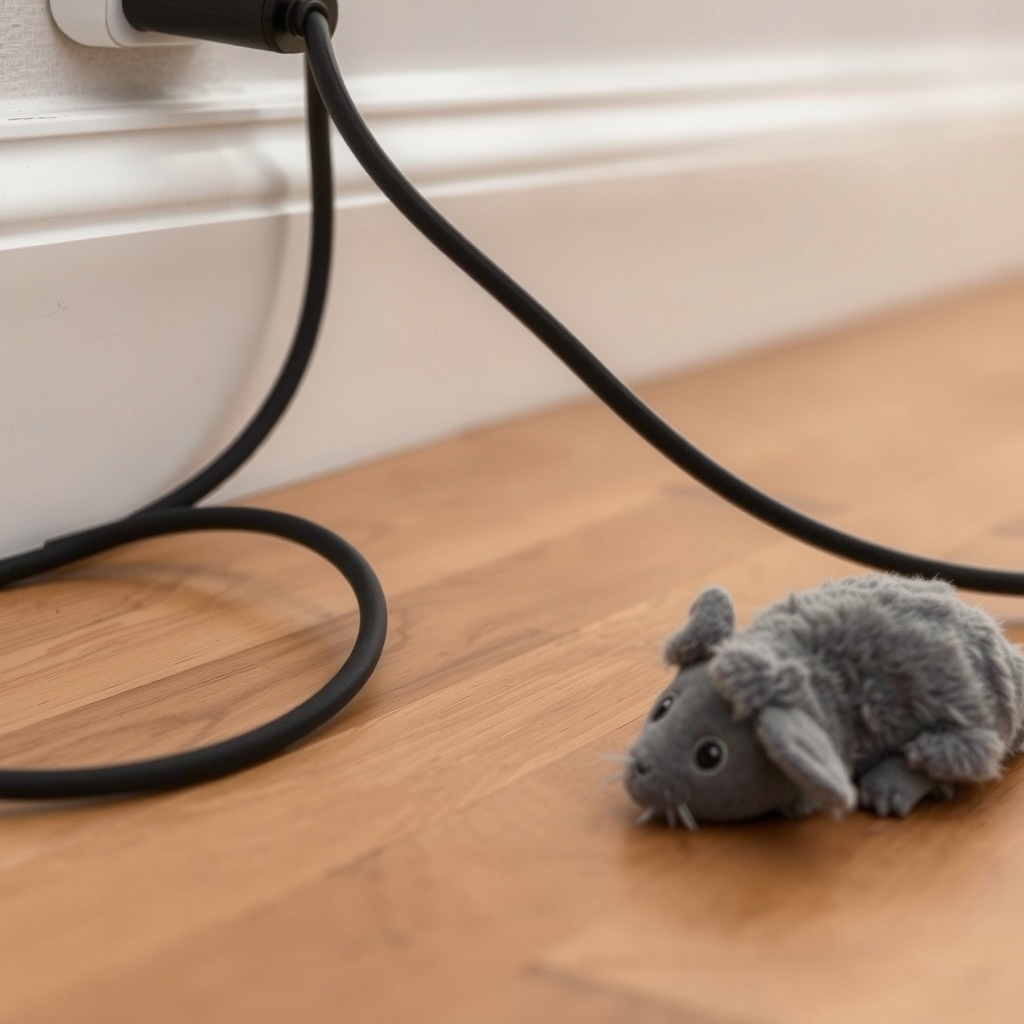
Cats chew cords because the thin, springy shape feels like prey, because kittens are teething, or because they are bored or stressed. It is dangerous: a bite through the insulation can shock or burn a cat and start a fire. Unplug cords when you are not using them, tuck the rest out of reach and add a bitter deterrent. For cords that have to stay out, rigid pet cord protector tubing is the barrier that holds up.
Free fix vs. permanent fix
Unplug, hide and redirect
- Unplug cords you are not using, especially chargers
- Bundle slack and run cords up and out of reach
- Give your cat cat grass and chew-safe toys
- Play with the cat for 10 minutes a day to use up energy
How long it lasts: As long as you keep it up. Cords that stay live and reachable are the ones that get chewed.
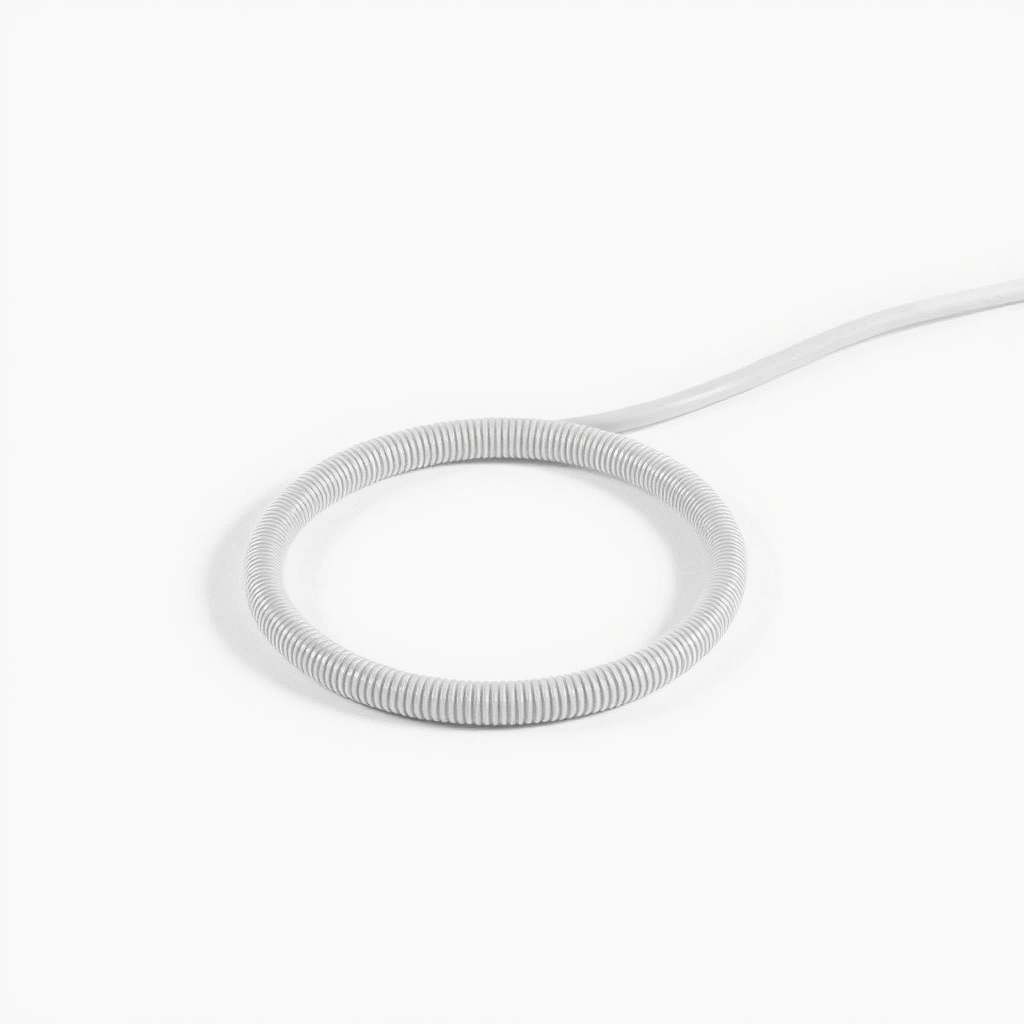
Rigid pet cord protector tubing
Tubing takes away the springy rubber that cats like and gives them hard plastic to hit instead. Used with a bitter taste on the outside, it protects the cords you cannot hide, such as lamps, TV stands and desk setups.
How long it lasts: Years. It covers the cord whether you remember to unplug it or not.
As an Amazon Associate I earn from qualifying purchases.
What you'll need
-
Cable ties or hook-and-loop straps
To bundle slack and lift cords off the floor
You have it -
Cat grass or chew-safe toy
Gives the chewing urge somewhere safe to go
Free - Illustration
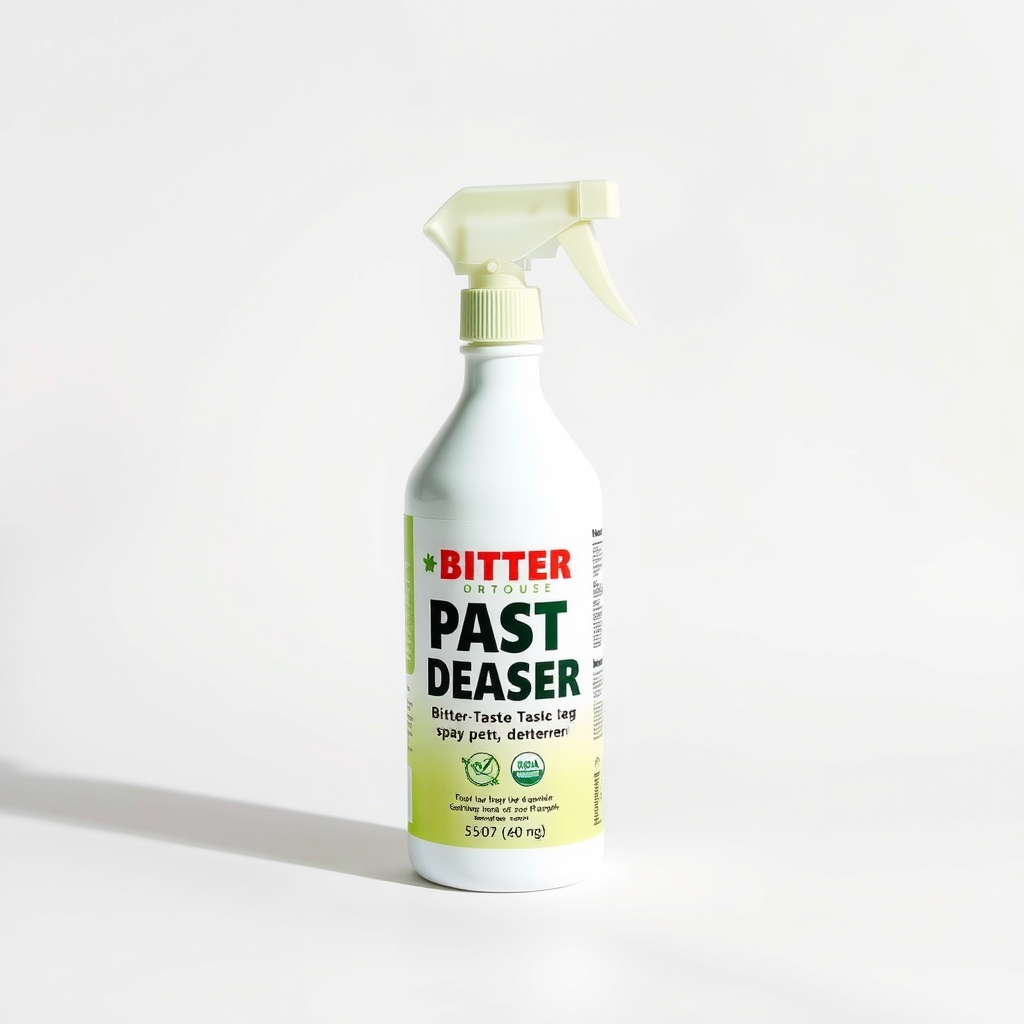
Bitter-taste pet deterrent spray
Spray it on the tubing or cord cover, not the bare cord
- Our pick Illustration
Rigid pet cord protector tubing
Hard plastic that encloses the whole cord
- Illustration

Wall cord cover channel
For cords that run along a wall or baseboard
Why it happens
Teething kittens
Kittens chew from about three to six months old while their adult teeth come in. Cords are the right size and shape to bite down on.
Cords that look like prey
A dangling or twitching cord looks like a tail or a snake. Cats stalk it, pounce on it and bite.
Boredom or stress
Cats with little to do, or cats who are stressed by a change at home, sometimes chew whatever is in reach. More play and more to climb often reduces it.
Dental pain or a health issue
If an adult cat suddenly starts chewing, ask your vet. Mouth pain and some health problems can start the habit.
Try this first (free)
Do these in order, starting with the simplest.
-
Unplug first
Unplug every cord you are not using, especially chargers. A cord with no power cannot shock a cat. Check each one for bite marks while you are at it.
-
Bundle and lift the slack
Tool used: Cable ties or hook-and-loop strapsGather loose cord into a neat bundle and run it behind furniture or up the back of a desk. Cats go for dangling loops, so leave none.
-
Give the chewing somewhere to go
Tool used: Cat grass or chew-safe toyPut a pot of cat grass or a chew-safe toy near the cords the cat likes. Reward the cat when it uses it. Keep a short play session going daily with a wand toy.
-
Add a bitter taste
Tool used: Bitter-taste pet deterrent spraySpray a pet-safe bitter deterrent on a cord cover or tubing, never directly on the cord, and never use essential oils, which can harm cats. Reapply as the label says.
IllustrationCheck price on AmazonTool for this step
Bitter-taste pet deterrent spray · Spray it on the tubing or cord cover, not the bare cord
-
Enclose the cords you cannot hide
Tool used: Rigid pet cord protector tubingOpen the tubing along its seam, press the cord in and let it close. Cut it to length with scissors and cover the whole run, including near the plug.
IllustrationCheck price on AmazonTool for this step
Rigid pet cord protector tubing · Hard plastic that encloses the whole cord
When free fixes aren't enough
Hiding and unplugging work for cords you can control, but a desk, TV stand or lamp has cords that have to stay in the open and stay live. Bitter sprays wear off and some cats ignore them. Tubing is the physical barrier for those cords. If you see exposed copper, frayed insulation or a cord that feels warm or smells scorched, unplug it from the wall, or turn off the breaker if you cannot reach the plug safely, and replace the cord. Do not repair it with tape. If your cat has burns in its mouth, drools, coughs or struggles to breathe after chewing a cord, go to an emergency vet at once.
Buy the fix
Still stuck after the free fixes? These are the products we would look at.
| Pick | Product | Fixes | Who it's for | Buy |
|---|---|---|---|---|
| Best pick | Rigid pet cord protector tubing | bites reaching the cord and its insulation | Anyone with a cat that chews cords that cannot be unplugged or hidden, such as lamps, TV stands and desk setups. | Check price |
| Budget pick | Bitter-taste pet deterrent spray | light chewing and a cat that only needs a nudge | Owners whose cat chews occasionally, or who want a cheap first step while they wait for tubing. | Check price |
| Upgrade pick | Paintable wall cord cover channel | cords running along walls and baseboards where tubing looks messy | Anyone with a bundle of cords that runs the length of a wall. | Check price |
Rigid pet cord protector tubing
Fixes: bites reaching the cord and its insulation
Look for: Hard, thick-walled plastic rather than soft foam or thin spiral wrap; A seam that closes tightly, or a full-wrap design with no gaps; Sized for your cord thickness, with room for a plug; Cut-to-length, so you cover the full run.
- Who it's for
- Anyone with a cat that chews cords that cannot be unplugged or hidden, such as lamps, TV stands and desk setups.
- Honest downside
- The cord is in a hot spot, such as next to a heater or a power brick that gets warm. Tubing there can trap heat, so move the cord or use a different fix.
Bitter-taste pet deterrent spray
Fixes: light chewing and a cat that only needs a nudge
Look for: Labeled safe for pets and for use around the house; A strong bitter taste, without essential oils; Safe on the surface you plan to spray, so test a small spot; A pump spray that lets you mist small areas.
- Who it's for
- Owners whose cat chews occasionally, or who want a cheap first step while they wait for tubing.
- Honest downside
- Your cat has already chewed through insulation. A taste will not protect an exposed cord, so enclose it.
Paintable wall cord cover channel
Fixes: cords running along walls and baseboards where tubing looks messy
Look for: A snap-on lid that stays closed; Strong adhesive or screws for a firm hold on the wall; Sized for the cords you need to fit, with room for bends; Paintable plastic that blends with the wall.
- Who it's for
- Anyone with a bundle of cords that runs the length of a wall.
- Honest downside
- You rent and cannot add adhesive or screws to the wall. Use tubing instead.
As an Amazon Associate I earn from qualifying purchases. We don't show prices because they change, so use the button to see today's price.
How we picked: How we picked: this page is based on pet behavior and electrical safety guides, veterinary advice about cord chewing, product instructions for cord protectors, and what cat owners report in reviews. We do not test products by hand.
What to do if your cat chews a live cord
Switch off the power at the breaker before you touch the cat or the cord. Then check the mouth for burns, redness or blisters, and watch for drooling, coughing or trouble breathing. Even if your cat seems fine, call a vet, since some effects appear hours later. Replace any cord with bite damage before it is plugged in again.
What to skip
Hot sauce, essential oils and soft wraps
Hot sauce and essential oils can irritate a cat's mouth or harm it if licked, and many oils are toxic to cats. Soft foam or thin spiral wrap is easy to bite through, so it gives a cat something new to chew. Choose a pet-safe bitter spray and hard tubing.
Frequently asked questions
Why does my cat chew on cords?
Is a cat chewing a cord dangerous?
Do bitter sprays work on cats?
Will my kitten grow out of chewing cords?
Related problems
 Free fix inside
Pets · Cat Scratching
Cat Scratching Furniture? Why Your Post Isn't Working (and What Is)
Read the fix Free fix inside
Pets · Cat Scratching
Cat Scratching Post That Isn't Ugly: 5 Stylish Posts Cats Use
Read the fix Free fix inside
Home Office & Cables · Desk Cables
How to Hide Cables on Your Desk: The Under-Desk Tray Setup
Read the fixAs an Amazon Associate I earn from qualifying purchases. Affiliate disclosure