Cat Spraying Indoors? Clean It Right First, Then Try a Diffuser
Spraying is a message, not spite. Rule out illness, remove the stress behind it and clean every spot properly before a diffuser helps.
By Jamilur Rahman Updated November 5, 2026 · 6 min read
- Time
- 1-3 weeks
- Cost
- $20-$50
- Difficulty
- Medium
In this guide
Quick answer
To stop a cat from spraying indoors, first have a vet rule out illness, since pain and urinary problems can look like spraying. Next, clean every spot with an enzymatic cleaner so the scent does not invite a repeat, and fix what is stressing your cat. A calming pheromone diffuser then helps keep your cat relaxed while the habit resets.
Free fix vs. permanent fix
Vet check, neuter and a proper clean-up
- Book a vet exam to rule out illness
- Spay or neuter a cat that is not fixed
- Block your cat's view of outdoor cats from windows
- Clean every marked spot with an enzymatic cleaner
How long it lasts: Often enough when the cause is illness, an unneutered cat or an old scent mark. Stress-driven spraying can continue.
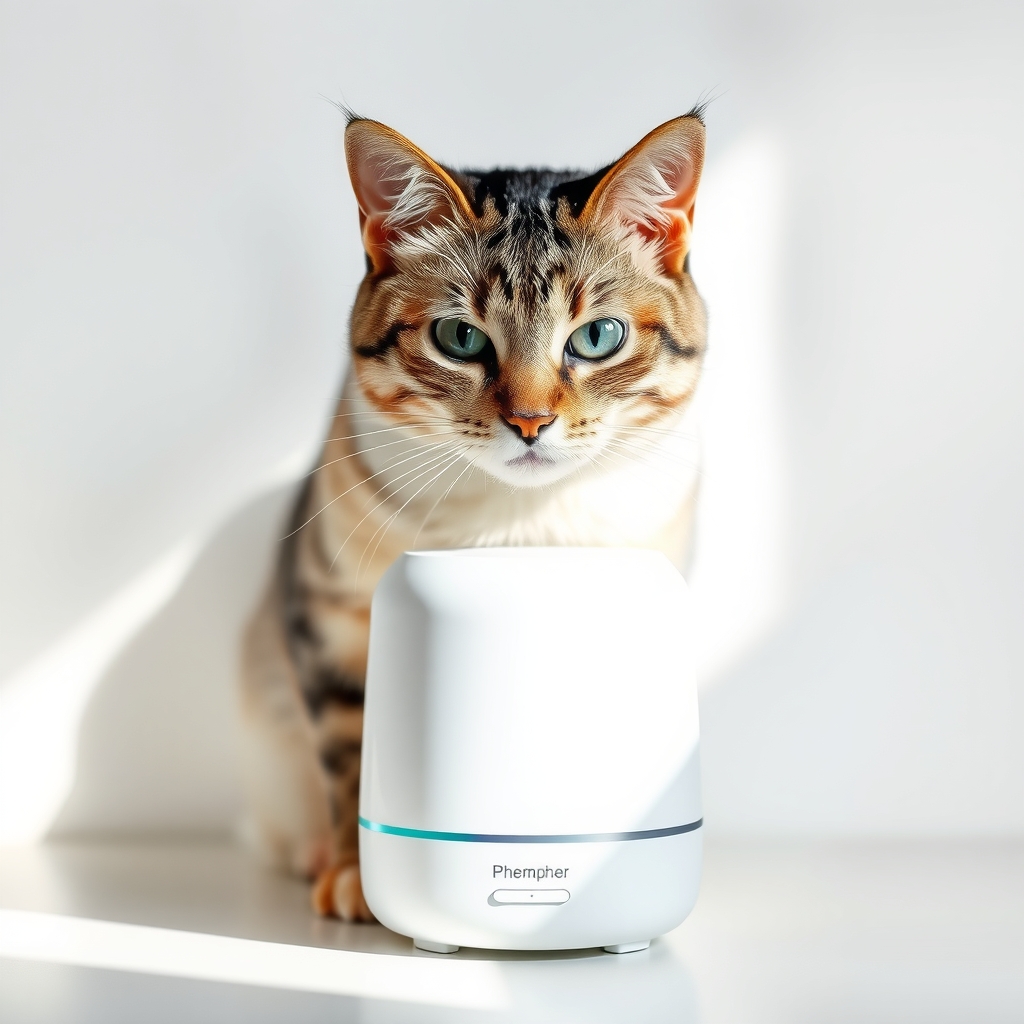
A calming cat pheromone diffuser
These diffusers release a copy of the facial pheromone cats leave when they feel safe. That signal can ease the stress behind spraying. It is not magic. It works best with the vet check and a proper clean-up, and it does not treat illness.
What to get: Cat calming pheromone diffuser
How long it lasts: A refill usually lasts about a month, so it is a plug-in you run through a stressful stretch. Check the label for the exact time.
As an Amazon Associate I earn from qualifying purchases.
What you'll need
-
Paper towels
For blotting fresh spray
You have it -
Cardboard or a towel for the lower window
Blocks the view of cats outside
Free - Illustration
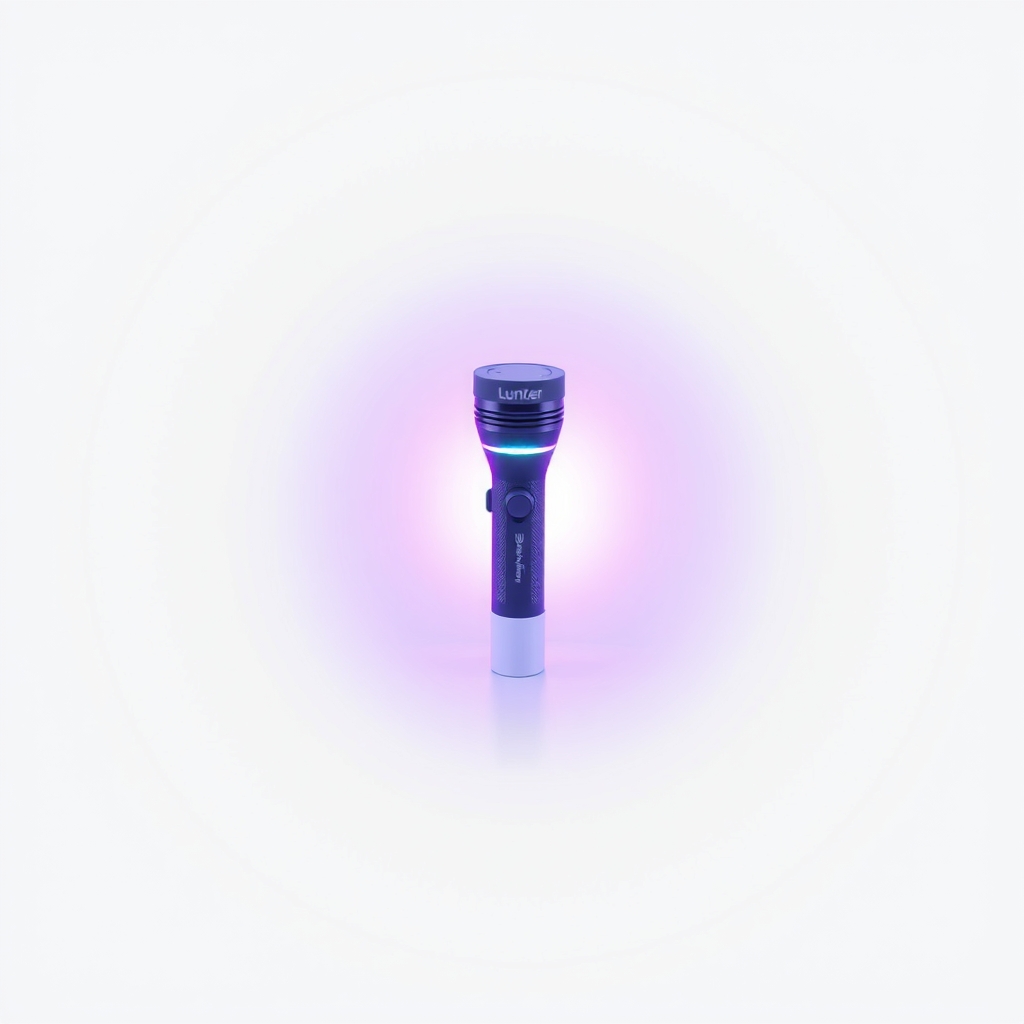
UV blacklight flashlight
Shows old spray spots you cannot see. Use it in a dark room
- Illustration
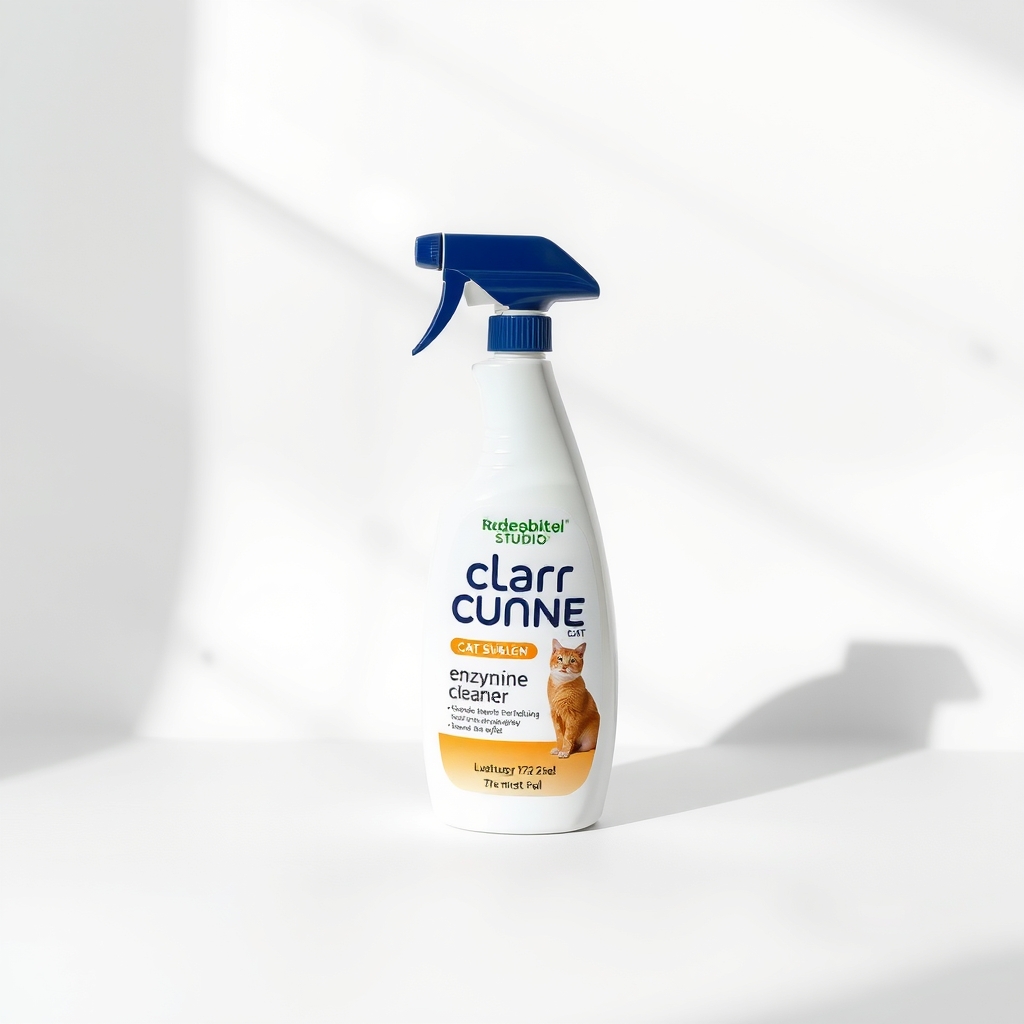
Enzymatic cleaner for cat urine
Breaks down the scent so your cat does not re-mark the spot
- Our pick Illustration
Cat calming pheromone diffuser
Plug in near where your cat spends the most time
Why it happens
A medical problem
Urinary tract infections, bladder stones and other illnesses can make a cat pee or mark in odd places. A vet visit tells you if it is true spraying.
A cat that is not fixed
Unneutered males spray the most, and females in heat may too. Most cats spray far less, or stop, after being spayed or neutered.
Stress and change
A move, a new pet or person, a changed routine or tension between cats can trigger marking. Cats spray to feel safe in their territory.
Outdoor cats at the window
Seeing or smelling a stray at the door or window can push your cat to mark that spot.
Old scent marks
Cats return to spots that still smell of urine, even faintly. If the spot was cleaned with an ordinary cleaner, your cat can still smell it.
Try this first (free)
Do these in order, starting with the simplest.
-
1. Confirm it is spraying and see the vet
Spraying is usually on a vertical surface: your cat backs up, lifts the tail, quivers and squirts a small amount. Peeing in a squat is a different problem. Book a vet exam either way, and ask about spay or neuter if your cat is not fixed. Go at once if a male cat strains or passes little urine.
-
2. Cut the outdoor triggers
Tool used: Cardboard or a towel for the lower windowCover the lower half of the windows your cat watches, close blinds, or move furniture so your cat cannot see strays. Keep trash and outdoor pet food out of reach so cats do not gather.
-
3. Find every spot
Tool used: UV blacklight flashlightTurn off the lights and sweep a blacklight over walls, doors, furniture and baseboards. Dried urine glows yellow-green. Mark each spot with a bit of tape.
IllustrationCheck price on AmazonTool for this step
UV blacklight flashlight · Shows old spray spots you cannot see. Use it in a dark room
-
4. Clean it right
Tool used: Enzymatic cleaner for cat urineBlot fresh spray with paper towels. Soak the spot with an enzymatic cleaner and let it air dry, following the label. Do not use ammonia, which smells like urine to cats, and avoid steam cleaners, which can lock in the odor.
IllustrationCheck price on AmazonTool for this step
Enzymatic cleaner for cat urine · Breaks down the scent so your cat does not re-mark the spot
-
5. Lower the stress and plug in a diffuser
Tool used: Cat calming pheromone diffuserKeep feeding times steady, give each cat its own food, water, litter box and resting spot, and play for 10 minutes a day. Plug a calming diffuser in where your cat spends most of the day and give it three to four weeks.
IllustrationCheck price on AmazonTool for this step
Cat calming pheromone diffuser · Plug in near where your cat spends the most time
When free fixes aren't enough
If your cat is healthy, fixed and the spots are truly clean, but spraying goes on, stress is the likely driver. Cleaning does not remove stress. A calming diffuser sends a safe-place message around the clock, which can take the edge off while you fix the cause. If spraying continues after a month, or your cat marks in several rooms, ask your vet about a behavior plan or medication. Never punish a spraying cat. And if your cat strains, cries in the litter box or passes little urine, that is an emergency, not a behavior problem.
Buy the fix
Still stuck after the free fixes? These are the products we would look at.
| Pick | Product | Fixes | Who it's for | Buy |
|---|---|---|---|---|
| Best pick | Cat calming pheromone diffuser | the stress that drives a cat to mark | Owners of healthy, fixed cats who spray after a move, a new pet or a change in routine. | Check price |
| Budget pick | Enzymatic cleaner for cat urine | the leftover scent that invites repeat spraying | Anyone with even one marked spot. | Check price |
Cat calming pheromone diffuser
Fixes: the stress that drives a cat to mark
Look for: A synthetic cat facial pheromone formula; A plug-in unit with a refill sized for your room or open area, as listed on the label; A starter kit that includes the first refill; Fragrance-free.
- Who it's for
- Owners of healthy, fixed cats who spray after a move, a new pet or a change in routine.
- Honest downside
- Your cat has not seen a vet. A diffuser cannot treat a urinary problem, and delaying care can be dangerous.
Enzymatic cleaner for cat urine
Fixes: the leftover scent that invites repeat spraying
Look for: A pet-urine enzyme formula; Safe for the surface, so spot-test first; No ammonia.
- Who it's for
- Anyone with even one marked spot.
- Honest downside
- The urine has soaked deep into a mattress or porous wood. That may need repeat treatments, sealing or replacing.
As an Amazon Associate I earn from qualifying purchases. We don't show prices because they change, so use the button to see today's price.
How we picked: How we picked: this page is based on veterinary and cat behavior guidance on urine marking, product instructions from cleaner and diffuser makers and what cat owners report in reviews. We do not test products by hand.
Spraying or accident? How to tell
- Spraying: small amount, vertical surface, tail up and quivering, often near doors and windows.
- Peeing outside the box: larger puddle on a flat surface like a bed or carpet, with the cat squatting.
- Either one: needs a vet exam first, since illness can cause both.
What to skip
Ammonia cleaners, air fresheners and punishment
Ammonia smells like urine to a cat and invites re-marking. Air fresheners only hide the scent from you. Yelling or rubbing a cat's nose in it teaches your cat to fear you and makes the stress, and the spraying, worse.
Frequently asked questions
Why is my cat suddenly spraying in the house?
Does neutering stop cat spraying?
How do I get cat spray smell out for good?
Do calming diffusers really stop cat spraying?
What is the difference between spraying and peeing outside the box?
Related problems
 Free fix inside
Pets · Cat Peeing On Bed
Cat Peeing on the Bed? Protect the Mattress While You Sort It Out
Read the fix Free fix inside
Pets · Litter Box
Litter Box Aversion: Make the Box More Appealing (Vet Check First)
Read the fix Free fix inside
Pets · Cat Pee Smell
Cat or Dog Pee Smell in Carpet? Why Soap Fails and Enzymes Win
Read the fix Free fix inside
Pets · Cat Pee Smell
Cat Pee Smell on the Couch: Clean It Without Ruining the Fabric
Read the fixAs an Amazon Associate I earn from qualifying purchases. Affiliate disclosure