Litter Box Aversion: Make the Box More Appealing (Vet Check First)
A cat that avoids the box is telling you something hurts or feels wrong. Rule out illness, fix the box, then try an attractant litter.
By Jamilur Rahman Updated November 5, 2026 · 8 min read
- Time
- 1-2 weeks
- Cost
- $20-$50
- Difficulty
- Medium
In this guide
Quick answer
To fix litter box aversion, start with a vet visit to rule out pain or a urinary problem, since those are common reasons a cat stops using the box. Then scoop daily, wash the box, add one more box than you have cats and move them somewhere quiet. If your cat still avoids the box, an attractant litter can make it more inviting, and it works best on top of those basics.
Free fix vs. permanent fix
Vet check and a better box setup
- Book a vet exam to rule out pain or a urinary infection
- Scoop at least once a day and wash the box every week
- Offer one more box than you have cats
- Move boxes to quiet, easy-to-reach spots
How long it lasts: Often permanent when the cause was a dirty or badly placed box, or something your vet treats. Cats that link the box with pain may need more help.
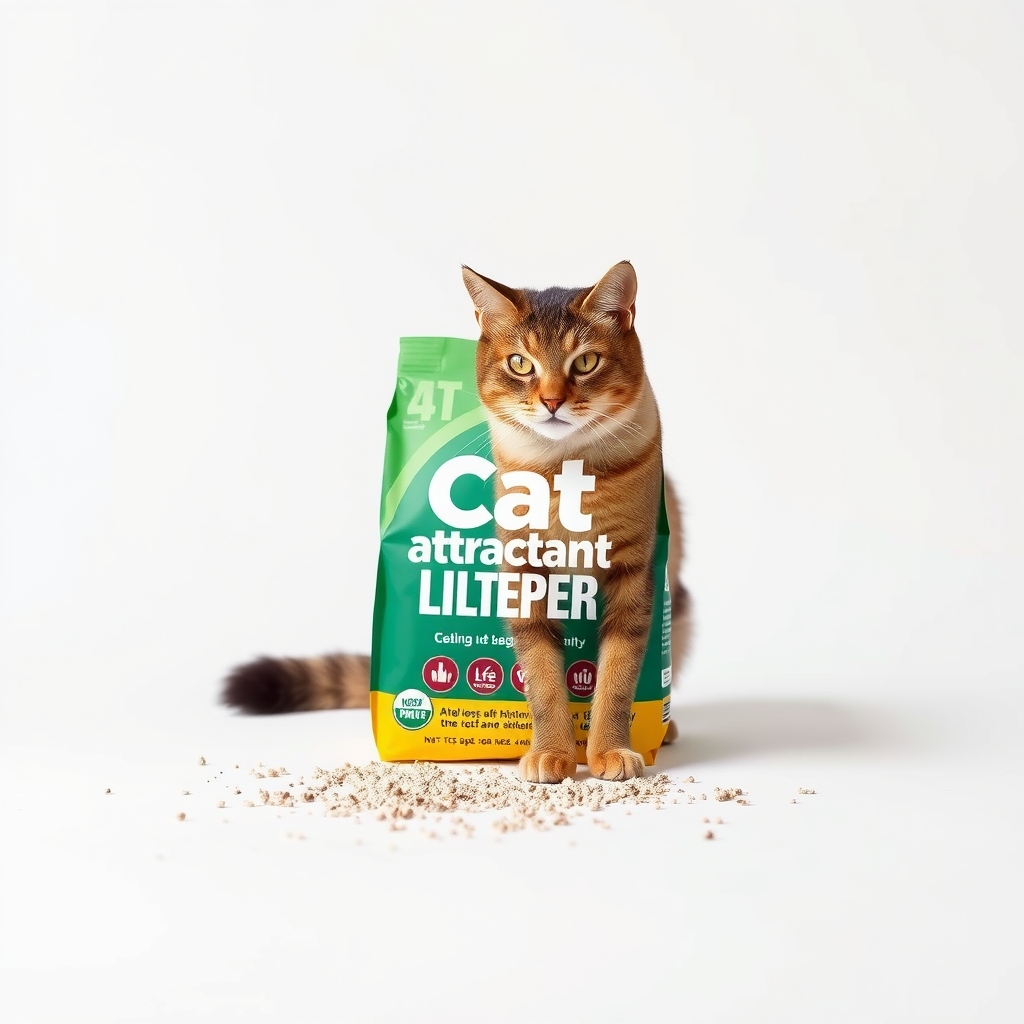
A cat attractant litter
Attractant litters have a gentle herbal scent that draws cats in, and most are a soft, fine-grain clumping texture that cats like to dig in. That gives a wary cat a reason to step back into the box. It is a nudge, not a cure, so use it after the vet visit and the box fixes.
What to get: Cat attractant litter
How long it lasts: As long as you keep using it. Many owners switch back to a regular litter once the habit is rebuilt, and some stay on it.
As an Amazon Associate I earn from qualifying purchases.
What you'll need
-
Unscented dish soap
For washing the box. Skip strong cleaners and bleach
You have it -
Litter scoop
Use it at least once a day
You have it - Illustration
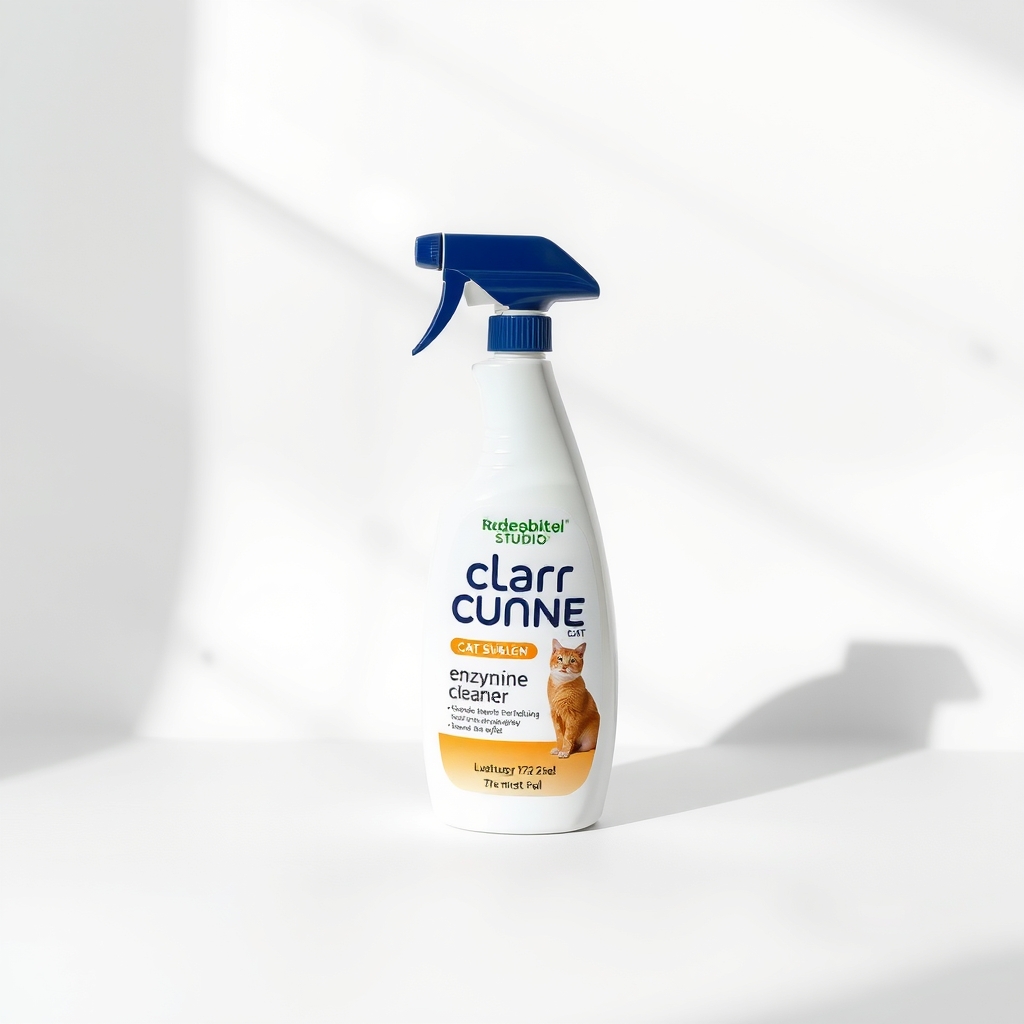
Enzymatic cleaner for cat urine
Removes the scent that pulls a cat back to an accident spot
- Illustration
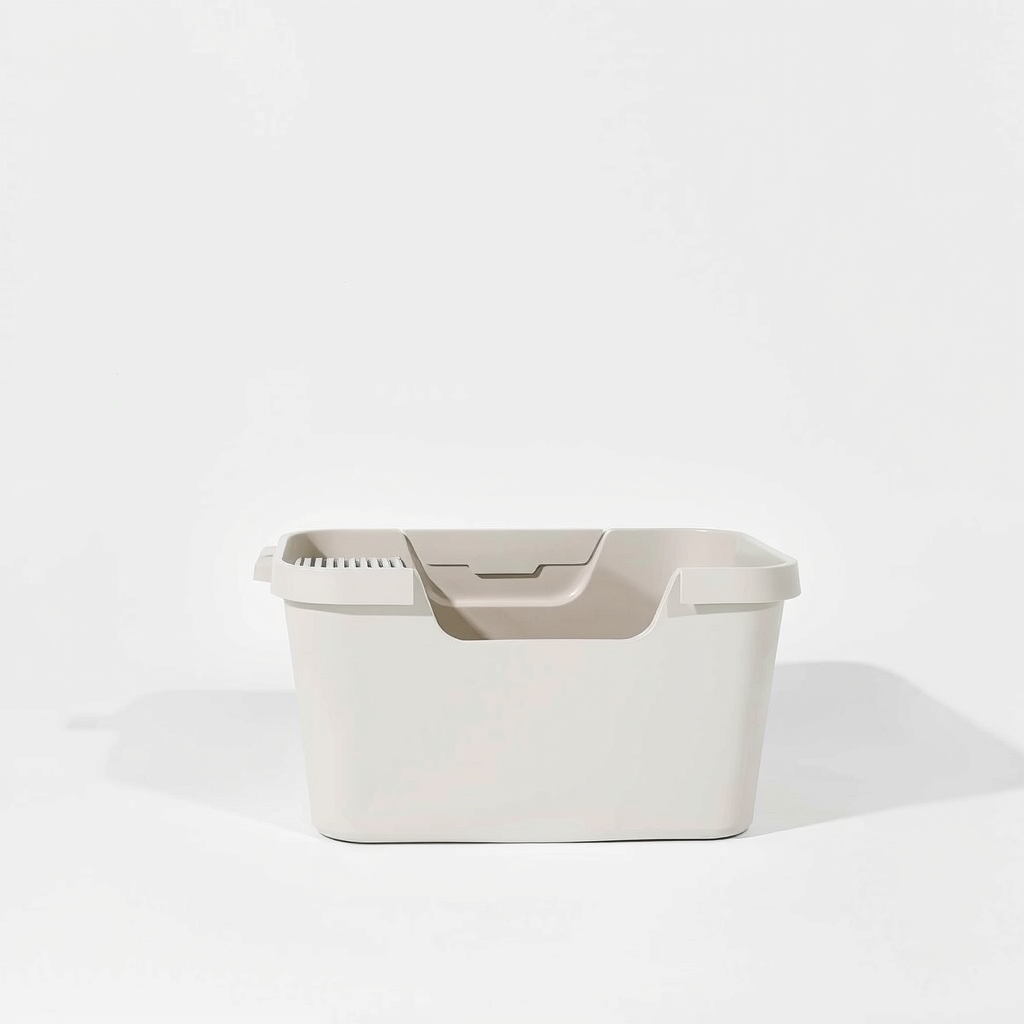
Large open-top litter box
A bigger, easier-to-enter box, or one more box for the house
- Our pick Illustration
Attractant litter
Offer it in one box beside the old one
Why it happens
A medical problem
Urinary tract infections, bladder stones, kidney disease, constipation and arthritis can make the box painful or hard to reach. A cat may link the box with pain and avoid it.
A dirty box
Cats are picky about cleanliness. A box scooped less than once a day, or one that still holds a faint smell after washing, can put a cat off.
A change in litter or box
A new litter brand, added scent, a liner or a covered box can all be a problem. Many cats prefer unscented, fine-grain litter and an uncovered box.
A bad spot or too few boxes
Boxes beside a loud washer, in a busy hallway or in a corner where the cat feels trapped get avoided. With several cats, one box lets one cat block the others.
Stress
A move, a new pet or baby, or loud noise can trigger avoidance. The cat may stop using the box until things feel safe again.
Try this first (free)
Do these in order, starting with the simplest.
-
1. Call the vet first
Book an exam and a urine test before you change anything else, and tell the vet when it started and where your cat goes. Go right away if your cat strains, cries in the box, passes little or no urine, or you see blood.
-
2. Scoop daily, wash weekly
Tool used: Unscented dish soapScoop at least once a day. Once a week, empty the box and wash it with warm water and unscented dish soap. Rinse well and dry it. Avoid ammonia, bleach and strongly scented cleaners.
-
3. Clean the accident spots
Tool used: Enzymatic cleaner for cat urineBlot up the mess, then soak the spot with an enzymatic cleaner made for pet urine. Ordinary cleaners leave a smell your cat can still detect, which draws them back to the same place.
IllustrationCheck price on AmazonTool for this step
Enzymatic cleaner for cat urine · Removes the scent that pulls a cat back to an accident spot
-
4. Add boxes and make them easy
Tool used: Large open-top litter boxOffer one more box than you have cats, in different quiet places, ideally one on each floor. Keep them away from food, water and noisy appliances, and use a box big enough to turn around in.
IllustrationCheck price on AmazonTool for this step
Large open-top litter box · A bigger, easier-to-enter box, or one more box for the house
-
5. Give your cat a choice of litter
Tool used: Attractant litterFill one box with an attractant litter next to the box your cat already knows. Watch which one gets used. Do not remove the old box until the new habit is steady.
IllustrationCheck price on AmazonTool for this step
Attractant litter · Offer it in one box beside the old one
-
6. Stay calm and reward success
Never scold your cat or rub their nose in a mess. Punishment adds stress and makes avoidance worse. Give a treat or quiet praise when your cat uses the box.
When free fixes aren't enough
If your vet clears your cat and clean boxes in quiet spots still get skipped for more than a week or two, the box itself may have become a place your cat dislikes. An attractant litter changes how the box smells and feels, which can restart the habit. If the problem lasts or gets worse, ask your vet about a behavior plan. Go back to the vet at once if you see straining, crying in the box, blood in the urine or very little urine, especially in a male cat. A blocked urinary tract is an emergency.
Buy the fix
Still stuck after the free fixes? These are the products we would look at.
| Pick | Product | Fixes | Who it's for | Buy |
|---|---|---|---|---|
| Best pick | Cat attractant litter | a cat that has stopped using the box | Cats that avoid the box after a clean bill of health from the vet and a cleaner setup. | Check price |
| Budget pick | Enzymatic cleaner for cat urine | the lingering scent that pulls a cat back to the same spot | Anyone cleaning up after accidents. | Check price |
| Upgrade pick | Large open-top litter box | a box that is too small or too hard to get into | Large, older or arthritic cats, and homes with more than one cat. | Check price |
Cat attractant litter
Fixes: a cat that has stopped using the box
Look for: Sold as an attractant for cats that avoid the litter box; A gentle herbal scent, not a heavy perfume; Soft, fine-grain clumping texture; Low dust.
- Who it's for
- Cats that avoid the box after a clean bill of health from the vet and a cleaner setup.
- Honest downside
- Your cat has not seen a vet yet, or coughs and sneezes around dusty litter. Ask your vet first.
Enzymatic cleaner for cat urine
Fixes: the lingering scent that pulls a cat back to the same spot
Look for: An enzyme or bacteria formula made for pet urine; Safe for the surface, so check the label for carpet, wood and fabric; No ammonia.
- Who it's for
- Anyone cleaning up after accidents.
- Honest downside
- The urine has soaked deep into a mattress or unsealed subfloor. That may need repeat treatments or replacing.
Large open-top litter box
Fixes: a box that is too small or too hard to get into
Look for: About one and a half times your cat's body length; A low entry so older or sore cats can step in; Smooth plastic that wipes clean without deep scratches.
- Who it's for
- Large, older or arthritic cats, and homes with more than one cat.
- Honest downside
- Your cat already uses a box happily and there is no room for another.
As an Amazon Associate I earn from qualifying purchases. We don't show prices because they change, so use the button to see today's price.
How we picked: How we picked: this page is based on veterinary guidance on cat litter box problems, product instructions from litter makers and what cat owners report in reviews. We do not test products by hand.
Is it aversion or marking?
With litter box aversion, your cat squats and pees or poops outside the box, usually on a soft or flat surface. Spraying is different: the cat stands, lifts the tail and squirts urine on a wall or door. The causes and fixes differ, so see the related page on spraying if that is what you see.
What to tell your vet
- When the problem started and how often it happens
- Whether your cat pees or poops outside the box, or both
- Any change in litter, box, home or household
- Straining, crying, blood, or drinking and peeing more than usual
What to skip
Covered boxes, liners and heavily scented litter
A lid traps smell and makes some cats feel cornered. Liners can catch claws, and perfumed litter smells very strong to a cat's nose. Start with the simplest setup. Also skip punishment and sprays sold to train cats, which add stress.
Frequently asked questions
How do I stop litter box aversion in my cat?
How do I fix litter box avoidance that started suddenly?
Do attractant litters really work?
Should I use a covered litter box?
How long does it take to fix litter box aversion?
Related problems
 Free fix inside
Pets · Cat Peeing On Bed
Cat Peeing on the Bed? Protect the Mattress While You Sort It Out
Read the fix Free fix inside
Pets · Cat Spraying
Cat Spraying Indoors? Clean It Right First, Then Try a Diffuser
Read the fix Free fix inside
Pets · Litter Box
Litter Box Too Small for Your Cat? Roomy Ones Worth Buying
Read the fix Free fix inside
Pets · Litter Box Smell
Litter Box Smells Even After Cleaning? Why Plastic Holds Odor
Read the fixAs an Amazon Associate I earn from qualifying purchases. Affiliate disclosure