Keep a Dog Crate Cool in Summer: What Helps and What Backfires
A crate is a small box that traps heat. Move it, open it up and add water and airflow first. A cooling mat gives your dog a cool place to lie.
By Jamilur Rahman Updated November 5, 2026 · 7 min read
- Time
- 20 min
- Cost
- $20-$50
- Difficulty
- Easy
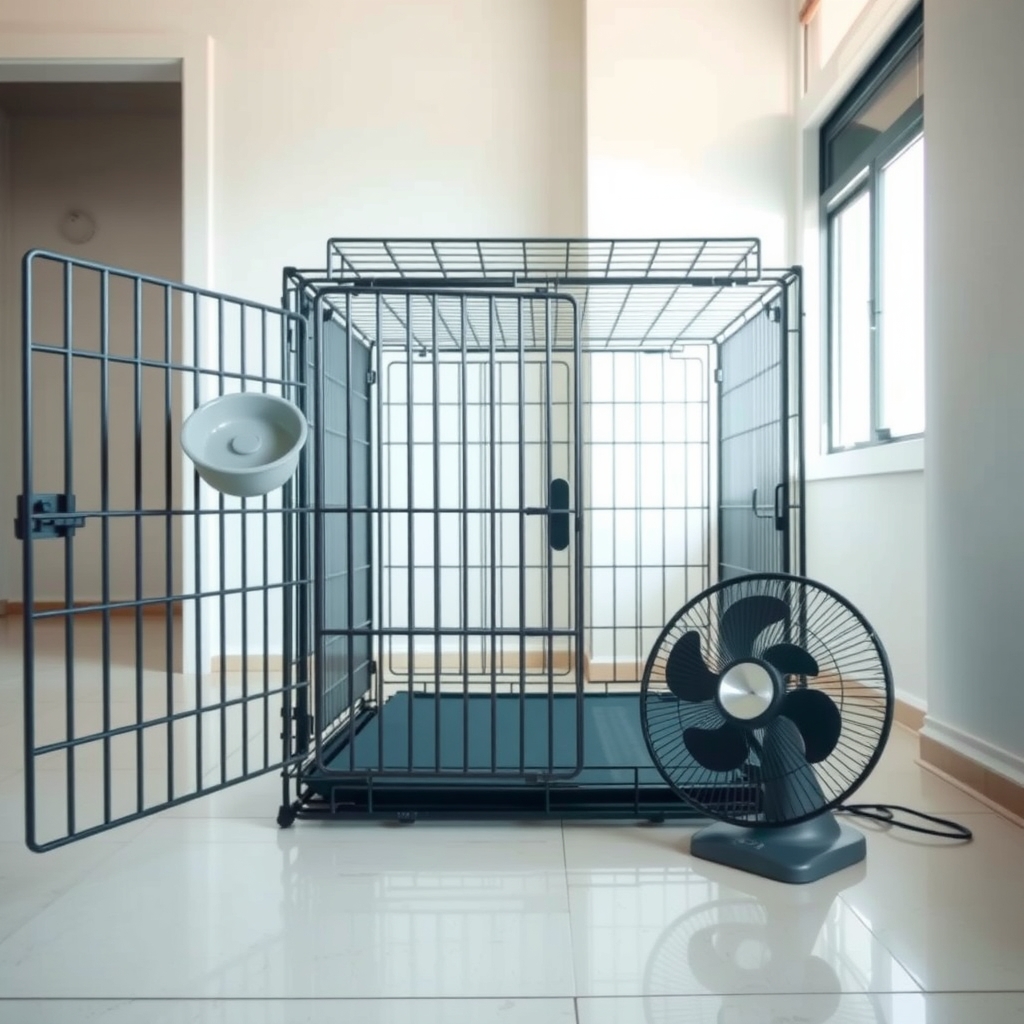
In this guide
Quick answer
To keep a dog crate cool in summer, move it out of sun and heat, let air flow through the bars and keep fresh water within reach. A fan helps move the air, but a dog cools mostly by panting and through its belly. A self-cooling gel mat gives it a cool surface to lie on without ice or a cord. None of this replaces a cool room, and a hot garage or car is never safe.
Free fix vs. permanent fix
Move it, open it up, add air and water
- Put the crate in the coolest room, off the sun and away from windows
- Remove thick bedding and heavy covers
- Keep a fan moving air across the crate, not blowing on one spot
- Hang a water bowl on the crate and refill it often
How long it lasts: On mild summer days, it works all day. In a heat wave the room itself gets too hot, and your dog needs a cooler space.
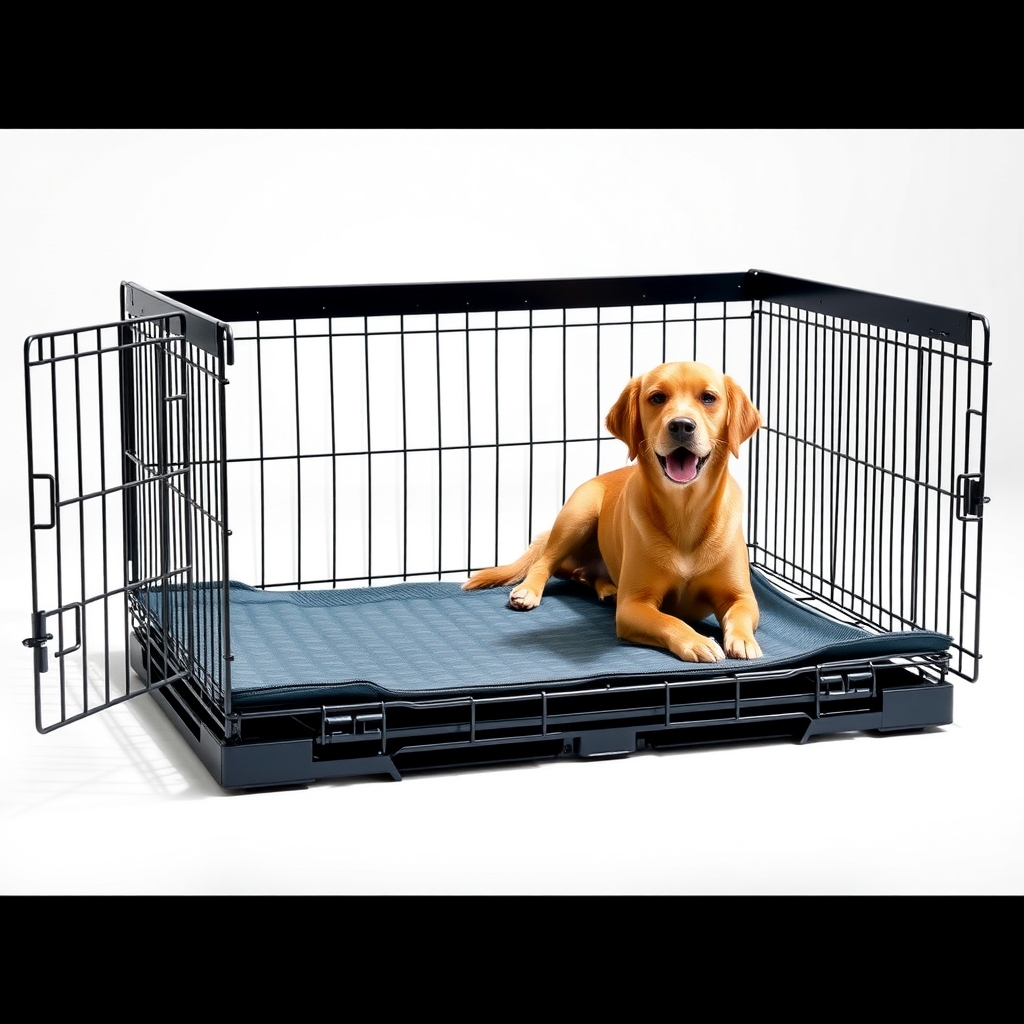
A self-cooling gel mat sized for the crate
A dog sheds heat through panting and through its belly and paws. A gel mat gives the belly a cool surface with no ice, water or cord. It does not cool the room, so it works alongside shade, air and water and not in place of them.
What to get: Self-cooling gel mat for a dog crate
How long it lasts: All summer. Most gel mats cool when your dog lies on them and recharge when it gets off, though owners say they fade in a very hot room.
As an Amazon Associate I earn from qualifying purchases.
What you'll need
-
Fan
Any box or stand fan, with the cord out of reach
You have it -
Light sheet or thin cotton cloth
Shades one side if your dog likes a den feel
You have it - Illustration
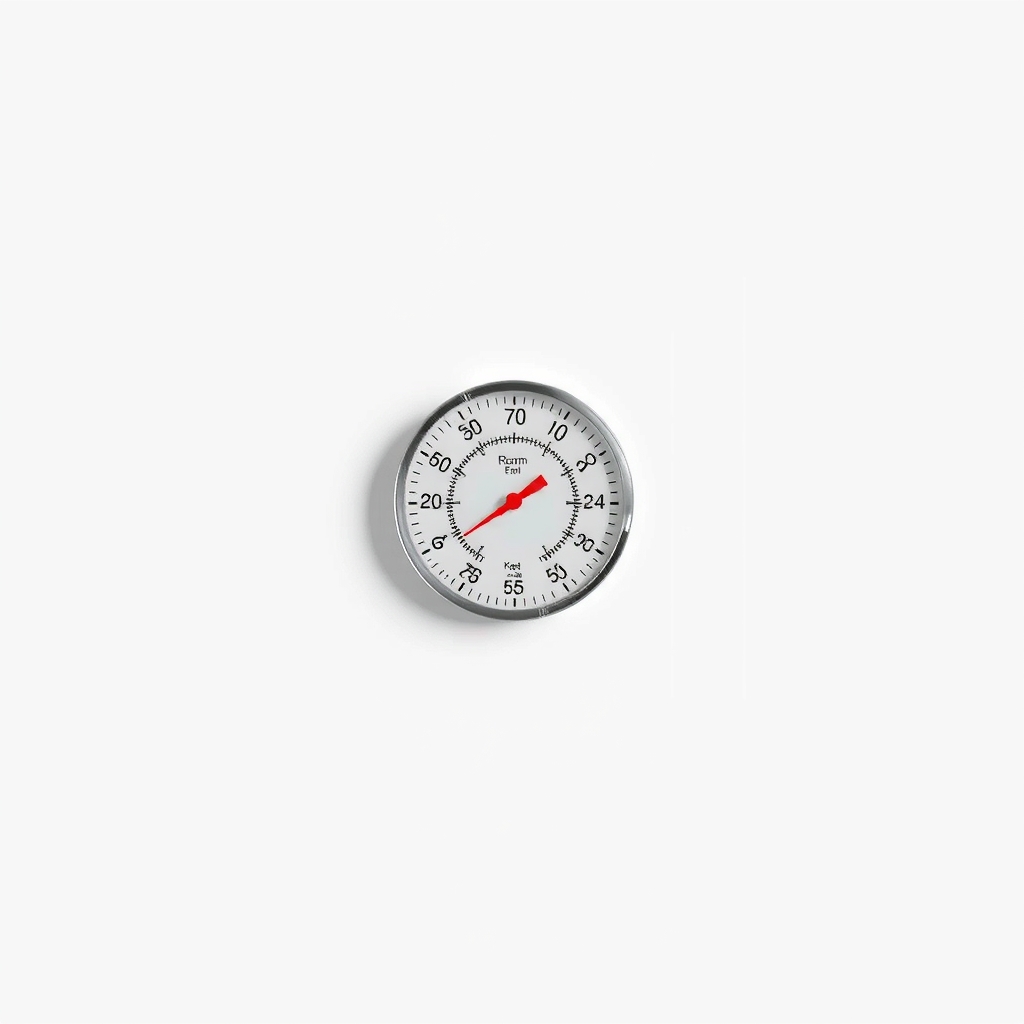
Room thermometer
Read it at crate height, where the dog actually is
- Illustration
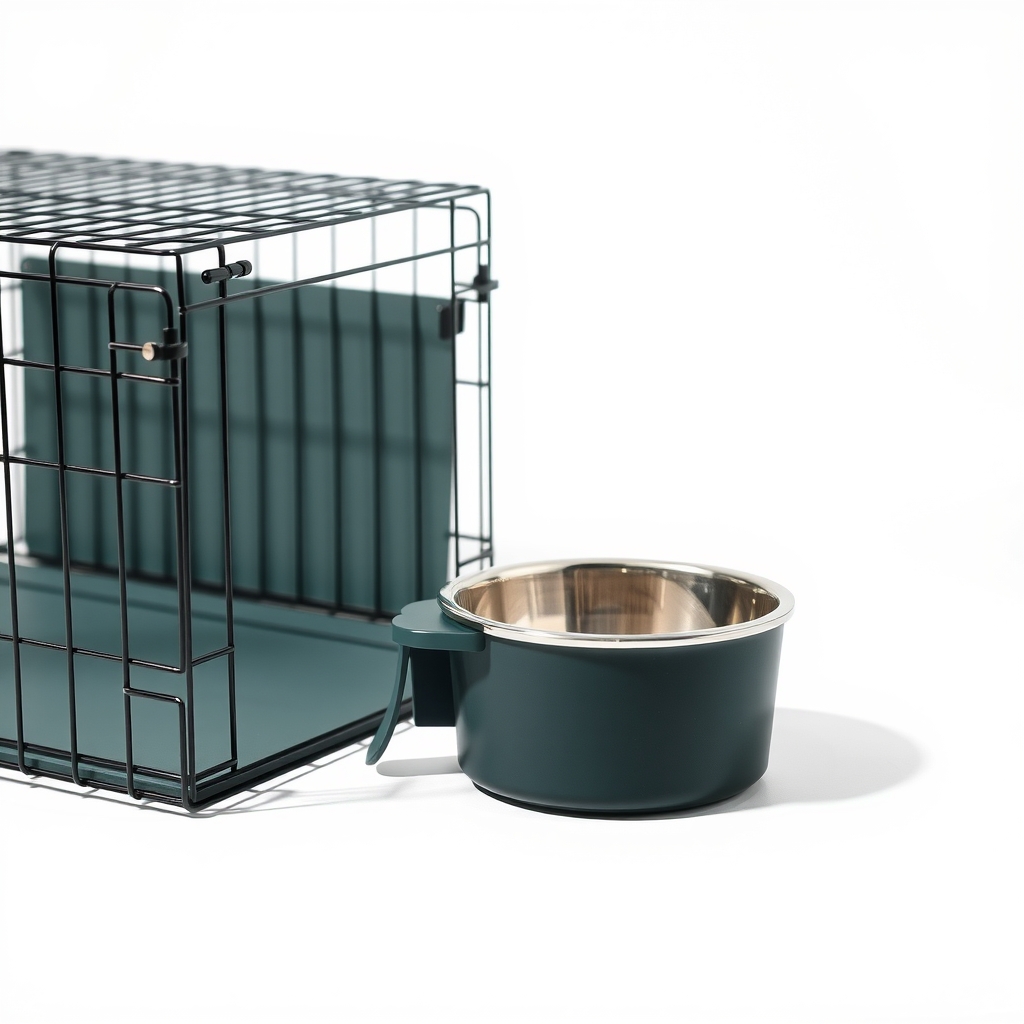
Clip-on crate water bowl
Stays attached when your dog moves around
- Our pick Illustration
Self-cooling gel mat for the crate
Measure the crate floor first
Why it happens
Sun and a warm room
A crate in a sunroom, near a window, in a garage or on a porch heats up fast. A small box with a dog panting in it gets hot in minutes.
Air that cannot move
Covers, walls and furniture block airflow through the bars. In still air, panting cools a dog far less well.
Bedding that traps heat
Foam, fleece and thick blankets keep the dog's body heat close to its belly. Many dogs push them aside, then lie on the bare floor of the tray.
Dogs at higher risk
Flat-faced breeds, puppies, older and heavier dogs and thick-coated dogs overheat sooner. Humid air makes panting less effective for every dog.
Try this first (free)
Do these in order, starting with the simplest.
-
Move the crate to the coolest room and check it
Tool used: Room thermometerPick a shaded interior room with a tile or hardwood floor, away from windows, ovens and vents. Put a thermometer next to the crate. If the room feels too hot for you, it is too hot for your dog.
IllustrationCheck price on AmazonTool for this step
Room thermometer · Read it at crate height, where the dog actually is
-
Open the crate up
Tool used: Light sheet or thin cotton clothTake out thick bedding and heavy covers. If your dog likes a den feel, drape a light sheet over the top or one side only and leave the rest open so air runs through.
-
Add airflow
Tool used: FanSet a fan to move air across the crate from a few feet away. Keep the cord and the blades out of reach. Moving air helps your dog's panting cool it down, but it does little in a really hot room.
-
Keep water in reach
Tool used: Clip-on crate water bowlClip a bowl to the crate and refill it often. A few ice cubes in a bowl help, as long as your dog is happy to drink.
IllustrationCheck price on AmazonTool for this step
Clip-on crate water bowl · Stays attached when your dog moves around
-
Give your dog a cool place to lie
Tool used: Self-cooling gel mat for the cratePut a gel mat on the tray floor for it to lie on. Check that your dog uses the mat and does not chew it, and take it out if it does.
IllustrationCheck price on AmazonTool for this step
Self-cooling gel mat for the crate · Measure the crate floor first
When free fixes aren't enough
If the room stays hot after you add shade and air, or your dog still pants hard in the crate, the problem is the room. Move the crate to a cooler place, use air conditioning, or skip crating during the heat of the day. A gel mat adds a little margin on warm days, but it will not protect a dog in a hot space. Heavy panting that does not ease, thick drool, bright red gums, wobbling, vomiting or collapse can mean heatstroke. Take your dog to a cool place, wet it with cool, not ice-cold, water and call a vet right now.
Buy the fix
Still stuck after the free fixes? These are the products we would look at.
| Pick | Product | Fixes | Who it's for | Buy |
|---|---|---|---|---|
| Best pick | Self-cooling gel mat for a dog crate | a dog lying on a warm surface it cannot cool off | Dogs that rest in a crate on warm days indoors, especially thick-coated or heavier dogs. | Check price |
| Budget pick | Clip-on dog crate water bowl | a spilled or empty bowl and the dehydration that follows | Anyone who wants the lowest-cost step with the biggest safety payoff. | Check price |
Self-cooling gel mat for a dog crate
Fixes: a dog lying on a warm surface it cannot cool off
Look for: Pressure-activated gel, so no fridge, water or cord is needed; A size that fits the crate floor without bunching; A tough cover and a non-toxic label, since a chewed gel mat is not safe; A non-slip bottom.
- Who it's for
- Dogs that rest in a crate on warm days indoors, especially thick-coated or heavier dogs.
- Honest downside
- Your dog chews or scratches mats, or the room is so hot the mat just warms to body heat. Never rely on it in a car or an outdoor crate.
Clip-on dog crate water bowl
Fixes: a spilled or empty bowl and the dehydration that follows
Look for: Clips to the wire so it cannot be kicked over; Low enough for your dog to reach; Easy to remove and wash.
- Who it's for
- Anyone who wants the lowest-cost step with the biggest safety payoff.
- Honest downside
- Your dog splashes or chews at the bowl. Use a heavy bowl placed outside the crate and offer water more often.
As an Amazon Associate I earn from qualifying purchases. We don't show prices because they change, so use the button to see today's price.
How we picked: How we picked: this page is based on heat-safety advice from veterinary and animal welfare groups, cooling mat maker instructions, and what dog owners report in reviews. We do not test products by hand.
What helps and what backfires
Helps: a shaded interior room, a tile floor under the crate, open sides, steady water and a fan that moves air across the bars.
Backfires: a blanket over the whole crate, a crate in a garage or sunroom, a very cold bath or ice-cold water on an overheated dog, and a long crate stay in the afternoon heat. Cool water, not ice, is the safer choice for a hot dog.
What to skip
Thick covers, garages and shaved coats
A heavy blanket over the whole crate traps heat and blocks air. A garage, porch or parked car can turn dangerous within minutes. Shaving a thick double coat to cool a dog also tends to backfire, since the coat helps shield it from heat. Ask a groomer or your vet instead.
Frequently asked questions
How hot is too hot for a dog in a crate?
Do frozen water bottles help?
Does a fan cool a dog in a crate?
Can I put a wet towel in the crate?
Related problems
 Free fix inside
Pets · Dog Crate
Keep a Dog Crate Warm in Winter: A Cover and a Safe Pad
Read the fix Free fix inside
Pets · Dog Crate
Dog Crate Smells Bad? Clean It Right and Add a Washable Pad
Read the fix Free fix inside
Pets · Dog Crate
Dog Crate Too Big? A Divider Panel Fixes It Without a New Crate
Read the fix Free fix inside
Pets · Puppy Crate
Dog Crate Whining? Calming Gear That Helps Puppies Settle
Read the fixAs an Amazon Associate I earn from qualifying purchases. Affiliate disclosure