Ripped Dog Bed? Patch It Instead of Tossing It
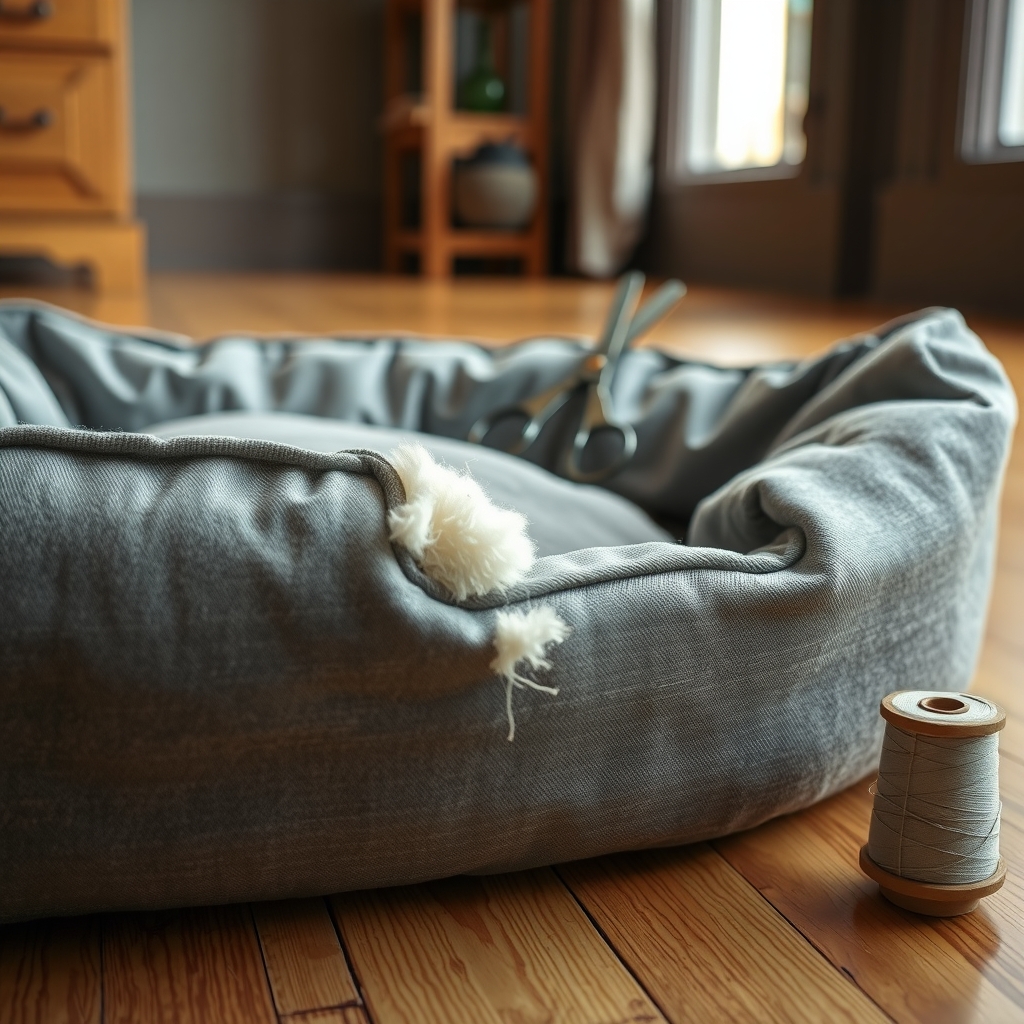
A torn cover does not mean a dead bed. Sew a clean tear in 15 minutes, or press on a patch when the fabric has shredded.
By Jamilur Rahman Updated November 5, 2026 · 6 min read
- Time
- 30 min
- Cost
- Under $20
- Difficulty
- Easy
In this guide
Quick answer
To fix a ripped dog bed, push the stuffing back in and sew a clean tear shut with strong thread and small stitches. For a hole in a dog bed where fabric is missing or shredded, press or sew a heavy-duty patch over it from the inside. The patch is the faster fix and holds across a gap that thread cannot pull together. If your dog is swallowing the stuffing, fix the rip and find out why they chew.
Free fix vs. permanent fix
Sew the tear shut
- Push loose stuffing back in and trim ragged threads
- Sew with doubled strong thread and small stitches
- Go over the seam twice and knot it well
- Keep your dog off the bed for a day if you can
How long it lasts: Weeks to months on a clean tear. It pulls out again if the fabric around it is frayed or your dog digs at it.
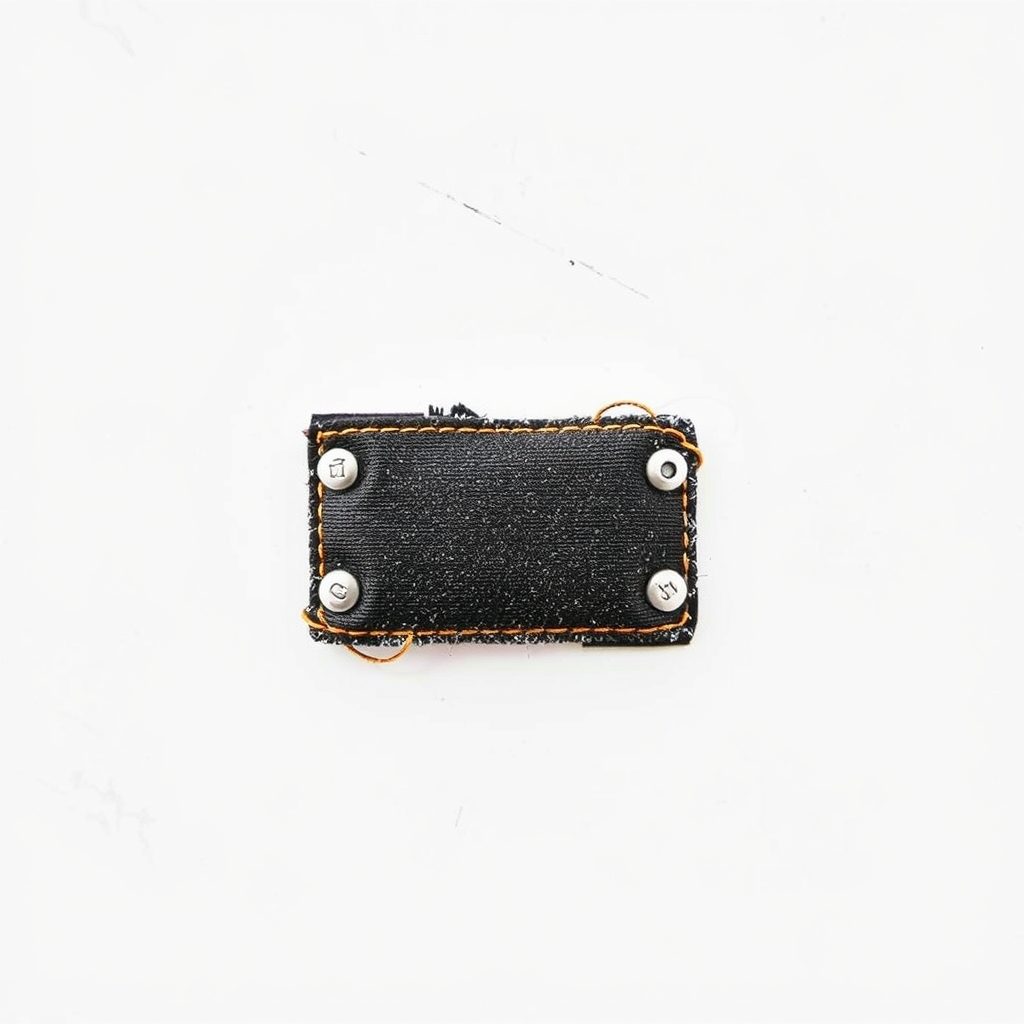
Heavy-duty iron-on patches
Thread cannot close a hole where fabric is missing, and stitches tear out of frayed edges. A patch spreads the strain over a wide area of sound fabric, so the repair does not pull through. Iron-on takes minutes, and a line of stitching around the edge locks it in against digging.
What to get: Heavy-duty iron-on fabric repair patches
How long it lasts: Months to years on heat-safe fabric. A patch that is also stitched around the edge lasts longest.
As an Amazon Associate I earn from qualifying purchases.
What you'll need
-
Needle and heavy thread
Upholstery or quilting thread is stronger than all-purpose
You have it -
Scissors
To trim threads and cut the patch
You have it -
Iron and a pressing cloth
A thin cotton cloth keeps heat off the cover
You have it - Our pick Illustration
Heavy-duty iron-on fabric patches
Pick a color close to your cover
- Illustration
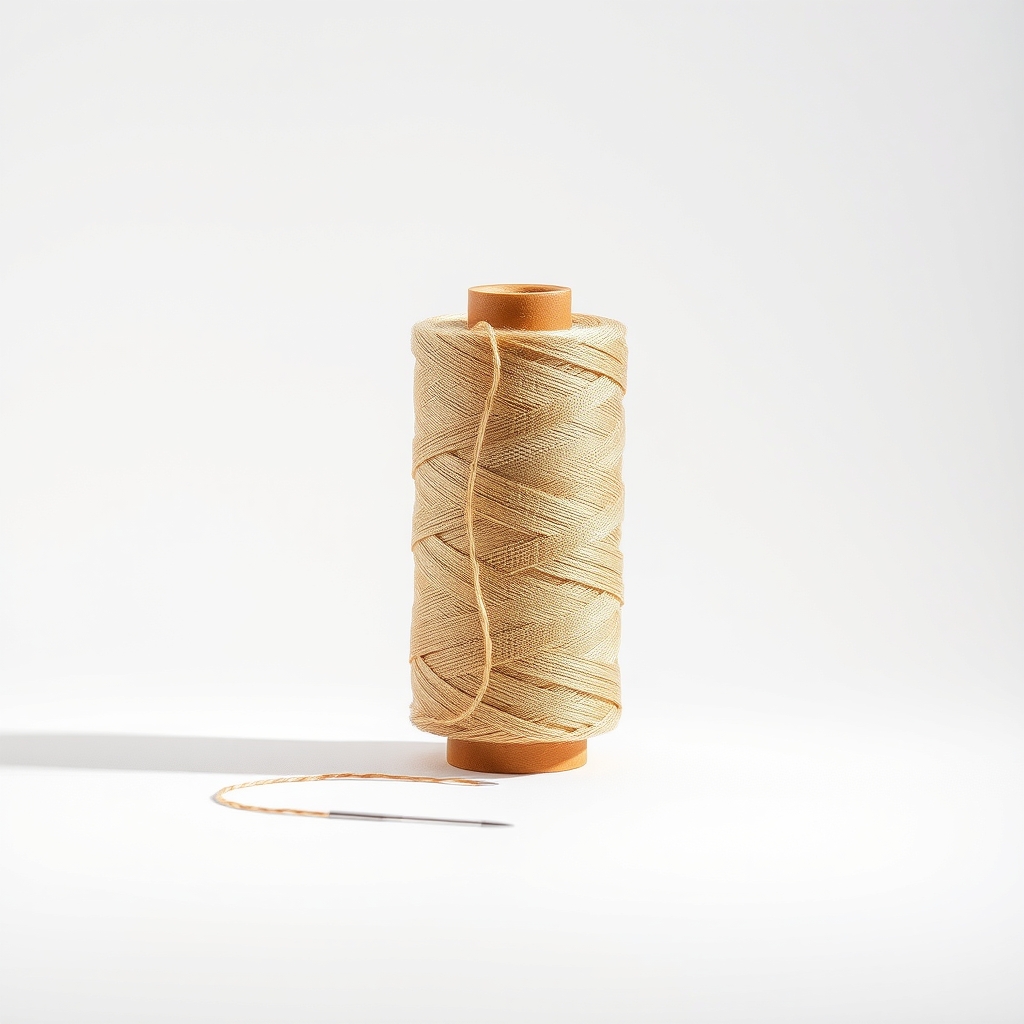
Heavy-duty upholstery thread and curved needle
Stronger stitches for a split seam
Why it happens
Chewing or digging at the seams
Dogs paw and dig to make a nest, and the seams take the strain, especially at the corners. Thread gives out before the fabric does.
Boredom, teething or anxiety
Puppies chew while teething, and some adult dogs chew when bored or anxious. If your dog chews the bed on purpose, a repair is a stopgap.
Worn, thin fabric
Years of washing thin the cover. A small tear grows into a big one because the fabric around it is already weak.
Seams under strain
A heavy dog flopping down squeezes the filling against the seams. Overstuffed beds put even more pressure on the stitching.
Try this first (free)
Do these in order, starting with the simplest.
-
1. Check what your dog has pulled out
Look at the stuffing or foam and see how much is missing. If your dog may have swallowed some, call your vet if they vomit, stop eating or seem sore. Fix the rip once the filling is accounted for.
-
2. Remove the cover and wash it
If the cover unzips, take it off the insert so you can work on the inside. Wash and dry it first. Patches and thread hold better on clean fabric.
-
3. Trim the tear
Tool used: ScissorsSnip loose threads and straighten ragged edges. For a hole, cut it into a neat shape with rounded corners so it will not keep ripping.
-
4. Sew a clean tear
Tool used: Needle and heavy threadUse doubled thread and small, close whip stitches about 1/8 inch apart from one end to the other. Knot it every few inches, then go back over it.
-
5. Cut a patch for holes
Tool used: Heavy-duty iron-on fabric patchesCut a patch at least 1 inch larger than the hole on every side, with rounded corners. Lay it over the hole on the wrong side of the fabric, with a flat board inside.
IllustrationCheck price on AmazonTool for this step
Heavy-duty iron-on fabric patches · Pick a color close to your cover
-
6. Press, cool and test
Tool used: Iron and a pressing clothPress with a hot iron through a thin cloth, as the patch instructions say, then press the front too. Let it cool, tug it gently, and sew around the edge if your dog digs. Wait the time on the pack before washing.
When free fixes aren't enough
Stitching works on a clean tear. It will not close a hole where fabric is missing, and it will not hold when the surrounding fabric is thin and frayed, because the thread pulls straight through. That is when a patch helps: it adds sound fabric across the gap. Patches have limits too. If the foam inside is crumbling, flat or soaked with odor, the bed is done, patch or no patch. If your dog keeps going back to the same spot, you will be patching again, so look at why they chew.
Buy the fix
Still stuck after the free fixes? These are the products we would look at.
| Pick | Product | Fixes | Who it's for | Buy |
|---|---|---|---|---|
| Best pick | Heavy-duty iron-on fabric repair patches | holes and torn fabric that stitching cannot close | Owners with a hole or a shredded edge, or anyone who wants a quick repair without sewing. | Check price |
| Budget pick | Heavy-duty upholstery thread and curved needle | split seams and clean tears | Anyone comfortable with a needle who has a split seam, not a hole. | Check price |
Heavy-duty iron-on fabric repair patches
Fixes: holes and torn fabric that stitching cannot close
Look for: Made for heavy fabric such as canvas, denim or upholstery; Big enough to overlap the hole by an inch all around; An adhesive layer rated to survive washing; A color close to your cover.
- Who it's for
- Owners with a hole or a shredded edge, or anyone who wants a quick repair without sewing.
- Honest downside
- Your cover is waterproof, or made of nylon, vinyl or velour that can melt under an iron. Use a sew-on patch or thread.
Heavy-duty upholstery thread and curved needle
Fixes: split seams and clean tears
Look for: Bonded nylon or polyester thread, thicker than all-purpose; Curved needles in a few sizes; A thimble or grip for thick fabric.
- Who it's for
- Anyone comfortable with a needle who has a split seam, not a hole.
- Honest downside
- You have a hole with missing fabric. Thread alone will not hold, so use a patch.
As an Amazon Associate I earn from qualifying purchases. We don't show prices because they change, so use the button to see today's price.
How we picked: How we picked: this page is based on sewing and fabric-repair guides, patch maker instructions, pet-safety advice on swallowed stuffing, and what dog owners report in reviews. We do not test products by hand.
Check the fabric before you iron
Cotton, canvas, denim and many polyester covers can take medium heat. Nylon, vinyl, waterproof liners and velour can melt or leave a shiny mark. Check the care label, test on a hidden corner and use a pressing cloth. If you are unsure, use a sew-on patch or stitch it.
Stitch, patch or replace? A quick guide
- Split seam, clean edges: stitch it.
- Hole or shredded edge: patch it from the inside.
- Thin fabric everywhere: patching one spot will not last. Think about a new cover.
- Crumbling or flat foam: replace the bed.
What to skip
Super glue and duct tape
Glue goes stiff and cracks, and tape peels in the wash. Both leave sharp or sticky edges your dog can lick or chew. Stitch or patch instead.
Frequently asked questions
How do I fix a hole in a dog bed?
Can I fix a ripped dog bed without sewing?
What if my dog ate the stuffing?
When should I replace the dog bed instead?
Related problems
 Free fix inside
Pets · Dog Bed
Dog Bed Not Chewable: Beds That Survive Heavy Chewers
Read the fix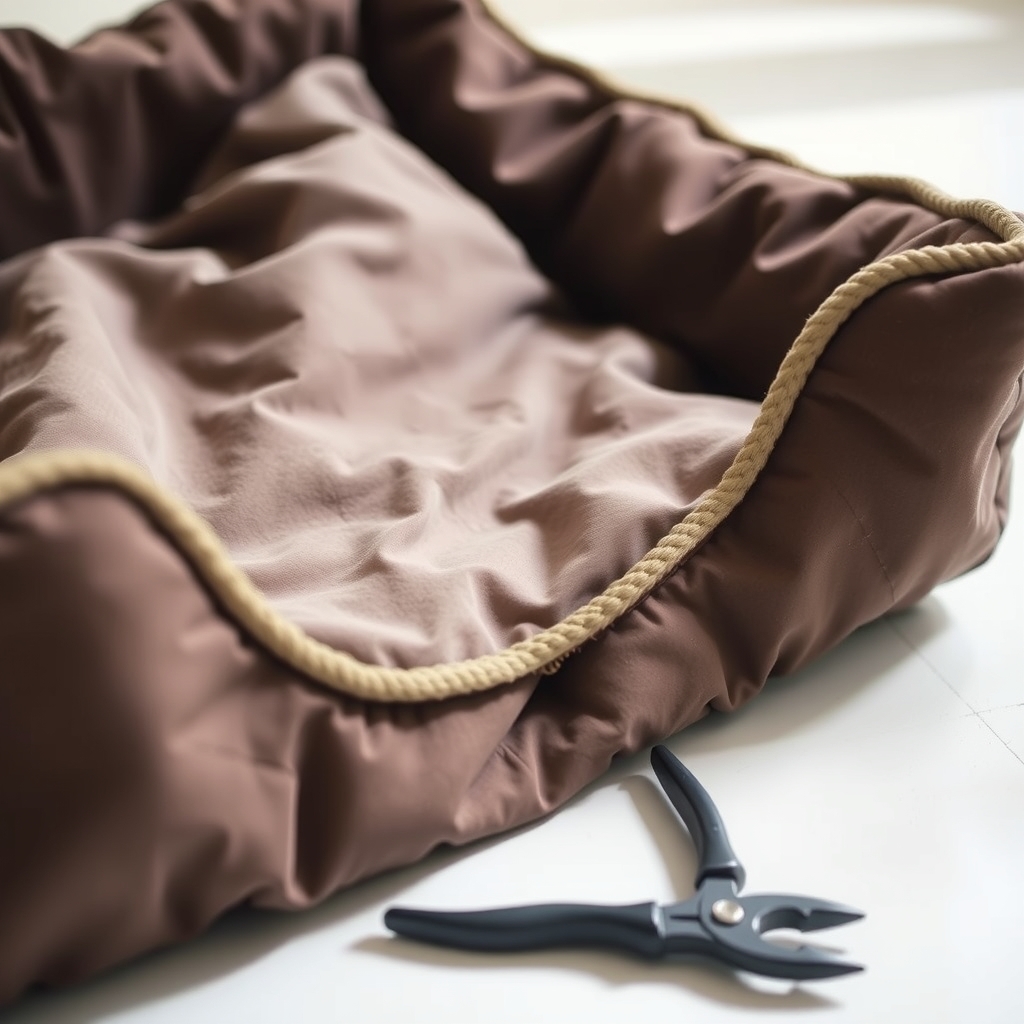 Free fix inside
Pets · Dog Bed Repair
Dog Bed Zipper Broke? Fix It Without Sewing a New Cover
Read the fix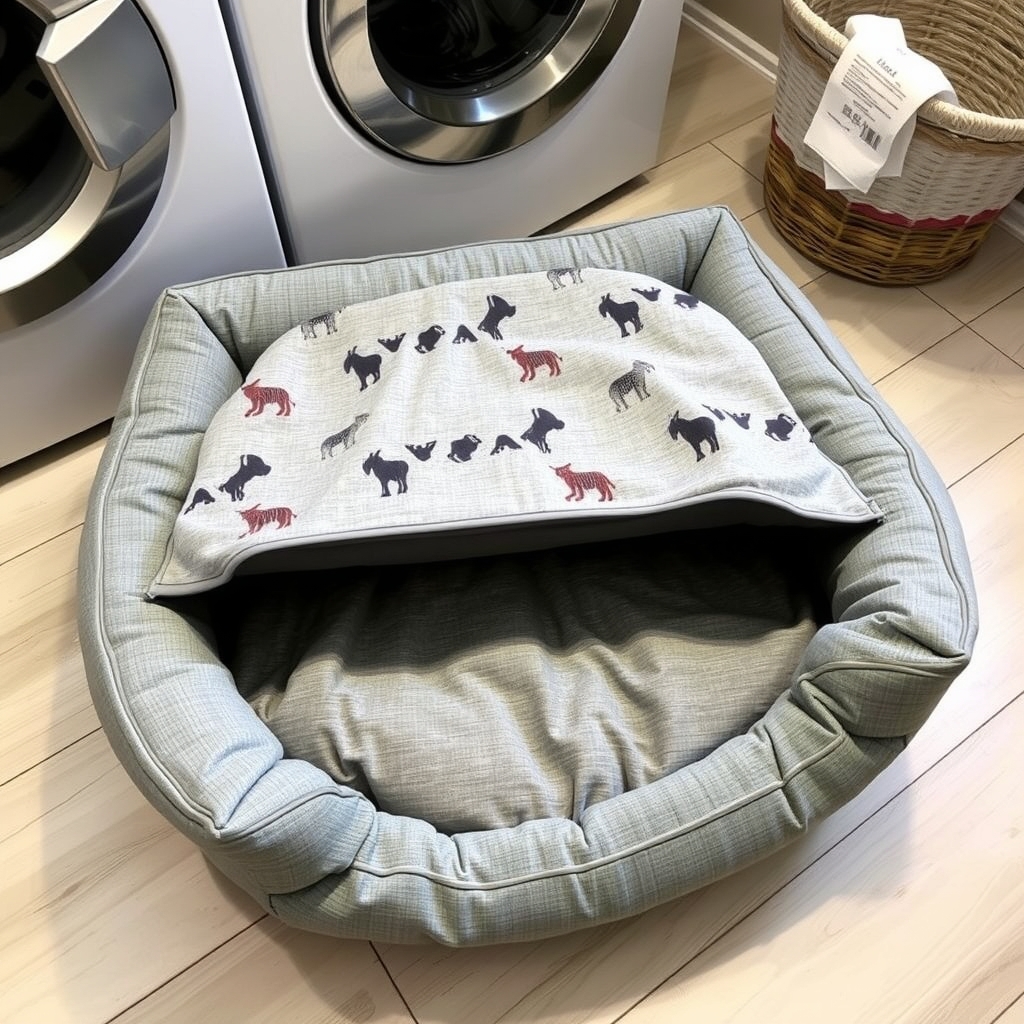 Free fix inside
Pets · Dog Bed
Dog Bed Smells After Washing? Why the Funk Survives the Cycle
Read the fix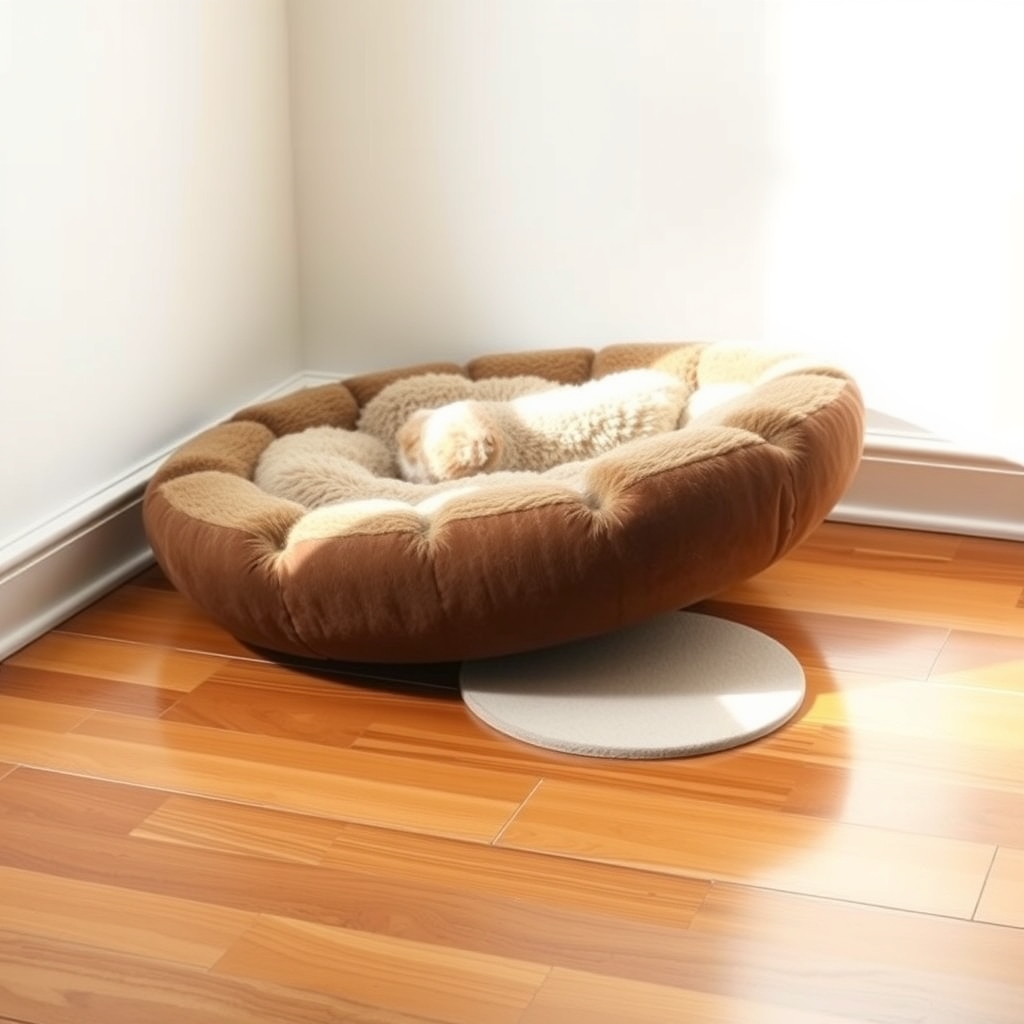 Free fix inside
Pets · Dog Bed
Dog Bed Sliding on Wood Floors? A Grip Pad Fixes It
Read the fixAs an Amazon Associate I earn from qualifying purchases. Affiliate disclosure