Dog Bed Not Chewable: Beds That Survive Heavy Chewers
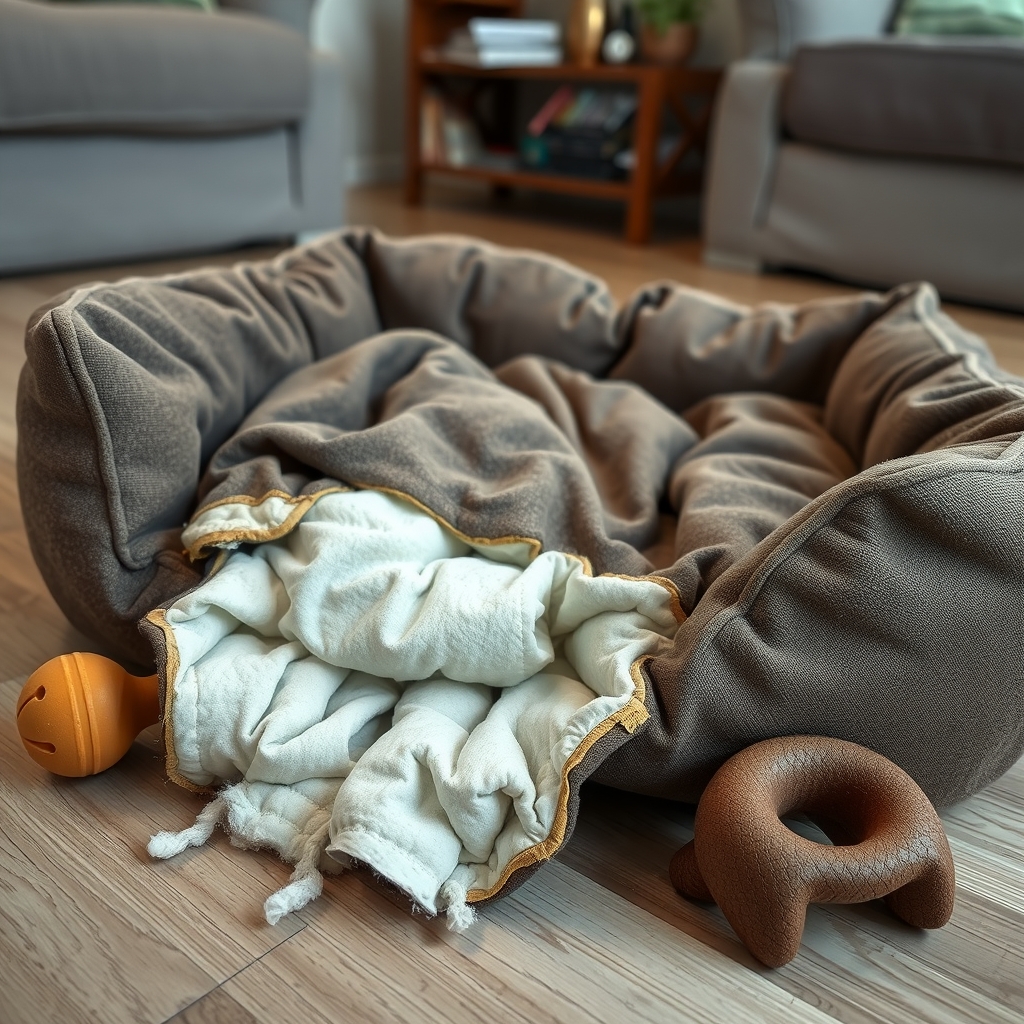
A bed with stuffing and a zipper is a toy to a chewer. Cut the urge first, then switch to a bed with nothing to rip open.
By Jamilur Rahman Updated November 5, 2026 · 8 min read
- Time
- 15 min
- Cost
- $50-$150
- Difficulty
- Easy
In this guide
Quick answer
Dogs chew beds because of teething, boredom, extra energy or stress, and soft stuffing, loose seams and zippers make it easy. Burn off energy before bedtime, give a better chew, and take the bed away when you cannot watch. If your adult dog still tears it up, the fix that lasts is a bed made of tough woven fabric, or a cot with no stuffing at all. No bed is truly chew-proof, but some give a determined chewer far less to grab.
Free fix vs. permanent fix
Burn energy, swap the chew, and patch the damage
- Walk or play hard for 20 to 30 minutes before the bed is out
- Give a tough rubber chew toy so the bed is not the best option
- Take the bed away when nobody is watching
- Patch small tears early; throw away a bed with foam or stuffing showing
How long it lasts: It works well for puppies and bored dogs, because the habit often fades. A dog that chews out of habit or stress may keep going and find the next weak seam.
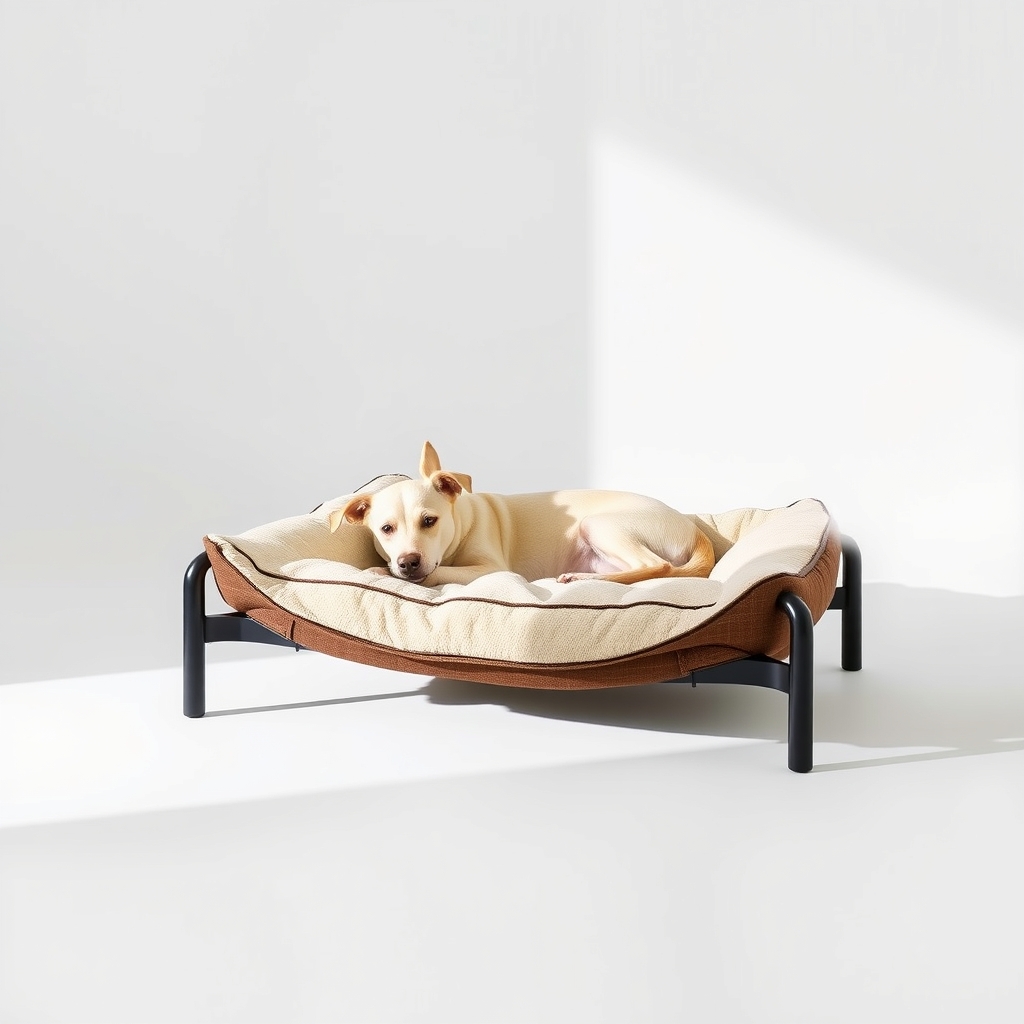
A chew-resistant elevated cot-style bed
Most beds fail at a seam, a zipper or a stuffed edge. A cot stretches tough fabric over a frame, so there is no stuffing to pull out and no seam in the middle of the sleeping surface. It cuts the damage, though a dog determined to chew fabric can still do it.
What to get: Chew-resistant elevated dog bed
How long it lasts: Years for most dogs. With no stuffing, no zipper and no edge to pull, the bed gives a chewer little to get started on.
As an Amazon Associate I earn from qualifying purchases.
What you'll need
-
Old blanket or towel
A cheap stand-in while you work on the habit
You have it -
Needle and heavy-duty thread
Upholstery or nylon thread holds a repair better than ordinary thread
You have it - Illustration
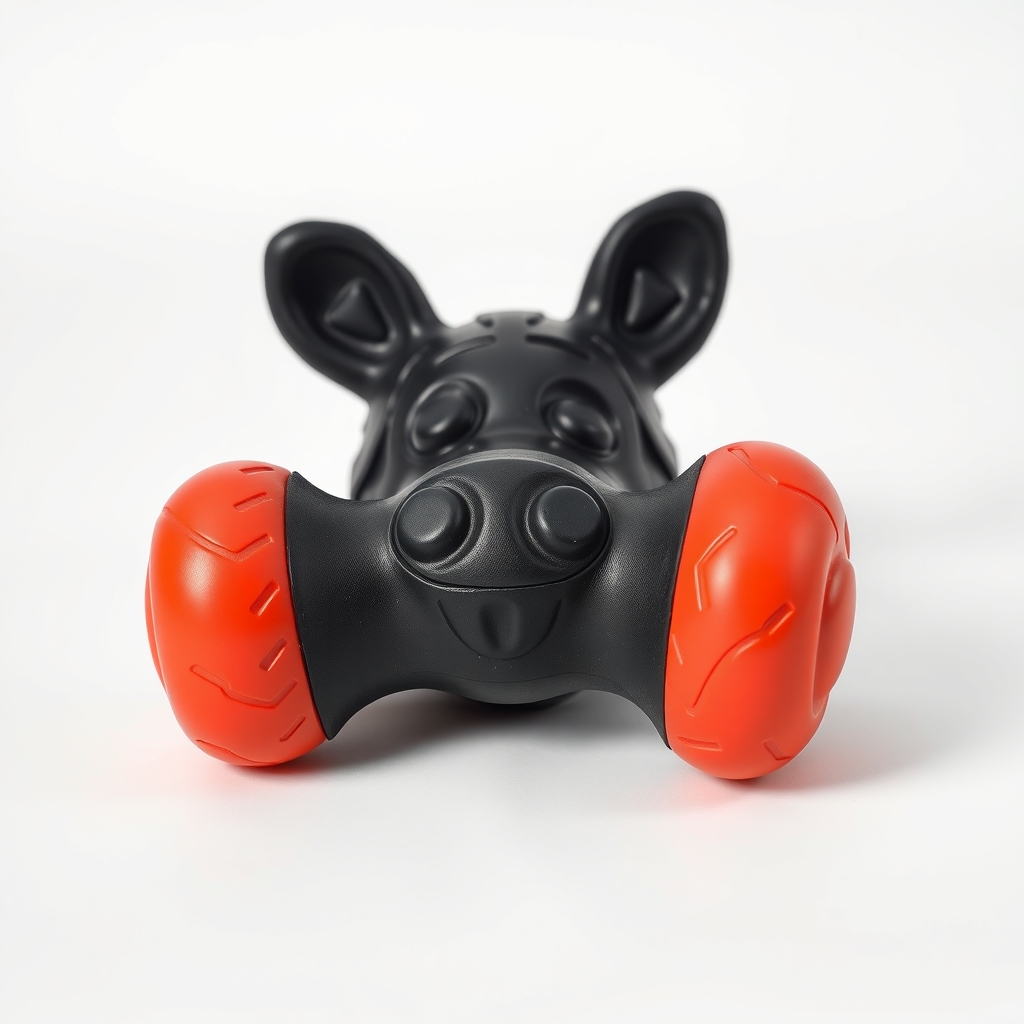
Tough rubber chew toy
Give the dog a better target than the bed
- Illustration
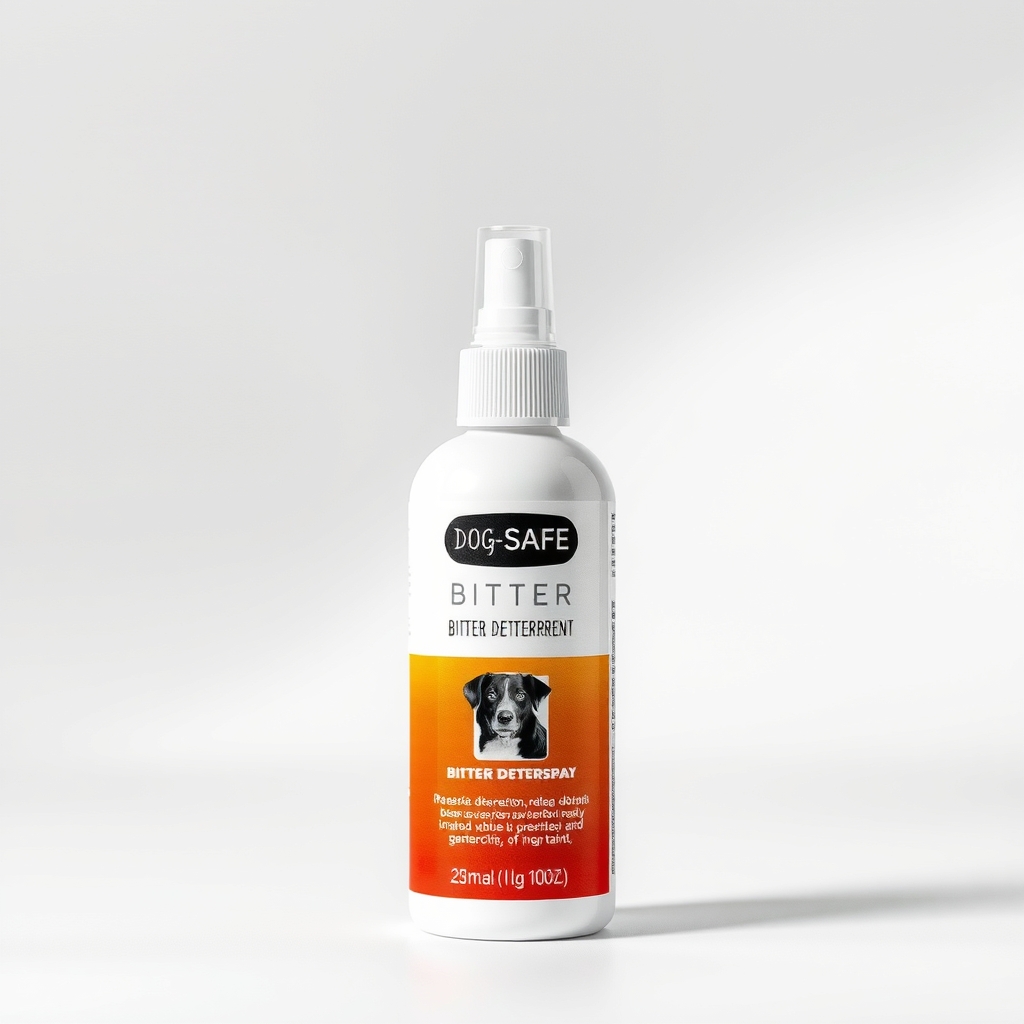
Dog-safe bitter deterrent spray
Test a spot on the fabric first, and use it with training, not on its own
- Our pick Illustration
Chew-resistant elevated dog bed
The lasting fix for a dog that keeps ripping beds
Why it happens
Teething and chewing as a puppy
Puppies chew while their adult teeth come in, often until around six to eight months. A soft bed is an easy target. This phase passes, but it can cost you a bed or two.
Boredom or too little exercise
A dog with spare energy chews what is nearby. The bed is soft and near where the dog sleeps, so it gets picked.
Anxiety or being left alone
Some dogs chew when they are stressed, especially when you leave. If the chewing happens only when you are out, that points to anxiety rather than play.
A weak spot to grab
A zipper tab, a loose thread or a stuffed seam gives a dog a spot to start. Once one thread comes loose, the rest unravels fast.
Try this first (free)
Do these in order, starting with the simplest.
-
1. Take the damaged bed away today
Tool used: Old blanket or towelSwallowed stuffing or foam can block a dog's gut. Remove a chewed bed and use an old blanket in the meantime. Vomiting, not eating, belly pain or no stool after a dog has eaten fabric means a vet visit the same day.
-
2. Burn energy before bed
A brisk 20 to 30 minute walk or a game of fetch before the bed is out helps. A tired dog chews less. Add a short sniff walk in the evening for a dog that is bored.
-
3. Offer a better chew
Tool used: Tough rubber chew toyGive a tough rubber toy when you put the bed down, and praise the dog for chewing it. Rotate toys so they stay interesting. Pick a size that is too big to swallow.
IllustrationCheck price on AmazonTool for this step
Tough rubber chew toy · Give the dog a better target than the bed
-
4. Patch small tears right away
Tool used: Needle and heavy-duty threadFor a small tear, stitch it closed with heavy thread in two rows, or sew a denim or canvas patch over it. Tuck any stuffing back in first. Do not repair a bed that has foam chewed through.
-
5. Add a taste deterrent, and supervise
Tool used: Dog-safe bitter deterrent spraySpray a dog-safe bitter product on the edges and reapply as the label says. Say a calm, short word such as leave it when the dog starts to chew, and reward lying on the bed.
IllustrationCheck price on AmazonTool for this step
Dog-safe bitter deterrent spray · Test a spot on the fabric first, and use it with training, not on its own
When free fixes aren't enough
If your adult dog has chewed through two or more beds, the habit is probably set, and training takes weeks. A bed with stuffing, a zipper and soft seams will lose each time. A cot-style bed or a tough woven bed takes away what the dog was pulling at. If the chewing happens when you leave, talk to your vet or a trainer about anxiety, since a new bed will not fix that.
Buy the fix
Still stuck after the free fixes? These are the products we would look at.
| Pick | Product | Fixes | Who it's for | Buy |
|---|---|---|---|---|
| Best pick | Chew-resistant elevated dog bed | a dog that rips seams, zippers and stuffing out of soft beds | Dogs that tear up soft beds, and owners who want one tough bed that they can hose off. | Check price |
| Budget pick | 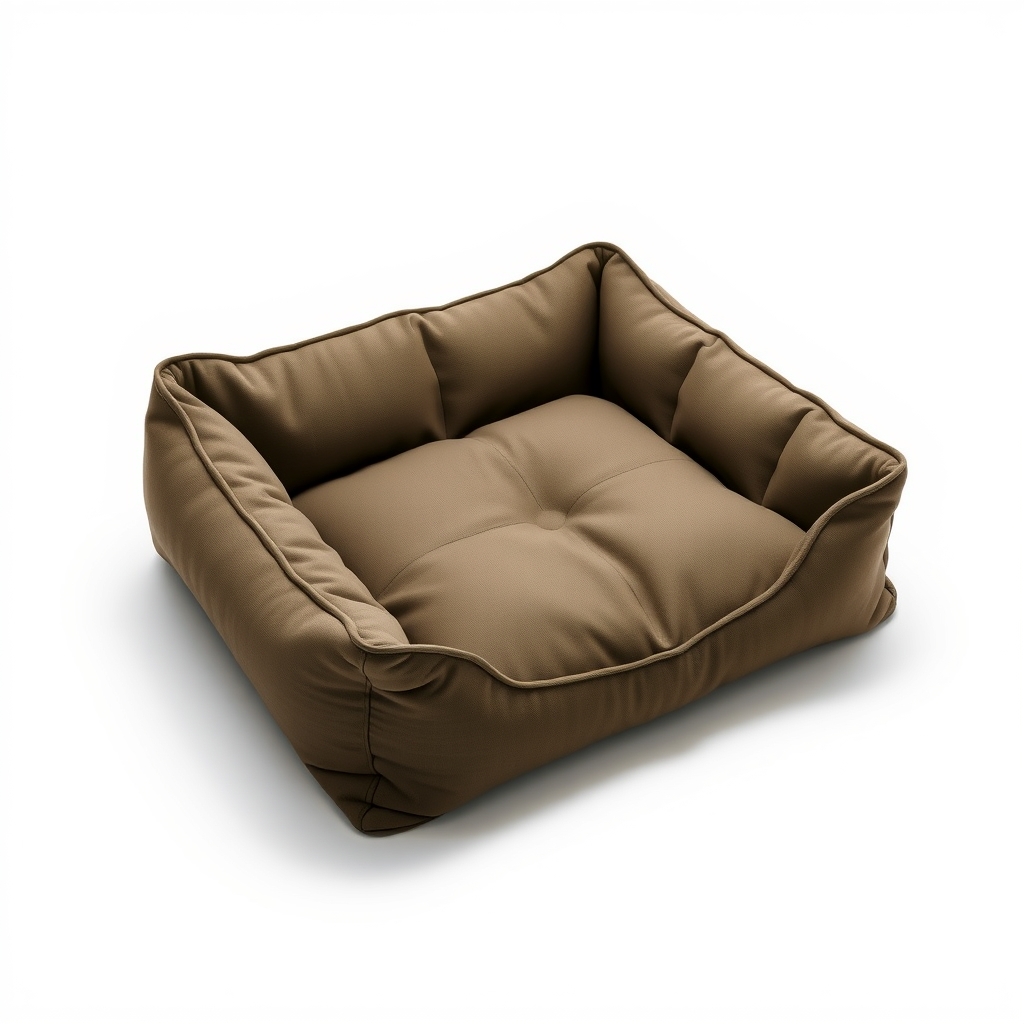 Tough-fabric flat dog bed with hidden zipper | easily torn fabric and an exposed zipper | Moderate chewers and teenage dogs, when you want a cushioned bed at a lower price. | Check price |
| Upgrade pick | 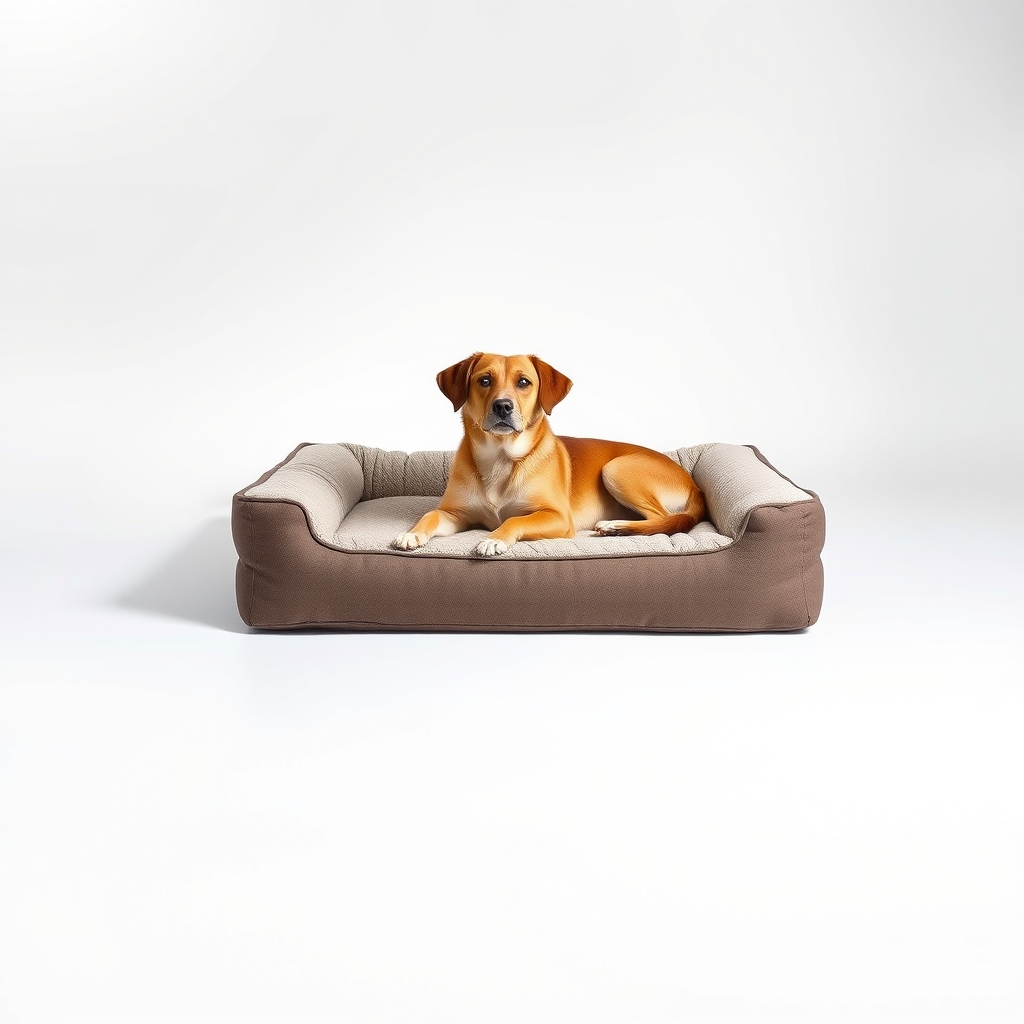 Orthopedic dog bed with a heavy-duty cover | chewing plus joint support for large or older dogs | Large or older dogs that chew a little but need a thick bed for hips and elbows. | Check price |
Chew-resistant elevated dog bed
Fixes: a dog that rips seams, zippers and stuffing out of soft beds
Look for: A steel or heavy-duty frame with no plastic parts a dog can pull off; Tough woven mesh or fabric stretched tight, with no stuffing; Frame feet that sit low or are covered so they are hard to bite; A weight limit above your dog's weight.
- Who it's for
- Dogs that tear up soft beds, and owners who want one tough bed that they can hose off.
- Honest downside
- Your dog is a senior or has sore joints and needs a thick cushion, or it chews the fabric and the frame feet itself. A cot is firm, and no cot is chew-proof.
Tough-fabric flat dog bed with hidden zipper
Fixes: easily torn fabric and an exposed zipper
Look for: Ripstop or ballistic-type nylon outer fabric with reinforced seams; A covered or hidden zipper, so there is no tab to grab; A removable cover for washing; Flat or low sides that are harder to bite than a stuffed bolster.
- Who it's for
- Moderate chewers and teenage dogs, when you want a cushioned bed at a lower price.
- Honest downside
- Your dog has already chewed through tough fabric. Soft bolster edges are the first place a determined dog starts.
Orthopedic dog bed with a heavy-duty cover
Fixes: chewing plus joint support for large or older dogs
Look for: A dense foam core with a tough, tight-woven cover; A zipper under a flap or at the base, not along the edge; A cover that comes off to wash or replace.
- Who it's for
- Large or older dogs that chew a little but need a thick bed for hips and elbows.
- Honest downside
- Your dog eats foam or fabric. Exposed foam is a swallowing risk, so choose a cot instead.
As an Amazon Associate I earn from qualifying purchases. We don't show prices because they change, so use the button to see today's price.
How we picked: How we picked: this page is based on veterinary and trainer guidance on chewing, repair basics, and the tear-through problems owners report in reviews of dog beds. We do not test products by hand.
Repair it or toss it?
- Repair: a clean tear in the cover, a loose seam, or one missing stitch line, and no foam showing.
- Toss: foam or stuffing chewed out, a torn zipper track, or a dog that has swallowed pieces.
- Not sure: if your dog has eaten fabric or foam, call a vet before you worry about the bed.
What chew-resistant actually means
A bed marked chew-resistant is built from tougher fabric with reinforced seams. That slows a chewer down, but a strong dog with time alone can still get through it. Match the bed to your dog: a tough cot for a serious chewer, tough fabric for a moderate one. If your dog tears every bed, watch for a pattern in when and where it happens.
What to skip
Chew-proof claims and spray-only plans
No bed is truly chew-proof, so treat the label as tougher, not unbreakable. A bitter spray alone rarely works either, because some dogs ignore the taste. Use it with exercise, a better chew and supervision.
Frequently asked questions
Is there a dog bed that is truly indestructible?
How can I fix a chewed dog bed?
Why does my dog only chew the bed when I leave?
Will my puppy outgrow chewing beds?
Related problems
As an Amazon Associate I earn from qualifying purchases. Affiliate disclosure