Puppy Boredom Fix: Puzzle Toys and Lick Mats That Wear Them Out
A bored puppy chews, barks and zooms. Short play and sniff walks help, and puzzle toys and lick mats cover the gaps when you cannot.
By Jamilur Rahman Updated November 5, 2026 · 6 min read
- Time
- 30 min a day
- Cost
- $20-$50
- Difficulty
- Easy
In this guide
Quick answer
To fix puppy boredom, give your puppy short bursts of play, a sniff walk and a few minutes of training each day, because mental work tires a puppy as much as running does. Then add a puzzle feeder and a lick mat for the times you cannot play, like a work call. They turn meals and treats into a job, which keeps a puppy busy and calmer.
Free fix vs. permanent fix
Play, sniff and train in short bursts
- Two or three short play sessions with tug or fetch
- A slow sniff walk once your vet says the vaccines allow it
- Five-minute training sessions
- Scatter the meal in a rolled towel instead of a bowl
How long it lasts: As long as you keep doing it. The gaps are the problem: when you work or cook, your puppy has nothing to do.
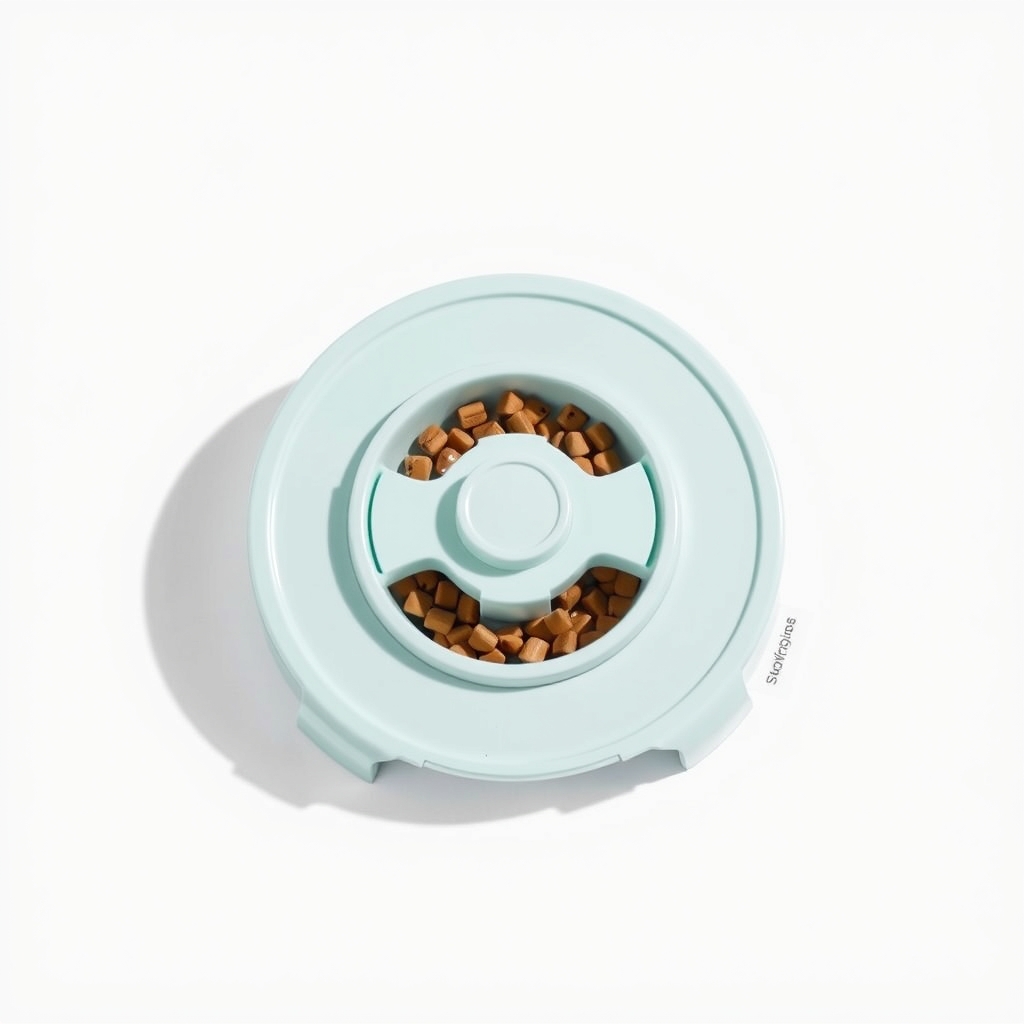
A beginner puzzle feeder
A puzzle feeder makes your puppy sniff, paw and think to get food, which tires the brain. Used at meals, it keeps a puppy busy without you, and a lick mat adds a calming lick-and-settle session. Both work while you are on a call.
What to get: Beginner puzzle feeder for puppies
How long it lasts: Months to years. You rotate toys and raise the difficulty as your puppy learns.
As an Amazon Associate I earn from qualifying purchases.
What you'll need
-
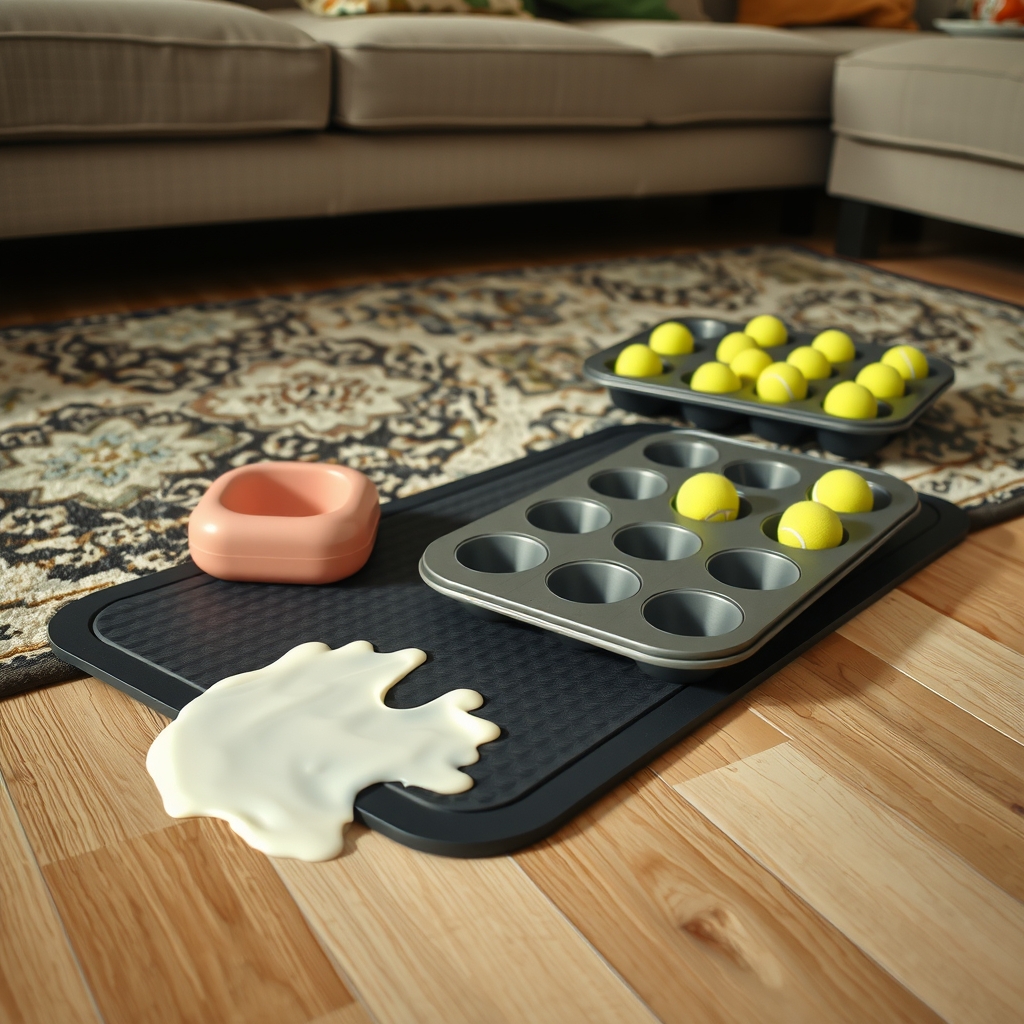
Muffin tin and tennis balls
Hide treats in the cups and cover them with balls
You have it -
Old towel
Roll kibble inside it for a sniff-and-unroll hunt
You have it -
Xylitol-free peanut butter or plain yogurt
Spread it on a lick mat. Check the label, since xylitol is toxic to dogs
You have it - Our pick Illustration
Beginner puzzle feeder
An easy first level, so your puppy wins early
- Illustration
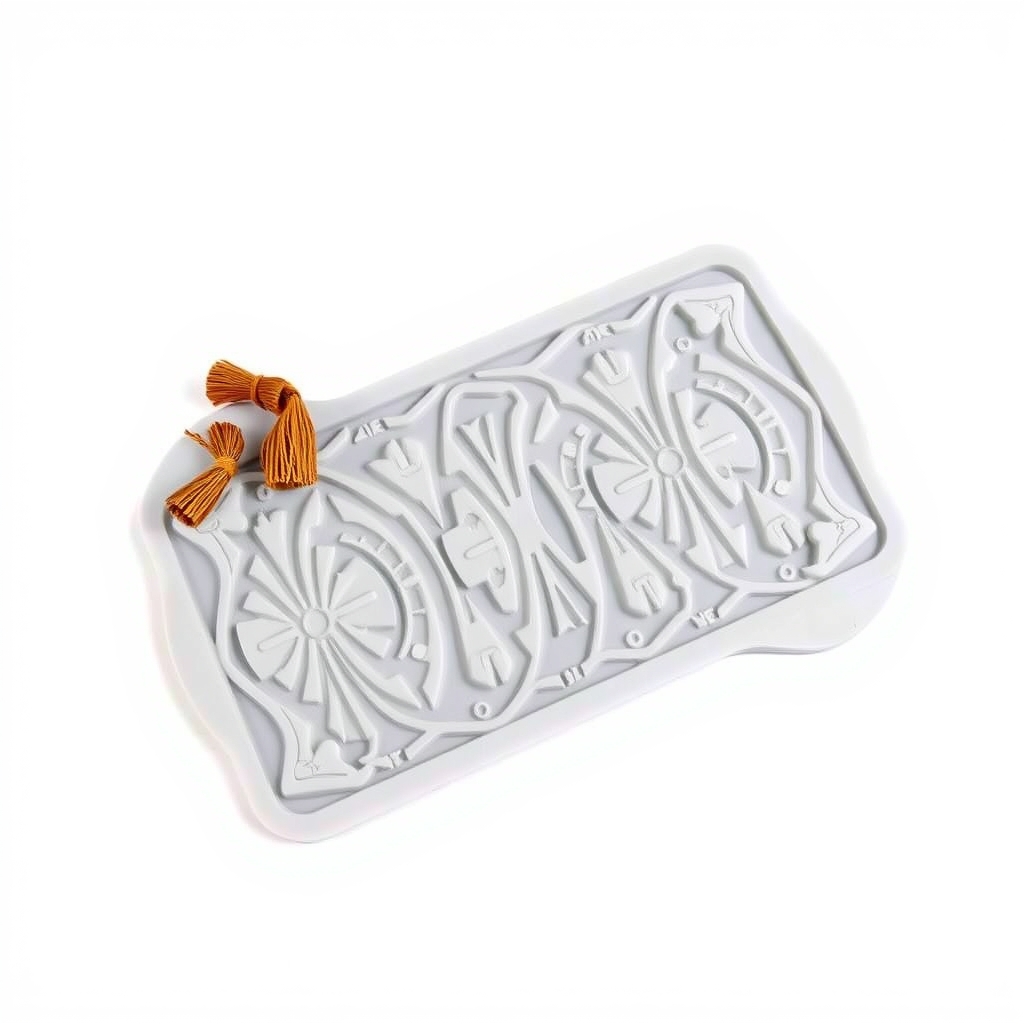
Lick mat
A calm-down tool for the busy hours
- Illustration
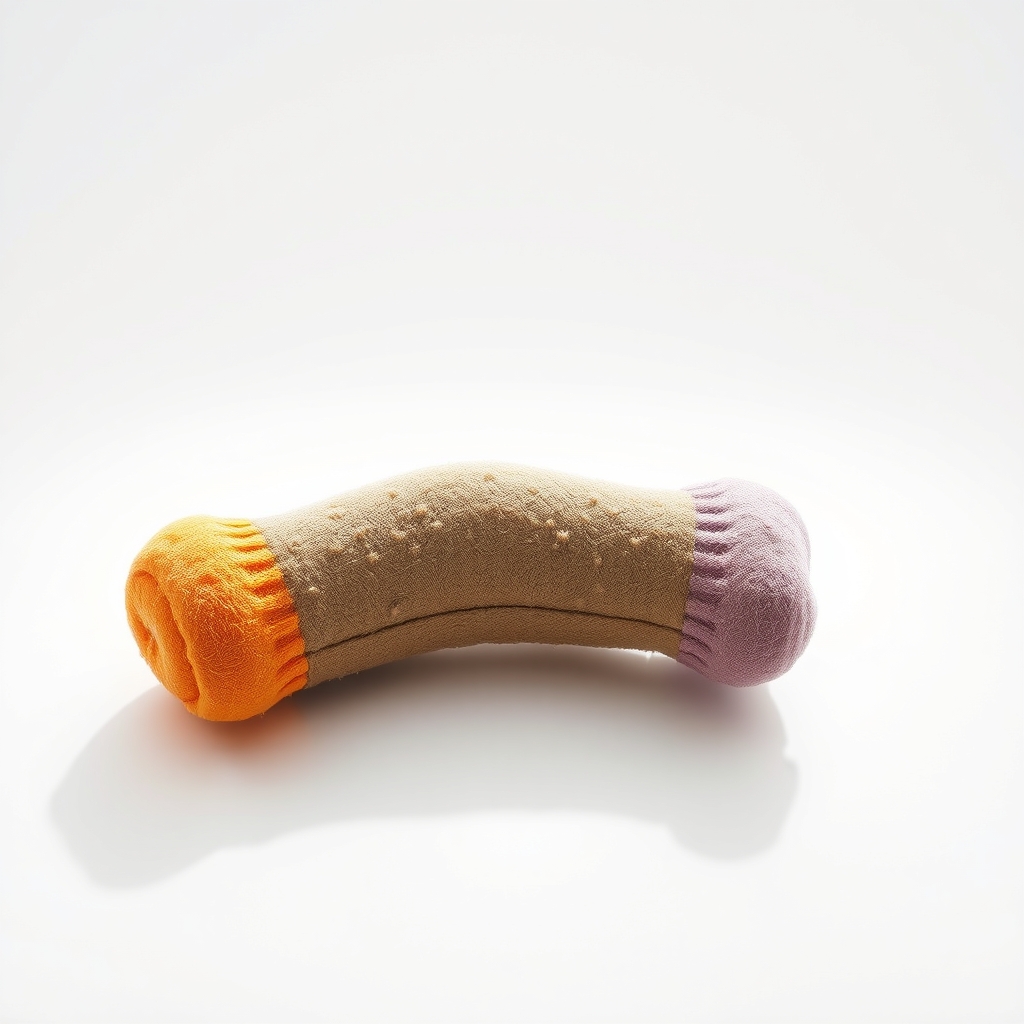
Stuffable rubber chew toy
Stuff and freeze for a long, safe chew
Why it happens
Not enough play or exercise
Puppies have a lot of energy and need short sessions of running, chasing and play every day.
Not enough brain work
A puppy can be walked and still be bored. Sniffing, training and puzzles tire the mind in a way running does not.
Long stretches alone
A puppy left in a pen or crate with nothing to do invents its own jobs, like chewing furniture, barking or shredding paper.
The same toys every day
Toys that sit on the floor all day lose their appeal. A new or rotated toy is far more interesting.
Try this first (free)
Do these in order, starting with the simplest.
-
1. Play in short bursts
Do two or three sessions of 5 to 10 minutes of tug, fetch or chase. Stop while your puppy still wants more. Avoid long runs on hard ground, since a puppy's joints are still growing.
-
2. Take a sniff walk
Let your puppy stop and sniff as long as they like, because sniffing is hard work. Ask your vet when vaccines allow outings. Until then, use your yard or a clean, safe space.
-
3. Train for five minutes
Teach sit, down and come with tiny treats. Several short sessions work better than one long one, and learning new things tires a puppy out.
-
4. Make mealtime a game
Tool used: Muffin tin and tennis ballsScatter kibble in a rolled towel, or hide treats in a muffin tin with tennis balls on top. Your puppy has to sniff, nudge and think to get lunch.
-
5. Start a lick mat session
Tool used: Lick matSpread a thin layer of plain yogurt or xylitol-free peanut butter on the mat. Licking is calming, which helps a wound-up puppy settle. Stay close the first few times.
IllustrationCheck price on AmazonTool for this step
Lick mat · A calm-down tool for the busy hours
-
6. Rotate toys and add a puzzle feeder
Tool used: Beginner puzzle feederKeep three or four toys out and swap them each week. Feed one meal a day from a beginner puzzle feeder, supervised at first.
IllustrationCheck price on AmazonTool for this step
Beginner puzzle feeder · An easy first level, so your puppy wins early
When free fixes aren't enough
Free games work, but they need you. If your puppy is destructive during your calls, cannot settle in the evening or pesters you nonstop, you need things that run without you. A beginner puzzle feeder gives your puppy a task, and a lick mat helps with calm. Supervise at first and take away any toy that is chewed into pieces. If the behavior looks like panic when you leave, with nonstop howling, drooling or trying to escape, it may be separation anxiety, and a trainer or vet can help.
Buy the fix
Still stuck after the free fixes? These are the products we would look at.
| Pick | Product | Fixes | Who it's for | Buy |
|---|---|---|---|---|
| Best pick | Beginner puzzle feeder for puppies | a puppy that needs a job between play sessions | Puppies that chew or bark when left to themselves, and owners who work from home. | Check price |
| Budget pick | Silicone lick mat for dogs | restlessness that settles with licking | Wound-up puppies, and owners who need a quick, low-cost calm-down tool. | Check price |
| Upgrade pick | Stuffable rubber chew toy | a puppy that is bored in the crate or pen | Puppies that need a long, safe chew. | Check price |
Beginner puzzle feeder for puppies
Fixes: a puppy that needs a job between play sessions
Look for: An easy first level, so your puppy wins early; Tough plastic or rubber with no small parts; A non-slip base; Easy to wash.
- Who it's for
- Puppies that chew or bark when left to themselves, and owners who work from home.
- Honest downside
- Your puppy chews hard plastic into pieces or guards food. Use it only when you can watch.
Silicone lick mat for dogs
Fixes: restlessness that settles with licking
Look for: Soft, food-grade silicone; Suction cups or a non-slip back; A textured surface that holds spread food; Dishwasher-safe.
- Who it's for
- Wound-up puppies, and owners who need a quick, low-cost calm-down tool.
- Honest downside
- Your puppy chews it up or swallows pieces. Take it away and stay with them next time.
Stuffable rubber chew toy
Fixes: a puppy that is bored in the crate or pen
Look for: A size your puppy cannot swallow; Tough rubber with no loose parts; A hole you can stuff and freeze.
- Who it's for
- Puppies that need a long, safe chew.
- Honest downside
- Pieces are coming off. Replace worn toys.
As an Amazon Associate I earn from qualifying purchases. We don't show prices because they change, so use the button to see today's price.
How we picked: How we picked: this page is based on puppy training and enrichment guidance from vets and trainers, product instructions from toy makers and what puppy owners report in reviews. We do not test products by hand.
A simple daily plan for a bored puppy
- Morning: a sniff walk, then breakfast from a puzzle feeder.
- Midday: a five-minute training session, then a nap.
- During your work call: a lick mat or stuffed toy in the pen.
- Evening: a play session, then a calm chew before bed.
What to skip
Marathon runs and small-part toys
Too much hard exercise can strain growing joints, and a fitter puppy then needs even more. Mental work tires a puppy better. Also skip toys with small removable parts and rawhide, which are choking hazards.
Frequently asked questions
How do I know if my puppy is bored?
How long should I play with my puppy every day?
Is peanut butter safe on a lick mat?
Can a puppy have too many puzzle toys?
When is puppy boredom really anxiety?
Related problems
 Free fix inside
Pets · Puppy
Puppy Biting Everything? Teething Chews That Save Your Hands
Read the fix Free fix inside
Pets · Puppy Crate
Dog Crate Whining? Calming Gear That Helps Puppies Settle
Read the fix Free fix inside
Pets · Dog Feeding
Dog Eating Too Fast? Slow Feeder Bowls That Actually Slow Them Down
Read the fix Free fix inside
Pets · Dog Toys
Dog Destroying Toys in Minutes? Tough Chew Toys Worth the Price
Read the fixAs an Amazon Associate I earn from qualifying purchases. Affiliate disclosure