Puppy Biting Everything? Teething Chews That Save Your Hands
Puppy biting is normal play and teething, not bad behavior. Redirect to a chew, pause play when teeth touch skin and keep safe chews within reach.
By Jamilur Rahman Updated November 5, 2026 · 6 min read
- Time
- A few minutes each day
- Cost
- Under $20
- Difficulty
- Medium
In this guide
Quick answer
How to stop puppy biting: it is normal play and teething, so you teach the puppy what is allowed to bite instead of punishing it. Swap your hand for a chew toy, pause play for a few seconds when teeth touch skin, and make sure your puppy gets plenty of naps. Safe teething chews give sore gums a better target than your hands.
Free fix vs. permanent fix
Redirect, pause and rest
- Hold a chew ready and trade it for your hand
- Stand up and pause play for 10 to 20 seconds when teeth touch skin
- Stop hand wrestling and use toys for play
- Give naps after every hour or two of activity
How long it lasts: Most puppies improve over a few weeks if the whole household is consistent. Mouthing eases as the adult teeth settle in.
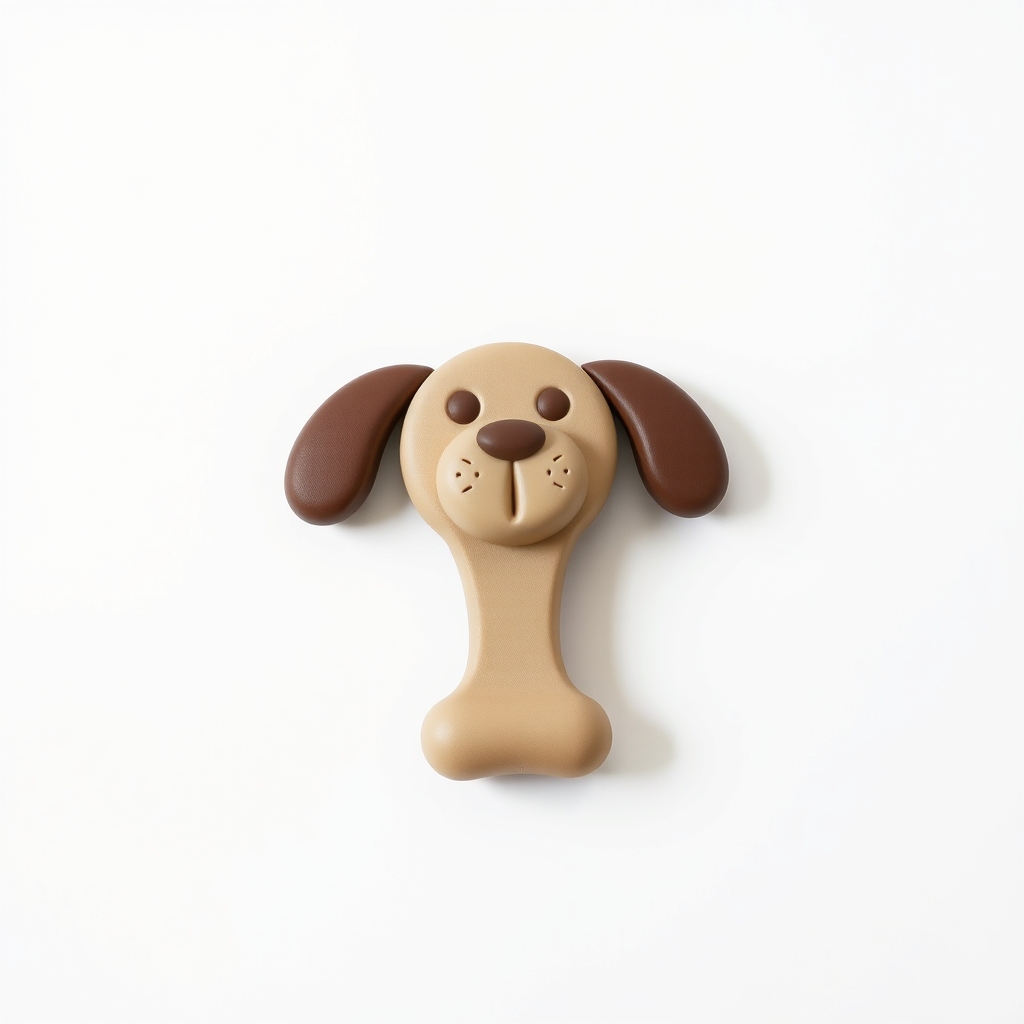
Soft rubber teething chew toys
Sore gums are a big reason puppies bite. A textured chew of the right size soothes them and gives the puppy a clear thing it is allowed to chew, so every swap teaches the same lesson.
What to get: Soft rubber puppy teething chew toys
How long it lasts: A toy lasts weeks to months, and the habit it builds lasts longer.
As an Amazon Associate I earn from qualifying purchases.
What you'll need
-
Small treats
Reward the puppy for taking a chew and for gentle mouths
You have it -
Frozen washcloth
Wet a clean cloth, twist it and freeze it. Supervise and toss it when it frays
Free - Our pick Illustration
Soft rubber puppy teething chew toys
Size them so they cannot be swallowed
- Illustration
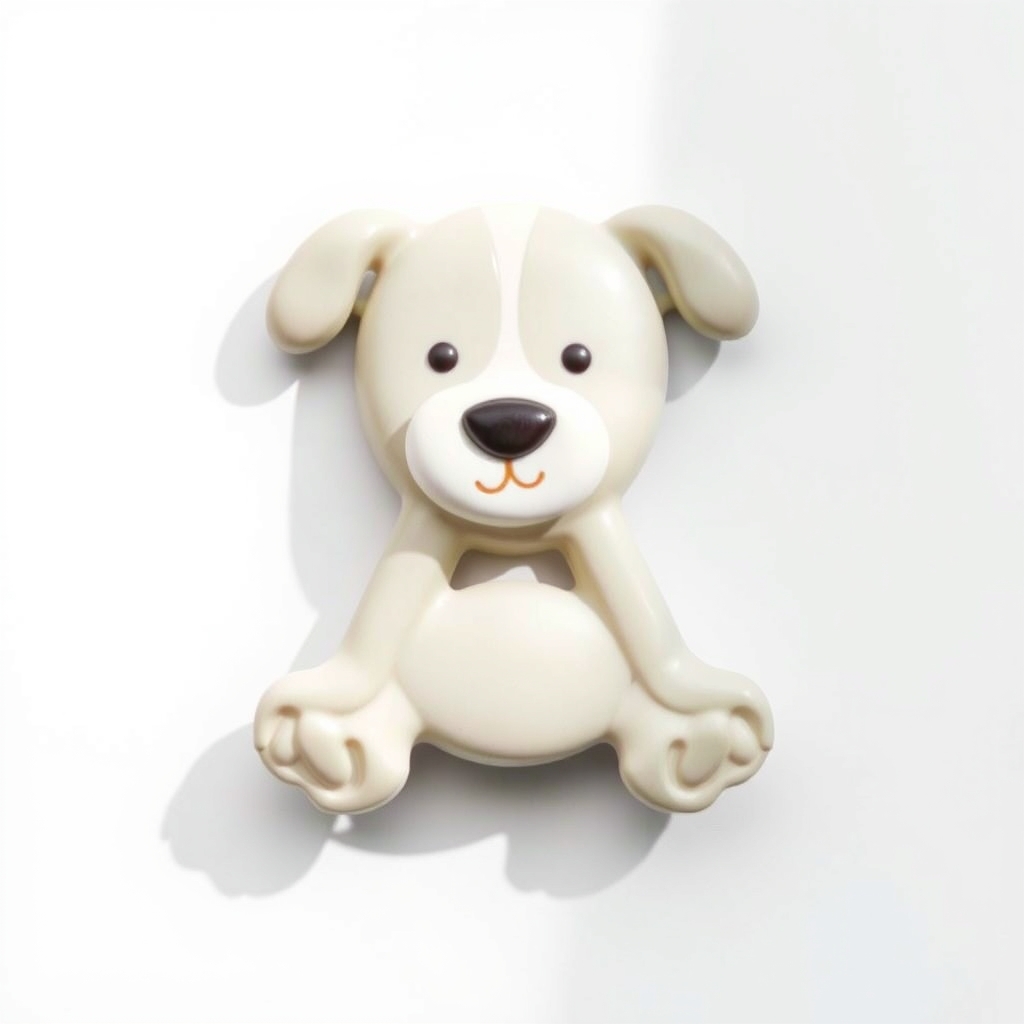
Freezable puppy teething toy
Cold relief for sore gums
- Illustration
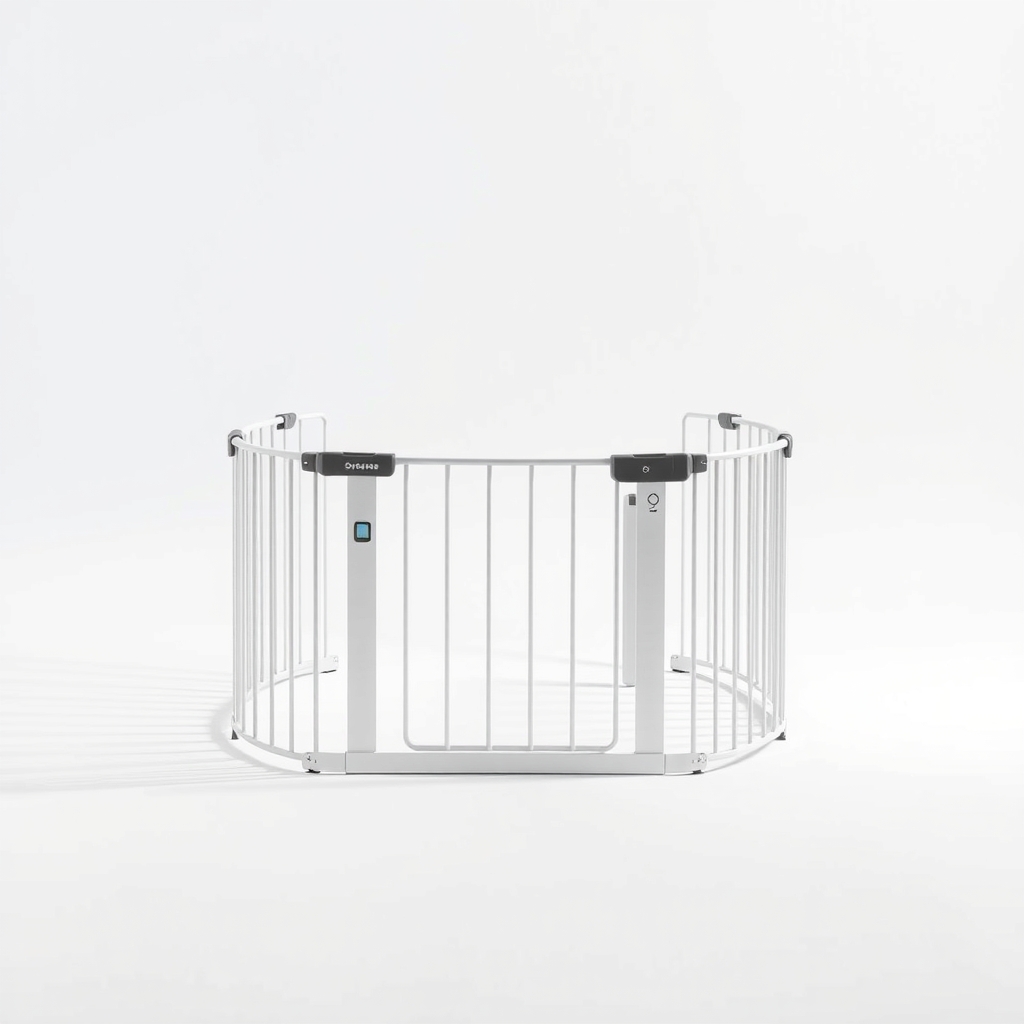
Exercise pen or baby gate
For short calm-down breaks, not for punishment
Why it happens
Teething
Puppies lose their baby teeth and grow adult teeth over the first several months. Their gums are sore, and chewing and biting feel good.
Exploring and play
Puppies learn about the world with their mouths and play with each other by mouthing. They do not know your skin is delicate, so you have to teach them.
Overtired and overexcited
Young puppies need a lot of sleep, often most of the day. A tired puppy gets wild, and the nipping gets worse in the evening.
Hands that turn into toys
Flapping hands, squealing and pulling away look like a game to a puppy. They make the puppy bite harder and more often.
No better outlet
A puppy with nothing good to chew will pick shoes, furniture and fingers. Chews, play and short training sessions give biting somewhere else to go.
Try this first (free)
Do these in order, starting with the simplest.
-
Keep a chew within reach
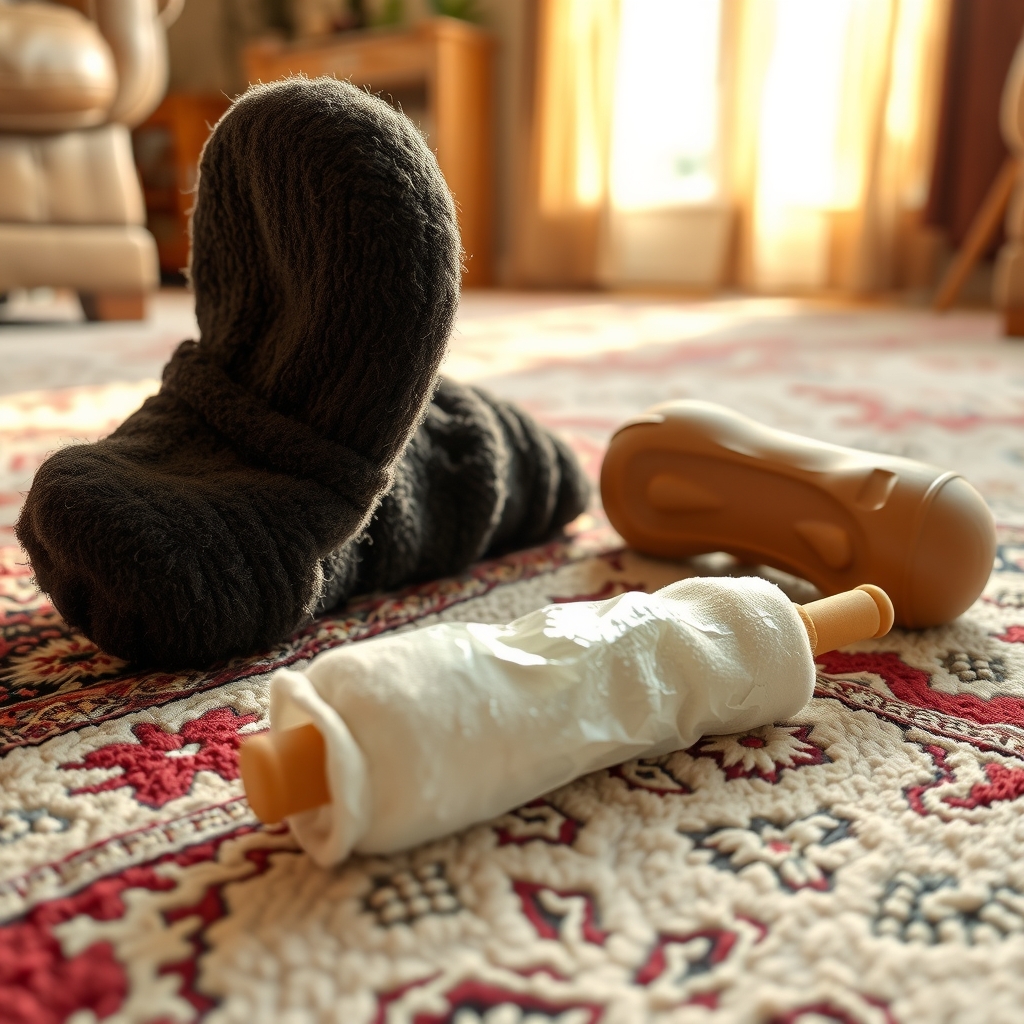
Tool used: Soft rubber puppy teething chew toysCarry a chew toy when you play. When teeth go toward your hand, lower it calmly, offer the chew and praise the puppy when it takes it.
IllustrationCheck price on AmazonTool for this step
Soft rubber puppy teething chew toys · Size them so they cannot be swallowed
-
Pause play when teeth touch skin
Say one calm 'ouch', stand up and turn away for 10 to 20 seconds. Come back and play again when the puppy settles. Do not shout, and do not pull your hand away fast.
-
Play with toys, not hands
Tool used: Small treatsUse fetch and tug toys so hands stay out of the game. End the game when the puppy gets too wild to listen.
-
Schedule naps and calm breaks
Tool used: Exercise pen or baby gateAfter an hour or two of activity, set the puppy down for a nap in a crate or pen with a chew. A rested puppy bites less.
IllustrationCheck price on AmazonTool for this step
Exercise pen or baby gate · For short calm-down breaks, not for punishment
-
Cool sore gums
Tool used: Frozen washclothOffer a frozen twisted washcloth for a few minutes. Watch the puppy and take the cloth away once it starts to fray.
When free fixes aren't enough
A chew will not fix biting by itself, because the redirecting and pausing is the training and the chew just makes it easier. If bites often break the skin, the puppy growls, stiffens or snaps when you take things away, or the biting gets worse after 6 months, ask your vet or a certified trainer for help. A vet should also check the mouth if the puppy seems to be in pain or if baby teeth are not falling out.
Buy the fix
Still stuck after the free fixes? These are the products we would look at.
| Pick | Product | Fixes | Who it's for | Buy |
|---|---|---|---|---|
| Best pick | Soft rubber puppy teething chew toys | biting caused by sore gums and nothing good to chew | Puppies in the teething stage that bite hands, shoes and furniture. | Check price |
| Upgrade pick | Freezable puppy teething toy | red, sore gums during peak teething | Puppies who chew harder when the gums are sore, or who like cold things. | Check price |
Soft rubber puppy teething chew toys
Fixes: biting caused by sore gums and nothing good to chew
Look for: Made for puppies, and big enough that it cannot be swallowed; Firm with some give, so you can dent it with a thumbnail; Textured for the gums, with no small parts that pull off.
- Who it's for
- Puppies in the teething stage that bite hands, shoes and furniture.
- Honest downside
- The toy is cracked or chewed down to small pieces. Throw it away and never leave a new chew unsupervised.
Freezable puppy teething toy
Fixes: red, sore gums during peak teething
Look for: Labeled as safe for freezing; Soft enough for sore gums; Easy for a puppy to hold and carry.
- Who it's for
- Puppies who chew harder when the gums are sore, or who like cold things.
- Honest downside
- The toy is hard when frozen. Test it by pressing, and do not give a toy that is as hard as a rock.
As an Amazon Associate I earn from qualifying purchases. We don't show prices because they change, so use the button to see today's price.
How we picked: How we picked: this page is based on veterinary and trainer guidance on puppy teething and mouthing, chew toy safety advice and the problems and fixes people report in owner reviews. We do not test products by hand.
Is this chew safe? Three quick checks
- Size: it should be too large to swallow whole, and big enough that the puppy cannot fit it all the way in the mouth.
- Hardness: press a thumbnail into it. If it will not dent, it may be too hard for young teeth.
- Condition: throw away chews that crack or break into small pieces, and watch your puppy with any new one.
Kids and a biting puppy
Squealing and running make puppies bite more. Have children sit on the floor, keep play calm, offer a toy instead of a hand and take a break when the puppy gets too excited. Always supervise a puppy with young children.
What to skip
Hard bones, antlers, shouting and holding the muzzle shut
Very hard chews can crack a puppy's teeth. Yelling, tapping the nose or holding the mouth shut can make a puppy scared of hands, and it often makes the biting worse. Redirect and pause instead.
Frequently asked questions
Why does my puppy keep biting me?
Puppy keeps biting even after I say ouch. What else works?
How to stop puppy nipping at my ankles and feet?
How to stop puppy from biting hands during play?
When does puppy biting stop?
Related problems
 Free fix inside
Pets · Puppy
Puppy Boredom Fix: Puzzle Toys and Lick Mats That Wear Them Out
Read the fix Free fix inside
Pets · Puppy Crate
Dog Crate Whining? Calming Gear That Helps Puppies Settle
Read the fix Free fix inside
Pets · Dog Toys
Dog Destroying Toys in Minutes? Tough Chew Toys Worth the Price
Read the fix Free fix inside
Pets · Dog Toys Buying
Dog Toys Not Made of Plastic: Natural Rubber and Rope Picks
Read the fixAs an Amazon Associate I earn from qualifying purchases. Affiliate disclosure