Dog Crate Not Wire? Plastic, Wood, and Soft Crates Compared
Wire crates rattle and look like cages. Compare plastic, wood and soft crates by who they suit, then match the size to your dog before you buy.
By Jamilur Rahman Updated November 5, 2026 · 7 min read
- Time
- 30 min
- Cost
- $50-$150
- Difficulty
- Easy
In this guide
Quick answer
If you want a dog crate not wire, a plastic airline-style crate is the best default: it is enclosed, quiet, easy to wipe clean and works at home and in the car. Wood crates suit furniture looks and soft crates suit calm, trained dogs. Measure your dog first, because a crate that is the wrong size is the real problem, whatever it is made of.
Free fix vs. permanent fix
Cover and soften the wire crate you have
- Drape a washable cover or sheet over three sides
- Leave one side open for airflow
- Put a padded mat and a blanket on the floor
- Pad the door latch with a folded cloth so it stops rattling
How long it lasts: Cuts down the rattle and the cage look today. The wire is still there, and a cover does not help with travel.
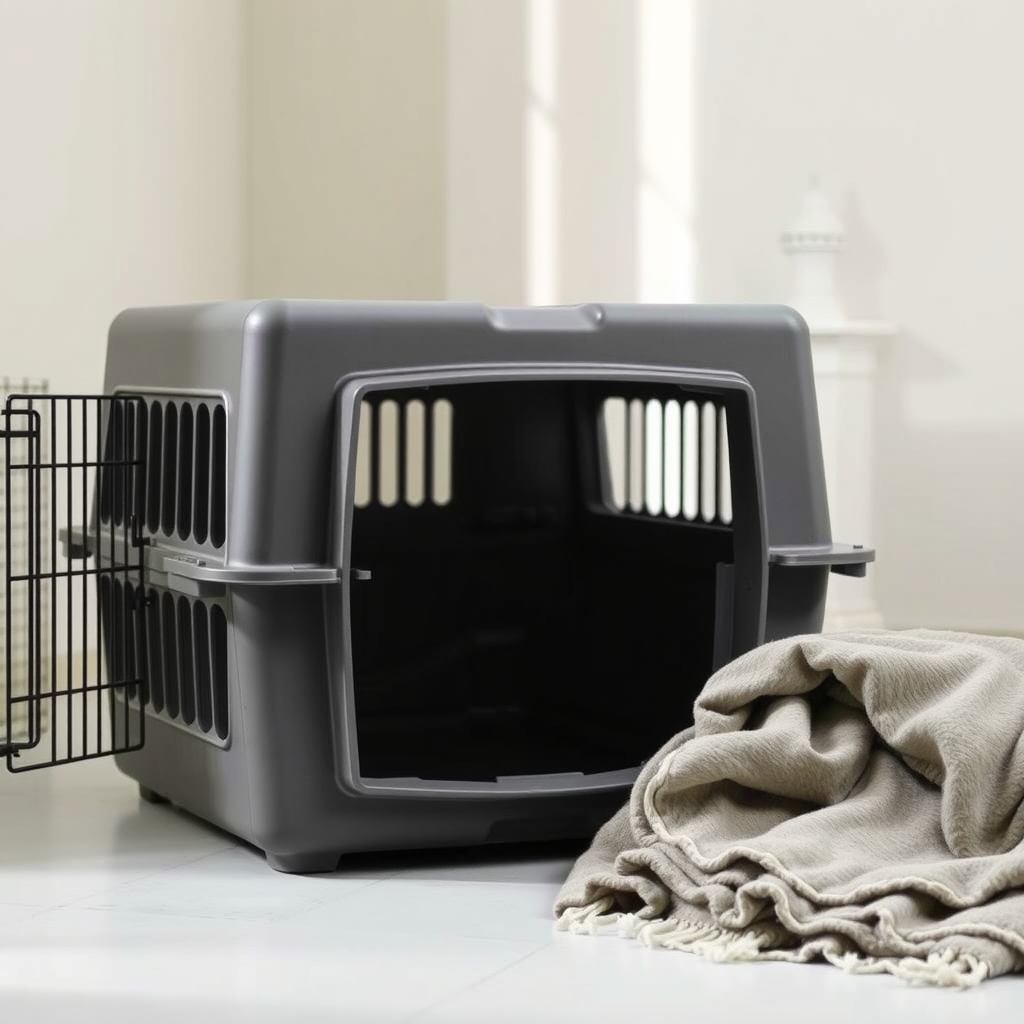
A plastic airline-style crate
A plastic crate has solid sides, so it feels like a den, it stays quiet when your dog moves and there is no wire for paws or collars to catch. It also suits car trips and, with the right model, air travel, which wire and soft crates often do not.
What to get: Plastic airline-style dog crate
How long it lasts: Many years. Hard plastic does not rust, rattle or bend easily, and the crate wipes clean.
As an Amazon Associate I earn from qualifying purchases.
What you'll need
-
Tape measure
Measure your dog's length and height before choosing a size
You have it -
Old blanket or sheet
A free cover for the crate you already own
You have it -
Treats and a favorite toy
To make any new crate a good place to be
You have it - Our pick Illustration
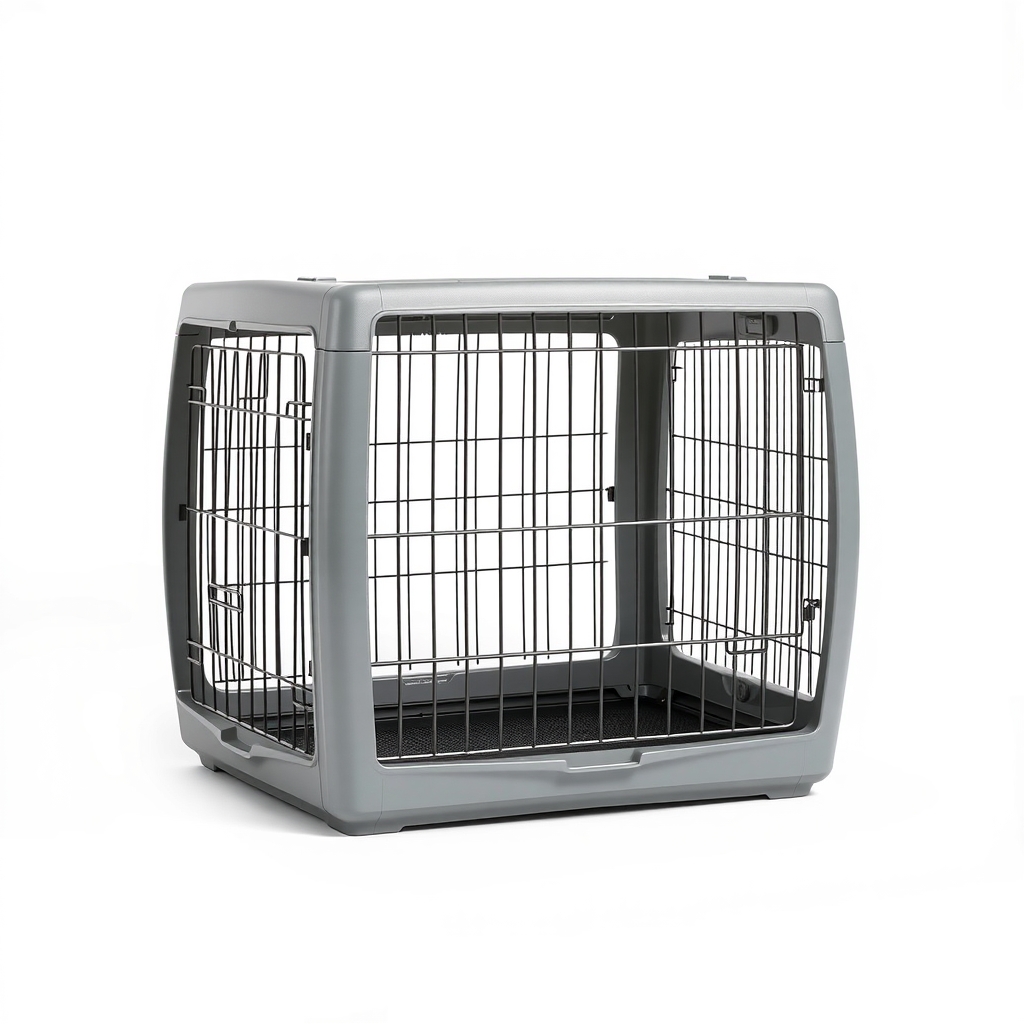
Plastic airline-style crate
Add a washable pad inside
- Illustration
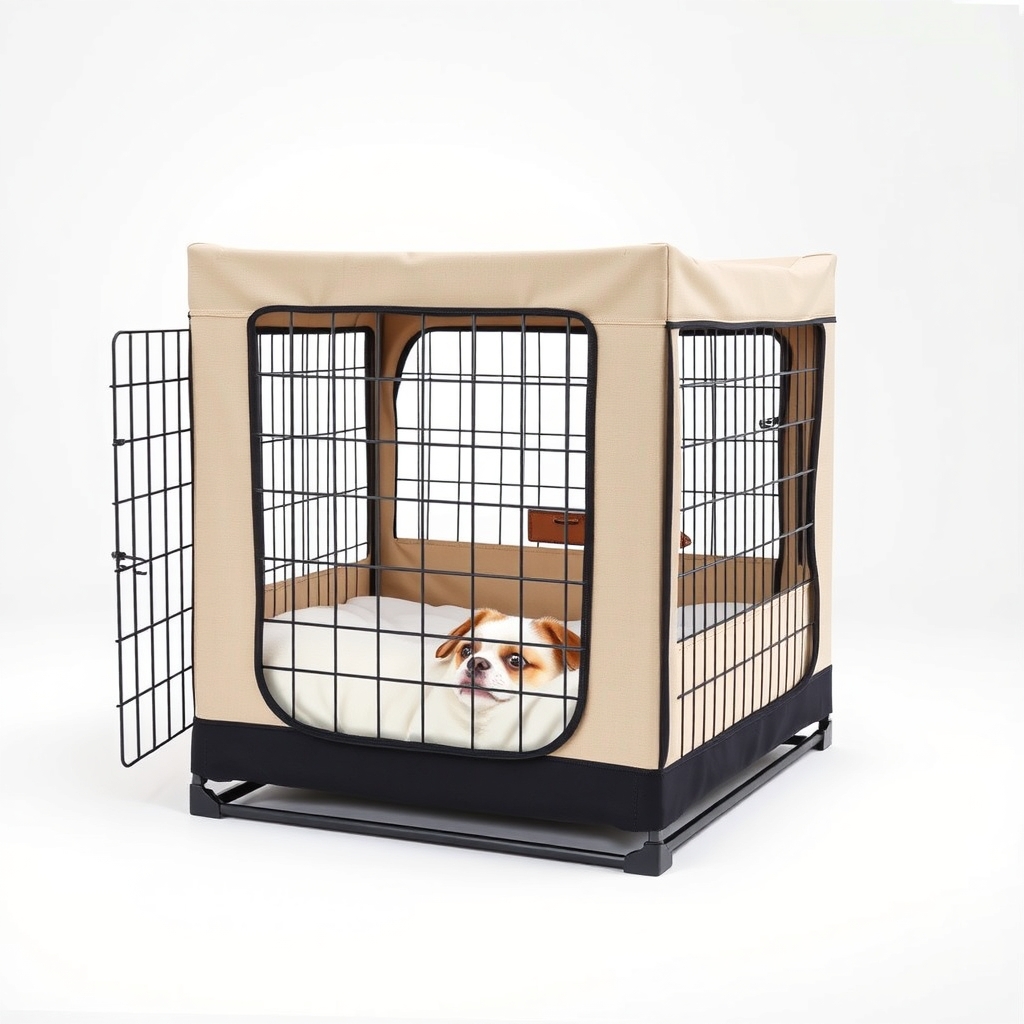
Soft-sided folding crate
Light and quiet, for calm and trained dogs
- Illustration
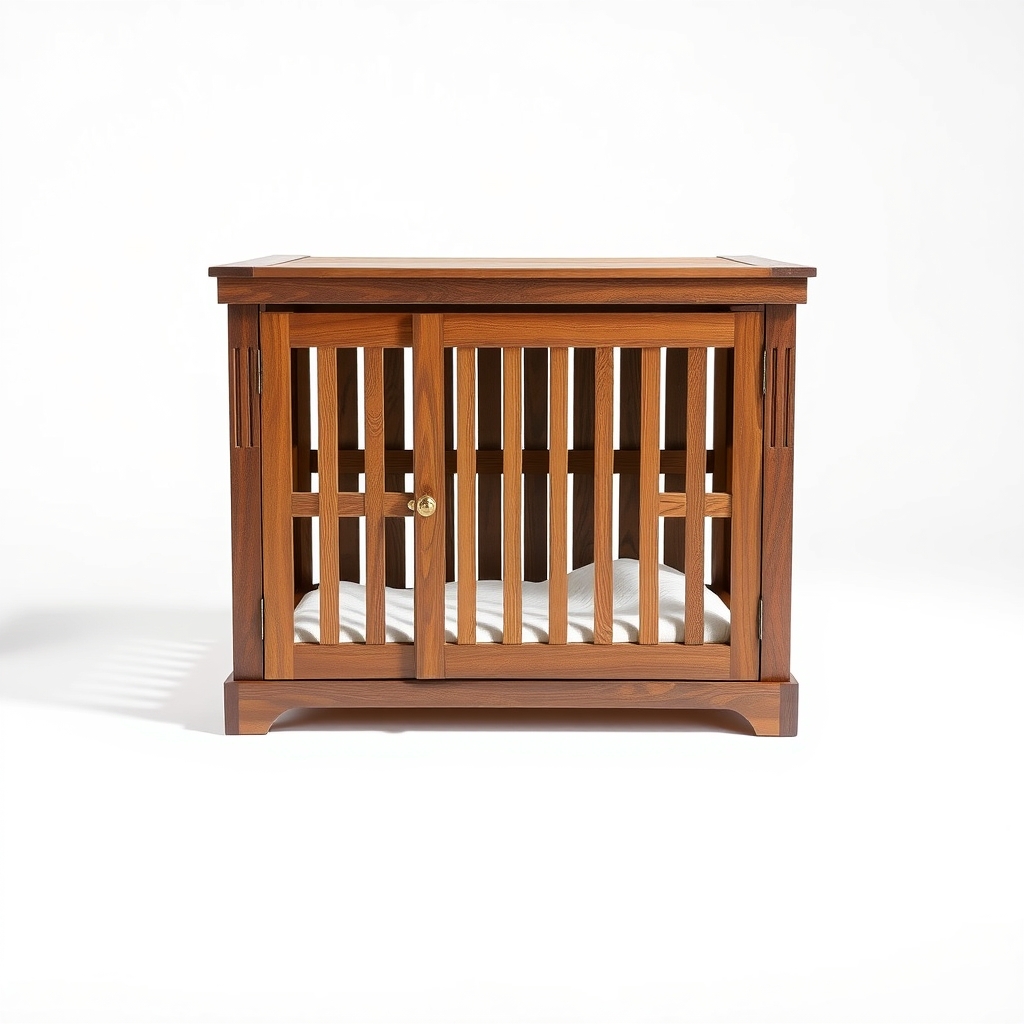
Wood furniture-style crate
For looks, if your dog does not chew
Why it happens
The noise
A metal door, tray and wire panels rattle every time a dog turns around. That bothers dogs and owners, especially at night.
The cage look
Wire reads as a cage in a room, and the open sides leave some dogs feeling exposed. A cover helps but does not change what the crate is.
Paws, toes and tags that catch
Toes, collar tags and teeth can catch in wire, and some dogs bend or chew the bars. Folding doors have pinch points.
Travel limits
Most airlines want a rigid-sided kennel that meets their rules, so check yours. Wire crates are heavy to carry and are usually not accepted for flights.
Try this first (free)
Do these in order, starting with the simplest.
-
Measure your dog
Tool used: Tape measureMeasure standing, from nose to base of tail, and from the floor to the top of the head or ear tips. Add 2 to 4 inches to each number. Your dog should be able to stand, turn around and lie down comfortably, with no extra room to use one end as a toilet.
-
Decide where the crate will be used
Write down whether it is for the home only, the car or possible air travel. Choose the material from that: plastic for travel and strong dogs, wood for looks, soft for light use.
-
Cover the wire crate you already own
Tool used: Old blanket or sheetDrape a blanket or sheet over three sides and leave one open. Keep fabric clear of the inside, so your dog cannot pull it in and chew it, and do not cover the crate in a hot room.
-
Quiet the rattles
Fold a small cloth around the latch, check that the tray sits flat and tighten any loose clips. Put the crate on a rubber mat so it does not slide or buzz on the floor.
-
Make the crate a good place
Tool used: Treats and a favorite toyToss treats inside, feed meals in the crate and keep the door open at first. A dog who likes the crate will settle better, whichever type you use.
When free fixes aren't enough
A cover hides the wire, but it does not change what a wire crate is: heavy, rattly, hard to move and no use for most flights. If your dog hates the noise, you want one crate for home and the car, or it just looks wrong in the room, switch materials. Plastic is the all-round answer. Pick soft only for a calm, trained dog, and wood only if looks matter most and your dog does not chew. If your dog chews through crates, panics inside or escapes, talk to a trainer or your vet before you buy another crate.
Buy the fix
Still stuck after the free fixes? These are the products we would look at.
| Pick | Product | Fixes | Who it's for | Buy |
|---|---|---|---|---|
| Best pick | Plastic airline-style dog crate | the rattle and cage look of wire, in a crate that also travels | Most dogs and owners, especially anyone who drives with their dog or may fly. | Check price |
| Budget pick | Soft-sided folding dog crate | a light, quiet crate for visits and short trips | Calm, trained dogs that do not chew, scratch or dig, and small dogs on short trips. | Check price |
| Upgrade pick | Wood furniture-style dog crate | a crate you do not mind seeing in the living room | Owners who want the crate to double as an end table and have a calm dog. | Check price |
Plastic airline-style dog crate
Fixes: the rattle and cage look of wire, in a crate that also travels
Look for: Sized for your dog, with room to stand, turn around and lie down; Ventilation openings on several sides and a metal door that latches securely; Top and bottom halves that fasten together with hardware; A carry handle and a floor that does not slide.
- Who it's for
- Most dogs and owners, especially anyone who drives with their dog or may fly.
- Honest downside
- Your dog chews plastic or escapes. Chewed plastic edges can be swallowed. Also skip it if you need a crate that folds flat.
Soft-sided folding dog crate
Fixes: a light, quiet crate for visits and short trips
Look for: A sturdy frame and double-stitched fabric; Zippers with lock tabs; Mesh windows for airflow; A weight limit above your dog's weight.
- Who it's for
- Calm, trained dogs that do not chew, scratch or dig, and small dogs on short trips.
- Honest downside
- You have a puppy, a chewer, an escape artist or a dog that is not yet house-trained. Zippers can be opened or chewed.
Wood furniture-style dog crate
Fixes: a crate you do not mind seeing in the living room
Look for: Solid wood or thick engineered wood sides with a latching door; Interior dimensions that fit your dog, not just the outside size; A removable tray or easy-clean floor; Ventilation slats on several sides.
- Who it's for
- Owners who want the crate to double as an end table and have a calm dog.
- Honest downside
- Your dog chews, has accidents in the crate or you need to travel with it. Wood soaks up urine and is heavy.
As an Amazon Associate I earn from qualifying purchases. We don't show prices because they change, so use the button to see today's price.
How we picked: How we picked: this page is based on crate sizing and safety guides from vets and trainers, airline kennel rules, and the noise, chewing and travel problems people report in owner reviews of crates. We do not test products by hand.
Plastic, wood or soft: which crate fits your dog?
- Plastic: the best all-round choice. Quiet, strong, easy to wipe clean and works for the car. Does not fold flat.
- Wood: looks like furniture and can double as a table. Heavy, costs more and soaks up accidents.
- Soft: light and quiet and easy to carry. Only for calm, trained dogs that do not chew or scratch.
Crate safety basics
- Never leave a dog in a crate in a parked car, even for a short time.
- Secure the crate so it cannot slide or tip when the car moves.
- Many trainers advise taking off a collar with tags inside the crate so it cannot snag.
- If you plan to fly, check the airline's own crate rules before you buy.
What to skip
Oversized crates and thin-plastic bargains
A crate that is too big lets a puppy use one end as a toilet, which slows house training. A very thin plastic crate can crack, and a soft crate is the wrong choice for a dog that panics or chews.
Frequently asked questions
Is there a dog crate that is not metal?
What is a good dog kennel that is not wire?
Is a plastic crate better than a wire crate?
What size plastic dog crate do I need?
Are soft crates safe for puppies?
Related problems
 Free fix inside
Pets · Dog Crate
Dog Crate Smells Bad? Clean It Right and Add a Washable Pad
Read the fix Free fix inside
Pets · Dog Crate
Keep a Dog Crate Cool in Summer: What Helps and What Backfires
Read the fix Free fix inside
Pets · Dog Crate
Dog Crate Too Big? A Divider Panel Fixes It Without a New Crate
Read the fix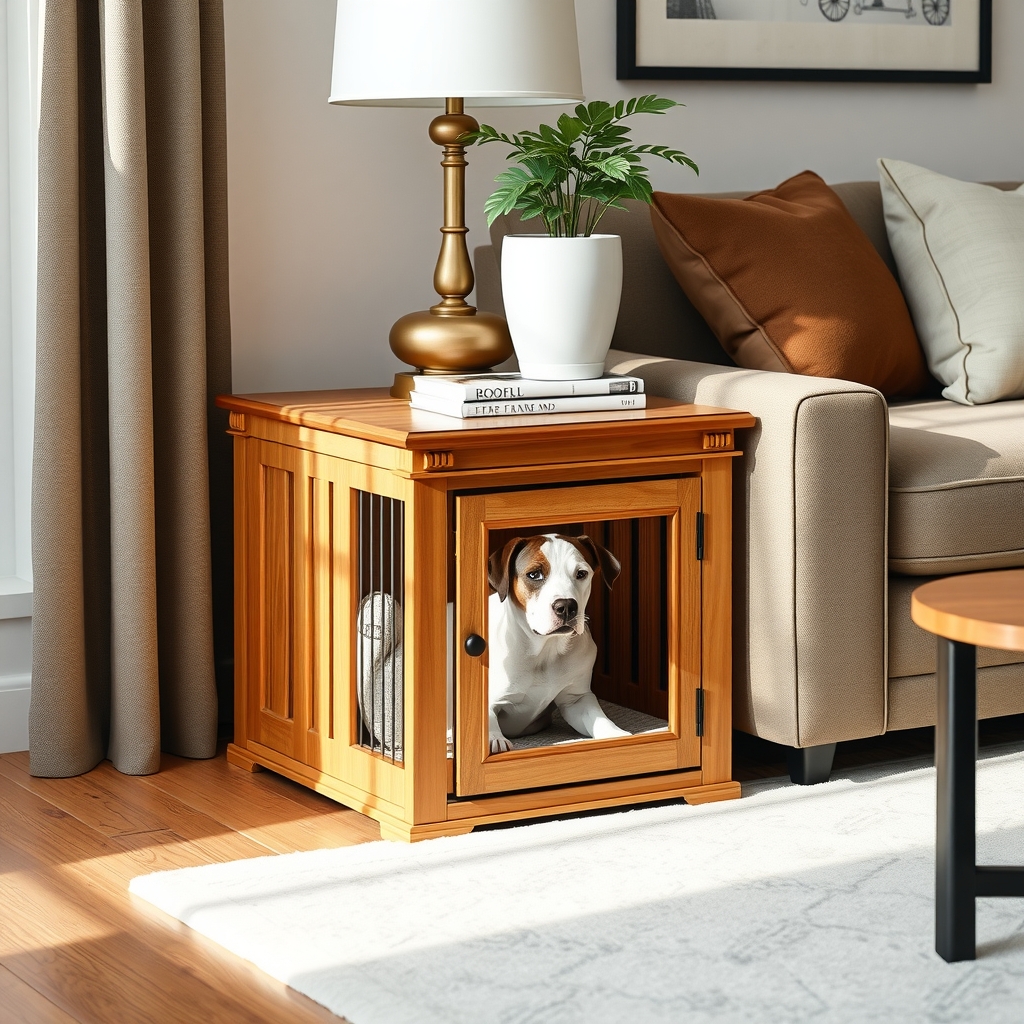 Free fix inside
Pets · Crate Furniture
Dog Crate That Isn't Ugly: Furniture-Style Crates That Look Good
Read the fixAs an Amazon Associate I earn from qualifying purchases. Affiliate disclosure