Patio Door So Hard to Open? New Rollers Beat Fighting the Track
Grit in the track and worn rollers make a sliding door drag and drop. Clean and lube first, then new rollers make it glide again.
By Jamilur Rahman Updated November 5, 2026 · 6 min read
- Time
- 45 min
- Cost
- $20-$50
- Difficulty
- Medium
In this guide
Quick answer
A patio door that is so hard to open usually has a dirty track, a door that has dropped or worn rollers. Vacuum and scrub the track, spray it with silicone lubricant and raise the door with the adjustment screws at the bottom. If it still drags or sticks, new rollers are the fix that lasts.
Free fix vs. permanent fix
Clean, lube and adjust
- Vacuum and scrub the bottom track
- Spray silicone lubricant on the track and wipe off the extra
- Raise a dropped door with the adjustment screws
- Check the track for dents
How long it lasts: Months or longer if the rollers are still in decent shape. Worn or flat rollers will drag again.
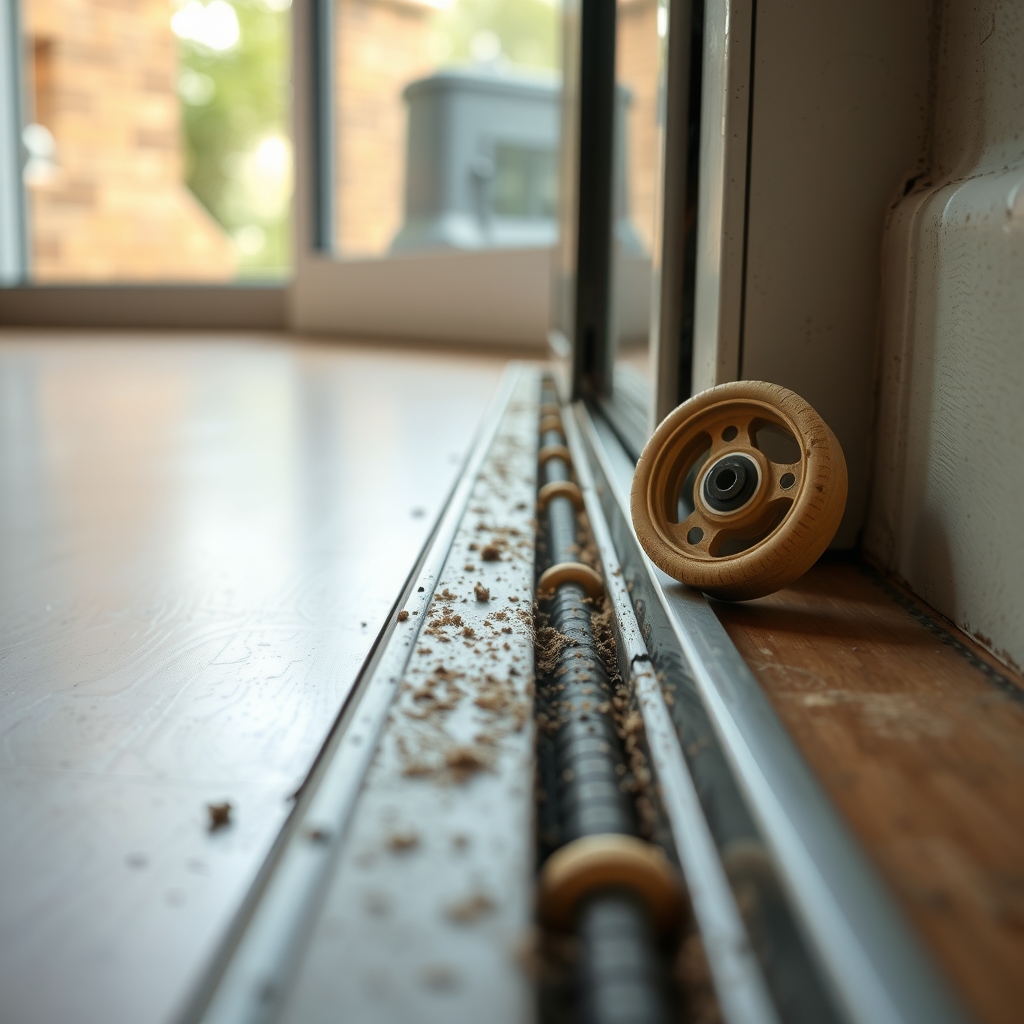
A matching set of sliding patio door rollers
Rollers carry the whole weight of the door. When they wear flat or crack, the door drags on the track and the frame. Cleaning and adjusting cannot fix a worn roller, but new rollers restore smooth rolling and stop the door dropping.
What to get: Sliding patio door roller set
How long it lasts: Years. New rollers roll on a clean track, so the door glides and stays level.
As an Amazon Associate I earn from qualifying purchases.
What you'll need
-
Vacuum with crevice tool
For grit and dead bugs in the track
You have it -
Stiff small brush
An old toothbrush works
You have it -
Phillips screwdriver
For the roller adjustment screws
You have it - Illustration
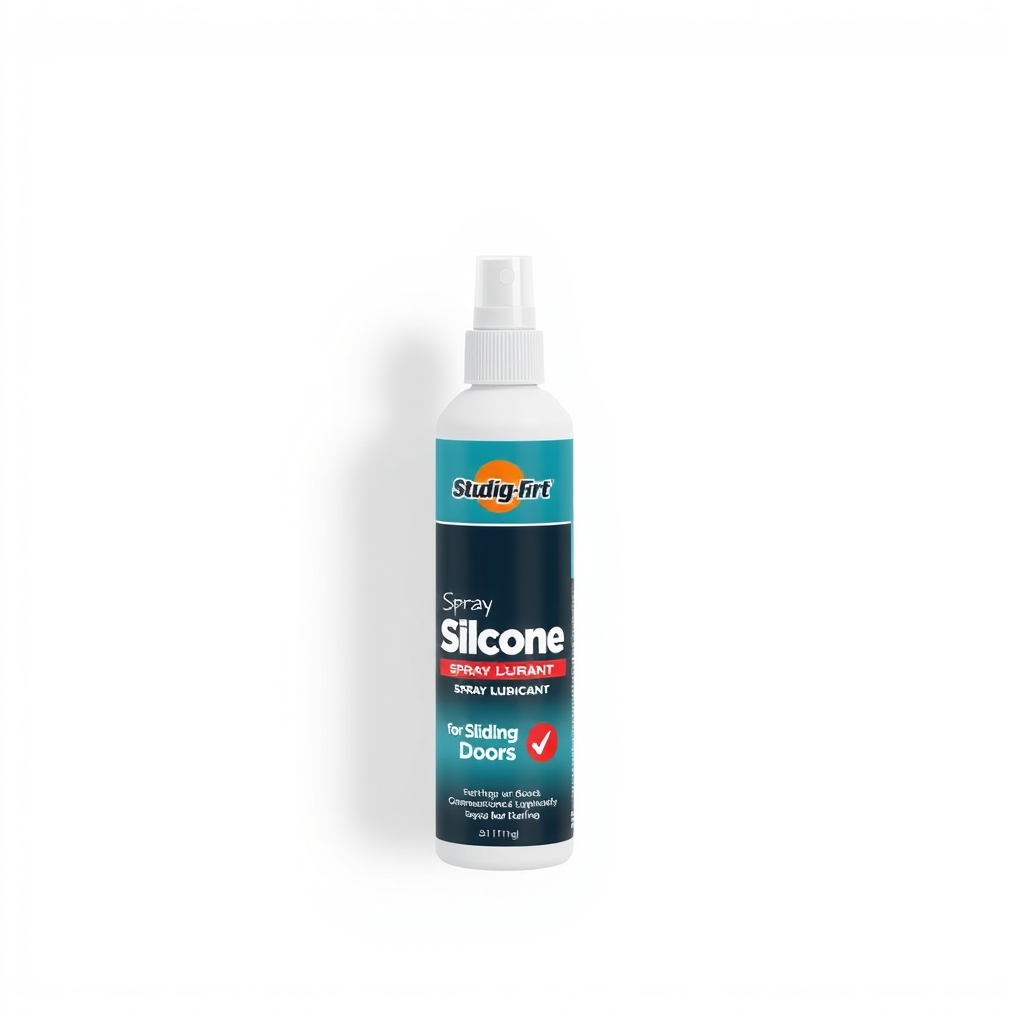
Silicone spray lubricant
Dry silicone, not an oil that attracts dirt
- Our pick Illustration
Sliding patio door roller set
Match the old rollers before you buy
- Illustration
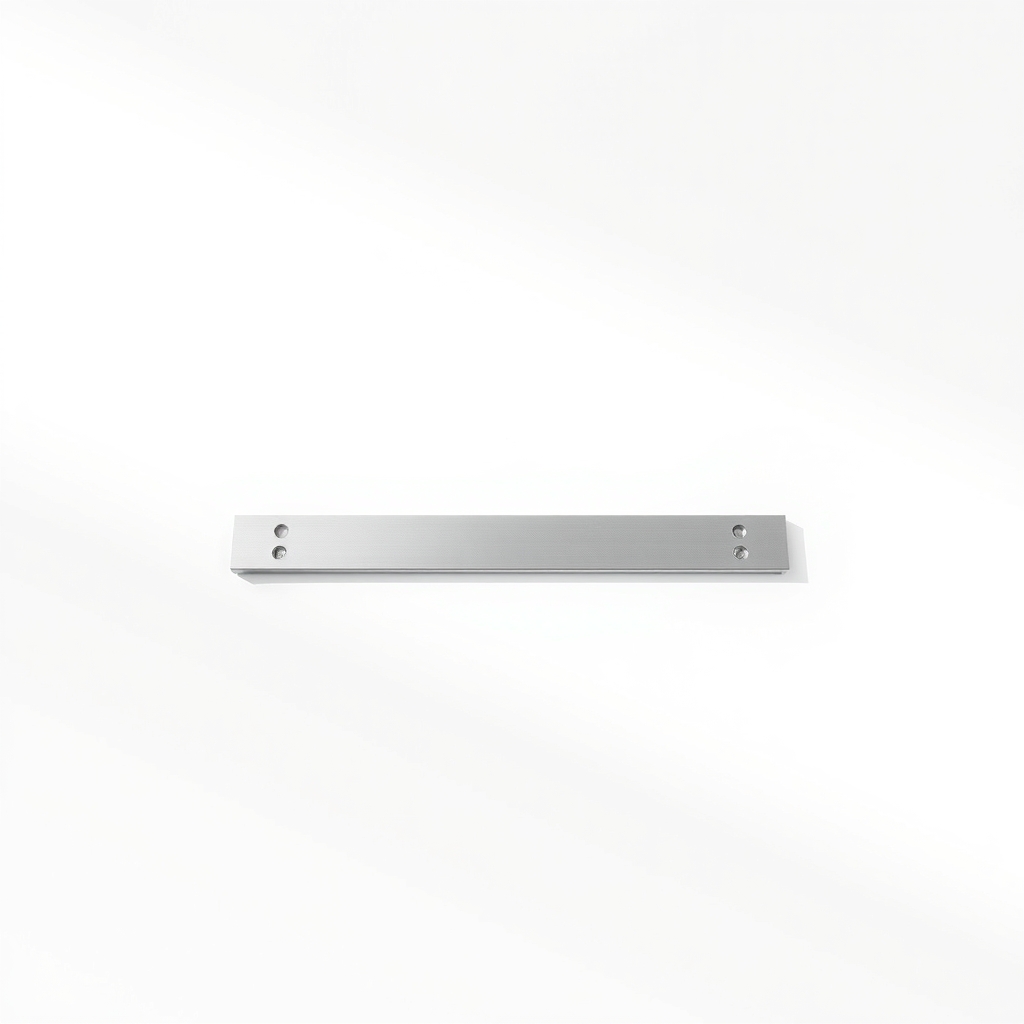
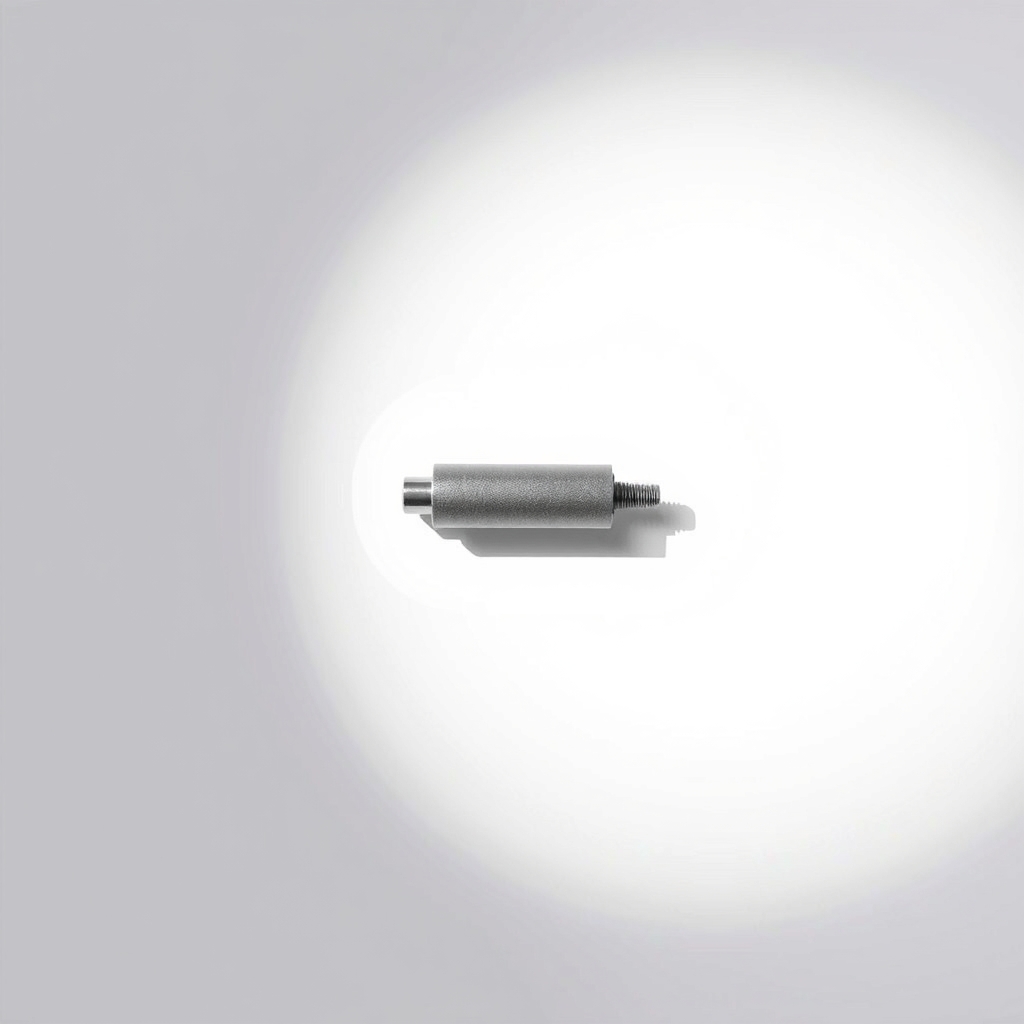
Stainless steel track cover
Only for a dented or pitted bottom track
Why it happens
Grit and debris in the track
Dirt, dead bugs and pet hair pile up in the groove, and the rollers have to crush through it.
Worn or flat rollers
Rollers wear with every opening. After years they flatten, crack or stop turning, and the door starts to drag.
A door that has dropped
Adjustment screws at the bottom set the door's height. If they back off, the door sags and scrapes the track.
A dented or worn track
A bent or pitted rail makes the door grind, catch or stick at one spot.
Swelling or a shifted frame
Humidity can swell the frame, and a house that settles can pinch the door at one point.
Try this first (free)
Do these in order, starting with the simplest.
-
Vacuum the track
Tool used: Vacuum with crevice toolSlide the door fully open, then vacuum the bottom track with a crevice tool. Pull out any hardened debris by hand.
-
Scrub the groove
Tool used: Stiff small brushScrub the track with an old brush and a little all-purpose cleaner. Wipe it clean and let it dry.
-
Lubricate lightly
Tool used: Silicone spray lubricantSpray silicone lubricant along the track and slide the door back and forth to spread it. Wipe off any excess, since oils and grease collect dirt.
IllustrationCheck price on AmazonTool for this step
Silicone spray lubricant · Dry silicone, not an oil that attracts dirt
-
Raise the door with the adjustment screws
Tool used: Phillips screwdriverFind the adjustment screw at each bottom corner of the moving door, sometimes behind a small cover. On most doors, turning clockwise raises that corner. Make quarter turns, equal on both sides, until the door glides and the latch lines up.
-
Look for a dent or a sticking point
Check the bottom track for a dent. If the door sticks at one spot, mark it and look for a bent rail, a rubbing weatherstrip or a latch that does not line up.
When free fixes aren't enough
If the door still feels heavy after cleaning, lubing and adjusting, or it drops again after you raise it, the rollers are likely worn. With the door tilted out you will see flat spots, cracks or a roller that does not turn. Many doors use the same few roller styles, so you can match yours by measuring the wheel and the housing, or by taking one old roller with you. Lifting a glass door out is a two-person job. The door is heavy and can fall, so wear gloves and have a helper. If the glass is cracked, or you are not sure you can handle it, hire a pro.
Buy the fix
Still stuck after the free fixes? These are the products we would look at.
| Pick | Product | Fixes | Who it's for | Buy |
|---|---|---|---|---|
| Best pick | Sliding patio door roller set | a door that drags, sticks or drops because the rollers are worn | Anyone whose door is still hard to open after cleaning, lubing and adjusting. | Check price |
| Budget pick | Silicone spray lubricant for sliding doors | stiffness from a dry, gritty track | Anyone whose door is only a little stiff. | Check price |
| Upgrade pick | Stainless steel sliding door track cover | a pitted or dented bottom track that grinds even with new rollers | Owners of doors with a visibly worn or dented track. | Check price |
Sliding patio door roller set
Fixes: a door that drags, sticks or drops because the rollers are worn
Look for: A match for your old roller in wheel diameter, housing shape and mounting holes; Sold as a pair or set, since both sides should be replaced together; Steel or ball-bearing wheels, which reviews describe as rolling smoothly; A listing with measuring tips or photos.
- Who it's for
- Anyone whose door is still hard to open after cleaning, lubing and adjusting.
- Honest downside
- You cannot lift the door safely with a helper. Also fix a badly dented track first, or the new rollers will catch.
Silicone spray lubricant for sliding doors
Fixes: stiffness from a dry, gritty track
Look for: A dry silicone or PTFE type that does not stay wet; A straw nozzle for tight tracks; Safe on plastic, vinyl and rubber weatherstripping.
- Who it's for
- Anyone whose door is only a little stiff.
- Honest downside
- The door scrapes the track or keeps dropping. Lubricant cannot fix a worn roller.
Stainless steel sliding door track cover
Fixes: a pitted or dented bottom track that grinds even with new rollers
Look for: Sized to your track's length and height; Smooth stainless steel, with a profile that suits the rollers; Adhesive or screws, with clear steps.
- Who it's for
- Owners of doors with a visibly worn or dented track.
- Honest downside
- The track is in good shape, or you have not yet replaced the rollers. Measure the track before you buy.
As an Amazon Associate I earn from qualifying purchases. We don't show prices because they change, so use the button to see today's price.
How we picked: How we picked: this page is based on door maker maintenance guides, roller replacement instructions, and the problems and fixes people report in reviews. We do not test products by hand.
A quick test: is it the rollers?
- Easier when you lift the handle slightly: the door has dropped or the rollers are worn.
- Grinds or screeches at one spot: look for a dent, a bent rail or debris.
- Hard everywhere, even after cleaning: the rollers are probably flat. Check them.
What to skip
Grease and oil sprays on the track
Heavy grease and oil sprays attract dust and turn into a gritty paste that makes the door harder to open. Use dry silicone, sparingly.
Frequently asked questions
Why does my patio door keep dropping?
Patio door keeps dropping when I close it. What else can I check?
Patio door keeps sticking at one spot. What causes it?
How to fix a patio sliding door that will not slide?
Related problems
 Free fix inside
Outdoor & Garage · Patio Door
Patio Door Not Locking? Fixes Before You Replace the Latch
Read the fix Free fix inside
Outdoor & Garage · Patio Door
Fix a Patio Screen: Patch Holes Without Re-Screening
Read the fix Free fix inside
Outdoor & Garage · Patio Door
Patio Doors Blowing in the Wind? A Door Holder Keeps Them Put
Read the fix Free fix inside
Outdoor & Garage · Garage Door
Garage Door Squeaking? The Right Lube and 3 Spots to Hit
Read the fixAs an Amazon Associate I earn from qualifying purchases. Affiliate disclosure