Patio Door Not Locking? Fixes Before You Replace the Latch
Most sliding doors stop locking because the door sags, the track is dirty or the latch is dry. Fix those first, then add a bar for backup security.
By Jamilur Rahman Updated November 5, 2026 · 6 min read
- Time
- 30 min
- Cost
- $20-$50
- Difficulty
- Easy
In this guide
Quick answer
Why is my patio door not locking? Usually the door has dropped on its rollers, so the latch hook no longer lines up with the keeper, or dirt and a dry latch keep it from catching. Clean the track, raise the door with the roller screws and line up the keeper. If you want a stronger second lock while you sort it out, a sliding door security bar holds the door shut even when the latch is loose.
Free fix vs. permanent fix
Clean, adjust and line up the latch
- Vacuum and wipe out the bottom track
- Turn the roller screws to lift the door level
- Slide the keeper to meet the latch hook
- Spray the latch with silicone
How long it lasts: Often for years, until the rollers wear again and the door sags.
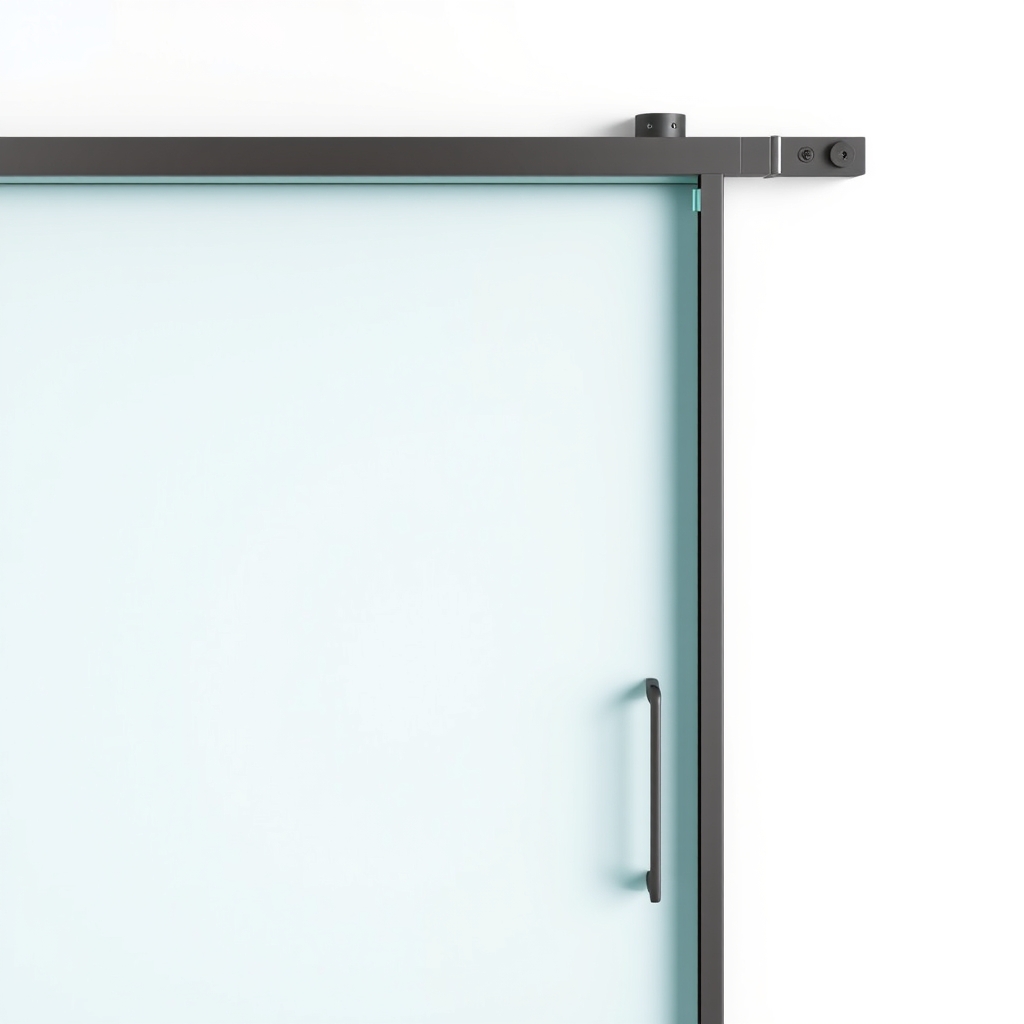
A sliding door security bar
A bar blocks the door from sliding no matter how the latch lines up. It does not fix a sagging door, so use it with the steps above. If the latch itself is broken, a bar also keeps the door closed until you replace it.
What to get: Sliding door security bar
How long it lasts: Years. A steel or aluminum bar has no springs to wear out.
As an Amazon Associate I earn from qualifying purchases.
What you'll need
-
Vacuum with a crevice tool
Clears grit from the bottom track
You have it -
Screwdriver
For the roller screws and the keeper
You have it - Illustration
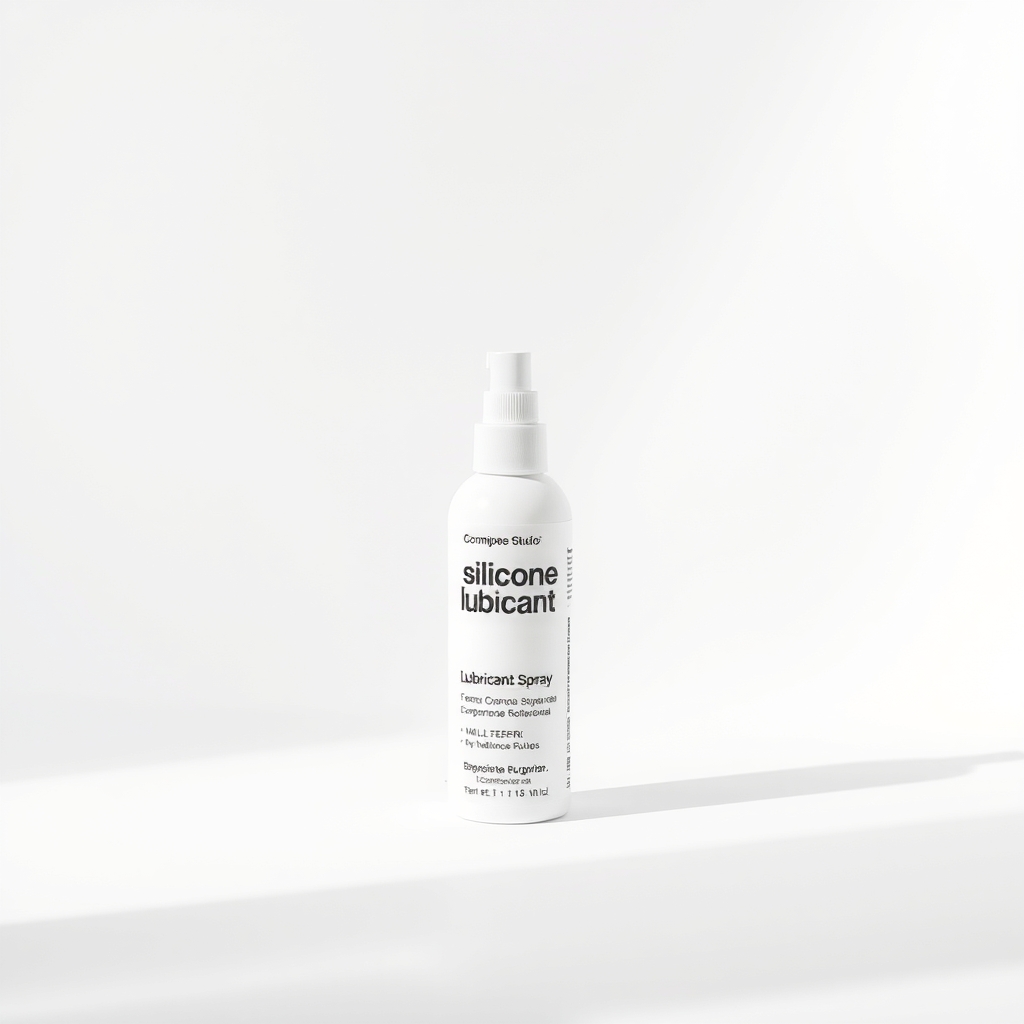
Silicone lubricant spray
Better than oil, which collects dust
- Our pick Illustration
Sliding door security bar
A cut broom handle in the track works tonight
- Illustration
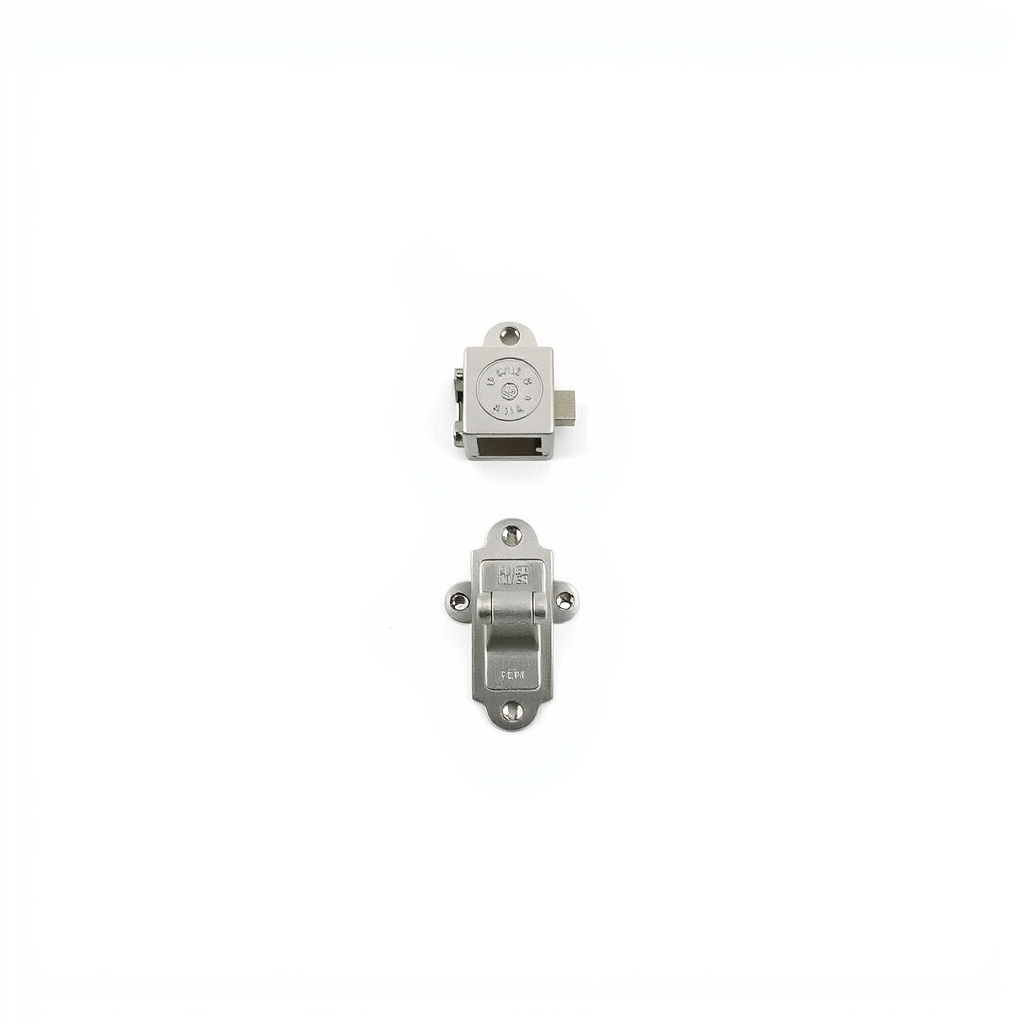
Replacement patio door latch and handle set
Only if the latch is cracked or the hook is broken
Why it happens
A door that has dropped
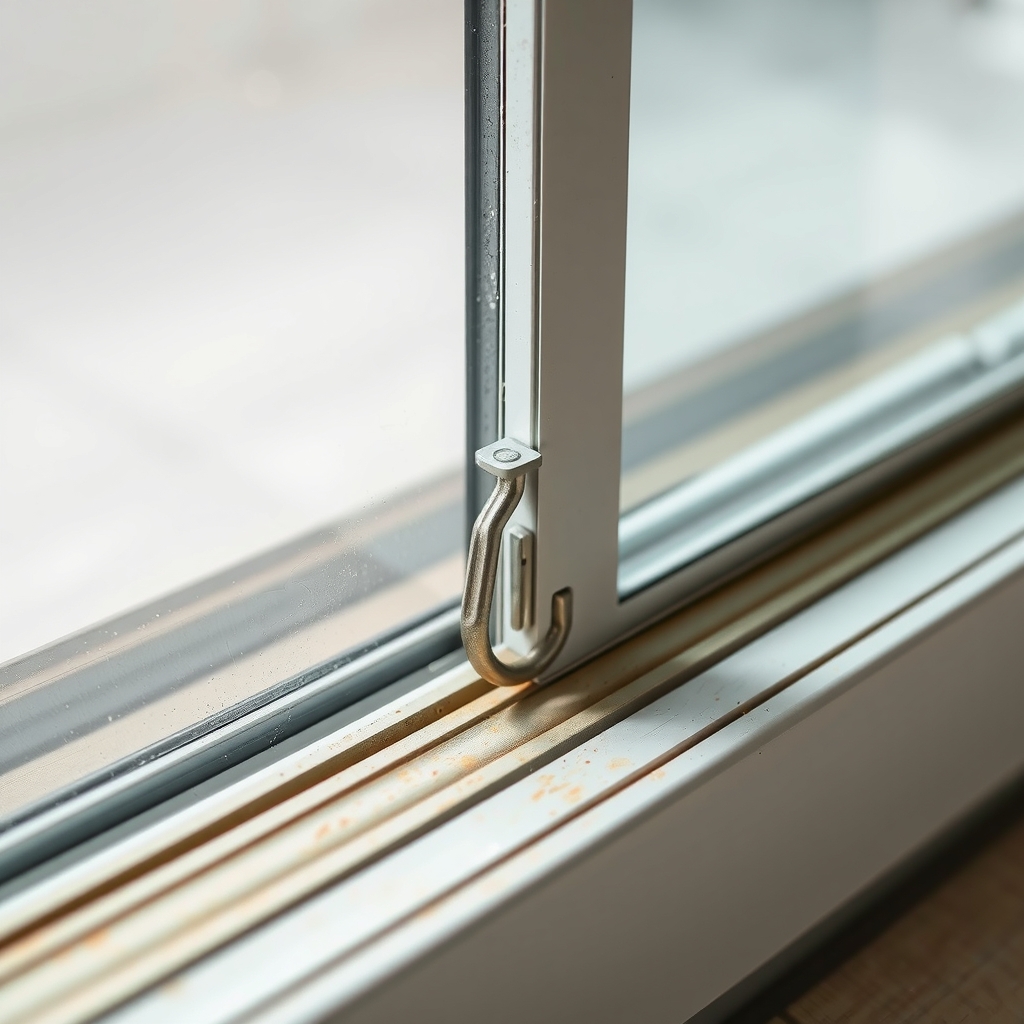
Rollers wear and the door sags in its frame. The latch hook then sits lower than the keeper and misses it. Look for the door rubbing the bottom track or an uneven gap at the lock side.
Dirt and debris in the track
Grit, pet hair and dead bugs stop the door from sliding fully closed. If it stops short, the latch cannot reach the keeper.
A keeper that has moved
The metal keeper on the frame can work loose, or the frame can shift with the seasons. The hook then misses the slot.
A dry or worn latch
Latches stiffen with dust and old grease. Springs weaken and plastic parts crack, so the hook may not extend or may not return.
Try this first (free)
Do these in order, starting with the simplest.
-
Check that the door closes all the way
Slide the door shut and push it firmly into the frame. If it stops about an inch short, something is in the track or the door is out of alignment.
-
Clean the bottom track
Tool used: Vacuum with a crevice toolVacuum the track, then wipe it with a damp cloth. Pick out packed grit with a screwdriver tip. Dry it fully before you slide the door.
-
Raise the door with the roller screws
Tool used: ScrewdriverFind the adjusting screw near the bottom of each side of the door. Some sit behind a small plug or cover. Turn each a little to lift the door until the gap at the lock side is even and the hook meets the keeper. Move both screws by about the same amount.
-
Move the keeper
Tool used: ScrewdriverLoosen the keeper screws on the frame, slide it so the hook enters its slot, and tighten again.
-
Lubricate and test the latch
Tool used: Silicone lubricant spraySpray silicone into the latch body and work the handle a few times. Try the lock with the door open. The hook should extend and retract freely.
IllustrationCheck price on AmazonTool for this step
Silicone lubricant spray · Better than oil, which collects dust
-
Add a bar as backup
Tool used: Sliding door security barSet the bar in the track or fit it to the door, depending on the type you buy, so the door cannot be slid open from outside.
IllustrationCheck price on AmazonTool for this step
Sliding door security bar · A cut broom handle in the track works tonight
When free fixes aren't enough
If the latch hook is bent, the handle is loose inside the door, or the key turns freely and nothing moves, the latch is worn out. Match a replacement to your door maker and model, because latches are not universal. Until then, a bar or a cut dowel in the track keeps the door shut. A ground-floor door that will not lock is a break-in risk, so do not put this off. If the glass or frame is damaged, call a door pro.
Buy the fix
Still stuck after the free fixes? These are the products we would look at.
| Pick | Product | Fixes | Who it's for | Buy |
|---|---|---|---|---|
| Best pick | Sliding door security bar | a door that can be forced open when the latch is weak | Anyone with a patio door that does not lock reliably, or whose door is on the ground floor. | Check price |
| Budget pick | Silicone lubricant spray | a latch that sticks and rollers that drag | Anyone whose door is stiff or slow to lock. | Check price |
| Upgrade pick | Replacement patio door latch and handle set | a cracked or worn latch that will not catch | People whose latch hook or handle is broken or loose. | Check price |
Sliding door security bar
Fixes: a door that can be forced open when the latch is weak
Look for: Adjustable length to fit your track or door width; Steel or heavy aluminum, not thin plastic; Easy for everyone in the house to put in place and remove; Padded ends that do not scratch the door.
- Who it's for
- Anyone with a patio door that does not lock reliably, or whose door is on the ground floor.
- Honest downside
- Your door swings on hinges, or your slider has a track the bar cannot fit. Measure the width and the track first.
Silicone lubricant spray
Fixes: a latch that sticks and rollers that drag
Look for: Silicone, not an oil that attracts dust; A thin straw for tight spots; Safe for plastic and rubber parts.
- Who it's for
- Anyone whose door is stiff or slow to lock.
- Honest downside
- The latch is broken or the door is out of line. Lube will not fix that.
Replacement patio door latch and handle set
Fixes: a cracked or worn latch that will not catch
Look for: Matches your door maker, or fits your hole spacing; A hook that matches your keeper; Includes the screws and handle trim.
- Who it's for
- People whose latch hook or handle is broken or loose.
- Honest downside
- The latch works but the door is misaligned. Fix the alignment first.
As an Amazon Associate I earn from qualifying purchases. We don't show prices because they change, so use the button to see today's price.
How we picked: How we picked: this page is based on sliding door adjustment guides from door makers, home-security advice, and what owners report in reviews of security bars and replacement latches. We do not test products by hand.
Which patio door do you have?
- Sliding glass door: adjust the roller screws and clean the track. Most latch problems are here.
- French or hinged patio door: check the hinges for sag and the strike plate for wear. A track bar does not fit these.
- Multi-point lock: several hooks lock at once, and one misaligned hook can stop the handle from throwing. Call a door pro.
What to skip
Oil sprays and brute force
Slamming the door to make it catch bends the hook and strips the keeper. Heavy oil on the track collects dust and turns to sludge. Use silicone and small, gentle adjustments.
Frequently asked questions
Patio door not locking: what should I check first?
Why does my patio door not lock even though the handle turns?
How to fix patio door lock trouble when the latch sticks or jams?
Can I put a bar in the track instead of fixing the latch?
Related problems
 Free fix inside
Outdoor & Garage · Patio Door
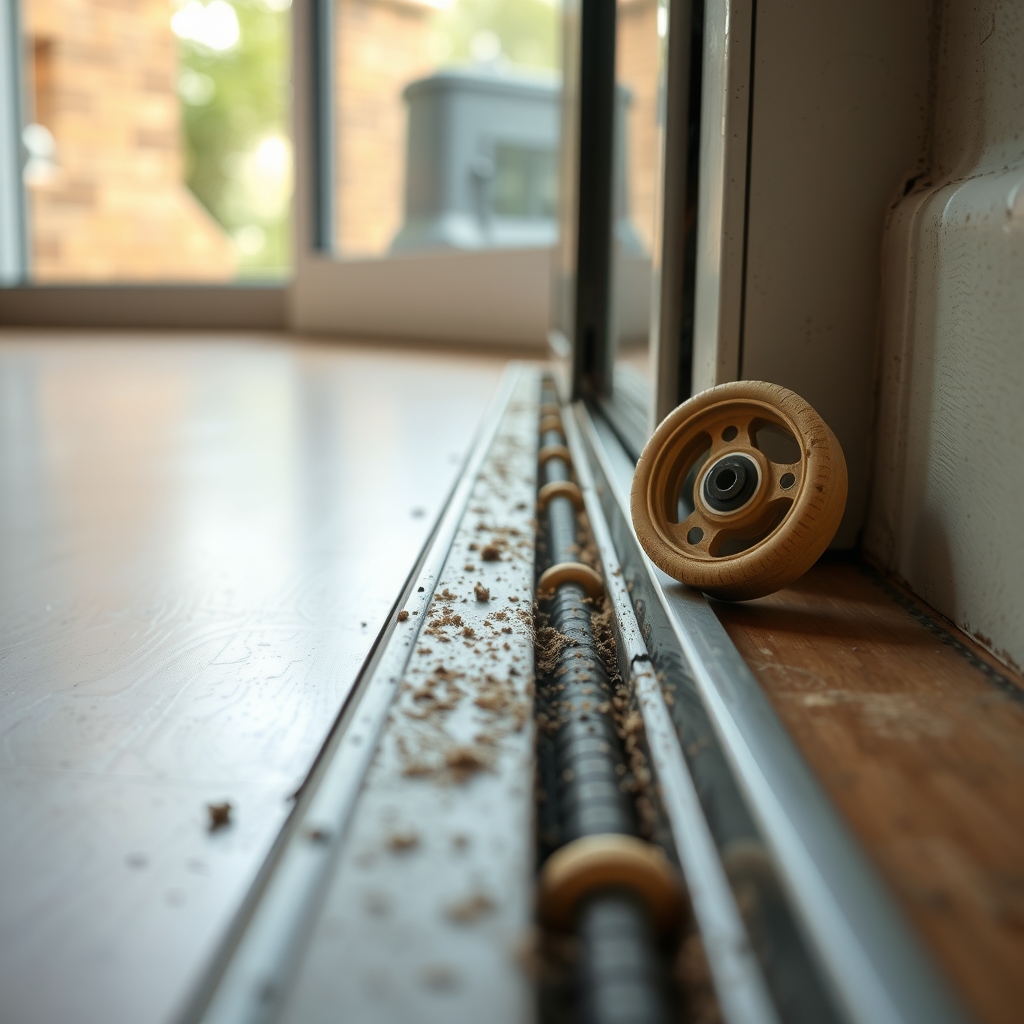
Patio Door So Hard to Open? New Rollers Beat Fighting the Track
Read the fix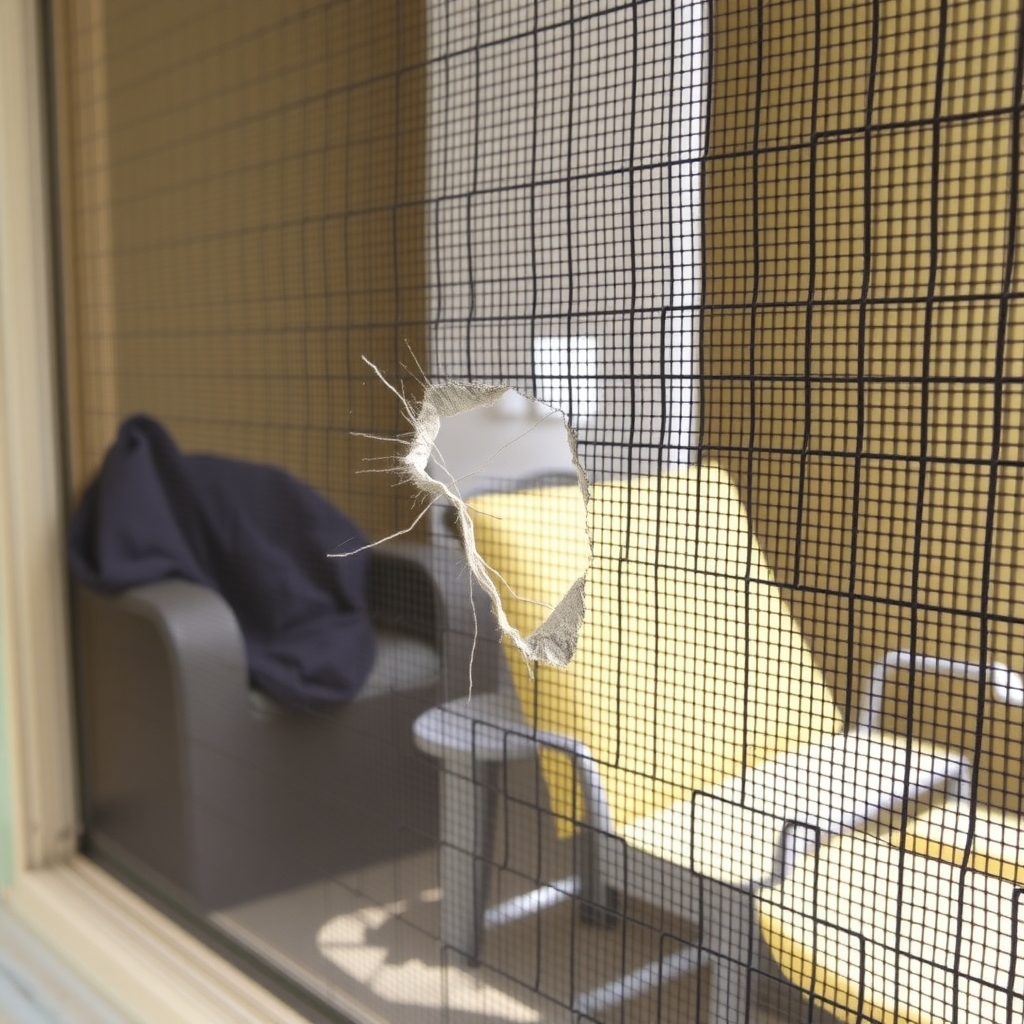 Free fix inside
Outdoor & Garage · Patio Door
Fix a Patio Screen: Patch Holes Without Re-Screening
Read the fix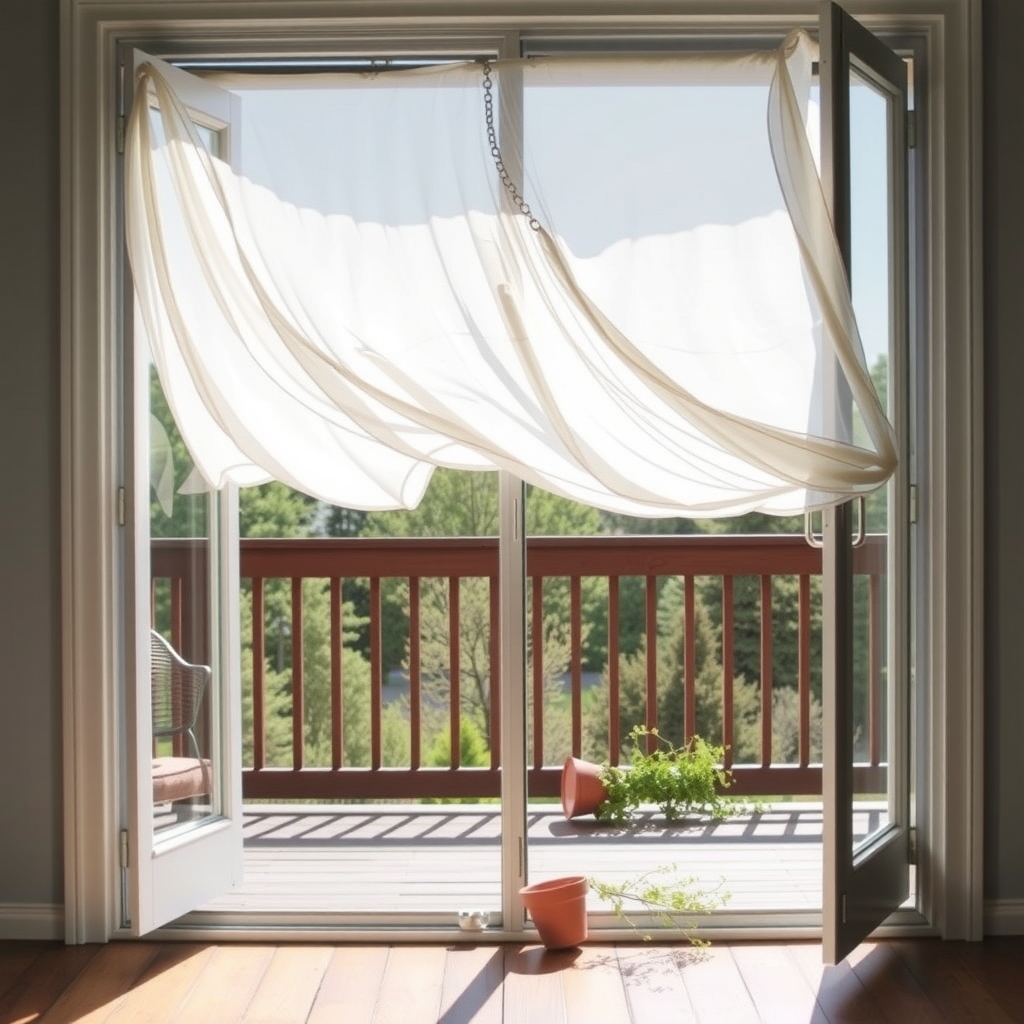 Free fix inside
Outdoor & Garage · Patio Door
Patio Doors Blowing in the Wind? A Door Holder Keeps Them Put
Read the fix Free fix inside
Bedroom & Sleep · Bedroom Door
Bedroom Door Won't Latch? Check the Strike Plate First
Read the fixAs an Amazon Associate I earn from qualifying purchases. Affiliate disclosure