Garage Door Squeaking? The Right Lube and 3 Spots to Hit
Most squeaks come from dry hinges, rollers and springs. Wipe the tracks, then lube three spots with white lithium grease, and keep it off the rest.
By Jamilur Rahman Updated November 5, 2026 · 7 min read
- Time
- 15 min
- Cost
- Under $20
- Difficulty
- Easy
In this guide
Quick answer
A squeaking garage door is almost always a dry moving part: the hinges, the rollers or the spring. Wipe the tracks, tighten loose bolts, then spray white lithium grease on three spots: the hinges and roller stems, the springs and the opener chain or screw. Leave the inside of the tracks clean and dry. Grease stays put and quiets the door for about six months, where thin household oil fades in weeks.
Free fix vs. permanent fix
Wipe, tighten and a drop of oil
- Wipe dust and grime from the tracks
- Tighten loose hinge and bracket bolts, but not the bottom brackets
- Put a drop of light household oil on each hinge pin
- Wipe off any drips
How long it lasts: A few weeks. Thin household oil runs off, and it attracts dust.
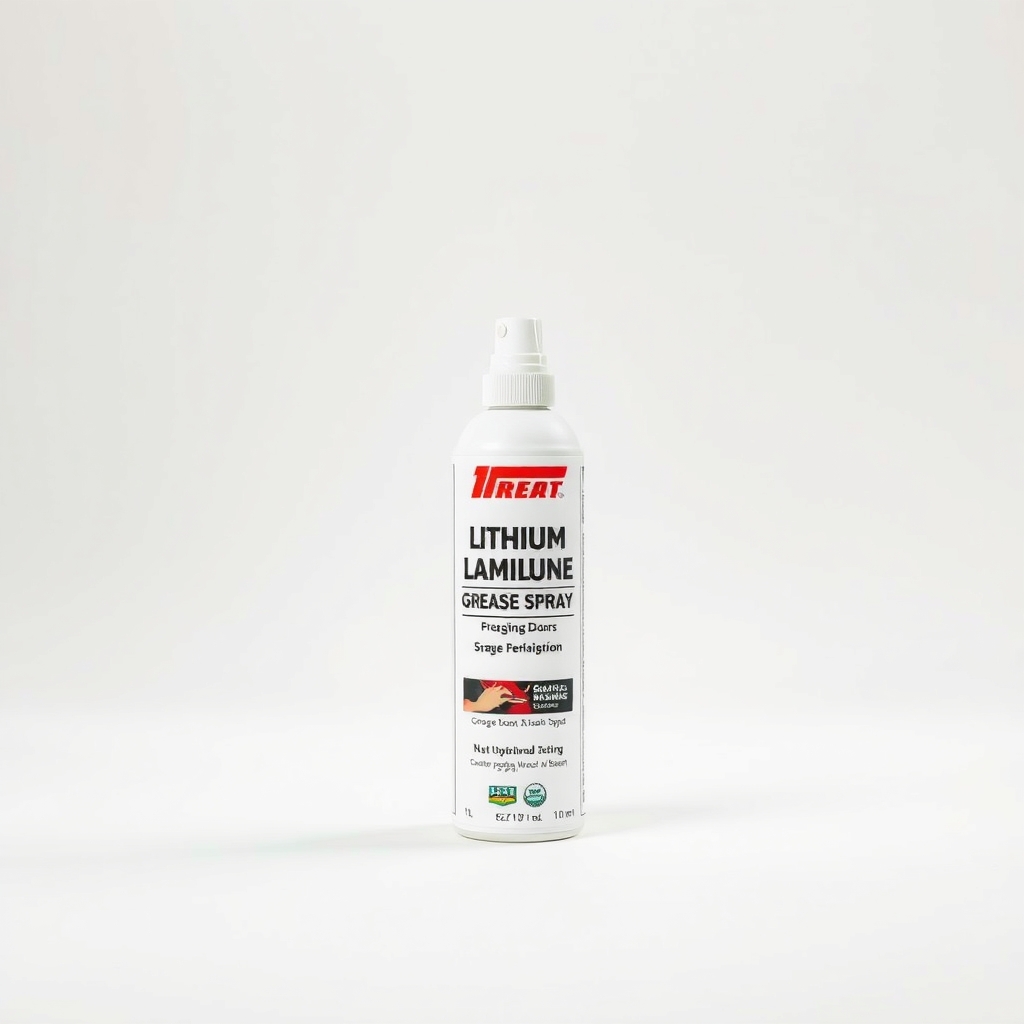
White lithium grease spray for garage doors
A thick grease stays on the pivot points and keeps metal from rubbing on metal, which is what squeaks. It does not thin out and run off like oil, so one application covers the season, not the week.
How long it lasts: About six months per application. It clings to metal and does not drip off.
As an Amazon Associate I earn from qualifying purchases.
What you'll need
-
Stepladder
To reach the top hinges and the opener
You have it -
Clean rags
To wipe the tracks and the overspray
You have it -
Socket wrench or screwdriver
For loose hinge and track bracket bolts
You have it -
Safety glasses
Grease sprays back when you work overhead
You have it - Our pick Illustration
White lithium grease spray with a straw
The straw lets you hit small spots without a mess
- Illustration
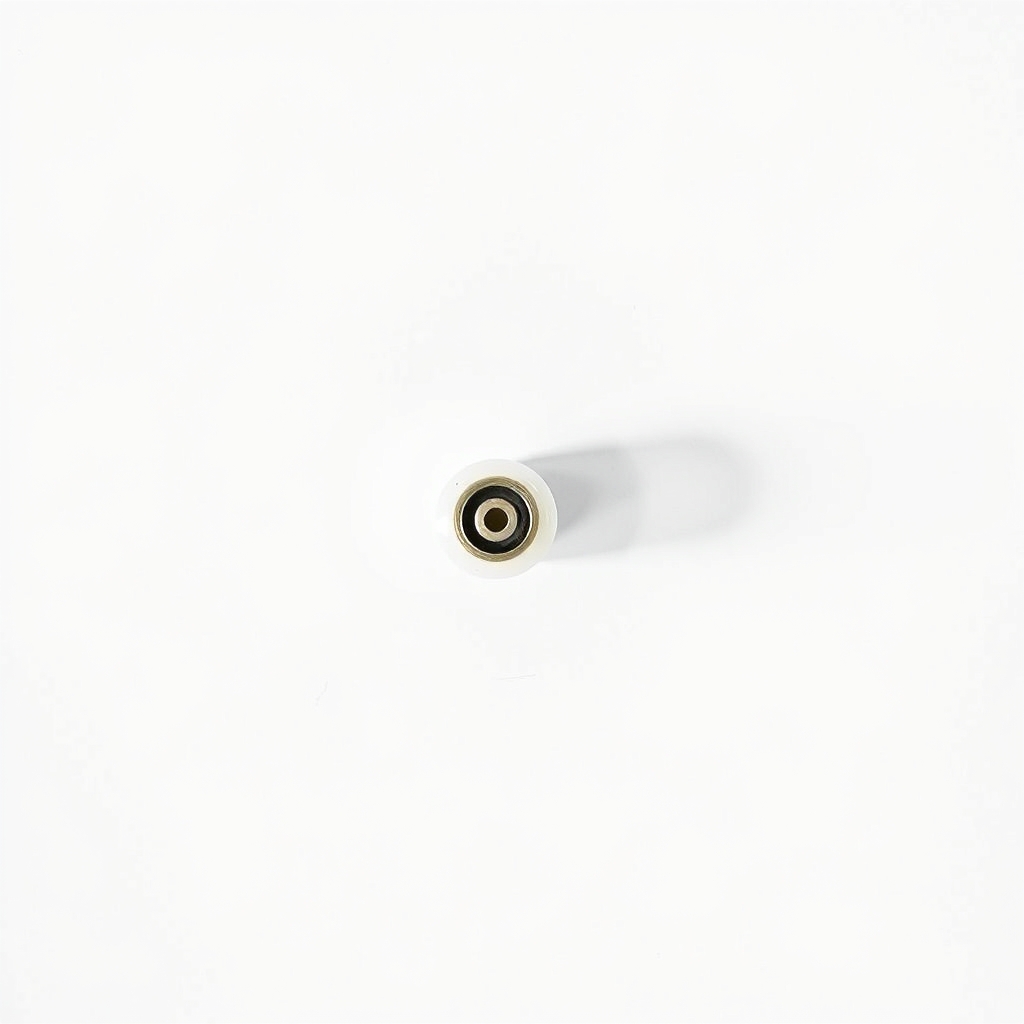
Nylon garage door rollers
Only if the old steel rollers are worn or loud
Why it happens
Dry hinges
Each hinge joint is metal on metal. When the factory grease wears off, the joints squeak every time the door bends.
Rollers that have lost their lube
The roller stem and bearings rub in the hinge and the wheel. Dry bearings squeal. Worn steel rollers also rattle in the track.
Dry springs
The coils of the spring rub against each other and the center bearing plates as they wind and unwind, which makes a creaking sound.
Dirty tracks and loose bolts
Grit in the track makes rollers drag and stick. Loose bolts let parts shift and rattle. Both can make the door sound rough and move jerkily.
Try this first (free)
Do these in order, starting with the simplest.
-
Close the door and unplug the opener
Tool used: StepladderClose the door, then unplug the opener so no one can trigger it while your hands are near the hinges. Stand a ladder where you can reach the top hinges.
-
Wipe the tracks
Tool used: Clean ragsRun a clean rag along the inside of both tracks to remove dust and old grease. Do not grease the tracks. Grease there collects dirt and makes the door stick.
-
Tighten loose hardware
Tool used: Socket wrench or screwdriverCheck the hinge and track bracket bolts and snug any that are loose. Do not touch the bottom brackets, the ones the lift cables attach to. They are under heavy tension and are a job for a pro.
-
Grease the three spots
Tool used: White lithium grease spray with a strawWith safety glasses on, spray a short burst on each hinge joint and the roller stem where it meets the hinge. Then spray a light coat on the spring coils and center bearing plates, standing clear. Finally, run a thin line along the opener's chain or screw. Skip a belt drive. No grease yet? A drop of household oil on each hinge pin is a stopgap for a few weeks.
IllustrationCheck price on AmazonTool for this step
White lithium grease spray with a straw · The straw lets you hit small spots without a mess
-
Work the door and wipe up
Tool used: Clean ragsPlug the opener back in and run the door up and down a few times to spread the grease. Wipe off drips and overspray from the tracks, the floor and the door panels.
When free fixes aren't enough
A drop of household oil quiets a hinge for a few weeks, then the squeak is back, because oil is thin and picks up dust. A grease made for the job stays on the joint. If the door still squeals after greasing, the rollers are probably worn: look for flat spots, wobble or cracked wheels, and swap the steel ones for nylon, which run quieter. The bottom rollers sit on the high-tension bracket, so leave those to a pro. Stop and call a garage door technician if the door is jerky, hangs crooked, will not stay half open when lifted by hand, or has frayed cables, a gap in the spring or a spring that has broken.
Buy the fix
Still stuck after the free fixes? These are the products we would look at.
| Pick | Product | Fixes | Who it's for | Buy |
|---|---|---|---|---|
| Best pick | White lithium grease spray for garage doors | squeaks and creaks from dry hinges, rollers, springs and the opener chain | Anyone whose door squeaks or moves roughly, and who wants it quiet for the season instead of the week. | Check price |
| Upgrade pick | Nylon garage door rollers (replacement set) | squeaks and rattling from worn steel rollers that grease cannot cure | People whose door is still loud after greasing, or whose old rollers are worn, chipped or wobbly. | Check price |
White lithium grease spray for garage doors
Fixes: squeaks and creaks from dry hinges, rollers, springs and the opener chain
Look for: White lithium grease or a garage-door lubricant labeled for hinges, springs and chains; A spray can with a thin straw, so you can aim at small spots; Lasts in hot and cold weather; Does not drip or run, with a thick feel on the metal.
- Who it's for
- Anyone whose door squeaks or moves roughly, and who wants it quiet for the season instead of the week.
- Honest downside
- Your opener has a rubber belt. Do not grease the belt, only the other moving parts. Also keep it off the sensors and the door's painted face.
Nylon garage door rollers (replacement set)
Fixes: squeaks and rattling from worn steel rollers that grease cannot cure
Look for: Sealed ball bearings, so they stay quiet without regular lube; Wheel size that fits your track, usually 2 inch; A stem length that matches your hinges; A full set to replace every roller.
- Who it's for
- People whose door is still loud after greasing, or whose old rollers are worn, chipped or wobbly.
- Honest downside
- The bottom rollers need replacing. They attach at the bottom brackets, which hold the lift cable, so hire a pro for those.
As an Amazon Associate I earn from qualifying purchases. We don't show prices because they change, so use the button to see today's price.
How we picked: How we picked: this page is based on garage door maintenance guides from door makers and safety groups, product instructions for lubricants and rollers, and what owners report in reviews. We do not test products by hand.
Is the door balanced? A quick check
With the door closed, pull the release cord to disconnect the opener, then lift the door by hand to about waist height. A balanced door stays put. If it drops or shoots up, the springs are out of balance, which is a job for a pro. Reattach the opener afterward.
Where not to use grease
Keep grease off the inside of the tracks, the photo-eye sensors, the rubber weatherstripping and a belt drive. Wipe overspray from the floor, because a greasy spot is slippery to step on.
What to skip
Spraying everything, including the tracks, with a general penetrating spray
Thin penetrating sprays loosen rust but evaporate and collect dust, so the squeak comes back and the tracks gum up. Greasing the track gives the same sticky result. Lubricate the pivot points only, and keep the track clean.
Frequently asked questions
What is the best way to stop a garage door from squeaking?
Should I grease the garage door tracks?
How do I stop a garage door from sticking?
Is it safe to lubricate the garage door spring?
Related problems
As an Amazon Associate I earn from qualifying purchases. Affiliate disclosure