Garage Door Too Loud? Nylon Rollers Are the Quiet Upgrade
Loud garage doors usually have loose bolts, dry hinges or worn steel rollers. Tighten and lube first, then swap in sealed nylon rollers for lasting quiet.
By Jamilur Rahman Updated November 5, 2026 · 6 min read
- Time
- 1-2 hours
- Cost
- $20-$50
- Difficulty
- Medium
In this guide
Quick answer
Most noisy garage doors have loose bolts, dry hinges and worn steel rollers rattling in the track. Tighten the hardware and lubricate the hinges and rollers first. If it is still loud, replace the steel rollers with sealed nylon ones, which run quieter and last longer. Leave the springs, cables and bottom brackets to a pro.
Free fix vs. permanent fix
Tighten the hardware and lube moving parts
- Tighten every hinge and track-bracket bolt with a socket wrench
- Wipe the track clean with a rag, and do not grease it
- Spray garage door lube on the hinges and roller stems
- Run the door up and down and listen for what is left
How long it lasts: A few months. Dry parts get loud again, and worn steel rollers keep wobbling.
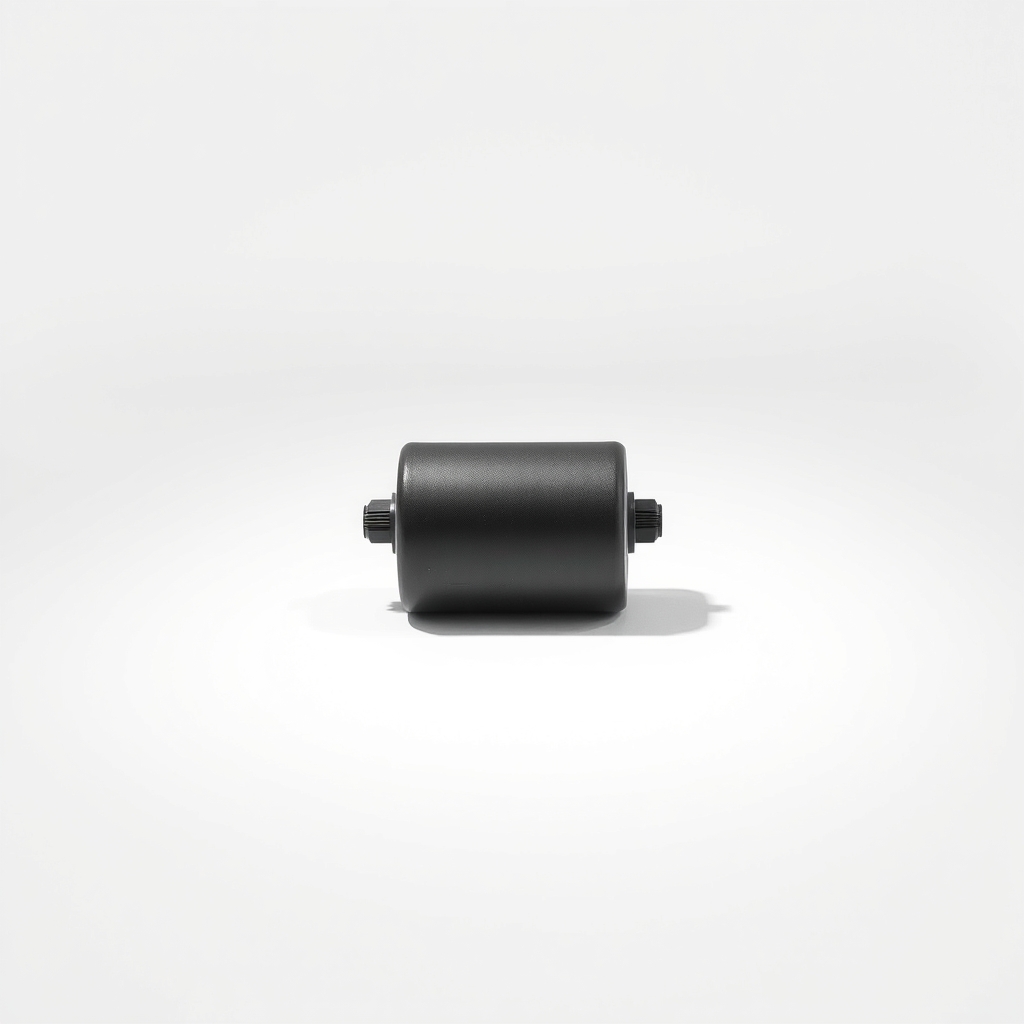
Sealed nylon garage door rollers
Steel rollers with open bearings clatter against the metal track and wear flat. Nylon rolls quietly, and sealed bearings keep the dust out. Rollers are usually the loudest part of the door, so this is the change you hear most.
How long it lasts: Many years. Sealed bearings keep grit out and need little upkeep.
As an Amazon Associate I earn from qualifying purchases.
What you'll need
-
Socket wrench set
Try different sizes; hinge and track bolts are often 7/16 inch
You have it -
Clean rag
For wiping the track and drips
You have it -
Locking pliers or C-clamp
Clamp on the track to stop the door from rising while you work
You have it - Illustration
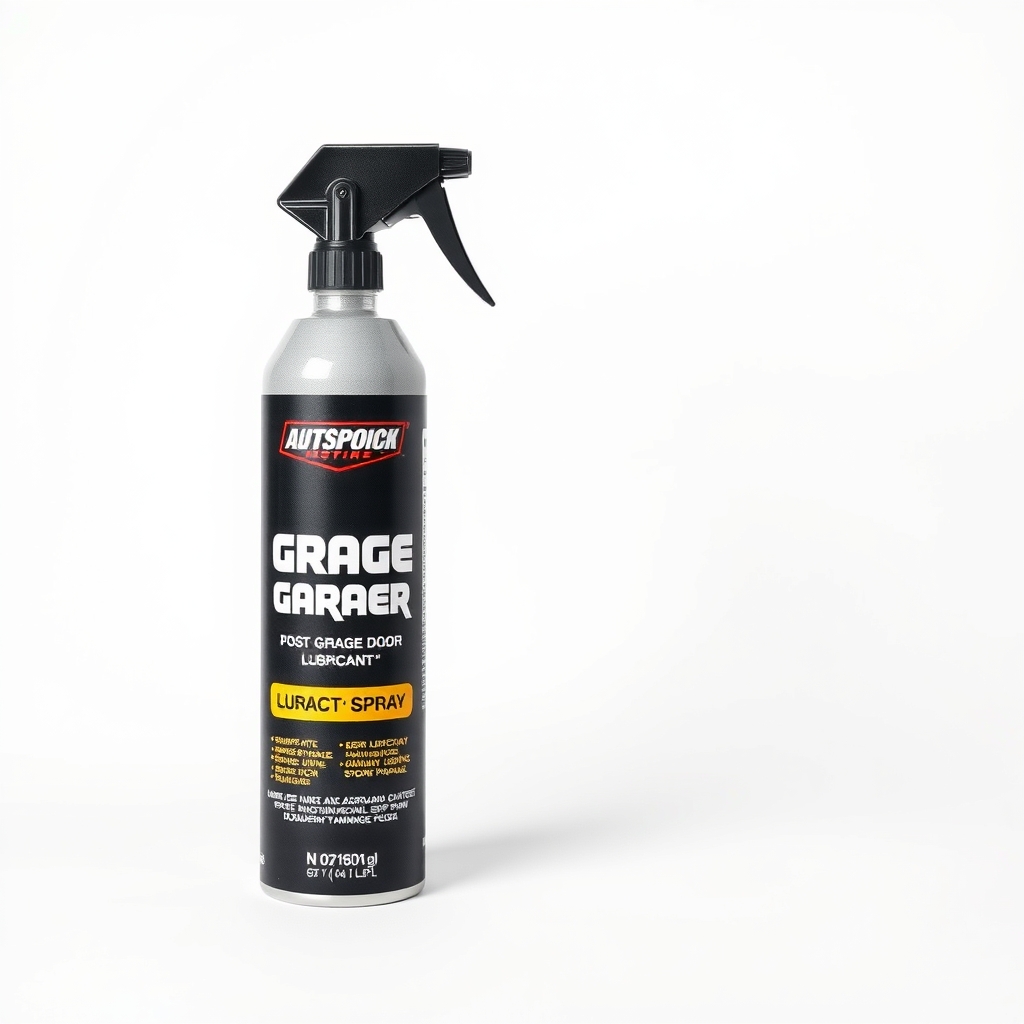
Garage door lubricant
Silicone or white lithium, made for garage doors
- Our pick Illustration
Sealed nylon garage door rollers
Count your rollers and measure an old one first
Why it happens
Loose hinges and brackets
Years of vibration loosen nuts and bolts. Loose hardware rattles and lets the door sway in the track.
Dry hinges and rollers
Metal-on-metal squeals when the lube is gone. Hinge pivots and roller stems dry out first.
Worn steel rollers
Steel rollers with exposed or worn bearings clatter along the track and can wear flat spots. They are the most common source of a loud rumble.
A door that is out of balance
A door that strains or groans can have a spring that has lost tension. That is a job for a pro, not something to adjust yourself.
The opener itself
Chain-drive openers run louder than belt drives. If the noise comes from the motor unit, rollers will not change it.
Try this first (free)
Do these in order, starting with the simplest.
-
Find where the noise comes from
Run the door up and down and listen. A squeal points to dry hinges, a clatter along the track points to rollers, a grind from overhead points to the opener, and a rattle only in wind points to loose stops or seals.
-
Tighten the bolts
Tool used: Socket wrench setWith the door closed and the opener unplugged, snug up every hinge and track-bracket bolt. Do not overtighten, since that strips the thread. Leave the bottom corner brackets alone.
-
Wipe the track and lube moving parts
Tool used: Garage door lubricantWipe the track with a rag. Spray lube on the hinge pivots and roller stems, and lightly on the springs from the ground. Do not spray the track, since lube there collects dust.
IllustrationCheck price on AmazonTool for this step
Garage door lubricant · Silicone or white lithium, made for garage doors
-
Check each roller
Tool used: Clean ragLook at each roller and spin it with your finger. Wobbling, flat spots, cracks or a stem that moves in the hinge mean it needs replacing. Count how many you have.
-
Replace worn rollers one at a time
Tool used: Sealed nylon garage door rollersOnly swap rollers on the hinges and the top bracket. Clamp the track above the roller, loosen the hinge bolts a little, slide the old roller out, slide the new one in and retighten. Leave the bottom brackets, springs and cables to a pro.
IllustrationCheck price on AmazonTool for this step
Sealed nylon garage door rollers · Count your rollers and measure an old one first
When free fixes aren't enough
If you tightened and lubricated and the door is still loud as it travels, the steel wheels are hitting the steel track, and no spray fixes worn bearings. Sealed nylon rollers change that. They will not fix a loud opener motor, an out-of-balance door or damaged springs. And if your rollers are already nylon and in good shape, the noise is coming from somewhere else, so do not buy more.
Buy the fix
Still stuck after the free fixes? These are the products we would look at.
| Pick | Product | Fixes | Who it's for | Buy |
|---|---|---|---|---|
| Best pick | Sealed nylon garage door rollers | clatter and rumble from worn steel rollers | Doors with steel rollers that rattle in the track, especially when a bedroom or living space sits above or beside the garage. | Check price |
| Budget pick | Garage door lubricant spray | squeaks from dry hinges and roller stems | Doors that squeal but still roll smoothly, as a first and cheapest step. | Check price |
Sealed nylon garage door rollers
Fixes: clatter and rumble from worn steel rollers
Look for: Nylon wheels with sealed bearings; The right wheel diameter, stem length and track width for your door; A pack count that matches the rollers on your door; A stem that fits your hinges.
- Who it's for
- Doors with steel rollers that rattle in the track, especially when a bedroom or living space sits above or beside the garage.
- Honest downside
- Your rollers are already nylon and in good shape, the noise comes from the opener, or you are not comfortable working near a spring-loaded door. Call a garage door technician.
Garage door lubricant spray
Fixes: squeaks from dry hinges and roller stems
Look for: Made for garage doors, silicone or white lithium; A spray straw for hinges and tight spots; Not a thin solvent spray that dries out in weeks.
- Who it's for
- Doors that squeal but still roll smoothly, as a first and cheapest step.
- Honest downside
- Your rollers are visibly worn or wobbly, because lube will not fix them. Do not spray the track.
As an Amazon Associate I earn from qualifying purchases. We don't show prices because they change, so use the button to see today's price.
How we picked: How we picked: this page is based on garage door maintenance guides, roller maker specifications, door-service company advice, and the problems and fixes owners report in reviews. We do not test products by hand.
Door rattles in the wind: check these four spots
- Loose track bolts and brackets
- The vertical door stop moulding along both sides
- The rubber seal along the bottom edge
- Worn hinges that let the panels flex
Leave these to a pro
Do not touch the springs, the lift cables or the bottom corner brackets. They hold the door's full weight under high tension, and a slip can cause serious injury. Call a garage door technician if the door feels heavy, will not stay halfway up on its own, or you see frayed cables or a gap in a spring.
What to skip
Greasing the track and thin all-purpose sprays
Lube on the track collects dust and grit that wear the rollers. Wipe the track clean and dry instead. A thin all-purpose spray dries out in weeks. Use garage door lube on the hinges and roller stems only.
Frequently asked questions
Why is my garage door so loud?
How do I stop my garage door rattling in the wind?
Are nylon rollers really quieter than steel?
How often should I lubricate a garage door?
Related problems
 Free fix inside
Outdoor & Garage · Garage Door
Garage Door Squeaking? The Right Lube and 3 Spots to Hit
Read the fix Free fix inside
Outdoor & Garage · Garage Door
Garage Door Gaps on the Sides? Seal Them in an Afternoon
Read the fix Free fix inside
Outdoor & Garage · Garage Door Opener
Garage Door Opener Beeping? Often It's the Backup Battery
Read the fixAs an Amazon Associate I earn from qualifying purchases. Affiliate disclosure