Garden Hose Pressure Low? Check the Hose Width Before the Faucet
A narrow, long or kinked hose chokes the flow long before the faucet does. Check the simple causes first, then swap in a wider 3/4-inch hose.
By Jamilur Rahman Updated November 5, 2026 · 7 min read
- Time
- 20 min
- Cost
- $20-$50
- Difficulty
- Easy
In this guide
Quick answer
Why is my garden hose pressure low? Most often the hose is too narrow or too long for the flow you want, it is kinked, or a nozzle, splitter or screen is clogged. Open the spigot fully, remove the nozzle, straighten the hose and check the screen washer. If the water is still weak with a short, clear hose, a 3/4-inch hose carries more water than a 1/2-inch hose and is the fix that lasts.
Free fix vs. permanent fix
Straighten, unclog and test
- Open the spigot and any shutoff valve all the way
- Take off the nozzle and test the flow at the open hose
- Straighten kinks and remove any splitter
- Clean the screen washer at the faucet end
How long it lasts: Fixes kinks and clogs for good. Does nothing if the hose is simply too narrow or too long for your flow.
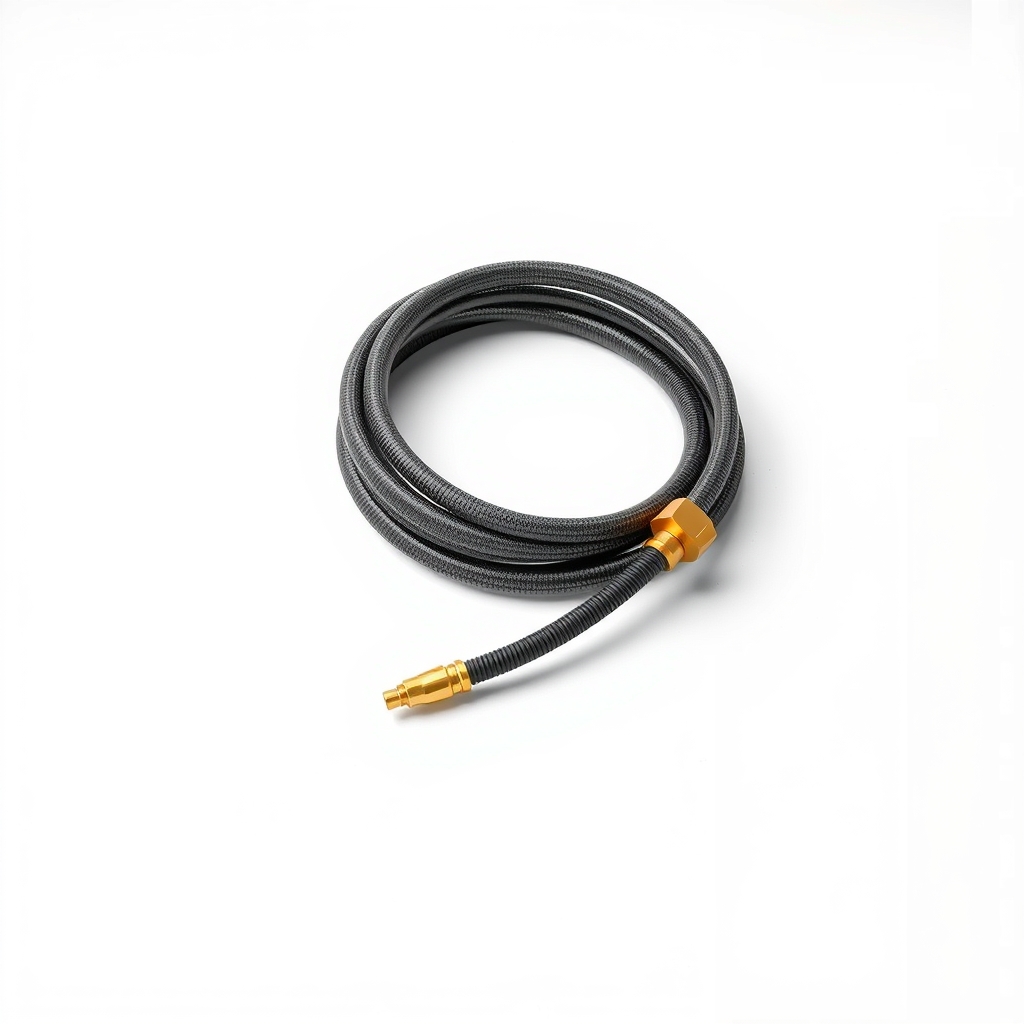
A 3/4-inch garden hose
A 3/4-inch hose has more than twice the open area of a 1/2-inch hose. Water meets less friction on its way to the nozzle, so more reaches the end, especially over 50 feet or more. If the hose is the bottleneck, this is the fix.
What to get: 3/4-inch garden hose
How long it lasts: Years. The wider bore keeps flow strong over longer runs.
As an Amazon Associate I earn from qualifying purchases.
What you'll need
-
5-gallon bucket and a timer
Measures how much water your faucet really delivers
You have it -
Pliers or a small pick
For lifting the screen washer out of the hose end
You have it - Illustration
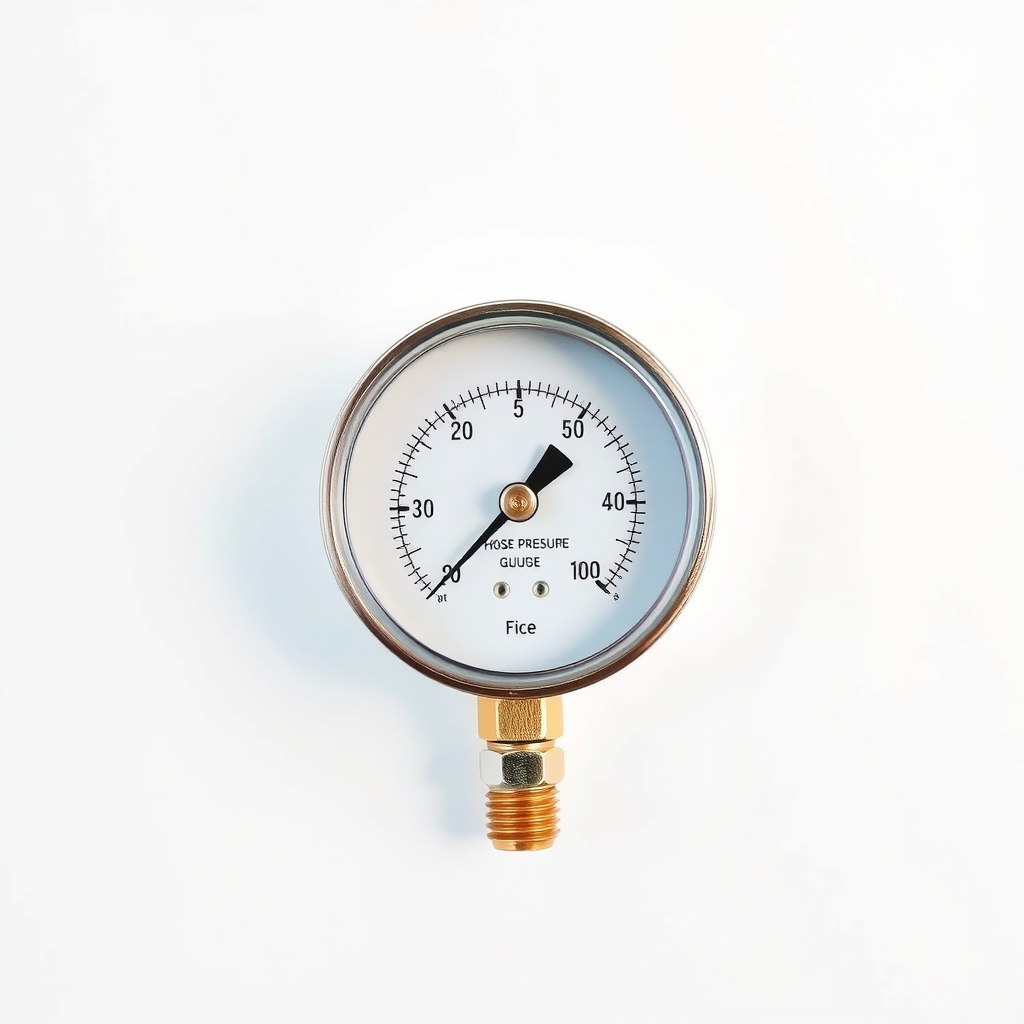
Water pressure gauge for a hose faucet
Optional. Shows pressure at the faucet itself
- Our pick Illustration
3/4-inch garden hose
Choose the shortest length that reaches
- Illustration
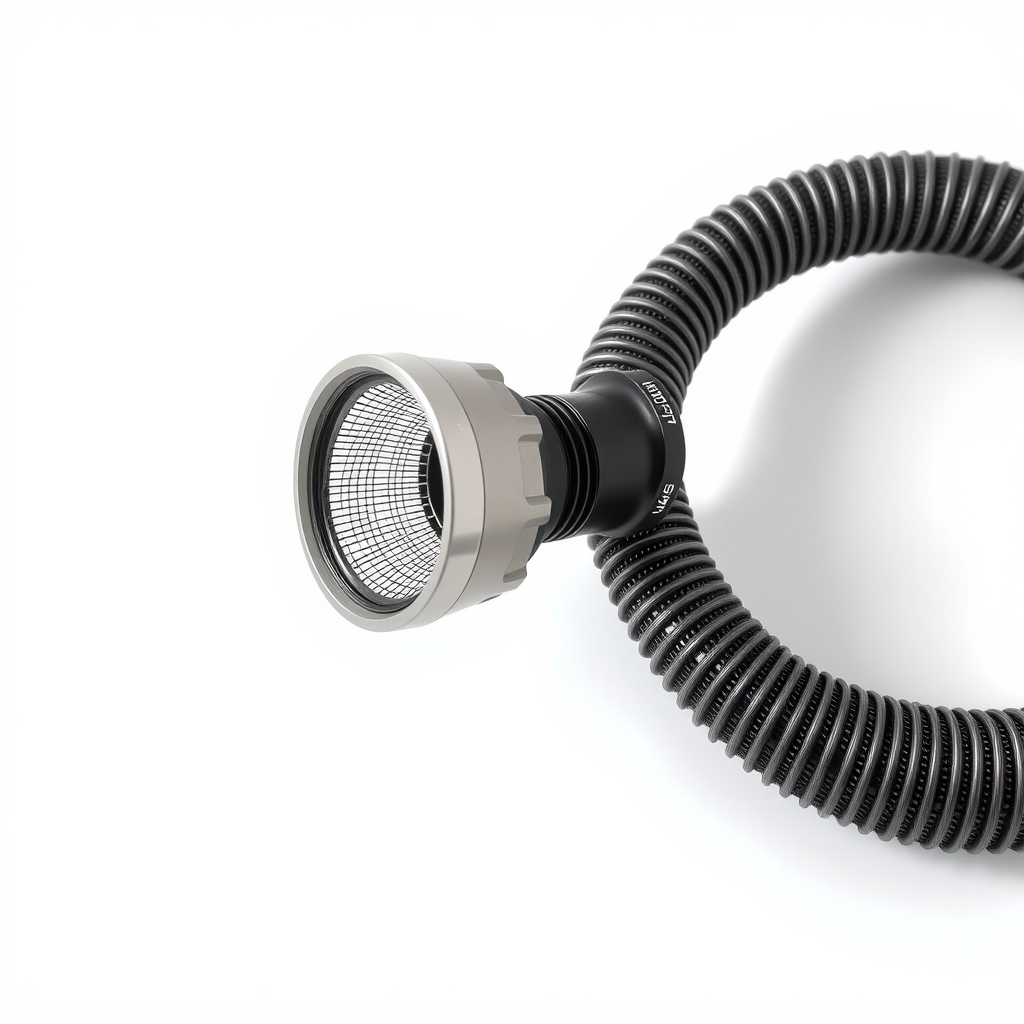
Replacement hose washers with filter screens
Cheap fix for clogs and leaks at the connection
Why it happens
A hose that is too narrow or too long
A 1/2-inch hose of 100 feet loses a lot of flow to friction. The longer and thinner the hose, the weaker the water at the end.
Kinks and twists
A tight bend or a twist pinches the hose and cuts the flow. Old hoses also kink in the same spot every time.
A clogged nozzle, screen or splitter
Sand and mineral flakes block the small holes in a nozzle and the screen washer at the hose end. A two-way splitter shares the flow, so each hose gets less.
A faucet or valve that is not fully open
A half-open spigot, or an indoor shutoff valve that is not fully on, limits what the hose can get.
Low supply pressure
Everyday pressure is often 40 to 60 psi, but some homes run lower. A long shared pipe, a partly closed main valve or a failing pressure regulator can cut it. A hose cannot raise it.
Try this first (free)
Do these in order, starting with the simplest.
-
Open the faucet and any shutoff valve fully
Turn the outdoor spigot all the way open. If there is a shutoff valve inside the house for that spigot, check that it is fully on, with the handle in line with the pipe.
-
Remove the nozzle and test the flow
Take the nozzle or sprayer off and let the water run. If the flow is strong, the nozzle is the problem and may need cleaning or replacing.
-
Do a quick bucket test at the faucet
Tool used: 5-gallon bucket and a timerDisconnect the hose and time how long the faucet takes to fill a 5-gallon bucket. Under about a minute is decent. Much slower points to the supply, not the hose.
-
Straighten the hose and drop the splitter
Lay the hose out in a straight line and look for kinks. Remove any splitter and test again with one hose. Check for drips at every connection, since a leak wastes pressure.
-
Clean the screen washer
Tool used: Pliers or a small pickUnscrew the hose from the faucet and look inside the female end. Lift out any screen washer with pliers or a pick, rinse off grit and press it back in. Replace the washer if it is cracked.
When free fixes aren't enough
If the bucket test shows good flow at the faucet but the hose end is still weak with the nozzle off and no kinks, the hose is the bottleneck. A long, narrow hose will keep disappointing you however you coil it. A wider hose, kept as short as you can, is the lasting fix. If the bucket test is slow, or other taps in the house are weak as well, the problem is the water supply, not the hose. Check the main shutoff valve, and call a plumber or your water utility.
Buy the fix
Still stuck after the free fixes? These are the products we would look at.
| Pick | Product | Fixes | Who it's for | Buy |
|---|---|---|---|---|
| Best pick | 3/4-inch garden hose | weak flow from a narrow or long hose | Anyone who waters from a long hose, runs a sprinkler or fills pools and tubs. | Check price |
| Budget pick | Hose washers with filter screens | leaks and clogs at the hose connection | Anyone whose hose leaks at the faucet or has debris in the screen. | Check price |
3/4-inch garden hose
Fixes: weak flow from a narrow or long hose
Look for: A 3/4-inch inner diameter, listed in the product details; Solid brass fittings that screw on a standard faucet; A kink-resistant build, such as reinforced layers; The shortest length that reaches your garden.
- Who it's for
- Anyone who waters from a long hose, runs a sprinkler or fills pools and tubs.
- Honest downside
- Your hose is under 25 feet and the flow is fine. A wider hose is heavier and stiffer to coil, so it adds nothing for a short run.
Hose washers with filter screens
Fixes: leaks and clogs at the hose connection
Look for: A fit for standard hose threads; A rubber or silicone washer that seals; A mesh filter that catches grit.
- Who it's for
- Anyone whose hose leaks at the faucet or has debris in the screen.
- Honest downside
- The bucket test shows the faucet is the weak point. New washers will not help.
As an Amazon Associate I earn from qualifying purchases. We don't show prices because they change, so use the button to see today's price.
How we picked: How we picked: this page is based on hose and faucet maker guides, plumbing advice on water pressure and flow, and what owners report in hose reviews. We do not test products by hand.
Which hose width fits the job
- 1/2-inch: light, easy to coil. Fine for short runs and a quick rinse.
- 5/8-inch: the common all-round size for most yards.
- 3/4-inch: best for long runs, sprinklers and pool or tub filling, at the cost of more weight.
Low pressure or low flow?
Pressure is how hard the water is pushed. Flow is how much comes out. A narrow hose lowers flow at the end. A pressure gauge on the faucet shows the supply pressure. Many homes run about 40 to 60 psi. Well below that points to the house supply, not the hose.
What to skip
Booster nozzles, clip-on pressure boosters and hose pumps
A hose nozzle shapes the stream but does not add water. Products that promise to boost pressure on a plain faucet rarely do. A pump is for a different job, such as moving water from a rain barrel. Fix the kink, clog or hose width first.
Frequently asked questions
Why does my garden hose have no pressure?
Why is my garden hose water pressure low only at the end?
Garden hose not enough pressure for a sprinkler, what size hose?
Does hose length affect water pressure?
Do I need a different faucet for a 3/4-inch hose?
Related problems
 Free fix inside
Outdoor & Garage · Garden Hose
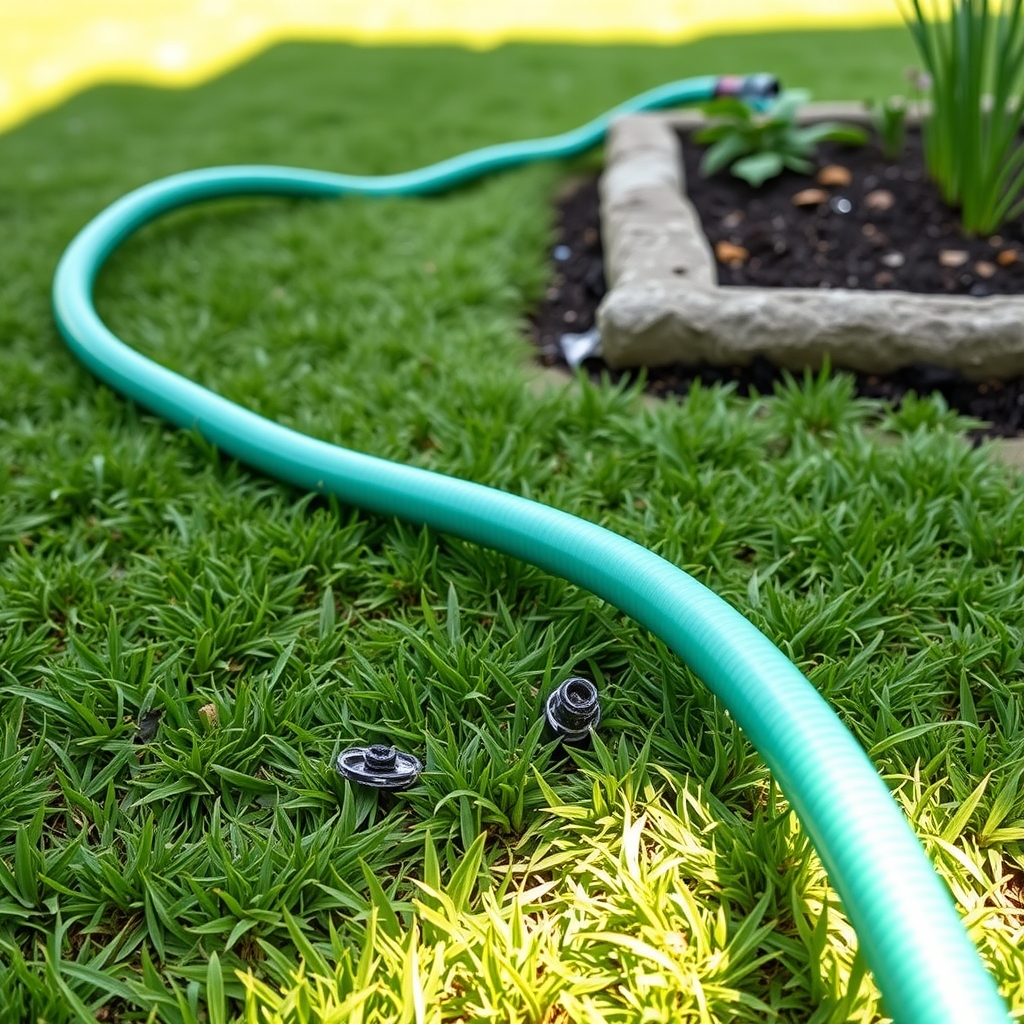
Garden Hose Kinking Again? Kink-Resistant Hoses Worth Buying
Read the fix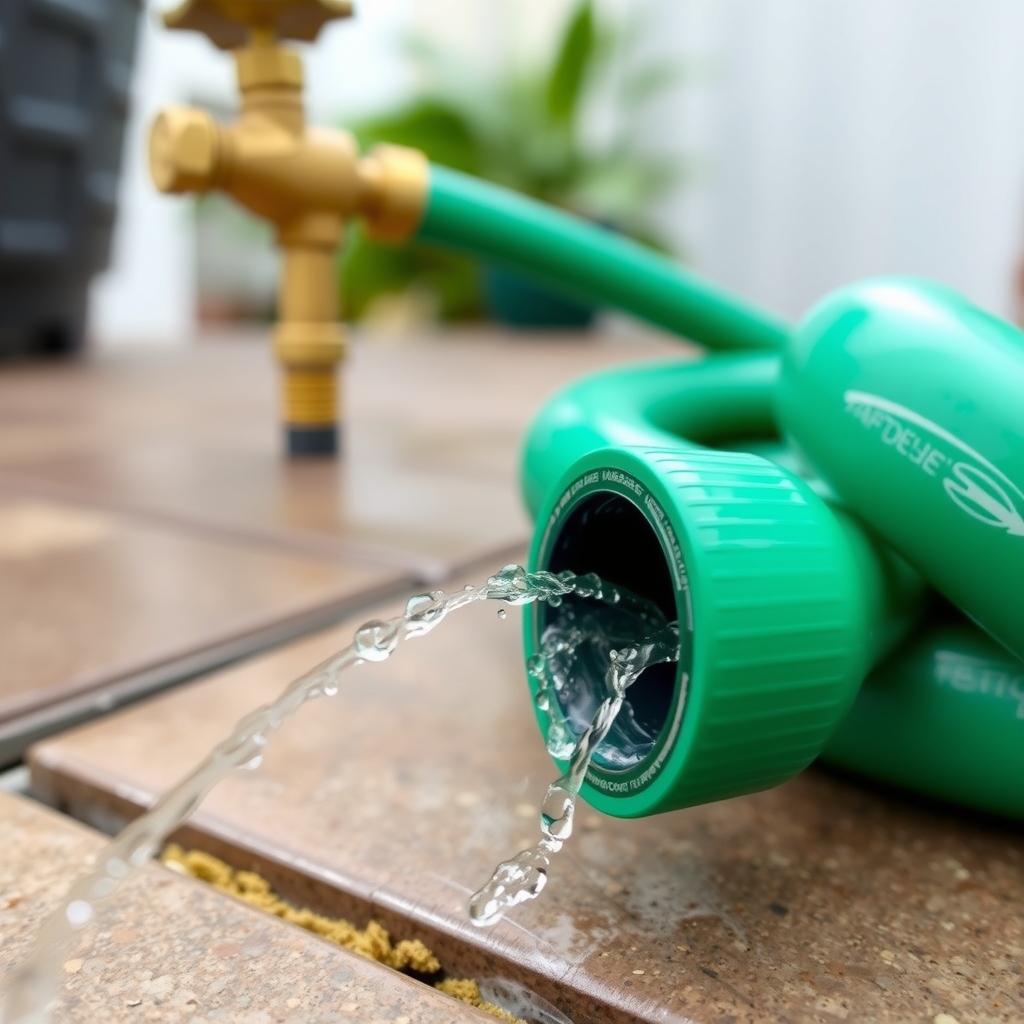 Free fix inside
Outdoor & Garage · Garden Hose
Garden Hose Keeps Bursting? Rubber Hoses That Take Pressure
Read the fix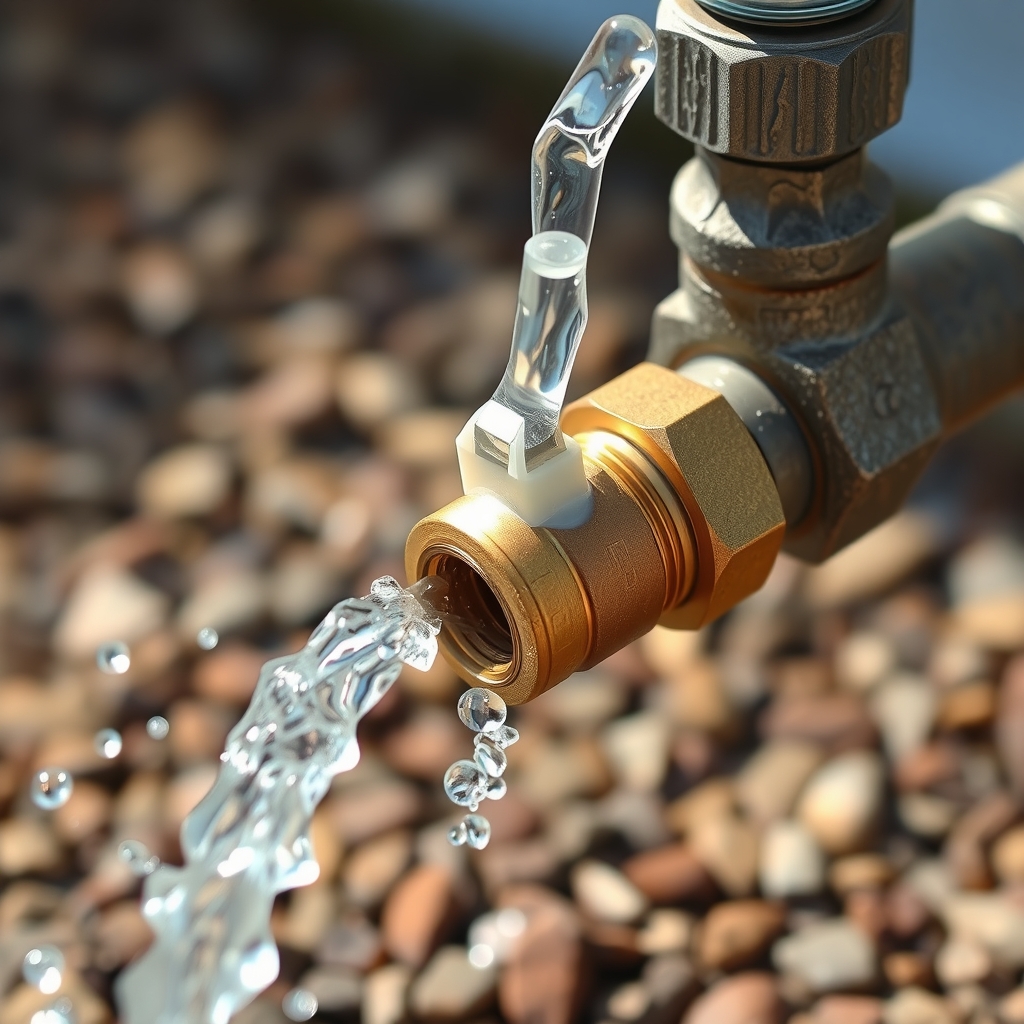 Free fix inside
Outdoor & Garage · Hose Connection
Garden Hose Leaking at the Connection? Start With a Cheap Washer
Read the fix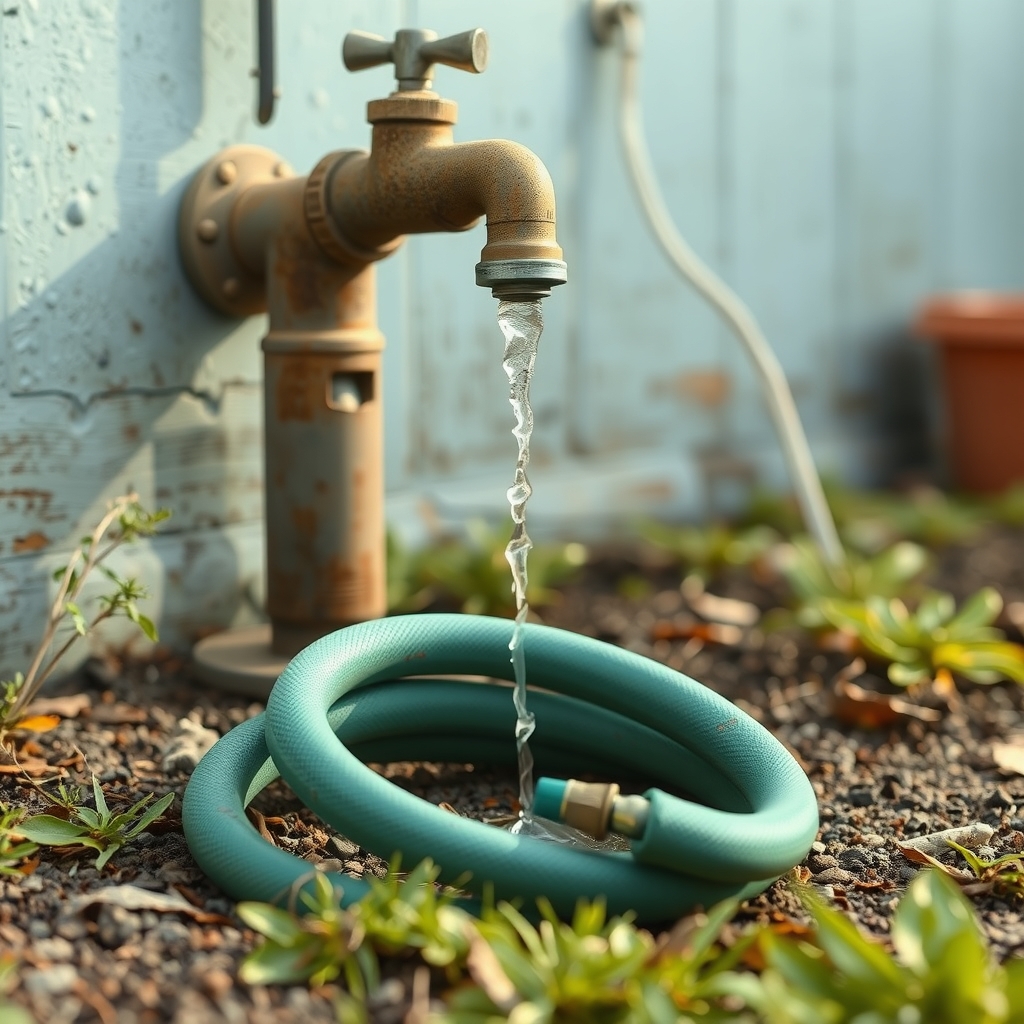 Free fix inside
Outdoor & Garage · Hose Connection
Garden Hose Popping Off? Quick-Connect Fittings Hold Tight
Read the fixAs an Amazon Associate I earn from qualifying purchases. Affiliate disclosure