Lawn Mower Belt Slipping? Check the Wear, Then Swap It
A slipping belt is glazed, stretched or oily, or a pulley is dragging. Check the wear in 10 minutes, then fit the exact belt for your model.
By Jamilur Rahman Updated November 5, 2026 · 6 min read
- Time
- 1 hour
- Cost
- $20-$50
- Difficulty
- Medium
In this guide
Quick answer
To stop a lawn mower belt from slipping, find out why it slips. Usually the belt is worn smooth (glazed), stretched, cracked or soaked in oil, or it is riding on a pulley that no longer turns freely. Clean the deck, check the belt and pulleys, and replace the belt with the exact one listed for your model. Belt dressing only hides the problem for a mow or two.
Free fix vs. permanent fix
Clean, inspect and re-seat the belt
- Pull the spark plug wire off first
- Scrape out packed grass and wipe the pulley grooves
- Look for a shiny, glazed surface, cracks and frayed edges
- Spin each pulley by hand to feel for roughness
How long it lasts: Fixes a belt that is only dirty or has jumped off a pulley. A glazed, cracked or stretched belt starts slipping again within a few mows.
A new belt that matches your model
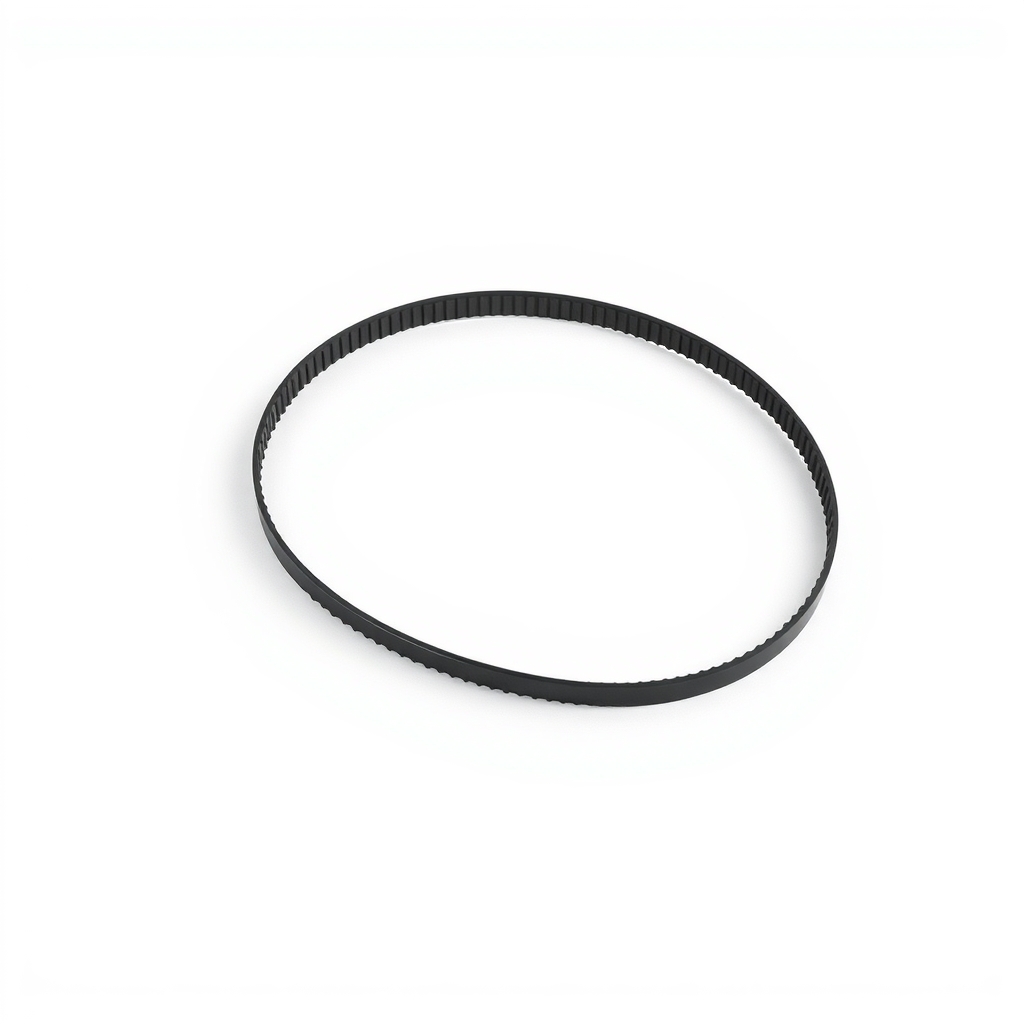
A glazed or stretched belt cannot grip, and no amount of cleaning brings the rubber back. A new belt of the correct length and width grips the pulleys again. A belt that is slightly off in size will slip too, so the part number matters.
What to get: Replacement mower belt matched to your model
How long it lasts: Long-term, as long as the pulleys are in good shape and you keep the deck clear of packed grass.
As an Amazon Associate I earn from qualifying purchases.
What you'll need
-
Socket and wrench set
Loosens belt guards and deck bolts
You have it -
Work gloves
Deck edges and pulleys are sharp
You have it -
Phone camera
Photograph the belt route before you take it off
You have it -
Plastic scraper or putty knife
Clears packed grass from the deck and pulleys
You have it - Our pick Illustration
Replacement mower belt
Match it to your mower's model number and deck size
- Illustration
Replacement idler pulley
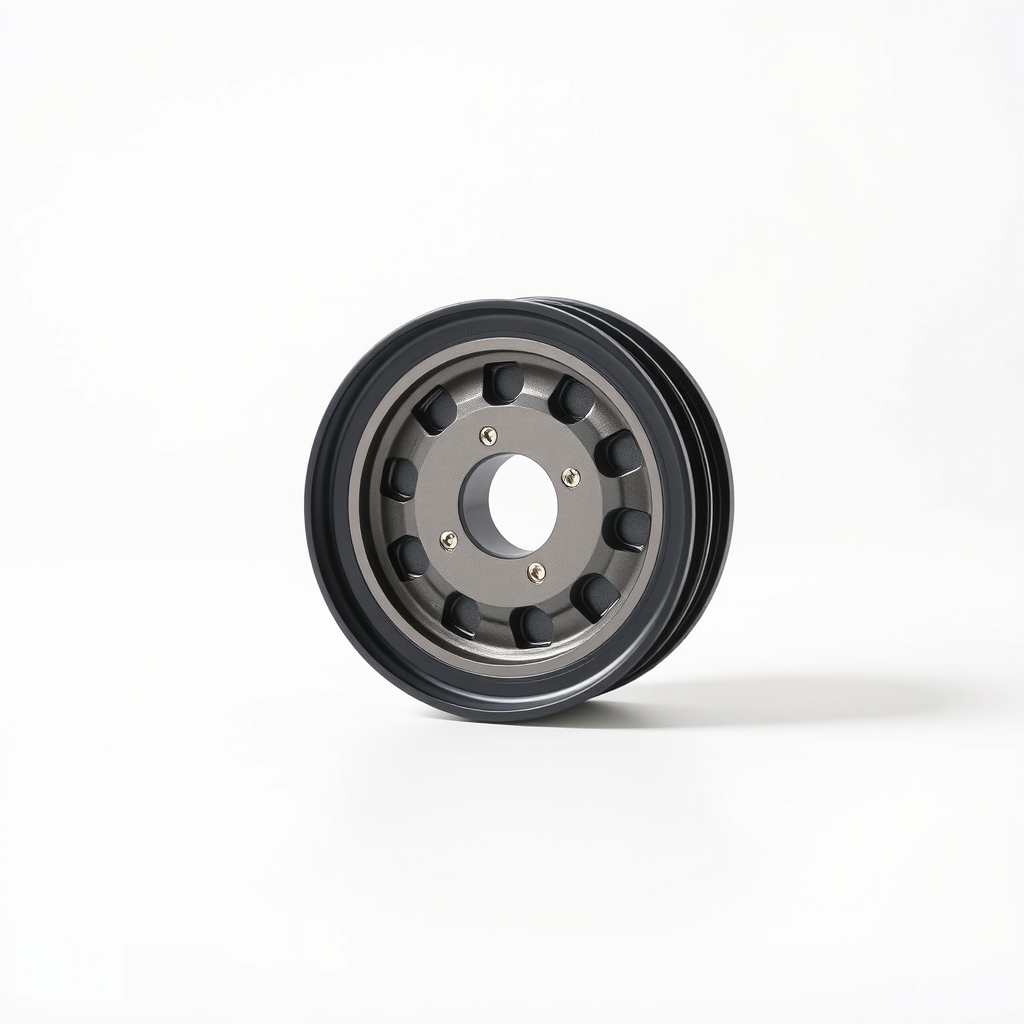
Only if a pulley wobbles or feels rough
Why it happens
A worn, glazed belt
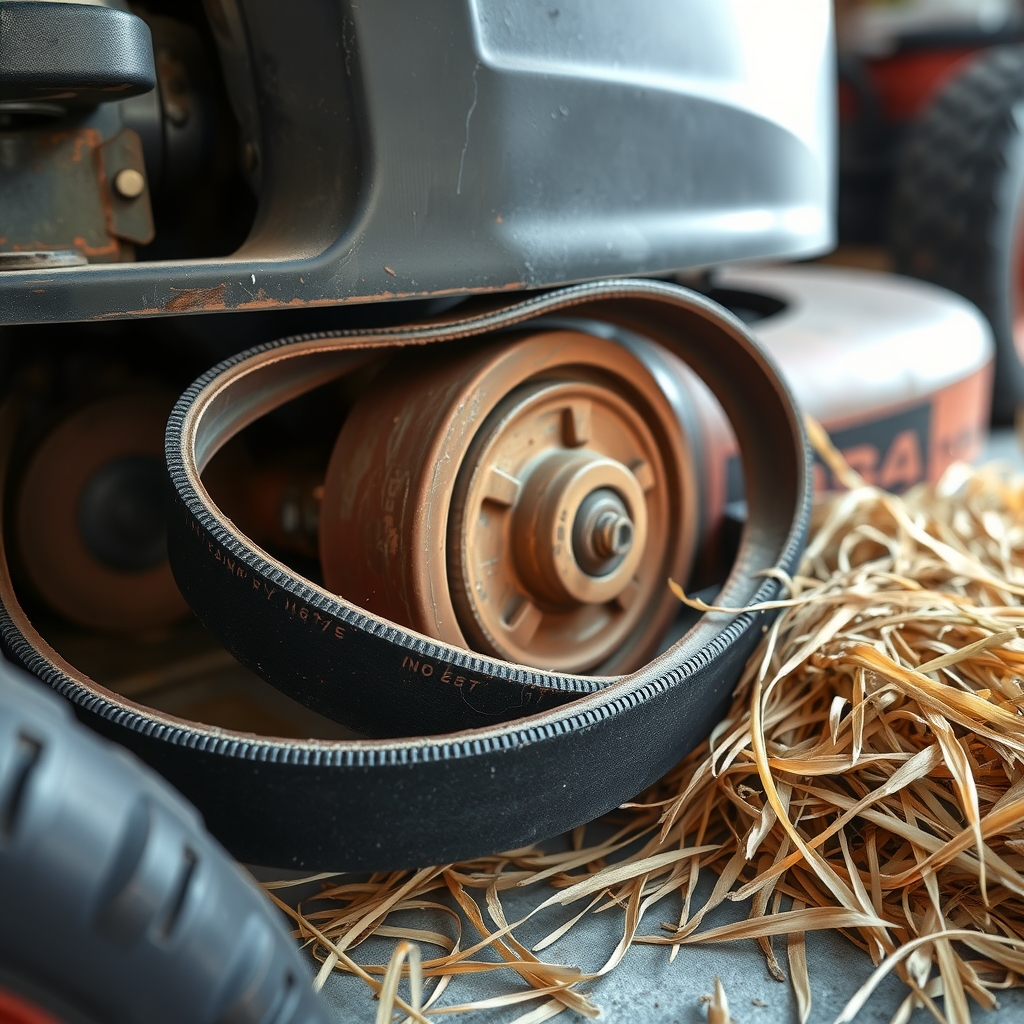
Heat and slipping polish the sides of the belt until they look shiny. A glazed belt cannot grip, so it slips more, and that glazes it further.
A stretched or cracked belt
Belts stretch with age and heavy loads. Cracks across the underside, frayed edges and missing chunks all mean the belt is finished.
Oil, gas or grease on the rubber
A small engine leak or too much spray lubricant coats the belt. An oily belt slips and breaks down quickly.
Worn pulleys or a weak tensioner
A seized or wobbly idler pulley, a bent belt guide or a tension spring that has lost its pull lets the belt loosen or ride up out of the groove.
The wrong belt
A belt that is a little too long or the wrong width never gets properly tight and rides poorly in the pulley groove.
Try this first (free)
Do these in order, starting with the simplest.
-
Make the mower safe to work on
Turn the engine off, remove the key and pull the spark plug wire off the plug. On a walk-behind, tilt it with the air filter and carburetor side up, so fuel and oil do not run into the wrong places. On a riding mower, follow the manual to lift the deck.
-
Photograph the belt route
Tool used: Phone cameraTake clear photos of the belt path around every pulley before you remove anything. On a deck with several pulleys, the routing is easy to get wrong.
-
Clean the deck and pulleys
Tool used: Plastic scraper or putty knifeScrape out packed grass and wipe the pulley grooves. Caked grass makes a belt ride up out of the groove and slip.
-
Inspect the belt and spin each pulley
Look for shiny sides, cracks, frays and oil. Spin every pulley by hand. It should turn smoothly and quietly. Wobble, grinding or a rough spot means a bad bearing.
-
Fit the matching belt
Tool used: Replacement mower beltFind the part number printed on the old belt, or look up your model number. Route the new belt following your photos, make sure it sits in every groove, and check that the idler or tension spring still moves. Reconnect the spark plug wire last.
IllustrationCheck price on AmazonTool for this step
Replacement mower belt · Match it to your mower's model number and deck size
When free fixes aren't enough
If the belt is shiny, cracked or frayed, cleaning will not bring back its grip, so it needs replacing. If a new belt still slips or squeals, the cause is mechanical: a worn idler pulley, a weak tension spring or a bent belt guide. Fix that part rather than buying another belt. Take the mower to a repair shop if the blades keep spinning after you release the control, if the belt keeps jumping off, or if you smell burning rubber coming from the transmission area.
Buy the fix
Still stuck after the free fixes? These are the products we would look at.
| Pick | Product | Fixes | Who it's for | Buy |
|---|---|---|---|---|
| Best pick | Replacement mower belt matched to your model | a stretched, glazed or cracked belt that no longer grips | Anyone whose belt shows glazing, cracks, stretch or oil damage. | Check price |
| Upgrade pick | Replacement idler pulley | a new belt that still slips or squeals because a pulley is worn | Owners whose pulley wobbles, binds or squeals when they spin it by hand. | Check price |
Replacement mower belt matched to your model
Fixes: a stretched, glazed or cracked belt that no longer grips
Look for: The exact part number listed for your mower's model and deck size; The correct width and length, never just the closest size; Reinforced cord construction for heavy cutting loads.
- Who it's for
- Anyone whose belt shows glazing, cracks, stretch or oil damage.
- Honest downside
- You do not know your model number yet. Find it first. Also skip it if the belt looks fine and a pulley wobbles instead.
Replacement idler pulley
Fixes: a new belt that still slips or squeals because a pulley is worn
Look for: A part number that matches your model; A smooth, sealed bearing that spins quietly; The right diameter and bolt size for your deck.
- Who it's for
- Owners whose pulley wobbles, binds or squeals when they spin it by hand.
- Honest downside
- Every pulley spins smoothly. Then the belt is the problem, not the pulley.
As an Amazon Associate I earn from qualifying purchases. We don't show prices because they change, so use the button to see today's price.
How we picked: How we picked: this page is based on mower owner manuals, belt and pulley service guidance from small-engine repair guides, and what owners report in reviews of replacement belts. We do not test products by hand.
Which belt is slipping? Deck belt or drive belt
- Deck belt: spins the blades. If it slips, the blades slow down or stop in thick grass and you may hear squealing when you engage them.
- Drive belt: moves the wheels on a self-propelled or riding mower. If it slips, the mower slows on hills or stops pulling itself.
Each belt has its own part number, so know which one you are replacing before you order.
What to skip
Belt dressing sprays
Sticky belt dressing can make a worn belt grip for a mow or two. After that it attracts dust and grass, and the rubber is still glazed underneath. Many belt makers advise against it. Treat it as a way to finish today's lawn, not as a repair.
Frequently asked questions
How do I know what size belt my mower takes?
Why does my lawn mower belt squeal?
Do I need new pulleys when I replace the belt?
Can I just tighten the belt?
Related problems
 Free fix inside
Outdoor & Garage · Lawn Mower Parts
Lawn Mower Tire Flat or Off the Rim? A Quick Fix
Read the fix Free fix inside
Outdoor & Garage · Lawn Mower
Lawn Mower Leaving Clumps? Mulching Blades and Dry Grass
Read the fix Free fix inside
Outdoor & Garage · Lawn Mower
Lawn Mower Cutting Uneven? Dull or Unbalanced Blades Are Likely
Read the fix Free fix inside
Outdoor & Garage · Lawn Mower
Lawn Mower Pull Cord Broken? Fix It With a Replacement Rope
Read the fixAs an Amazon Associate I earn from qualifying purchases. Affiliate disclosure