Lawn Mower Tire Flat or Off the Rim? A Quick Fix
A flat mower tire is usually a leaky bead or a small hole. Reseat it and pump it up, then add sealant so the slow leak does not come back.
By Jamilur Rahman Updated November 5, 2026 · 8 min read
- Time
- 45 min
- Cost
- Under $20
- Difficulty
- Medium
In this guide
Quick answer
To fix a lawn mower tire, first find where the air is escaping: the valve, the bead where the tire meets the rim, or a hole in the tread. A tire that has come off the rim goes back on with a ratchet strap squeezed around the tread. Tire sealant then coats the bead and fills small punctures from the inside, so the slow leak does not return. A cut sidewall or dry-rotted rubber needs a new tire.
Free fix vs. permanent fix
Reseat and reinflate
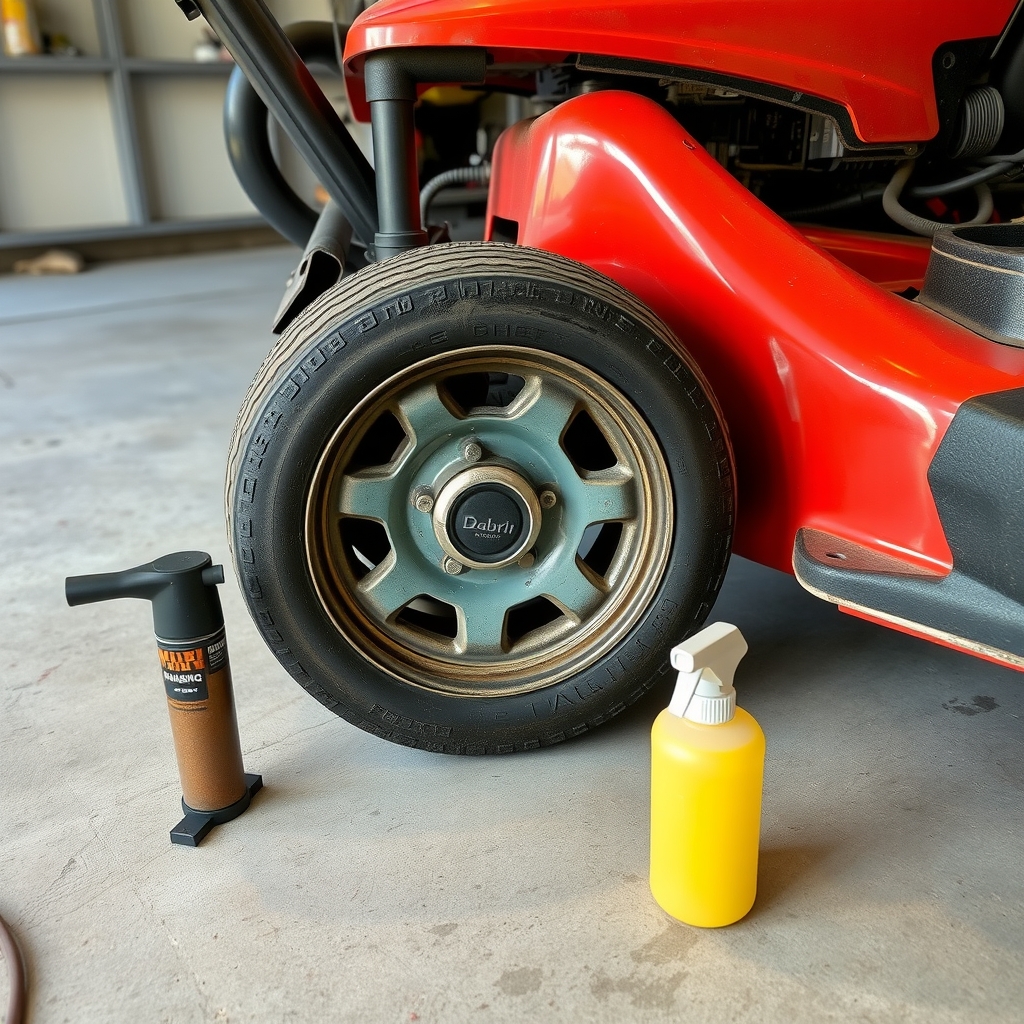
- Find the leak with soapy water
- Clean the rim edge with a wire brush
- Wrap a ratchet strap around the tread to push the tire onto the rim
- Inflate to the pressure in the manual, never above the sidewall maximum
How long it lasts: Weeks to months if the cause was a dirty bead. If there is a hole or the rubber is cracked, it goes flat again.
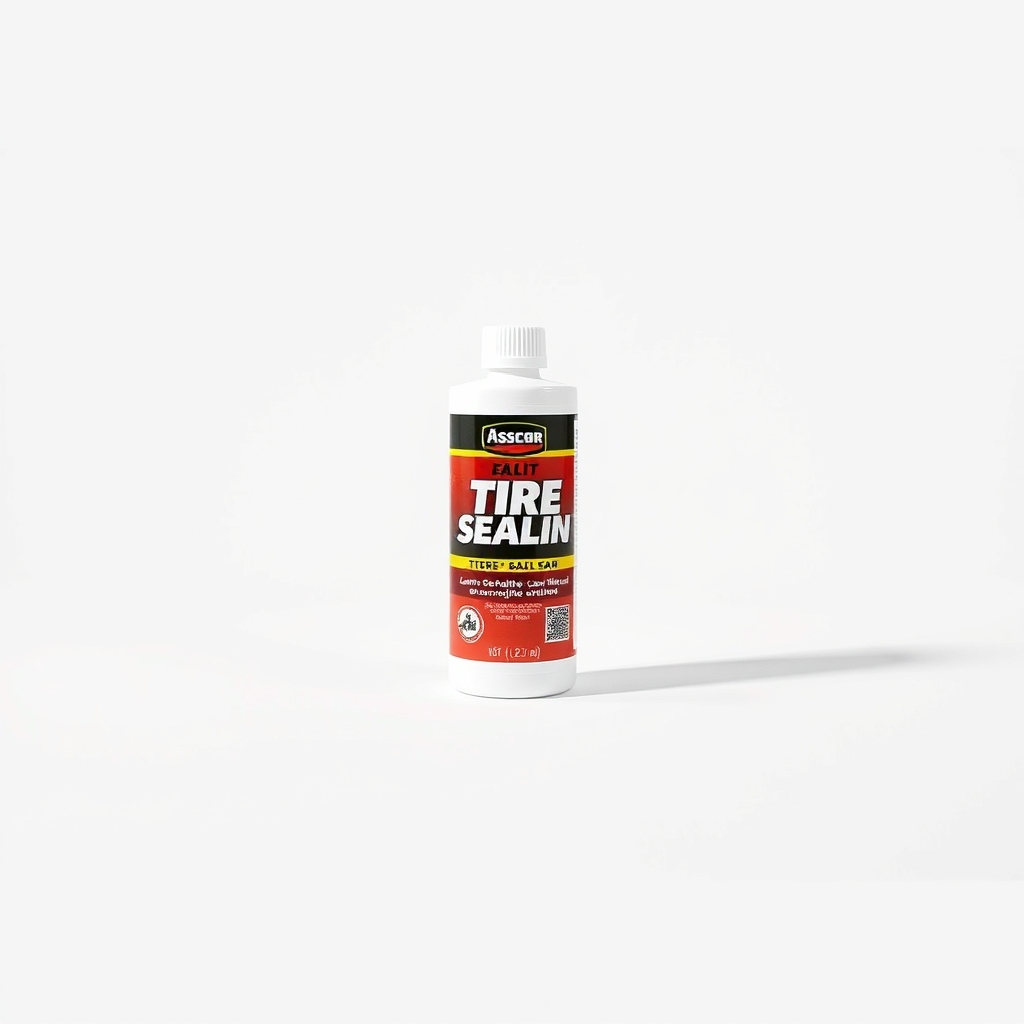
Tire sealant for lawn mower tires
Mower tires are tubeless, run at low pressure and sit for months. The bead seeps air a little at a time, and a pinhole does the same. Sealant coats that seam and plugs pinholes from the inside, so the tire holds air after the repair instead of sagging again by next weekend.
What to get: Tire sealant for lawn mower and small-engine tires
How long it lasts: Owners often report a season or more for slow bead leaks and small punctures. It will not close a cut or a big hole.
As an Amazon Associate I earn from qualifying purchases.
What you'll need
-
Ratchet tie-down strap
Squeezes the tread so the tire edges press onto the rim
You have it -
Hand pump or air compressor
Mower tires only need low pressure
You have it -
Spray bottle of soapy water
Bubbles show where the air is leaking
Free -
Wire brush
Clears rust and dirt from the rim edge
You have it - Our pick Illustration
Tire sealant for mower tires
Goes in through the valve stem
- Illustration
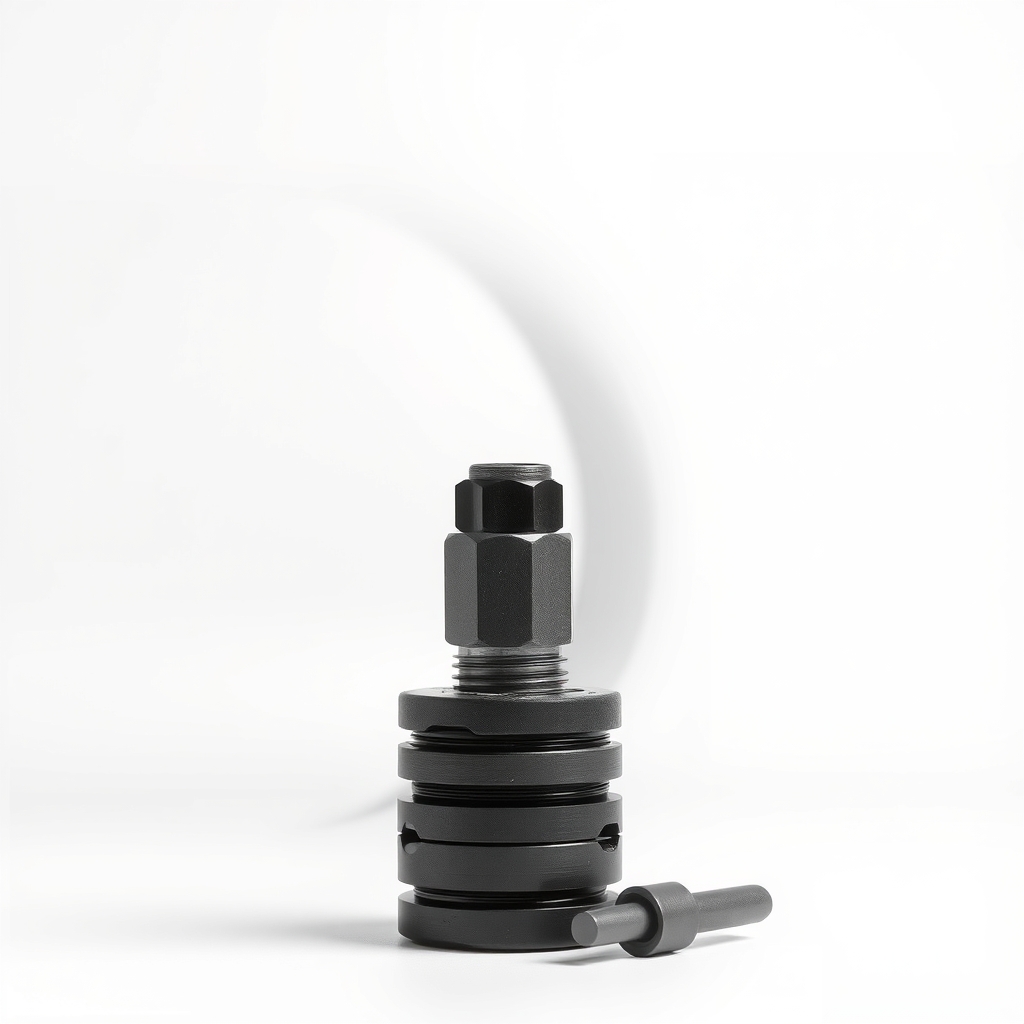
Tubeless tire plug kit
For a nail or thorn hole you can see in the tread
Why it happens
A dirty or rusty bead seat
The seam between the tire and the rim collects dirt and rust, and the rubber stops sealing. Air seeps out over days, which is why the tire was fine last weekend and flat today.
A tire pushed off the rim
A hard turn on a slope, riding on too little air or hitting a stump can break the bead loose. A tire with no air has nothing pressing it against the rim.
A puncture or thorn
Nails, thorns and sharp sticks make small holes in the tread. They leak slowly, and soapy water finds them quickly.
A bad valve stem or cracked rubber
A cracked valve stem or dry-rotted sidewall leaks in many tiny places. Tires in that state usually need replacing, not patching.
Try this first (free)
Do these in order, starting with the simplest.
-
Find the leak
Tool used: Spray bottle of soapy waterSpray soapy water over the valve, the bead and the tread, then spin the wheel slowly. Bubbles mark the leak. Check all the way around, since a bead leak can be on one small stretch.
-
Get the wheel off safely
Work on level ground with the engine off and the spark plug wire pulled. On a riding mower, set the parking brake, block the other wheels and use jack stands, never just a jack. On a push mower, tip it with the air filter and carburetor facing up.
-
Clean the rim and bead
Tool used: Wire brushScrub rust and dirt off the rim edge with a wire brush and wipe the tire's bead clean. A rough or dirty rim is the most common reason for a slow leak at the bead.
-
Put a tire that is off the rim back on
Tool used: Ratchet tie-down strapLet out any air. Wrap the strap around the middle of the tread and ratchet it until the tire bulges and its edges press out toward the rim. Add air through the valve until both edges pop onto the rim, then release the strap.
-
Inflate to the right pressure
Tool used: Hand pump or air compressorMower tires run at low pressure, often in the teens, so check the manual or the sidewall. Never go above the maximum molded into the sidewall. Spray the bead again to confirm it holds.
-
Add sealant if it keeps going flat
Tool used: Tire sealant for mower tiresFollow the bottle. Most sealants go in through the valve stem, and some need the valve core removed. Use the dose for your tire size, reinflate and roll the wheel to spread it around the inside.
IllustrationCheck price on AmazonTool for this step
Tire sealant for mower tires · Goes in through the valve stem
When free fixes aren't enough
If the tire holds air after reseating, you are done. If it goes flat again within a day or two, the leak is a slow seep at the bead or a pinhole, and sealant is the easiest fix because it seals from the inside. It cannot repair a cut sidewall, a bulge, dry-rot cracks or a hole bigger than a small nail. A tire in that shape needs replacing, and a bent or rusted-through rim means a new wheel.
Buy the fix
Still stuck after the free fixes? These are the products we would look at.
| Pick | Product | Fixes | Who it's for | Buy |
|---|---|---|---|---|
| Best pick | Tire sealant for lawn mower and small-engine tires | slow bead leaks and small tread punctures | Anyone whose mower tire goes flat every few weeks. | Check price |
| Budget pick | Tubeless tire plug repair kit | a nail or thorn hole you can find in the tread | Someone with one obvious puncture in the tread. | Check price |
| Upgrade pick | 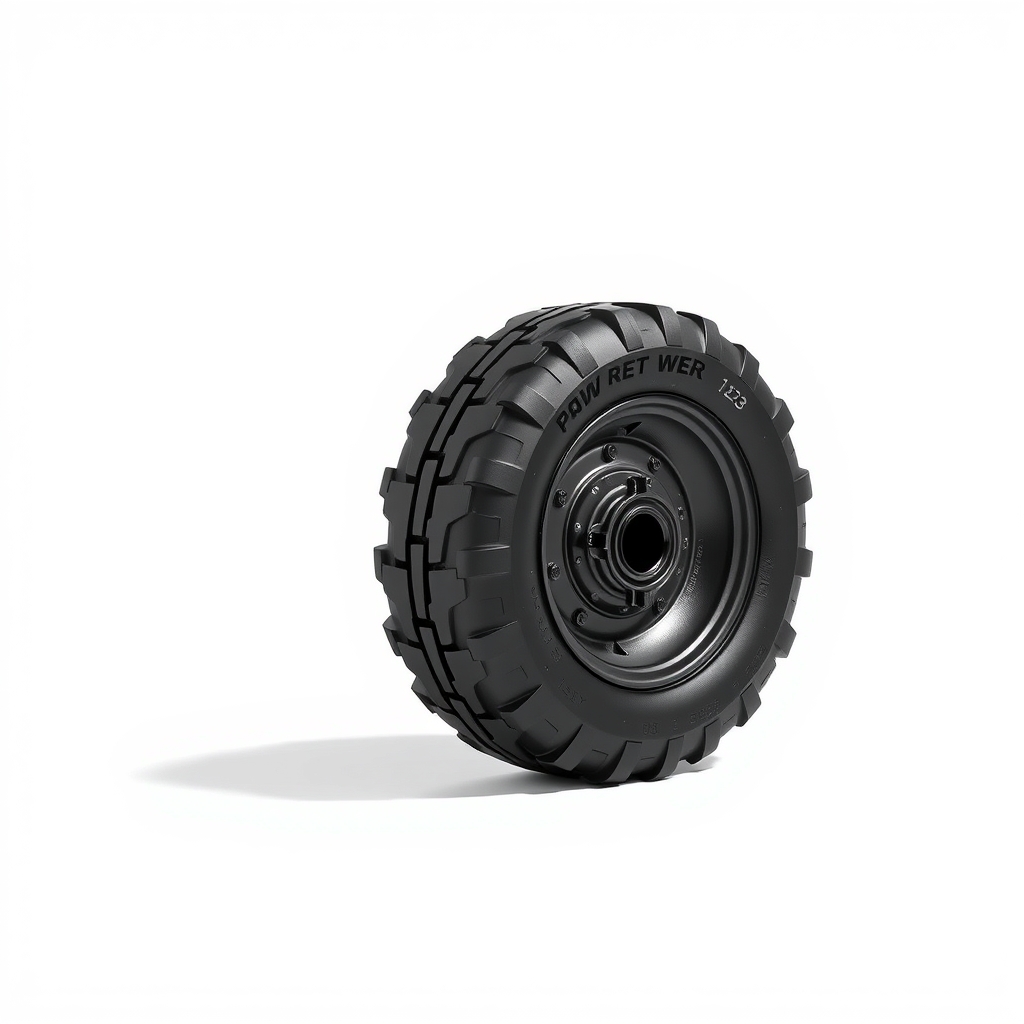 Flat-free replacement mower wheel and tire | tires that keep going flat or have cracked, rotted rubber | Owners who have patched the same tire for seasons. | Check price |
Tire sealant for lawn mower and small-engine tires
Fixes: slow bead leaks and small tread punctures
Look for: Labeled for lawn and garden or small-engine tubeless tires; A water-based formula that the label says is safe for rims; A dose chart for your tire size; Fills through the valve stem.
- Who it's for
- Anyone whose mower tire goes flat every few weeks.
- Honest downside
- The tire is cut, bulging or dry-rotted, or it has an inner tube. Replace the tire, or read the label first.
Tubeless tire plug repair kit
Fixes: a nail or thorn hole you can find in the tread
Look for: Plugs sized for a small hole; A reaming tool and an insertion needle; Rubber cement included.
- Who it's for
- Someone with one obvious puncture in the tread.
- Honest downside
- The leak is at the bead or the valve, or there are several holes. A plug closes one hole only.
Flat-free replacement mower wheel and tire
Fixes: tires that keep going flat or have cracked, rotted rubber
Look for: The same wheel size as the one you are replacing; A matching axle bore and hub width; Solid or foam-filled construction that cannot go flat.
- Who it's for
- Owners who have patched the same tire for seasons.
- Honest downside
- You only have a slow leak that sealant can cure. Flat-free wheels cost more and ride harder.
As an Amazon Associate I earn from qualifying purchases. We don't show prices because they change, so use the button to see today's price.
How we picked: How we picked: this page is based on mower owner manuals, small-engine repair guides, tire sealant label instructions, and the problems and fixes people report in reviews. We do not test products by hand.
Flat or off the rim: which is yours?
- Off the rim: the tire looks loose or twisted on the wheel and the rim edge shows. Reseat it with a strap.
- Flat but on the rim: bubble-test the valve, bead and tread to find a leak.
- Flat every few weeks: a slow bead leak. Clean the rim and add sealant.
- Sidewall cuts or cracks: replace the tire.
Safety before you lift the mower
Pull the spark plug wire so the engine cannot start. Never get under a mower held up only by a jack, and never lean over a tire while you are inflating it near its maximum. If the bead will not seat at or below the sidewall maximum, stop and take the wheel to a tire shop.
What to skip
Starting fluid or a spark to seat the tire
Some videos use a flammable spray and a flame to pop a tire onto the rim. It is a fire and burn hazard, and it can blow the tire off the wheel. A ratchet strap does the same job safely. Also skip pumping past the sidewall maximum, since a weak bead can burst.
Frequently asked questions
How do I fix a lawn mower tire that is off the rim?
Why does my lawn mower tire keep going flat?
How much air should a lawn mower tire hold?
Is tire sealant safe to use in a mower tire?
Related problems
 Free fix inside
Outdoor & Garage · Lawn Mower Parts
Lawn Mower Belt Slipping? Check the Wear, Then Swap It
Read the fix Free fix inside
Outdoor & Garage · Lawn Mower
Lawn Mower Not Starting? 5 Quick Checks Before the Repair Shop
Read the fix Free fix inside
Outdoor & Garage · Lawn Mower
Lawn Mower Cutting Uneven? Dull or Unbalanced Blades Are Likely
Read the fix Free fix inside
Outdoor & Garage · Lawn Mower
Lawn Mower Leaving Clumps? Mulching Blades and Dry Grass
Read the fixAs an Amazon Associate I earn from qualifying purchases. Affiliate disclosure