Keeping the Driveway Clear of Snow: Pusher vs. Shovel
A shovel clears any snow, but lifting it is the hard part. Here is when a wide snow pusher is faster, easier on your back, and when the shovel still wins.
By Jamilur Rahman Updated November 5, 2026 · 7 min read
- Time
- 30 min
- Cost
- $20-$50
- Difficulty
- Easy
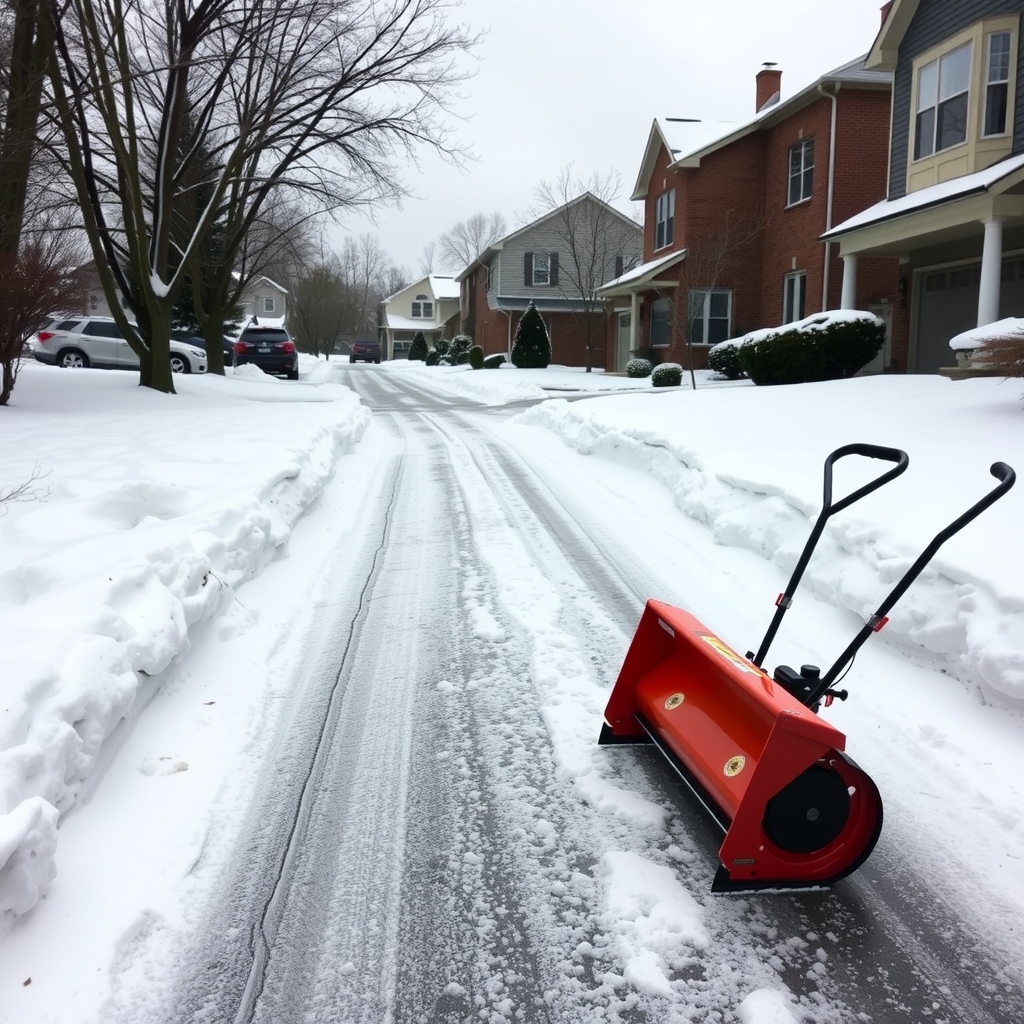
In this guide
Quick answer
The way to keep your driveway clear of snow is to clear it early and often, in thin layers, and to push the snow instead of lifting it. A regular shovel can do that, but a wide snow pusher moves a whole lane at a time with far less lifting. It works best on light to moderate snow. For deep, heavy or icy snow, keep the shovel too.
Free fix vs. permanent fix
Shovel in thin layers, and push before you lift
- Start clearing when 2 to 4 inches have fallen, not after the storm
- Push the snow to the side where you can
- Lift only small scoops, and keep the load close to your body
- Rub wax or spray a little silicone on the blade so snow slides off
How long it lasts: Works for any snow. It is slow, and every scoop you lift adds strain on your back and shoulders.
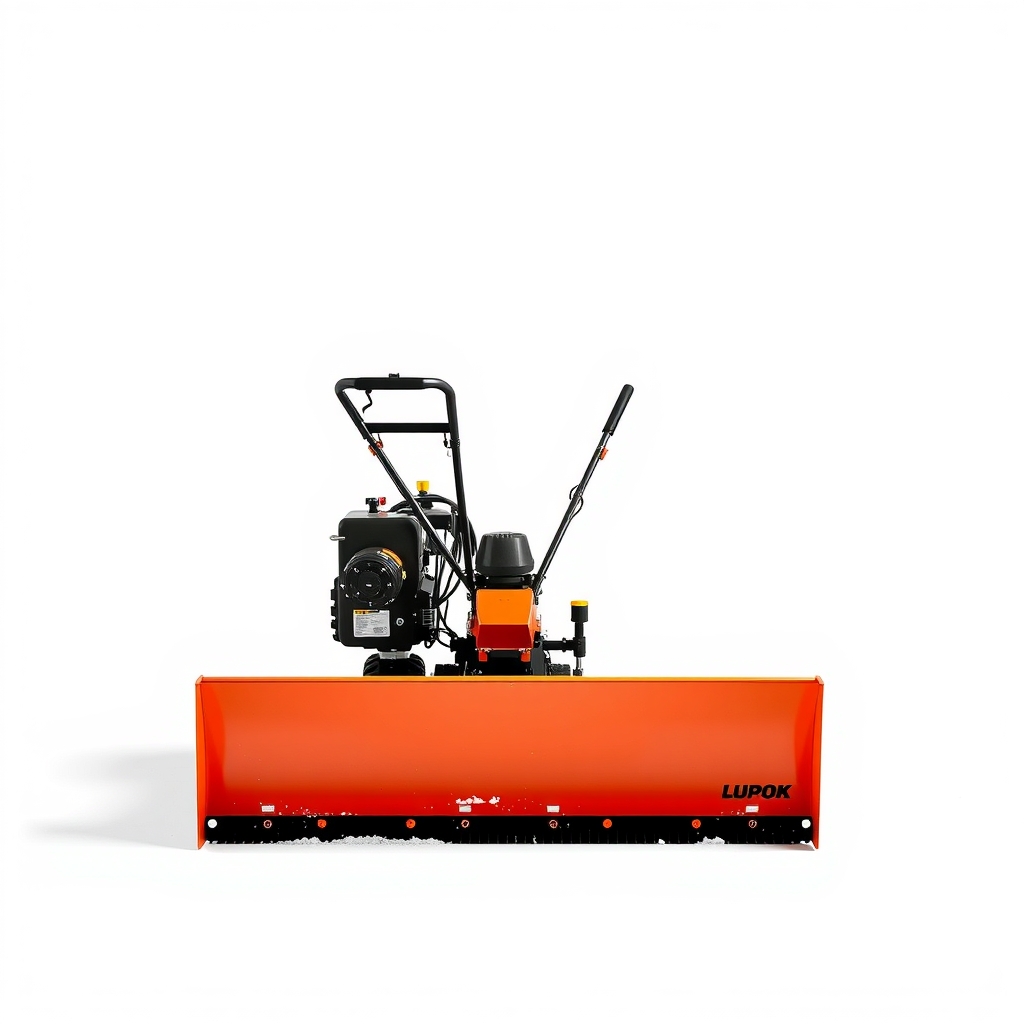
A wide snow pusher
A pusher moves a wide strip of snow in one pass and you walk it to the side, so you do not lift each scoop. That means less strain and a faster job on a flat driveway with light to moderate snow.
What to get: Wide snow pusher
How long it lasts: Many winters. It is a simple blade on a handle with nothing to wear out but the edge.
As an Amazon Associate I earn from qualifying purchases.
What you'll need
-
Snow shovel
Still needed for steps, corners and deep snow
You have it -
Wax or silicone spray
A light coat on the blade keeps snow from sticking
You have it -
Insulated, waterproof gloves and grippy boots
A slip is the real risk in snow work
You have it - Our pick Illustration
Wide snow pusher
Clears a lane with each pass
- Illustration
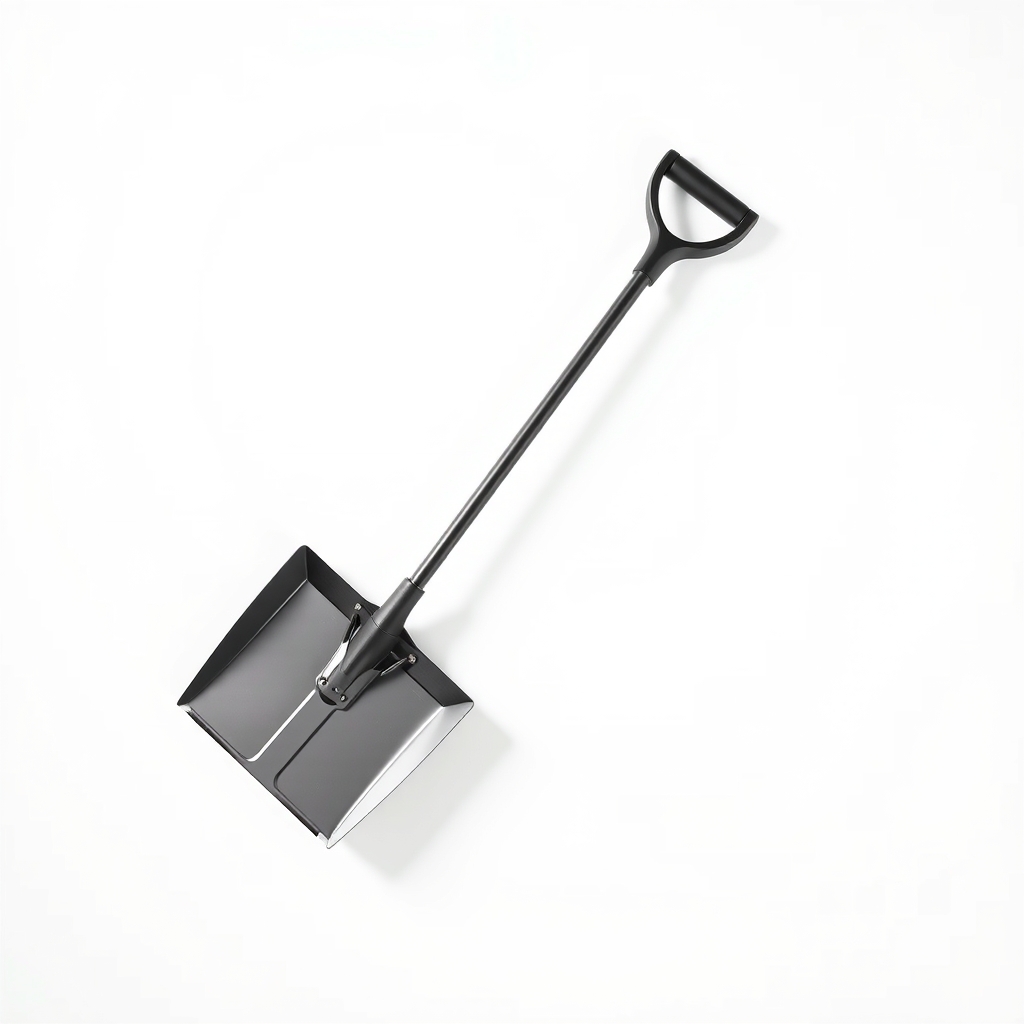
Ergonomic bent-handle snow shovel
For deep snow, steps and tight spots
Why it happens
Waiting until the storm is over
Snow that sits for hours gets heavier. A foot of it cannot be pushed, so you end up lifting. Clearing every few inches keeps each pass light.
Cars and foot traffic packing it down
Tires press snow into a hard, slick layer that scrapes off poorly. The sooner you clear the lane, the less of it turns to ice.
Wet, heavy snow
Snow near freezing is dense and sticky. It is hard to push and hard to lift, so smaller bites and a slick blade make a big difference.
Wind drifts and melt-and-refreeze
Wind piles snow at the garage door, and daytime melt refreezes into ice overnight. Clear a path before dark so the melt has a place to drain.
Try this first (free)
Do these in order, starting with the simplest.
-
1. Start early, and go back as it falls
In a long storm, clear at 2 to 4 inches and again later. Several light passes are easier than one heavy one.
-
2. Make the blade slick
Tool used: Wax or silicone sprayBefore you start, rub the blade with candle wax or a light coat of silicone spray. Snow slides off instead of clumping. Reapply when it starts to stick.
-
3. Push the snow, do not lift it
Tool used: Wide snow pusherWalk a wide pusher straight down the driveway in a lane, then turn at the end and push the pile off to the side. Move in the direction the wind is blowing so the snow does not blow back.
IllustrationCheck price on AmazonTool for this step
Wide snow pusher · Clears a lane with each pass
-
4. Use the shovel for what a pusher cannot do
Tool used: Snow shovelTake deep snow off the top in layers, then clear steps, corners and the edge by the garage door with the shovel. Lift small loads and turn your whole body rather than twisting your back.
-
5. Stop and rest
Take a break every 15 to 20 minutes and drink water. If you feel chest pain, dizziness or shortness of breath, stop and get medical help.
-
6. Deal with what is left
Scrape thin ice or scatter a de-icer or sand for traction. Clear the snow back from the edge of the pavement so melt drains away instead of refreezing on the driveway.
When free fixes aren't enough
A shovel is enough if the driveway is short and the snow is light. It starts to feel like too much when the driveway is long, you have a bad back, or you clear every storm. A pusher moves more snow per step and spares your back from most of the lifting. A pusher will not handle everything. Snow deeper than about half a foot, heavy wet snow, or a hard layer of ice needs the shovel, a plow service or a snow blower, which you can bring in if clearing is regularly more than you can safely do. People with heart or back conditions should check with their doctor before shoveling heavy snow.
Buy the fix
Still stuck after the free fixes? These are the products we would look at.
| Pick | Product | Fixes | Who it's for | Buy |
|---|---|---|---|---|
| Best pick | Wide snow pusher | back-breaking lifting on light to moderate snow over a flat driveway | Anyone with a flat paved driveway who clears light to moderate snow most winters. | Check price |
| Upgrade pick | Ergonomic bent-handle snow shovel | deep snow, steps and corners that a pusher cannot clear | Anyone who needs to lift deeper snow or clear stairs and wants less strain. | Check price |
Wide snow pusher
Fixes: back-breaking lifting on light to moderate snow over a flat driveway
Look for: A wide blade that is still light enough to push through wet snow; A tough, flexible plastic blade with a wear strip on the edge; A handle that is long enough that you do not stoop; A grip you can hold with thick gloves on.
- Who it's for
- Anyone with a flat paved driveway who clears light to moderate snow most winters.
- Honest downside
- Your driveway is steep, gravel or very uneven, or you get deep wet snow often. A blower or a plow service fits better.
Ergonomic bent-handle snow shovel
Fixes: deep snow, steps and corners that a pusher cannot clear
Look for: A bent or adjustable handle to cut stooping; A lightweight blade that sheds snow; A metal or hard-plastic wear strip on the front edge; A second grip near the top for control.
- Who it's for
- Anyone who needs to lift deeper snow or clear stairs and wants less strain.
- Honest downside
- You already own a decent shovel. Spend the money on a pusher instead.
As an Amazon Associate I earn from qualifying purchases. We don't show prices because they change, so use the button to see today's price.
How we picked: How we picked: this page is based on winter safety advice from health and public safety groups, snow tool maker guidance, and what owners report in reviews of snow pushers and shovels. We do not test products by hand.
Pusher or shovel? Match the tool to the snow
| Snow | Best tool |
|---|---|
| Light, up to a few inches | Pusher, one pass |
| Moderate, up to about half a foot | Pusher in a couple of passes |
| Deep or very heavy and wet | Shovel in layers, or a snow blower |
| Steps, corners, around the car | Shovel |
| Hard-packed ice | Ice scraper and de-icer, not a pusher |
Safer ways to shovel
Warm up first, bend your knees, keep your back straight and hold the load close. Push whenever you can. Avoid shoveling right after a heavy meal, and take it slowly in cold air. If anything feels wrong, stop.
What to skip
A pusher on deep snow, and metal edges on soft surfaces
A pusher loaded with 8 inches of heavy snow is no fun to move and can strain your back worse than a shovel. Clear deep snow in layers. Also check the edge: a hard metal edge can chip pavers and scratch sealed or stamped concrete, so choose a plastic or rubber edge on delicate surfaces.
Frequently asked questions
Is a snow pusher better than a shovel?
How deep a snow can a snow pusher handle?
How do I keep snow from sticking to my shovel?
Will a snow pusher scratch my driveway?
Related problems
 Free fix inside
Outdoor & Garage · Driveway Upkeep
Driveway Too Slippery? Pet-Safe Ice Melt vs. Rock Salt
Read the fix Free fix inside
Outdoor & Garage · Driveway Upkeep
Driveway Flooding? A Channel Drain Moves the Water Away
Read the fix Free fix inside
Outdoor & Garage · Driveway Repair
Asphalt Driveway Cracks: Fill Them Before Winter Widens Them
Read the fixAs an Amazon Associate I earn from qualifying purchases. Affiliate disclosure