Garden Hose Not Long Enough? Extension Options That Won't Leak
A second hose joined at a loose coupling leaks and drops pressure. Measure first, then buy one longer hose or a brass coupler that seals.
By Jamilur Rahman Updated November 5, 2026 · 6 min read
- Time
- 15 min
- Cost
- $20-$50
- Difficulty
- Easy
In this guide
Quick answer
If your garden hose is not long enough, measure the real route from the spigot to the farthest spot, then buy one hose that covers it, or join two hoses with fresh rubber washers. Joining hoses you already own costs almost nothing, but every joint can leak and cut pressure. One hose in the right length is the fix that lasts.
Free fix vs. permanent fix
Join two hoses you already own
- Screw the male end of one hose into the female end of the other
- Put a fresh rubber washer in each female end
- Hand-tighten, then add a quarter turn
- Lay the hoses out straight with no kinks
How long it lasts: Fine for light jobs. Every joint is a place to leak, and a long run of thin hose loses water pressure.
One hose in the right length
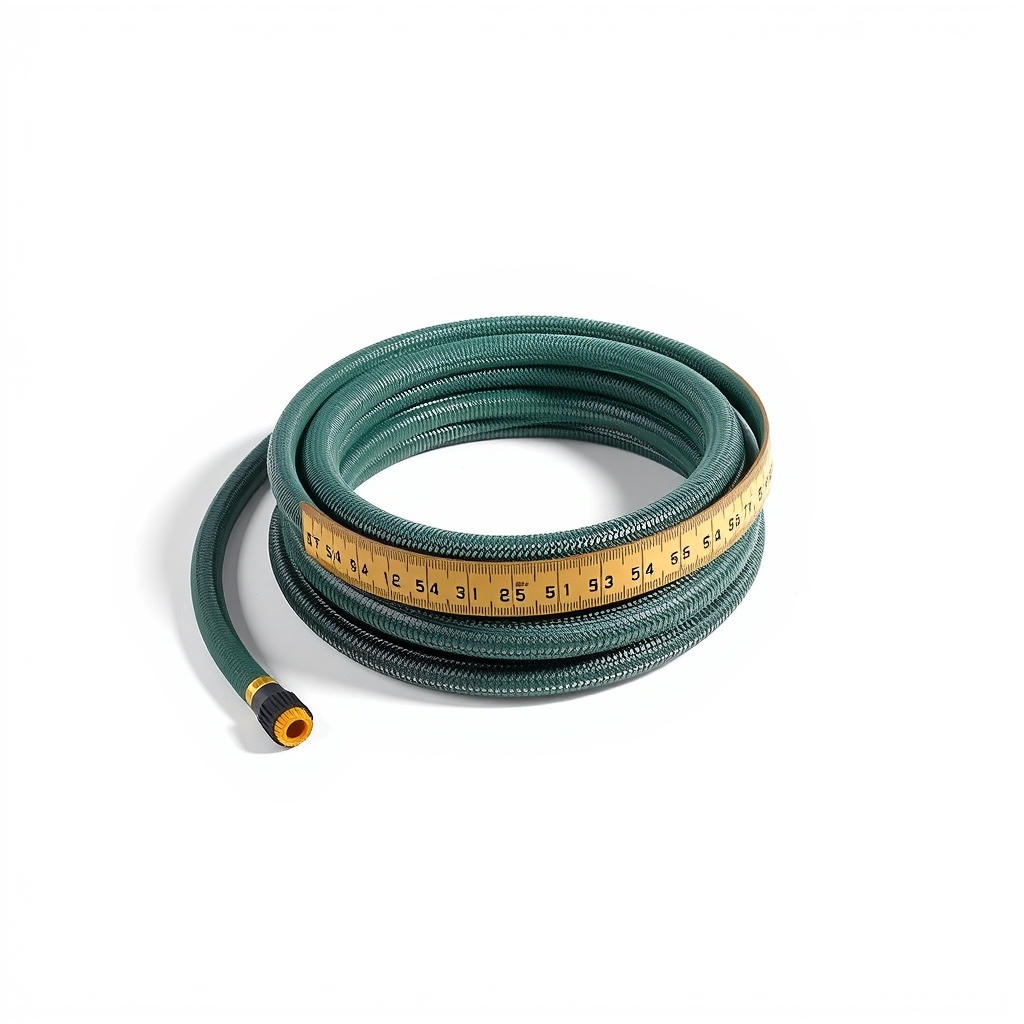
A single hose has no joint in the middle to leak. Choosing the right width, usually 5/8 inch, keeps pressure up over the whole length, which two thin, mismatched hoses often cannot do.
What to get: Garden hose in the length you measured, 5/8-inch
How long it lasts: Years of normal use. Fewer joints means fewer leaks and steadier flow.
As an Amazon Associate I earn from qualifying purchases.
What you'll need
-
String or tape measure
Measures the route the hose really takes
You have it -
Spare garden hose
An old hose is fine for a quick fix if it holds water
You have it - Illustration
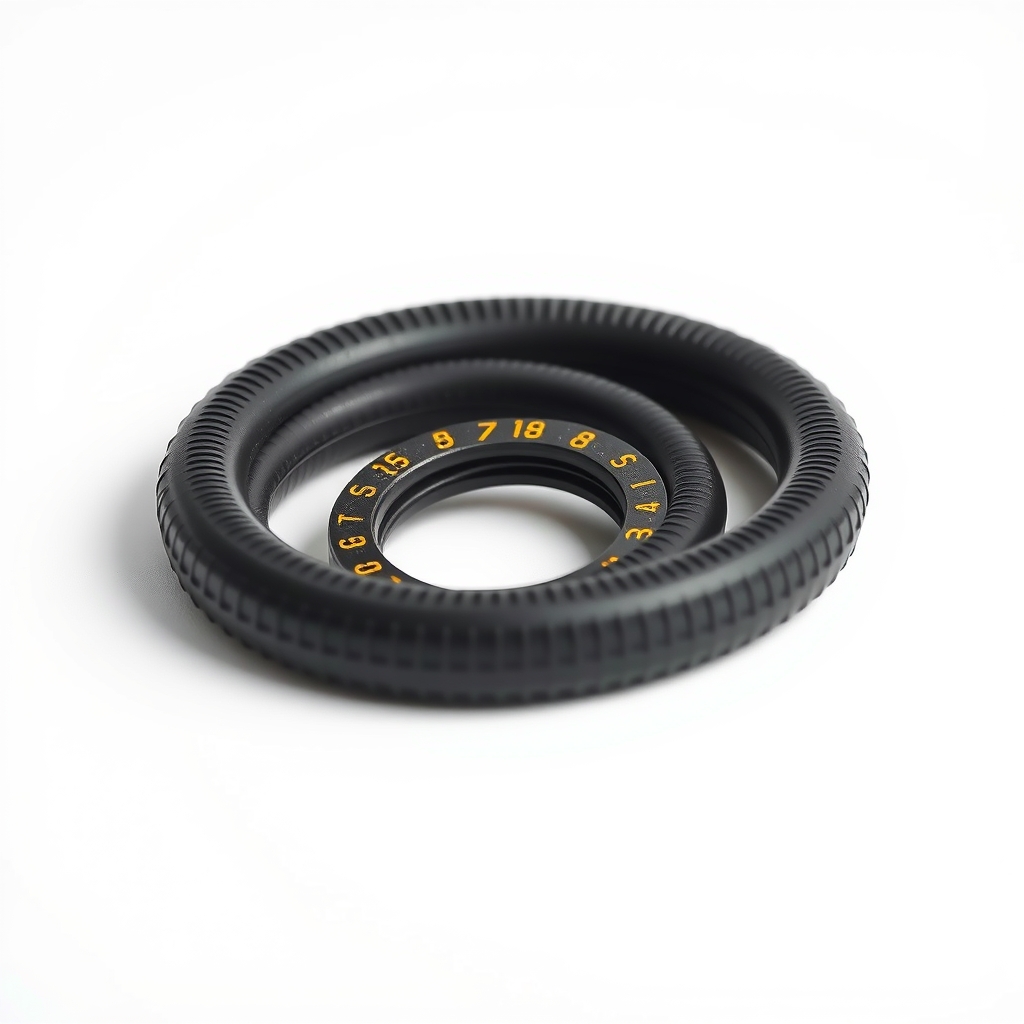
Rubber hose washers
A fresh washer in each female end stops most drips
- Illustration
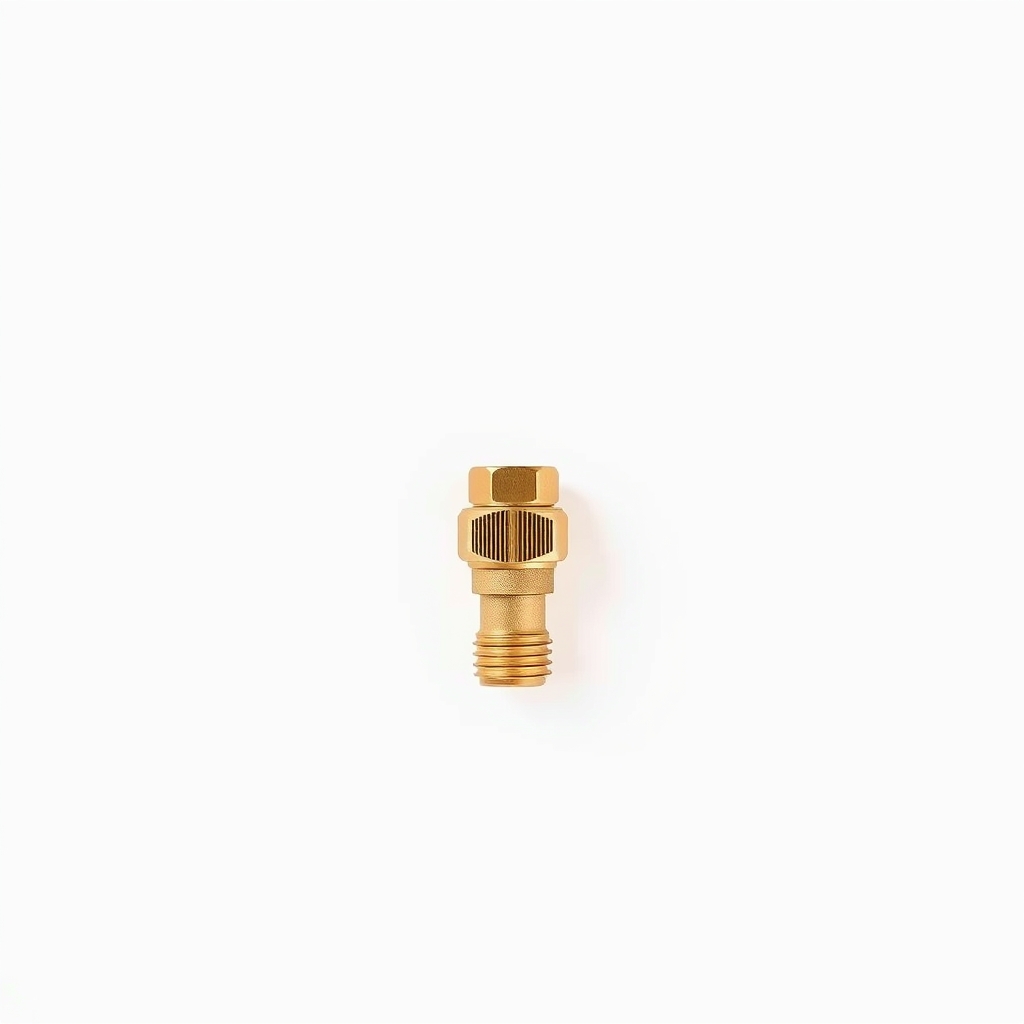
Brass hose coupler
A sturdy metal joint for two hoses you already own
- Our pick Illustration
Garden hose in the length you need
Pick the length after you measure the run
Why it happens
The route is longer than the straight line
You measure in a straight line, but a hose goes around beds, corners and trees. Each turn uses up several feet.
Kinks and a half-coiled hose steal reach
A twisted or partly coiled hose reaches less than its label says. A kink also chokes the flow.
The yard has changed
A new bed, shed, pool or fence line can move the place you need water farther from the spigot than the hose was bought for.
Try this first (free)
Do these in order, starting with the simplest.
-
Measure the real route
Tool used: String or tape measureLay a string from the spigot along the path the hose will take, around beds and corners, to the farthest spot. Measure the string and add 10 to 15 feet for slack.
-
Straighten out the hose you have
Stretch it fully on a warm day so the kinks relax, and check that no part is still coiled. A straight hose gives you its full length.
-
Join a second hose
Tool used: Spare garden hoseScrew the male end of one hose into the female end of the other. Turn the water on low, check for drips, then turn it up.
-
Fit fresh washers and tighten by hand
Tool used: Rubber hose washersPut a new rubber washer in each female end. Tighten by hand, then add a quarter turn. Pliers can crack plastic ends.
IllustrationCheck price on AmazonTool for this step
Rubber hose washers · A fresh washer in each female end stops most drips
-
Keep the joint off the line of pull
Lay the joint on flat ground so the hose does not tug on it. Strain at the joint loosens it and wears out the washer.
When free fixes aren't enough
Joining hoses works for a few extra feet. On a longer run, every added joint is another place to leak, and thin 1/2-inch hose loses a lot of pressure over distance, so the water at the end is weak. If the joint still drips after a fresh washer, or a sprinkler will not run at the far end, switch to one longer hose. If your hose is old, cracked or stiff, do not extend it. Replace it, because a weak hose often splits at the new joint.
Buy the fix
Still stuck after the free fixes? These are the products we would look at.
| Pick | Product | Fixes | Who it's for | Buy |
|---|---|---|---|---|
| Best pick | Garden hose in the length you measured, 5/8-inch | a hose too short to reach, with no extra leak point | Anyone whose run is more than a few feet beyond the hose they own. | Check price |
| Budget pick | Brass hose coupler | joining two hoses you already own with a sealed, sturdy joint | People who need a short extension and already have a good hose. | Check price |
Garden hose in the length you measured, 5/8-inch
Fixes: a hose too short to reach, with no extra leak point
Look for: A length equal to your measured route plus some slack; 5/8-inch inner diameter for most yards; Solid brass couplings, not plastic; A drinking-water-safe label if it will fill pet bowls or water vegetables.
- Who it's for
- Anyone whose run is more than a few feet beyond the hose they own.
- Honest downside
- Your hose is only a few feet short and in good shape. A coupler is cheaper.
Brass hose coupler
Fixes: joining two hoses you already own with a sealed, sturdy joint
Look for: A solid brass body; Standard garden hose threads; A rubber washer already fitted; A grip you can turn by hand.
- Who it's for
- People who need a short extension and already have a good hose.
- Honest downside
- You would chain more than two hoses, or one of the hoses is old or cracked.
As an Amazon Associate I earn from qualifying purchases. We don't show prices because they change, so use the button to see today's price.
How we picked: How we picked: this page is based on hose and fitting guides from hose makers, general garden-hose care advice, and what owners report in reviews of longer hoses and brass couplers. We do not test products by hand.
Which hose width should you buy?
- 1/2 inch: light and easy to handle, but flow drops off on long runs.
- 5/8 inch: the all-round choice for most yards and most lengths.
- 3/4 inch: better for runs of 100 feet or more and for running sprinklers.
Wider hose carries more water but weighs more when it is full.
Take extension hoses off before winter
Water left in a hose freezes and splits it. Disconnect extra hoses before a hard freeze, drain them and store them out of the weather. Remove the hose from the spigot too, so it does not crack the faucet.
What to skip
Chaining three or four hoses
Each joint is a leak, and the water has to squeeze through the whole length. Owners also report that very cheap plastic couplers crack in sun and frost. For a long permanent run, a single hose beats a chain every time.
Frequently asked questions
Can I connect two garden hoses together?
How long can a garden hose be before the pressure drops?
What is a hose coupler and when do I need one?
Why does my hose leak where I joined it?
Is hose water safe to drink or to give to pets?
Related problems
 Free fix inside
Outdoor & Garage · Hose Connection
Garden Hose Leaking at the Connection? Start With a Cheap Washer
Read the fix Free fix inside
Outdoor & Garage · Hose Connection
Garden Hose Popping Off? Quick-Connect Fittings Hold Tight
Read the fix Free fix inside
Outdoor & Garage · Garden Hose
Garden Hose Pressure Low? Check the Hose Width Before the Faucet
Read the fix Free fix inside
Outdoor & Garage · Garden Hose
Garden Hose Kinking Again? Kink-Resistant Hoses Worth Buying
Read the fixAs an Amazon Associate I earn from qualifying purchases. Affiliate disclosure