Driveway Too Steep and Your Car Scrapes? Ramps That Fix It
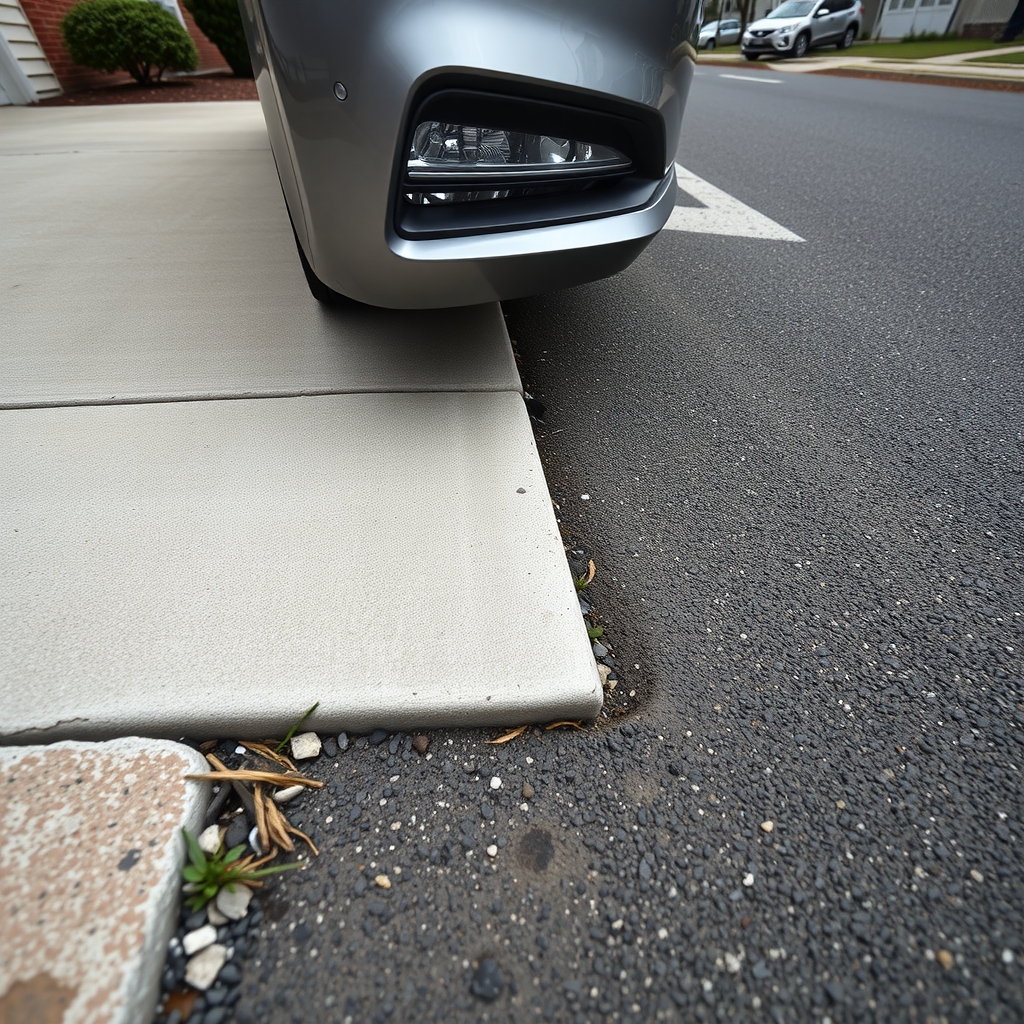
A sharp dip where the driveway meets the street drags your bumper. Change your angle first, then add a curb ramp to soften the lip for good.
By Jamilur Rahman Updated November 5, 2026 · 7 min read
- Time
- 30 min
- Cost
- $50-$150
- Difficulty
- Easy
In this guide
Quick answer
Cars scrape because the apron, curb lip or gutter makes a sudden change in slope that the bumper or belly cannot follow. Cross at an angle and slow down, check tire pressure, empty the heavy cargo and find the exact scrape spot with a straight board. If it still drags, a rubber apron ramp fills the dip and turns a sharp lip into a gradual slope.
Free fix vs. permanent fix
Angle it, slow down, and find the scrape spot
- Roll in slowly at a diagonal so the wheels cross the dip one at a time
- Fill the tires to the door-jamb pressure, checked cold
- Take heavy cargo out of the trunk before you pull in
- Mark the scrape point with chalk so you know what to fix
How long it lasts: Works for mild scrapes, but only when you remember to do it every time. It does nothing about a deep dip, so low cars still drag.
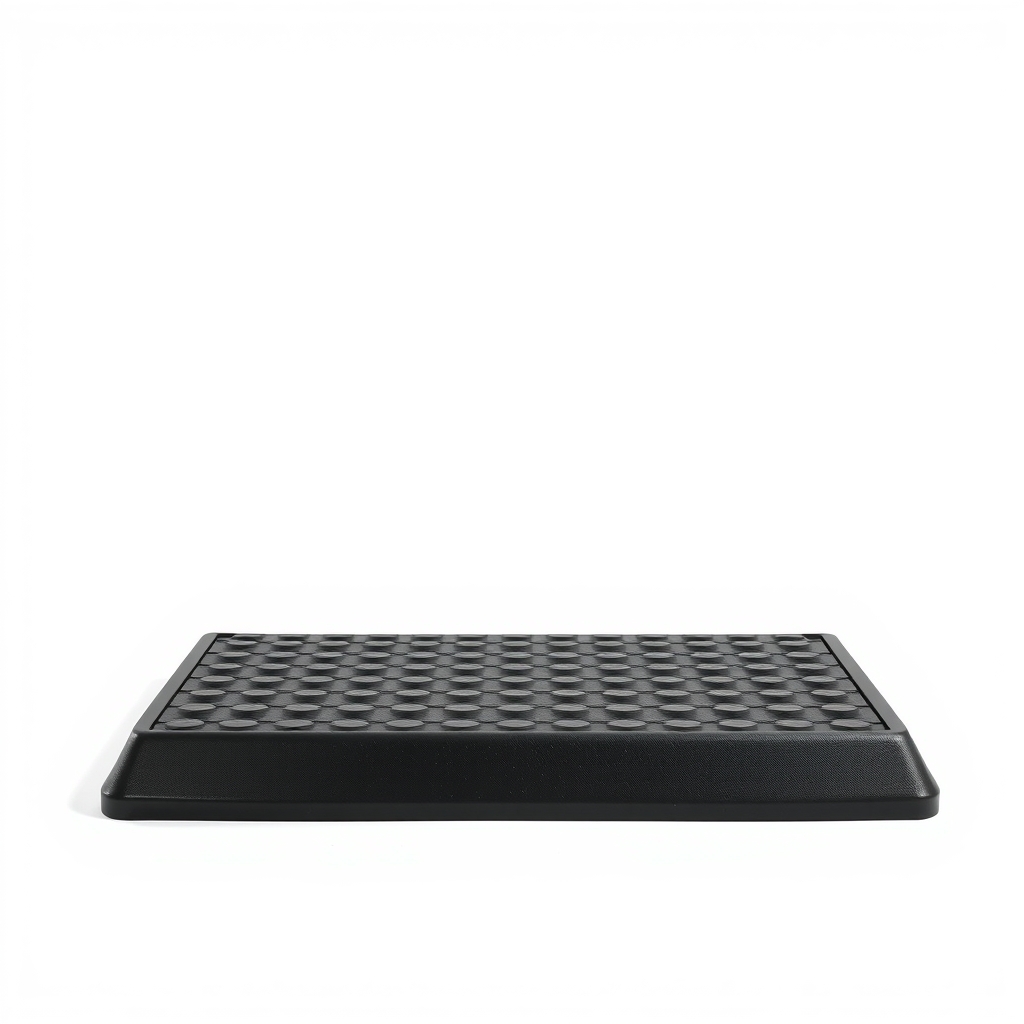
A rubber curb and apron ramp
A scrape is a shape problem: the dip is too sharp for your car's overhang. A ramp fills the dip, so the slope changes gradually and the bumper clears it. Angle and tire pressure work around the problem. The ramp removes it.
What to get: Rubber curb and apron ramp
How long it lasts: Years. It is made to sit outdoors and carry a car every day.
As an Amazon Associate I earn from qualifying purchases.
What you'll need
-
Chalk
Rub it on the scraped bumper to see where it touches
You have it -
Straight board or 4-foot level
Lay it across the dip to see how big the gap is
You have it -
Tire pressure gauge
Low tires sit lower and scrape sooner
You have it - Our pick Illustration
Rubber curb ramp
Fills the dip where the apron meets the street
- Illustration
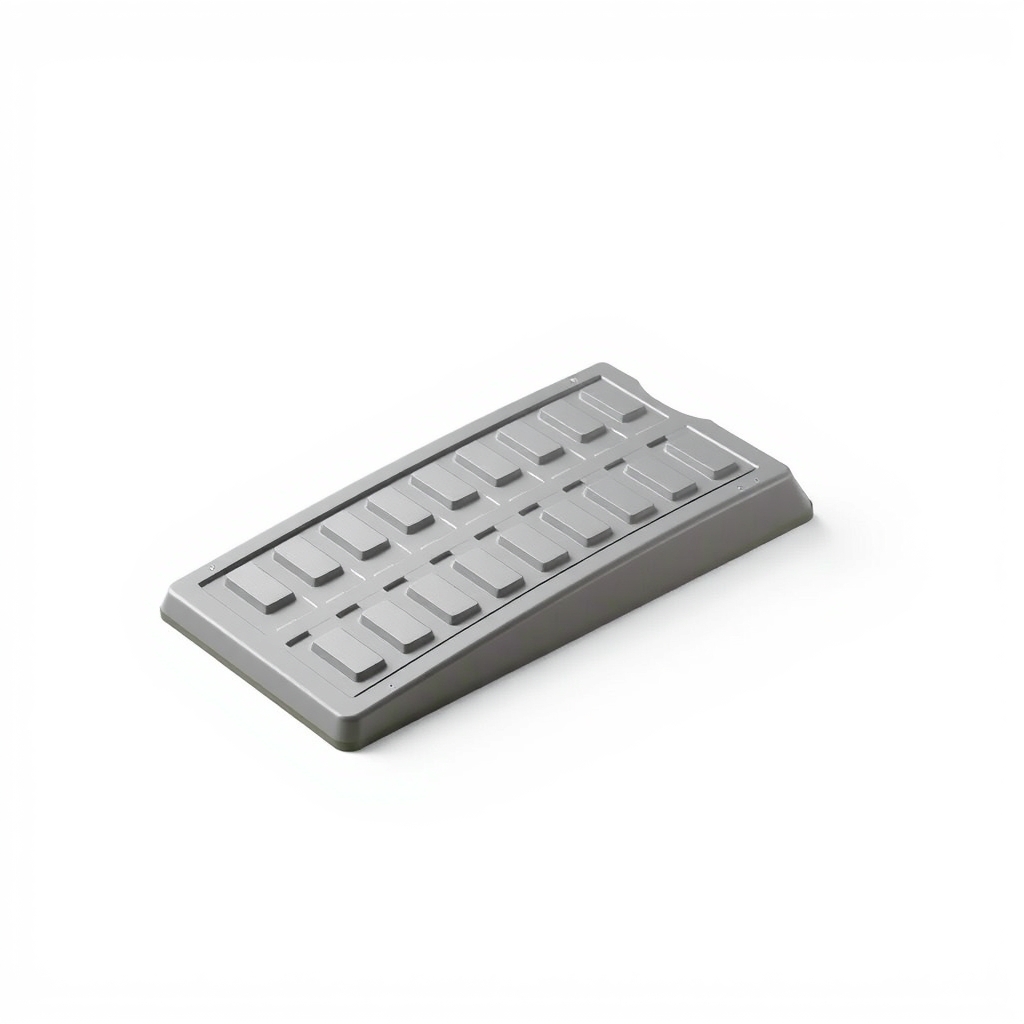
Lightweight plastic curb ramp
For a light car and a small lip
Why it happens
A sharp change in slope at the apron
Where the driveway meets the gutter, the surface often drops and then climbs quickly. A short, steep dip lets a bumper or lip spoiler catch even when the rest of the driveway is fine.
Your car's overhang and ride height
A long front or rear overhang, a low ride height, a front lip or a long wheelbase all make a car bottom out where a truck would not. Same driveway, different car.
Low tires or a heavy load
Under-inflated tires and a loaded trunk can sink the car by an inch or so. That can be the difference between clearing the lip and scraping it.
A driveway that rises fast from the street
When the driveway is higher than the street, the front of the car climbs before the rear is over the lip. That is why some cars scrape going in and again coming out.
Try this first (free)
Do these in order, starting with the simplest.
-
Find exactly where it scrapes
Tool used: ChalkRub chalk on the scraped part of the bumper or lip, then drive in slowly and look at the marks. A mark at the street edge points to the apron. A mark at the garage door means the slope inside is the problem.
-
Measure the dip
Tool used: Straight board or 4-foot levelLay a straight board or level across the dip where the wheels cross it and measure the gap underneath. Compare it to your car's ground clearance in the owner's manual. If the two numbers are close, you will scrape.
-
Cross at an angle, slowly
Turn in so the front wheels cross the lip one at a time, at roughly 30 to 45 degrees, and roll through at walking speed. This makes the dip shorter from the bumper's point of view.
-
Set tire pressure and lighten the load
Tool used: Tire pressure gaugeFill the tires to the pressure on the door-jamb sticker, checked cold. Empty heavy cargo from the trunk before you pull in.
-
Fill the dip with a ramp
Tool used: Rubber curb rampSet a rubber ramp in the dip so the wheels roll up a gradual slope. Place it flat, push it tight against the apron and check that gutter water can still get around it.
IllustrationCheck price on AmazonTool for this step
Rubber curb ramp · Fills the dip where the apron meets the street
When free fixes aren't enough
If the chalk shows a scrape every time and the gap under the board is close to your ground clearance, angle and tire pressure will only shave a little off. A ramp changes the shape of the dip itself, so a low bumper rolls up it instead of hitting the lip. Check local rules first, because the apron and gutter are often city property and ramps must not block water flow. If a ramp is not allowed, or the scrape is inside the garage, a paving contractor can regrade the slope or add an asphalt wedge.
Buy the fix
Still stuck after the free fixes? These are the products we would look at.
| Pick | Product | Fixes | Who it's for | Buy |
|---|---|---|---|---|
| Best pick | Rubber curb and apron ramp | a sharp apron or curb lip that drags the bumper | Anyone whose car scrapes at the street edge every day and cannot regrade the driveway, renters included. | Check price |
| Budget pick | Lightweight plastic curb ramp | a small lip or short curb for a light car | A light car and a lip of a few inches, or anyone who wants a ramp that is easy to lift and store. | Check price |
Rubber curb and apron ramp
Fixes: a sharp apron or curb lip that drags the bumper
Look for: A weight rating well above your vehicle's weight, shown on the listing; A height that fits your dip, from the board measurement; A grippy surface that stays safe in rain; Sections or a width that covers both wheel paths.
- Who it's for
- Anyone whose car scrapes at the street edge every day and cannot regrade the driveway, renters included.
- Honest downside
- Your town bans ramps on the apron, or the scrape happens inside the garage rather than at the curb.
Lightweight plastic curb ramp
Fixes: a small lip or short curb for a light car
Look for: A weight rating well above your vehicle's weight; Interlocking or bolt-down pieces that cannot shift; A low rise that matches a small lip.
- Who it's for
- A light car and a lip of a few inches, or anyone who wants a ramp that is easy to lift and store.
- Honest downside
- You drive an SUV or truck, or the lip is tall. Thin plastic can crack under daily loads, so go with rubber.
As an Amazon Associate I earn from qualifying purchases. We don't show prices because they change, so use the button to see today's price.
How we picked: How we picked: this page is based on vehicle ground-clearance specs in owner manuals, driveway and curb-ramp maker guidance, and what owners report in reviews of rubber ramps. We do not test products by hand.
Where does it scrape? That decides the fix
- At the street edge: the apron lip is the problem. A curb ramp is the fix.
- In the middle of the driveway: the driveway crests like a hump. A ramp will not reach it, so ask a paving contractor about regrading.
- At the garage door: the slope inside is too steep. A threshold ramp or regrading is what you need, not a curb ramp.
Choosing a ramp size from your measurements
Use the board and a tape measure at the spot where your wheels cross the dip. Buy a ramp whose rise matches the gap you measured, not a taller one. Most people need one ramp or section for each wheel path, so two pieces, or one wide ramp that spans both. Check the listed weight rating against your vehicle's weight, found on the door-jamb sticker or in the manual.
What to skip
Wood blocks, loose gravel and homemade piles
Plywood stacks, 2x4 blocks and piled gravel shift under tires, can split, and turn slick when wet. Patching a city apron with cement may also break local rules. Use a ramp rated for your vehicle's weight instead.
Frequently asked questions
How do I stop my car scraping when I pull into my driveway?
Can I make a driveway less steep without redoing it?
Why does my car scrape going out but not going in?
Do I need a permit for a driveway ramp?
Related problems
As an Amazon Associate I earn from qualifying purchases. Affiliate disclosure