How to Stop Towels From Shedding Lint: The Pre-Wash Trick
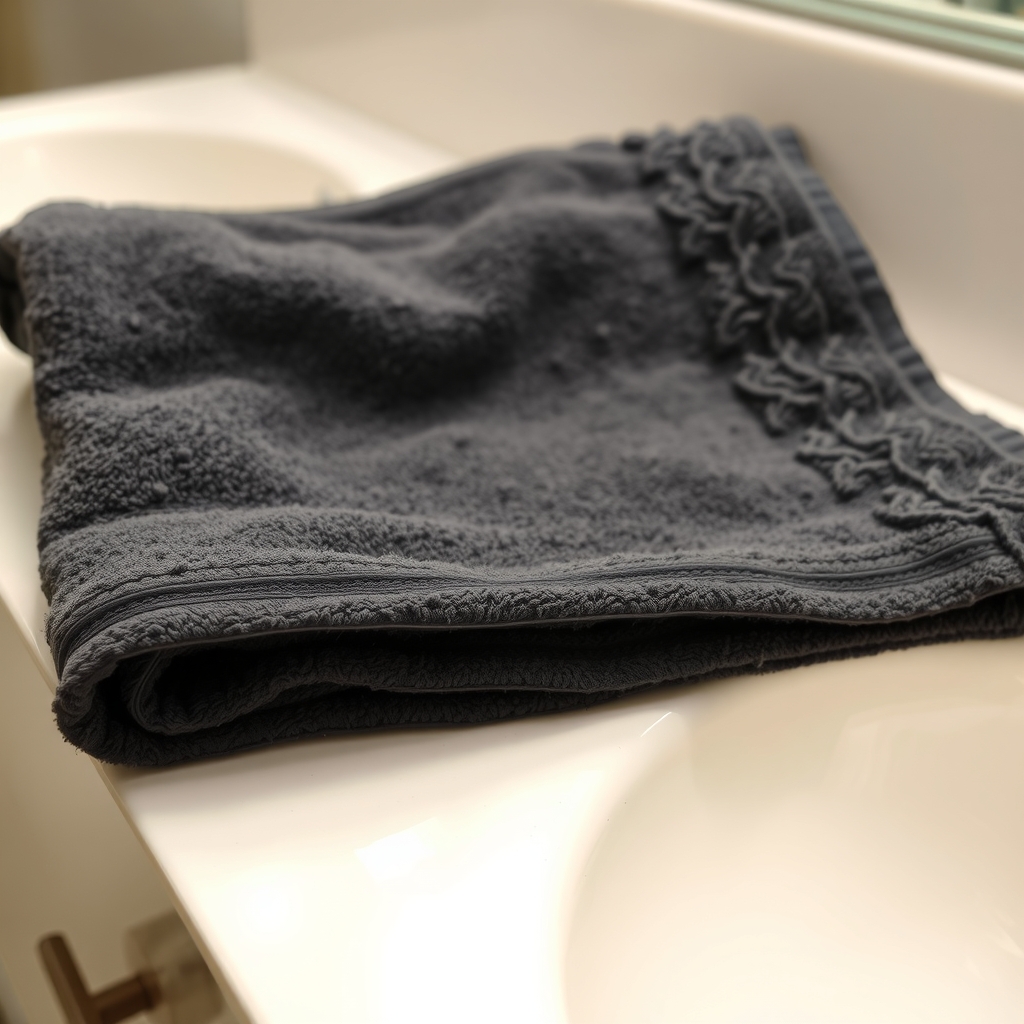
New towels shed loose fibers that end up on you and your other laundry. A pre-wash, a clean dryer trap and a lint catcher stop it.
By Jamilur Rahman Updated November 5, 2026 · 6 min read
- Time
- 2 wash cycles
- Cost
- Under $20
- Difficulty
- Easy
In this guide
Quick answer
How to stop towels from shedding lint: wash new towels on their own, with a half cup of white vinegar and no softener, then shake them out and empty the dryer lint trap before every load. A washing machine lint catcher on the drain hose also grabs loose fibers that the rinse flushes out. Most towels settle down after a few washes.
Free fix vs. permanent fix
Pre-wash alone and shake them out
- Wash towels alone, with no clothes
- First wash: 1/2 cup white vinegar, no detergent
- Second wash: 1/2 cup baking soda, no detergent
- Shake each towel and empty the dryer trap between loads
How long it lasts: Fixes most new towels within 2 to 3 washes. Old, worn towels may keep shedding.
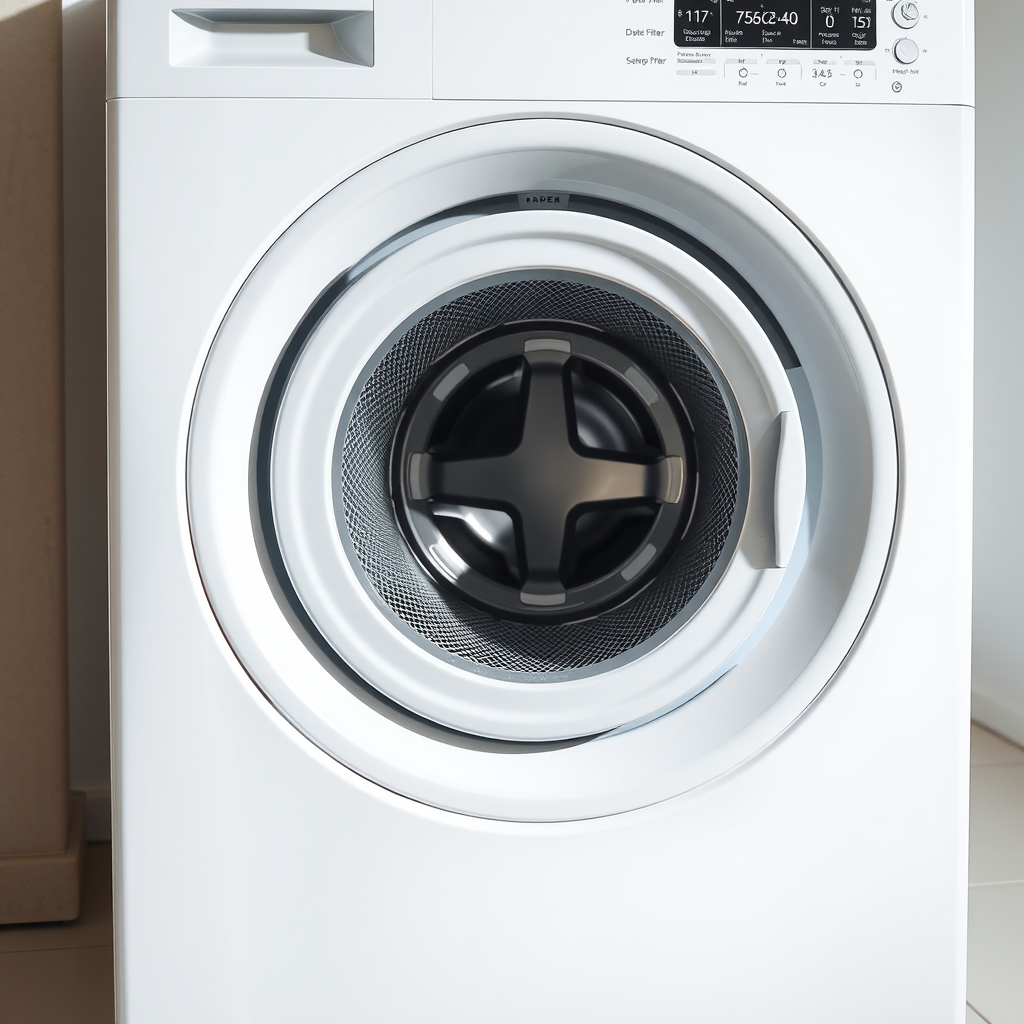
A washing machine lint catcher
Loose fibers that wash out of towels end up in the drain or floating in the wash water. A mesh catcher on the drain hose traps them. It does not stop the towels shedding, so do the pre-wash too.
What to get: Washing machine lint catcher (mesh filter)
How long it lasts: Years. It sits on the drain hose and catches loose fibers on every load.
As an Amazon Associate I earn from qualifying purchases.
What you'll need
-
White vinegar
For the first pre-wash
You have it -
Baking soda
For the second pre-wash
You have it -
Dryer lint trap
Empty it before every load of towels
You have it - Our pick Illustration
Washing machine lint catcher
A mesh trap that clips onto the drain hose
Why it happens
Loose fibers from manufacturing
New towels are cut and sewn from long loops. Short fibers and cut ends are loose when they leave the factory, and they shed in the first washes.
Short-fiber cotton
Short fibers work loose more easily than long ones, so some cheaper towels keep shedding longer.
Rubbing and overloading
A packed drum rubs towels hard against each other, and the water cannot carry loose fibers away.
A full dryer trap
Lint that does not leave the drum sticks to the towels as they dry.
Worn-out towels
Old, thin towels shed as the cotton breaks down.
Try this first (free)
Do these in order, starting with the simplest.
-
1. Wash towels on their own
Keep towels away from clothes, especially dark items that show every fiber. Fibers released in the wash land on other fabrics.
-
2. Pre-wash new towels with vinegar
Tool used: White vinegarRun a first wash with 1/2 cup white vinegar in the drum, no detergent, on the warmest cycle the label allows.
-
3. Follow with a baking soda wash
Tool used: Baking sodaRun a second wash with 1/2 cup baking soda and no detergent. Then wash normally with half the usual detergent. Keep vinegar and baking soda in separate washes so they do not cancel each other out.
-
4. Add a lint catcher to the drain hose
Tool used: Washing machine lint catcherFit a mesh lint catcher on the drain hose and secure it so it cannot slip off. Empty it after each load.
IllustrationCheck price on AmazonTool for this step
Washing machine lint catcher · A mesh trap that clips onto the drain hose
-
5. Shake and clean the dryer trap
Tool used: Dryer lint trapShake each towel over a bin or outdoors before drying. Empty the lint trap before each load so fibers have somewhere to go.
-
6. Dry on medium and do not overdry
High heat and long cycles fray fibers. Take towels out as soon as they are dry.
When free fixes aren't enough
If towels still shed after four or five washes, they may simply be short-fiber or worn out, and nothing will fully stop that. If your washer has no lint filter and lint ends up clogging the drain or sink, a lint catcher is worth adding. If your real complaint is lint on your other clothes, see the related page on lint sticking to clothes.
Buy the fix
Still stuck after the free fixes? These are the products we would look at.
Washing machine lint catcher (mesh filter)
Fixes: loose fibers going down the drain or floating in the wash water
Look for: Fine mesh that traps lint but lets water through; A snug band or clip that holds it on the hose; Reusable and easy to empty and rinse.
- Who it's for
- Households that often wash new towels, fleece or blankets, or whose washer drains into a laundry tub.
- Honest downside
- Your drain hose is fixed inside a wall standpipe with no room to fit it, or your washer already has a lint filter you can empty.
As an Amazon Associate I earn from qualifying purchases. We don't show prices because they change, so use the button to see today's price.
How we picked: How we picked: this page is based on towel and laundry care guides, washer and dryer manuals, and what owners report about shedding towels and drain-hose lint catchers. We do not test products by hand.
How to stop lint from new towels: a 3-wash plan
- Wash 1: warm cycle, 1/2 cup white vinegar, no detergent.
- Wash 2: warm cycle, 1/2 cup baking soda, no detergent.
- Wash 3: normal cycle with half the usual detergent, then shake out and dry on medium.
Wash them alone each time and empty the lint trap before every dry.
How to stop towels from shedding after washing: the dryer end
Much of what you see on dry towels is lint that settled in the dryer. To stop lint on towels, shake each one, empty the trap before the load, and do not dry towels with dark clothes. Stop the cycle as soon as they are dry. If your dryer vent is weak, lint lingers in the drum, so check it too.
What to skip
Fabric softener and extra detergent
Softener and extra detergent do not stop shedding. Softener coats the loops and cuts absorbency, and extra detergent leaves residue. Skip both for towels.
Frequently asked questions
How to stop towels from shedding with vinegar?
How to stop towels from shedding with baking soda?
Towel keeps shedding lint after many washes. How to fix linty towels?
Why do my towels leave lint on me (and fuzz on my skin)?
How long do new towels shed?
Related problems
 Free fix inside
Laundry · Clothes Lint
How to Stop Lint Sticking to Clothes: 3 Wash Tricks That Work
Read the fix Free fix inside
Laundry · Towels
Why Are My Towels Hard After Washing? The Fluffy-Towel Fix
Read the fix Free fix inside
Laundry · Towels
Towels Not Absorbent? Strip the Softener Buildup (or Replace Them)
Read the fix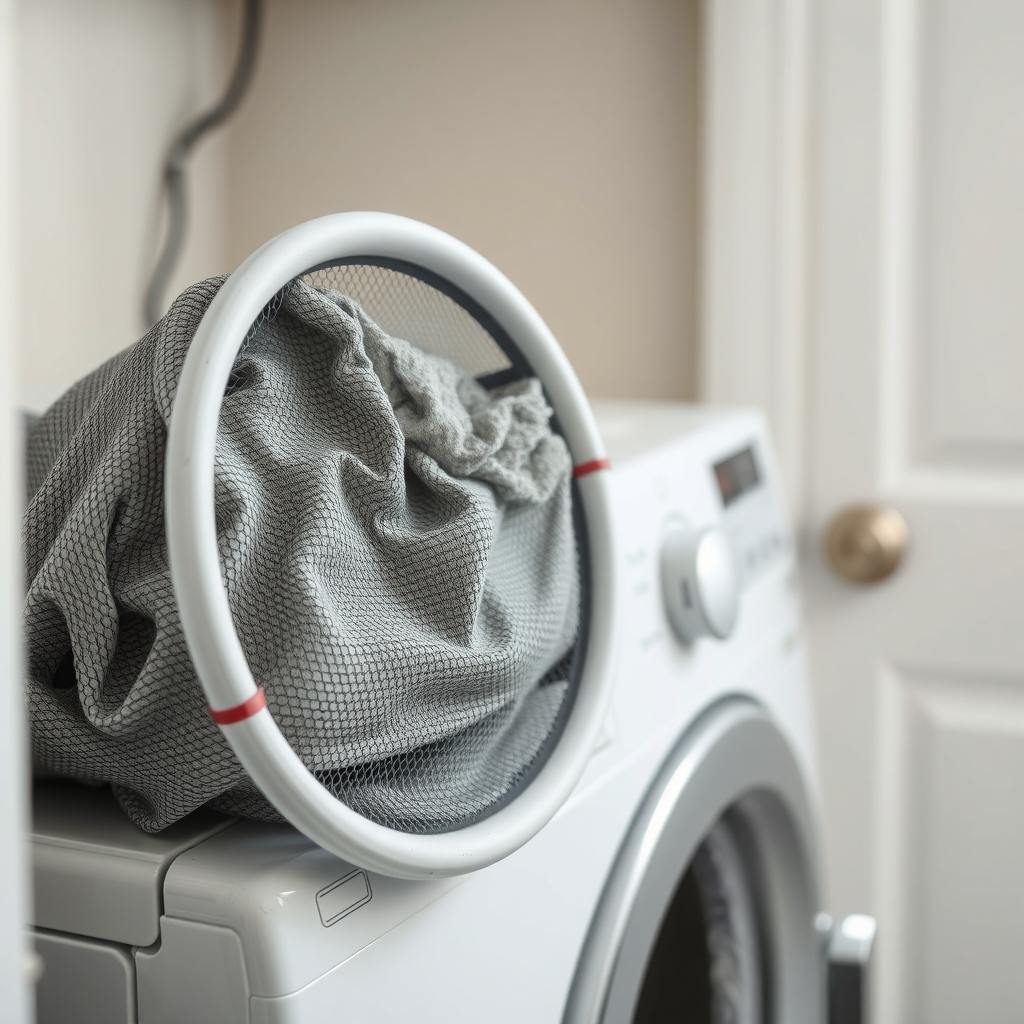 Free fix inside
Laundry · Dryer Lint
Why Is My Lint Trap Wet? The Dish-Soap Scrub That Fixes It
Read the fixAs an Amazon Associate I earn from qualifying purchases. Affiliate disclosure