How to Stop Lint Sticking to Clothes: 3 Wash Tricks That Work
Lint sticks when towels, fleece and full dryer traps share the load. Sort, rinse well and clean the trap; a reusable lint roller handles the rest.
By Jamilur Rahman Updated November 5, 2026 · 6 min read
- Time
- No extra time
- Cost
- Under $20
- Difficulty
- Easy
In this guide
Quick answer
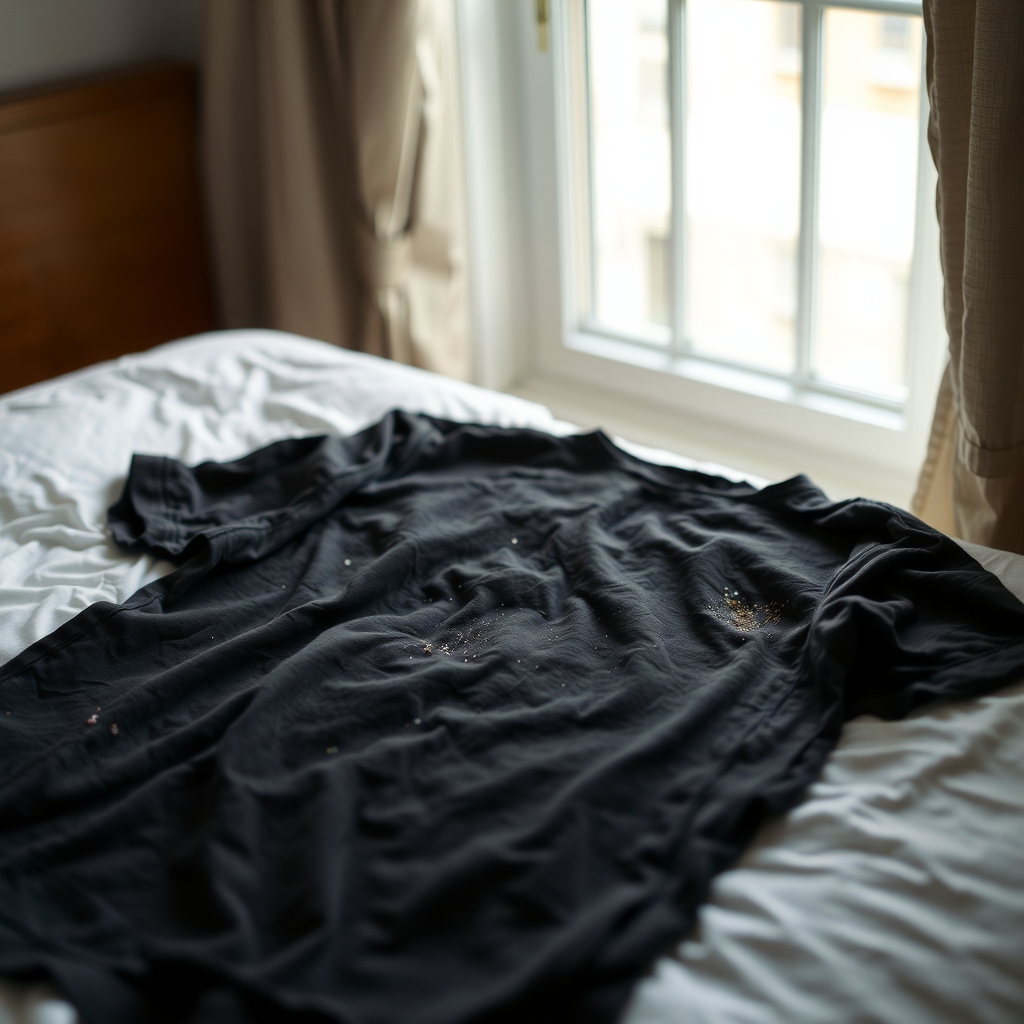
How to stop lint from sticking to clothes: wash lint makers like towels, fleece and new items apart from dark clothes, give clothes room and a rinse with a half cup of white vinegar, and empty the dryer lint trap before every load. For lint already on a shirt, a reusable lint roller lifts it in seconds and never runs out of sheets.
Free fix vs. permanent fix
Sort, rinse well and clean the trap
- Wash towels, fleece and new items on their own
- Add 1/2 cup white vinegar to the rinse
- Do not overload the washer
- Empty the dryer lint trap before every load
How long it lasts: Cuts lint on every load you do it. A little lint still lands on dark clothes now and then.
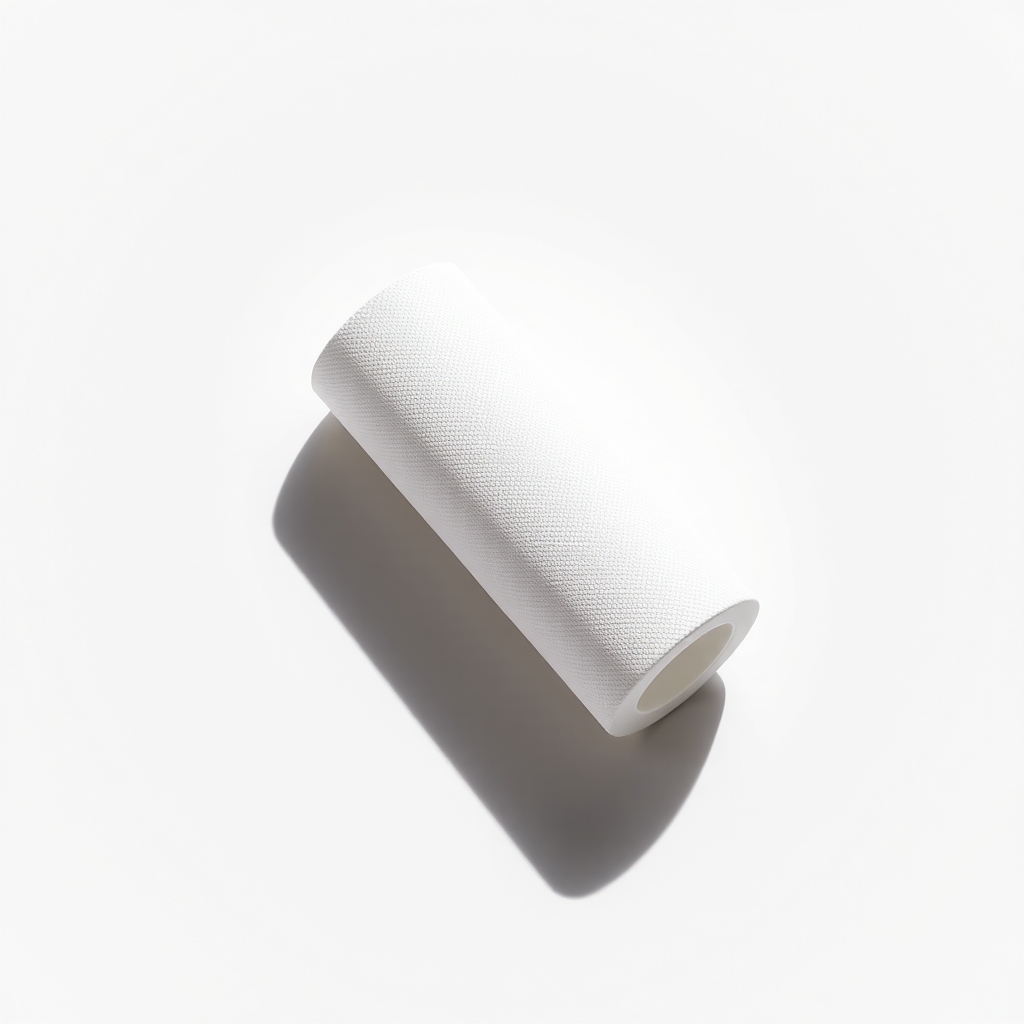
A reusable lint roller
Washing tricks cut the lint, but a little still sticks, especially on dark clothes and coats. A reusable roller removes it in seconds at home or in the car, and you never run out of sheets when you need it.
What to get: Reusable lint roller
How long it lasts: Years. Rinse the roller and the sticky surface works again, with no sheets to buy.
As an Amazon Associate I earn from qualifying purchases.
What you'll need
-
Masking or packing tape
Wrap it sticky side out around your hand for a quick fix
You have it -
White vinegar
Half a cup in the rinse
You have it -
Damp washcloth
Toss it in the dryer to grab loose lint
Free - Our pick Illustration
Reusable lint roller
A washable sticky roller for touch-ups
Why it happens
Lint makers washed with lint magnets
Towels, blankets, fleece and new cotton shed fibers. Dark synthetics, corduroy and knits grab them.
An overloaded washer
Packed clothes do not get enough water to carry fibers away, so lint stays in the drum and resettles on the clothes.
A full lint trap or weak vent
If lint cannot leave the dryer, it circulates and settles on warm clothes.
Static in the dryer
Over-dried synthetics hold static, which pulls lint toward them like a magnet.
Try this first (free)
Do these in order, starting with the simplest.
-
Trick 1. Sort lint makers from lint magnets
Wash towels, fleece, blankets and brand-new items on their own. Keep dark clothes, corduroy and synthetics in a separate load.
-
Trick 2. Add vinegar to the rinse
Tool used: White vinegarPour 1/2 cup white vinegar in the softener dispenser. It helps loosen fibers and cut static. Never mix it with bleach.
-
Trick 3. Give clothes room and an extra rinse
Fill the drum no more than about three-quarters and add an extra rinse. More water carries more loose fibers down the drain.
-
4. Clean the dryer lint trap every load
Empty the trap before each load, and clean the vent if clothes take long to dry. Shake out heavy-lint items before they go in.
-
5. Rescue a linty load
Tool used: Damp washclothToss a damp washcloth in the dryer with the clothes for 10 minutes on low or air fluff. It picks up loose lint. Then clean the trap.
-
6. Remove what is left
Tool used: Reusable lint rollerRoll or press a reusable lint roller over the surface. A strip of tape around your hand works in a pinch.
IllustrationCheck price on AmazonTool for this step
Reusable lint roller · A washable sticky roller for touch-ups
When free fixes aren't enough
If clothes still come out linty after sorting, rinsing and cleaning the trap, look at the machines. Lint can build up in the washer drum and in the dryer vent, and it shows on every load until it is cleared. A roller is still the quickest cleanup for what sticks. If one item sheds more than the rest, wash it alone for a few loads until it settles.
Buy the fix
Still stuck after the free fixes? These are the products we would look at.
Reusable lint roller
Fixes: lint and fuzz stuck on clothes after washing, with no refills
Look for: A washable sticky surface you can rinse clean; A comfortable handle with a cover or case; A roller head wide enough for a coat or a sofa throw.
- Who it's for
- Anyone who touches up dark work clothes, coats or throws regularly.
- Honest downside
- You only need to clean one item once. A strip of tape around your hand does that for free.
As an Amazon Associate I earn from qualifying purchases. We don't show prices because they change, so use the button to see today's price.
How we picked: How we picked: this page is based on laundry care guides, washer and dryer manuals, and what owners report about lint on clothes and reusable lint rollers. We do not test products by hand.
Why do I keep getting lint on my clothes?
- The load is mixed: one towel can coat a whole load of dark shirts.
- The drum is full: clothes rub together and the water cannot rinse fibers away.
- The dryer trap is packed: lint has nowhere to go.
- The fabric attracts it: dark synthetics, corduroy and fleece grab lint through static.
Why is my lint roller not sticky or not working?
A sticky-sheet roller stops working when the top sheet is full. Tear off the next sheet. A reusable roller loses its tack when dust coats it. Follow the maker's cleaning steps, usually a rinse in water and a full air-dry. Light pressure and a small roller head can also leave lint behind, so press firmly and use a wider head on coats.
What to skip
Rewashing the same load with more detergent
Rewashing with extra soap does not remove lint, and the suds trap it. If a load comes out linty, re-rinse it or tumble it with a damp cloth instead.
Frequently asked questions
How to stop lint from sticking to clothes in the dryer?
How to stop lint on clothes in the washing machine?
How to fix lint on clothes after washing?
Lint not coming off clothes, even with a lint roller. What works?
What keeps lint off clothes between washes?
Related problems
 Free fix inside
Laundry · Towels
How to Stop Towels From Shedding Lint: The Pre-Wash Trick
Read the fix Free fix inside
Laundry · Dryer Lint
Why Is My Lint Trap Wet? The Dish-Soap Scrub That Fixes It
Read the fix Free fix inside
Laundry · Static Cling
Static Cling on Clothes? 4 Quick Fixes for Right Now
Read the fix Free fix inside
Laundry · Pilling
How to Stop Clothes From Pilling: Wash Them This Way Instead
Read the fixAs an Amazon Associate I earn from qualifying purchases. Affiliate disclosure