How to Stop Sweaters From Stretching: Dry Them Flat on a Mesh Rack
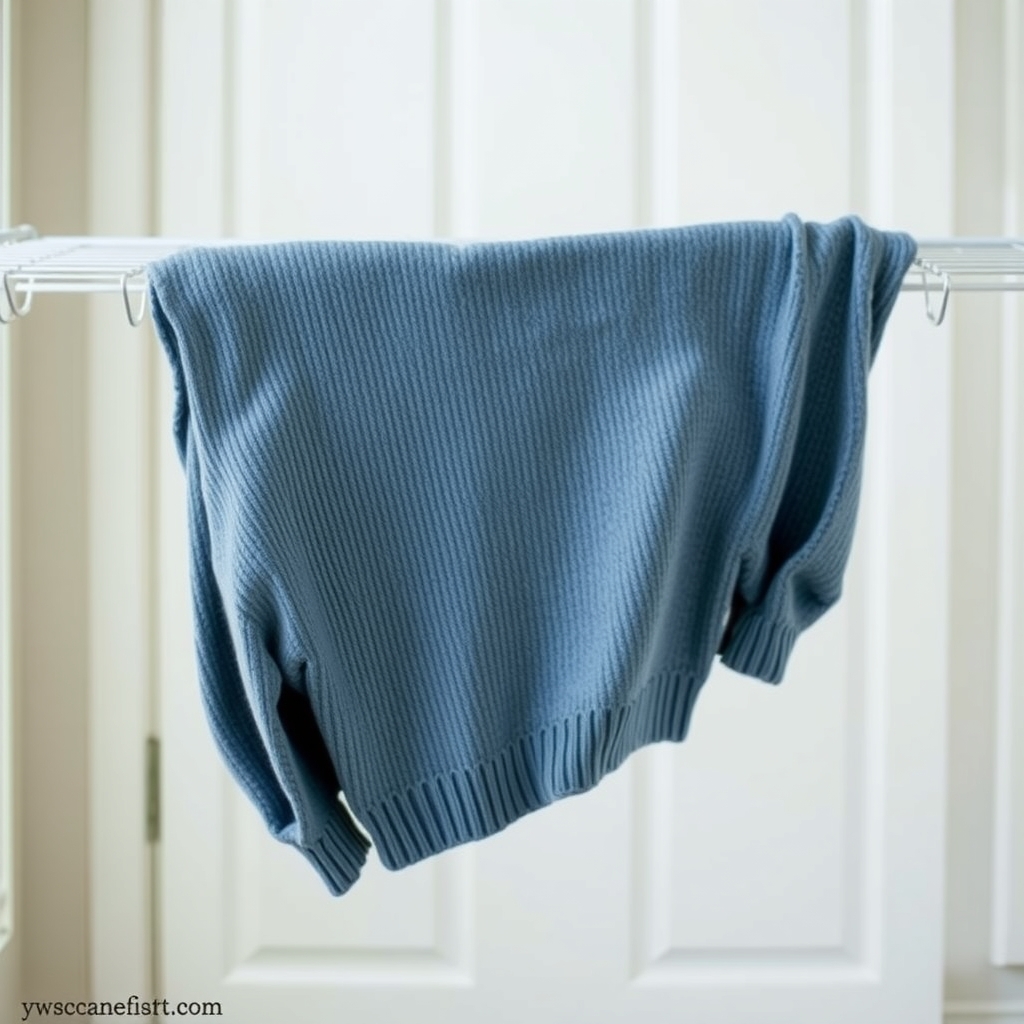
Wet knit is heavy, and hanging it stretches the shoulders. Wash gently, press out the water and dry the sweater flat so it keeps its shape.
By Jamilur Rahman Updated November 5, 2026 · 6 min read
- Time
- 10 min, plus drying
- Cost
- Free
- Difficulty
- Easy
In this guide
Quick answer
To stop sweaters from stretching, never hang them wet and never wring them. Wash gently in a mesh bag or by hand, press the water out with a towel, reshape the sweater and dry it flat. A towel on a table works, and a flat mesh rack does the same job faster because air reaches both sides.
Free fix vs. permanent fix
Press out the water, reshape and dry flat on a towel
- Wash gently in cool water, in a mesh bag or by hand
- Press the water out, never wring or twist
- Lay it flat on a dry towel and shape the sleeves and hem
- Flip it once, and swap the towel when it is soaked
How long it lasts: Stops new stretching for good as long as you do it every wash. It is slower, and the towel soaks through and needs swapping.
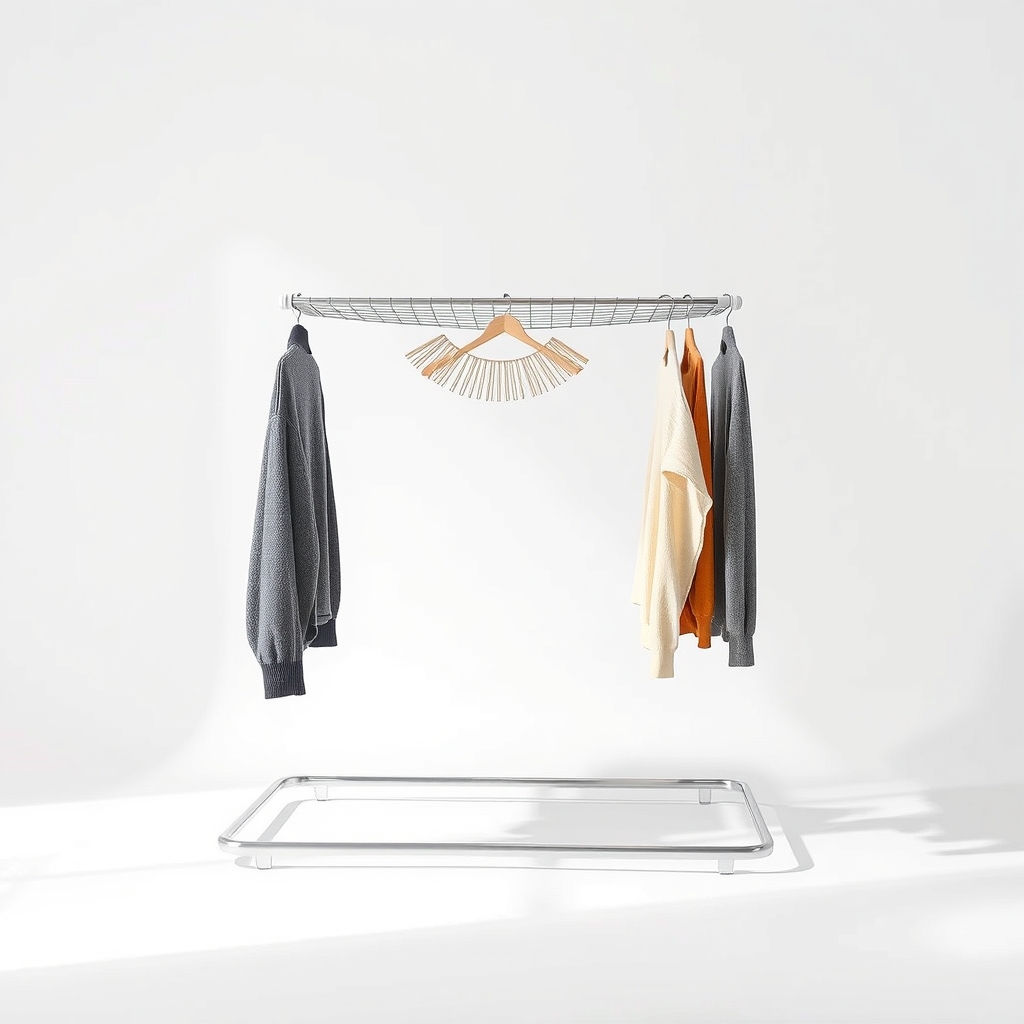
A flat mesh sweater drying rack
Wet knit weighs a lot and gravity pulls it if it hangs. A flat rack supports the sweater evenly, and the mesh lets air under it, so it dries faster than on a towel and stays fresher. It folds away when you are done.
What to get: Flat mesh sweater drying rack
How long it lasts: Years. Once it is out, the habit is easy, and air reaches both sides so sweaters dry sooner and keep their shape.
As an Amazon Associate I earn from qualifying purchases.
What you'll need
-
Large clean towels
For pressing out the water
You have it - Illustration
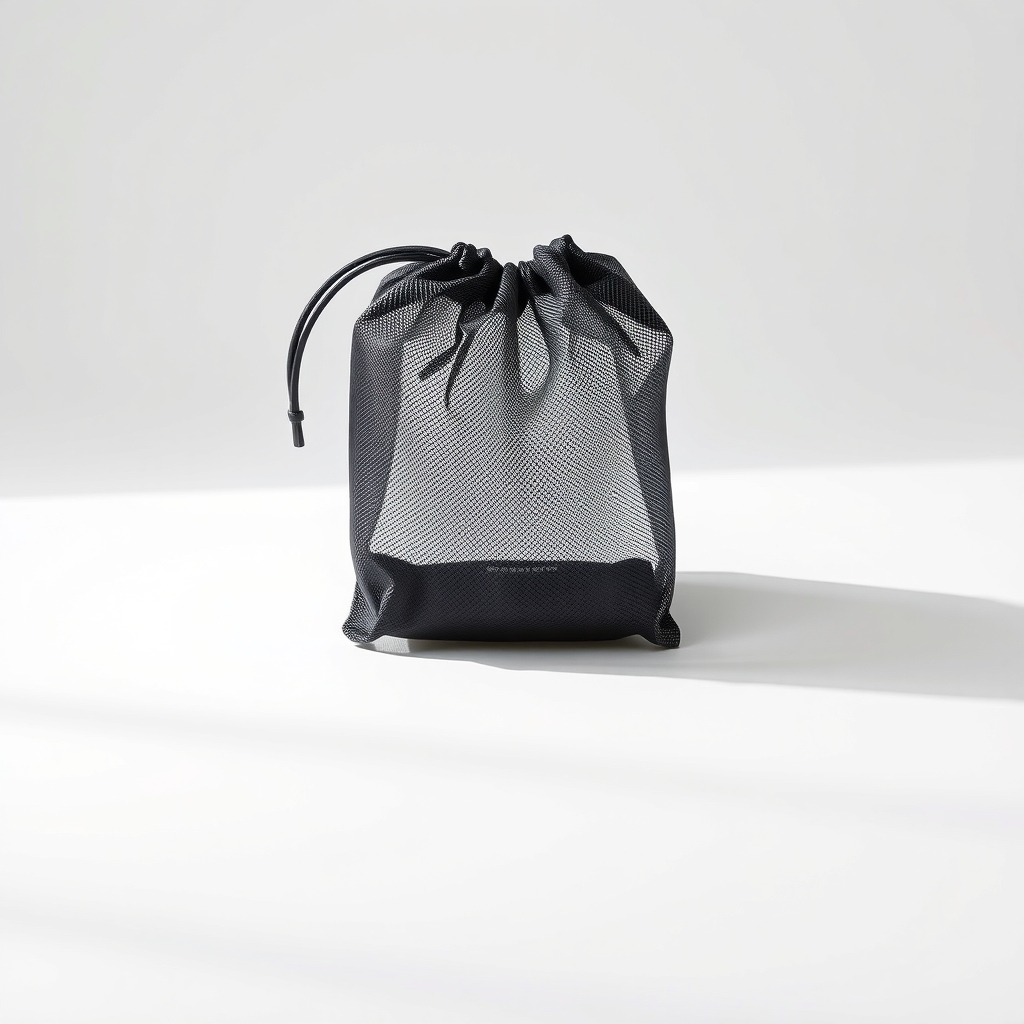
Mesh delicates bag
Protects knits from tumbling and snags in the machine
- Illustration
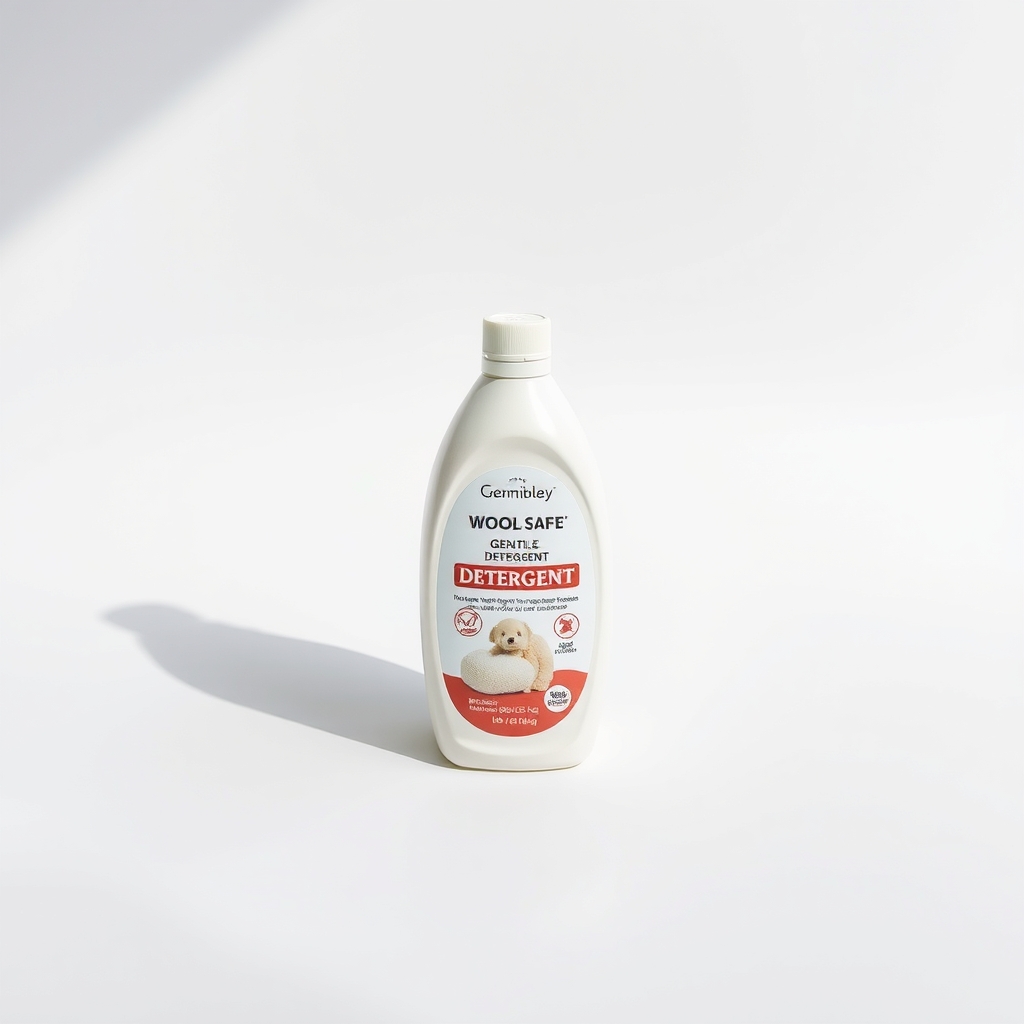
Wool-safe gentle detergent
Mild, no bleach or brighteners
- Our pick Illustration
Flat mesh sweater drying rack
Check that your biggest sweater fits flat
- Illustration
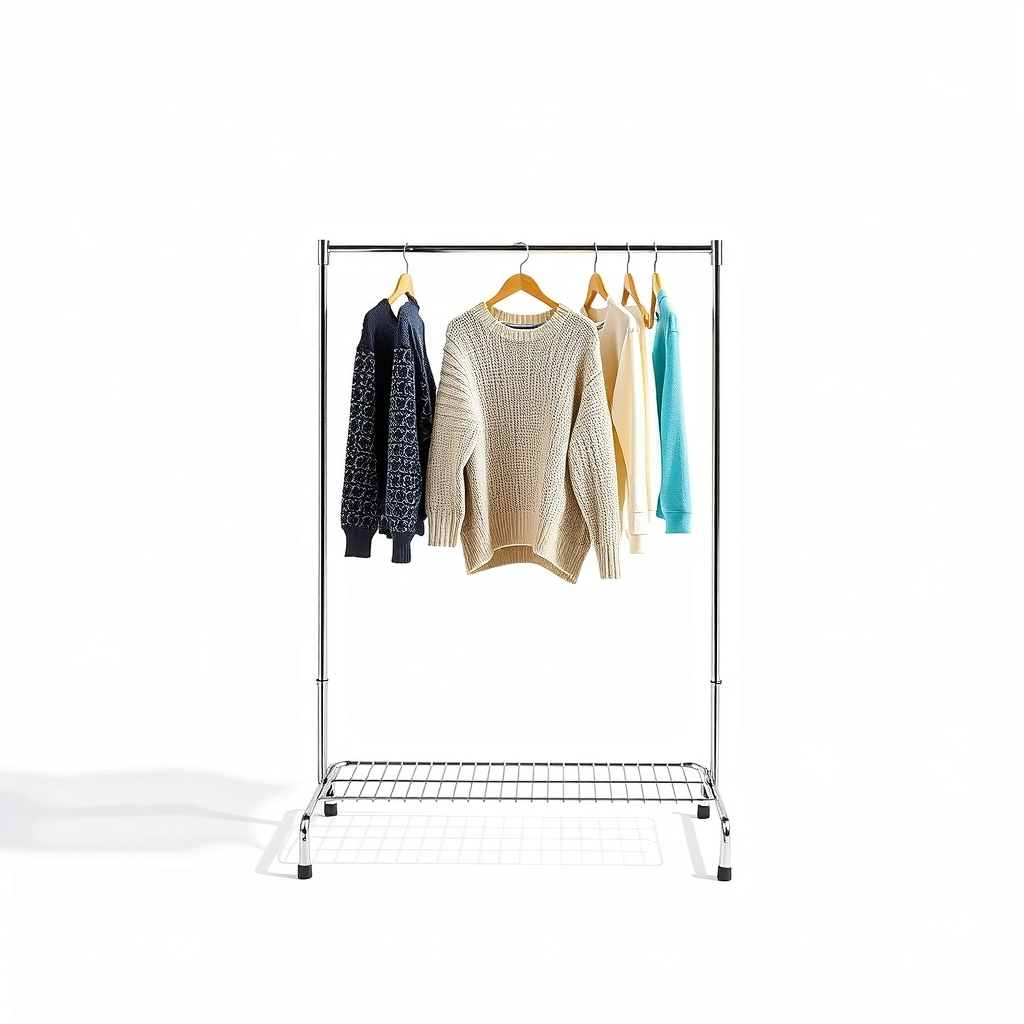
Multi-tier mesh drying rack
For drying several sweaters at once
Why it happens
Hanging a wet sweater
Water adds a lot of weight. On a hanger or a line, that weight pulls the shoulders down and the knit sags and grows.
Wringing or twisting
Twisting stretches the yarn and distorts the stitches, which often do not snap back.
Hot water and rough agitation
Hot water and heavy tumbling loosen the knit. Wool can also felt and shrink, and the sweater comes out the wrong shape.
Dryer heat and tumbling
The dryer can shrink wool and distort necklines and cuffs as the sweater twists around.
Fibers that do not bounce back
Loose knits, cotton and viscose stretch more when wet than tight wool does. Lower-quality yarn loses its shape faster.
Try this first (free)
Do these in order, starting with the simplest.
-
Read the care label
Check the tag. Wool, cashmere and delicate knits are usually best hand washed or washed on a wool cycle in cold or cool water.
-
Wash gently
Tool used: Mesh delicates bagUse a mild detergent made for wool or delicates. Put the sweater in a mesh bag for a machine wash, or soak it by hand for a few minutes. Do not scrub.
IllustrationCheck price on AmazonTool for this step
Mesh delicates bag · Protects knits from tumbling and snags in the machine
-
Press the water out in a towel
Tool used: Large clean towelsLift the sweater out as a bundle without twisting. Lay it on a clean towel, roll up the towel with the sweater inside and press.
-
Reshape and lay it flat
Tool used: Flat mesh sweater drying rackLay the sweater flat, smooth the body and square the shoulders and sleeves to its normal size. Pat the hem and cuffs straight. No rack yet? A dry towel on a table works.
IllustrationCheck price on AmazonTool for this step
Flat mesh sweater drying rack · Check that your biggest sweater fits flat
-
Flip it and keep it away from heat
Flip once after a few hours. Keep it away from radiators and direct sun, which can stiffen and fade it. A thick sweater can take a day or more to dry.
-
Fold it, do not hang it
Store sweaters folded in a drawer or on a shelf. Hanging pulls on the shoulders over time.
When free fixes aren't enough
The towel method works, but it takes up a table or a bed for a day, the towel soaks through, and a thick sweater can stay damp underneath and smell musty. If you wash several sweaters a week or have no flat surface to spare, a mesh rack solves that. If a sweater has already stretched, you can often reshape wool by wetting it and drying it flat to size. Cotton and acrylic respond less. For a sweater that shrank, see the related guide.
Buy the fix
Still stuck after the free fixes? These are the products we would look at.
| Pick | Product | Fixes | Who it's for | Buy |
|---|---|---|---|---|
| Best pick | Flat mesh sweater drying rack | stretching from hanging and slow drying on a towel | Anyone who washes wool or knit sweaters regularly. | Check price |
| Budget pick | Mesh delicates wash bag | stretching and snagging from tumbling in the machine | People who machine wash knits. | Check price |
| Upgrade pick | Multi-tier mesh sweater drying rack | drying several sweaters at once without a table | Big households, or people who wash knits in batches. | Check price |
Flat mesh sweater drying rack
Fixes: stretching from hanging and slow drying on a towel
Look for: A fine mesh surface that lets air reach both sides; Folds flat or stacks away when you are done; Big enough for your largest sweater, so check the size.
- Who it's for
- Anyone who washes wool or knit sweaters regularly.
- Honest downside
- You wash one sweater a month and have a spare table. A towel is enough.
Mesh delicates wash bag
Fixes: stretching and snagging from tumbling in the machine
Look for: Fine mesh and a sturdy zipper; Large enough for a sweater; Machine washable.
- Who it's for
- People who machine wash knits.
- Honest downside
- You hand wash all your knits. Skip the bag.
Multi-tier mesh sweater drying rack
Fixes: drying several sweaters at once without a table
Look for: Two or more tiers with space between them; Folds flat; Stable legs or a sturdy hanging design.
- Who it's for
- Big households, or people who wash knits in batches.
- Honest downside
- You only have a few sweaters. A single rack is enough.
As an Amazon Associate I earn from qualifying purchases. We don't show prices because they change, so use the button to see today's price.
How we picked: How we picked: this page is based on garment care labels, wool and knitwear care guides, and the problems and fixes owners report in reviews. We do not test products by hand.
Wool, cotton or acrylic: how each one stretches
- Wool and cashmere: stretch when wet but can be reshaped. Avoid heat and agitation.
- Cotton: gets heavy when wet and sags, and is slow to bounce back. Dry flat.
- Acrylic and blends: hold shape better but can pill and stretch at the cuffs. Check the label.
Measure first so it comes back to size
Before washing, lay the sweater on a table and note its width across the chest and its length. After washing, pat it back to those numbers on the towel or rack. It takes a minute and gives you a target, so you can see whether you pulled it long.
What to skip
Hanging wet sweaters and wringing them out
Hanging puts all the water weight on the shoulders, and wringing twists the yarn out of shape. Check the label before you use the dryer on wool or delicate knits, since heat shrinks and distorts them.
Frequently asked questions
Why do my sweaters stretch out after washing?
Can I fix a sweater that has already stretched?
Should I hang or fold sweaters?
Can I put a sweater in the dryer so it does not stretch?
Related problems
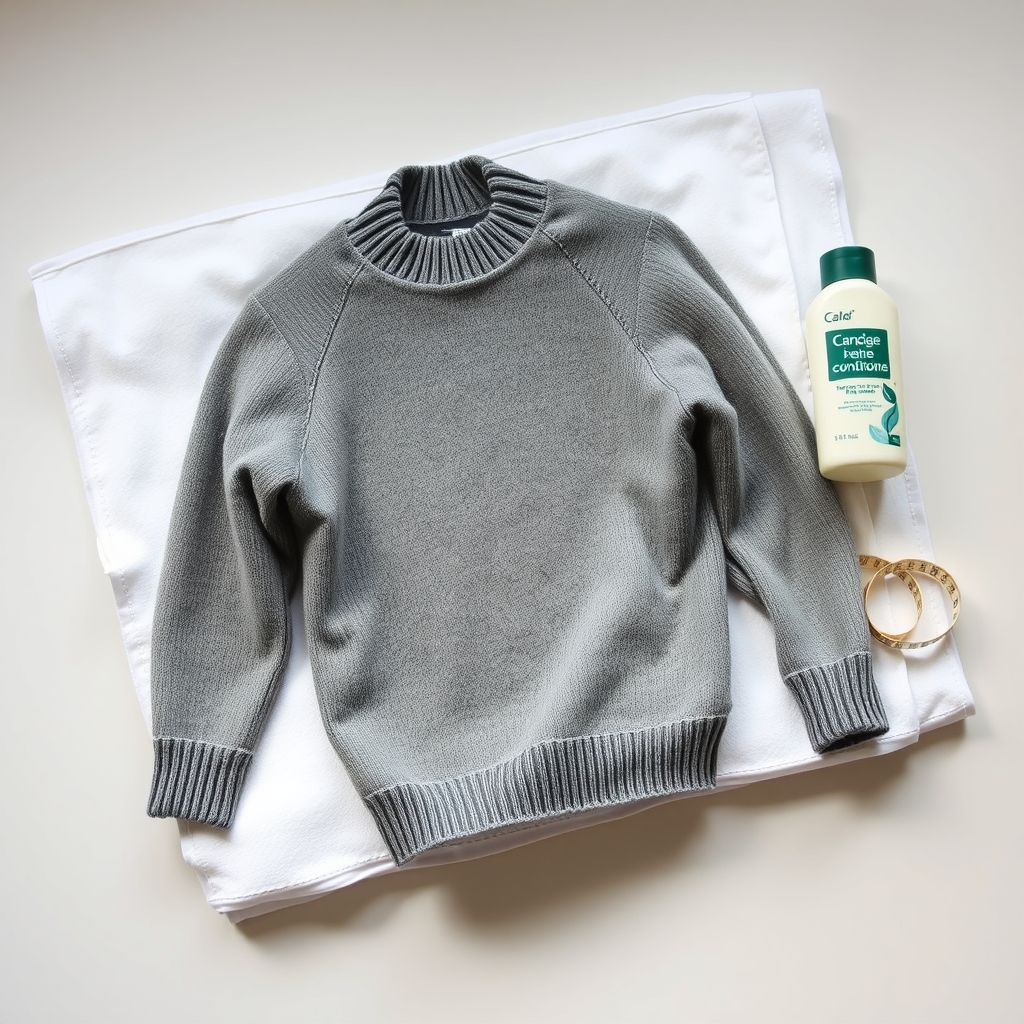 Free fix inside
Laundry · Sweaters
Sweater Shrunk in the Dryer? How to Stretch It Back to Size
Read the fix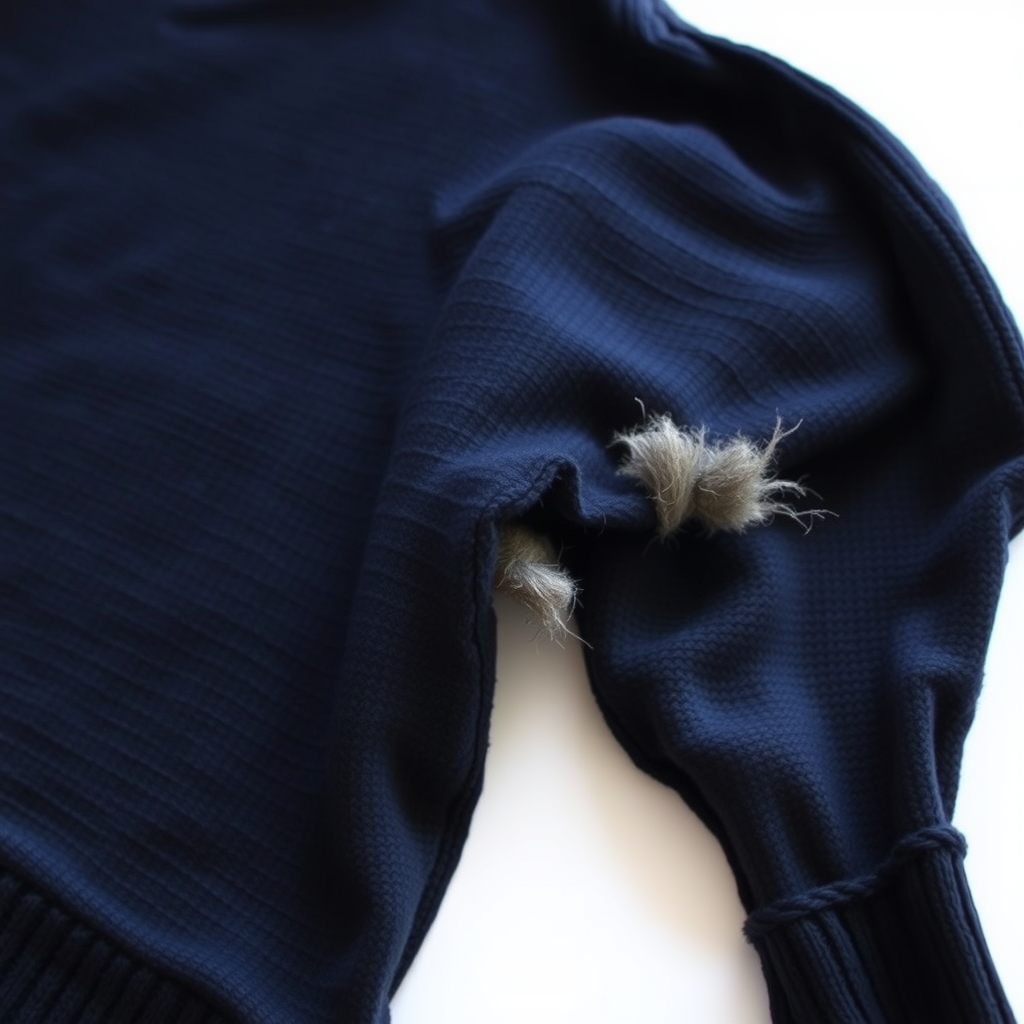 Free fix inside
Laundry · Sweaters
How to Stop Sweaters From Shedding: Freeze It, Then Shake It Out
Read the fix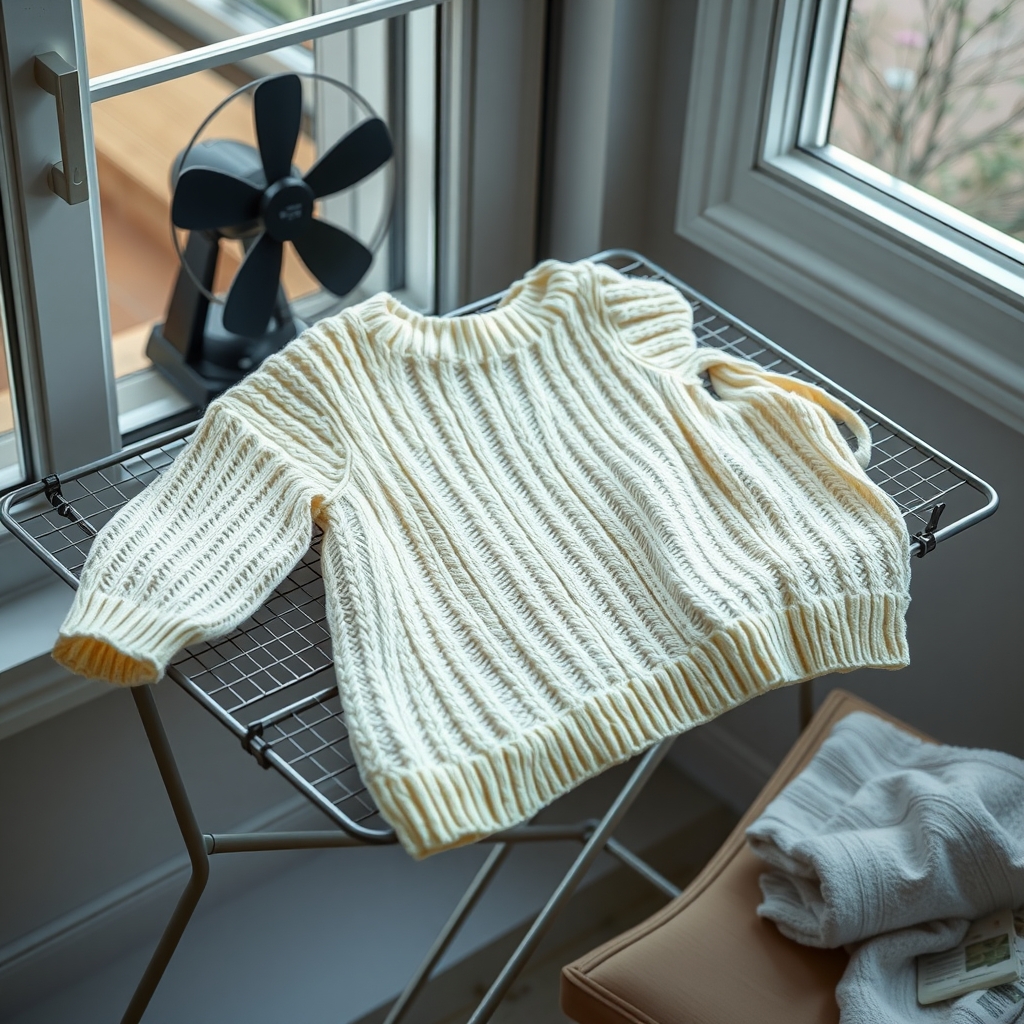 Free fix inside
Laundry · Sweaters
Sweater Smells Musty After Washing? A Wool Wash and Dry Plan
Read the fix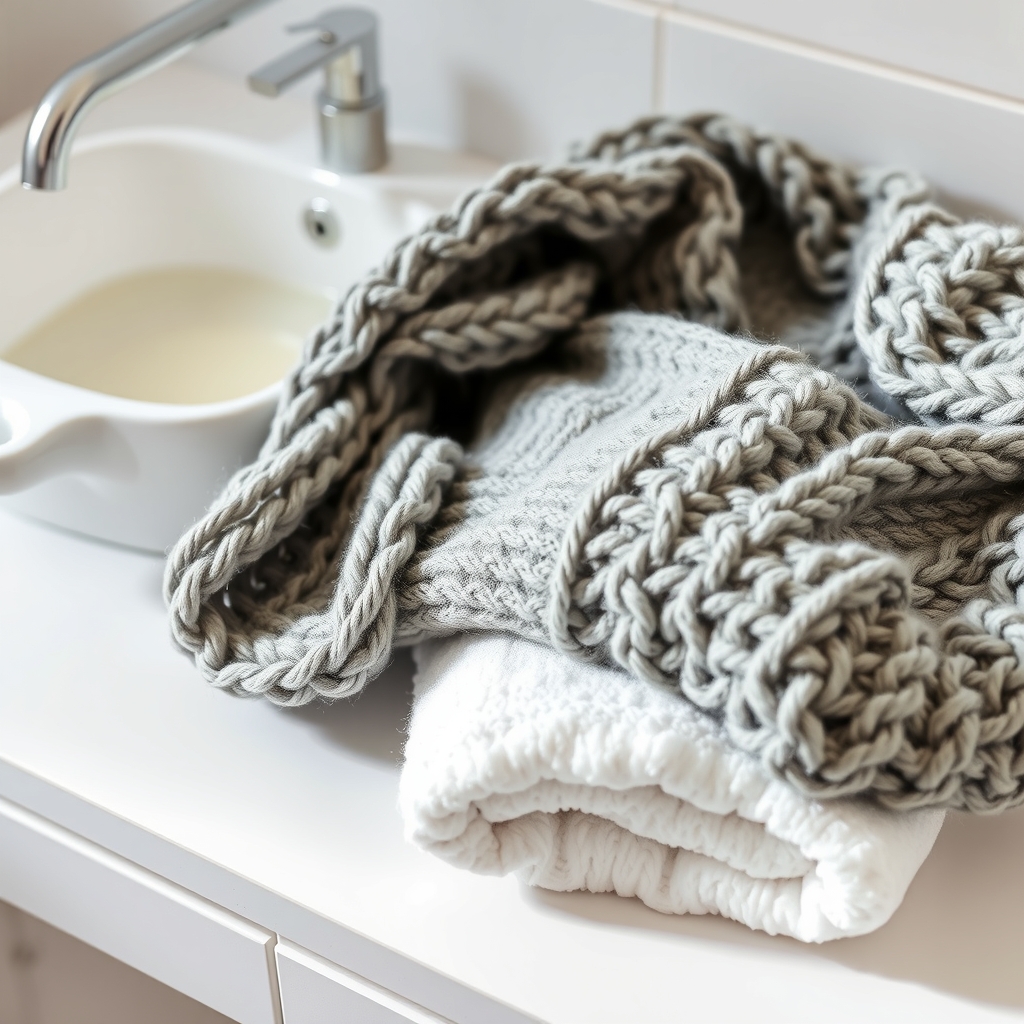 Free fix inside
Laundry · Sweaters
How to Stop Sweaters From Itching: A Soak and Conditioner Method
Read the fixAs an Amazon Associate I earn from qualifying purchases. Affiliate disclosure